


ACE4Food: Helping Rwanda’s agri-food SMEs turn circular ideas into business opportunities
 Uwimanimpaye Cyiza Marie ClemenceSeptember 25, 20265 Mins read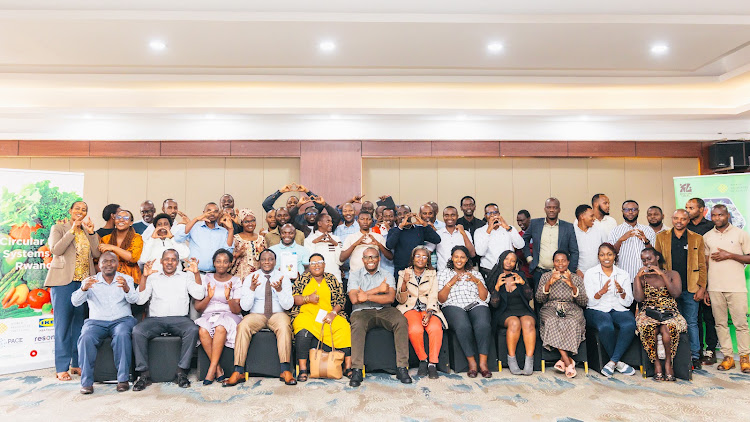
For Kayitesi Grace, circular economy is not a concept she only heard about in a workshop. At Glory Poultry Farm, it has become part of how the business thinks about waste, farming and the resources it already has.
Through the Circular Food Systems for Rwanda (CIRF) programme, Kayitesi said the farm learned how materials that might once have been discarded could instead be put back into production.
“They helped us, as people who grow maize and beans on a large scale down there in Mutara, to take maize cobs and turn them into chicken feed and fertilizer,” she said. “They helped us learn how to make organic fertilizer, which helped us increase our harvests.”
The experience is now part of the foundation on which the World Resources Institute (WRI) Rwanda is building its next phase of work with businesses through the Accelerating the Circular Economy for Food, or ACE4Food, initiative.
The initiative is supporting at least 50 agri-food small and medium-sized enterprises in Rwanda to adopt circular economy practices through training, technical assistance, mentorship and business-model development.
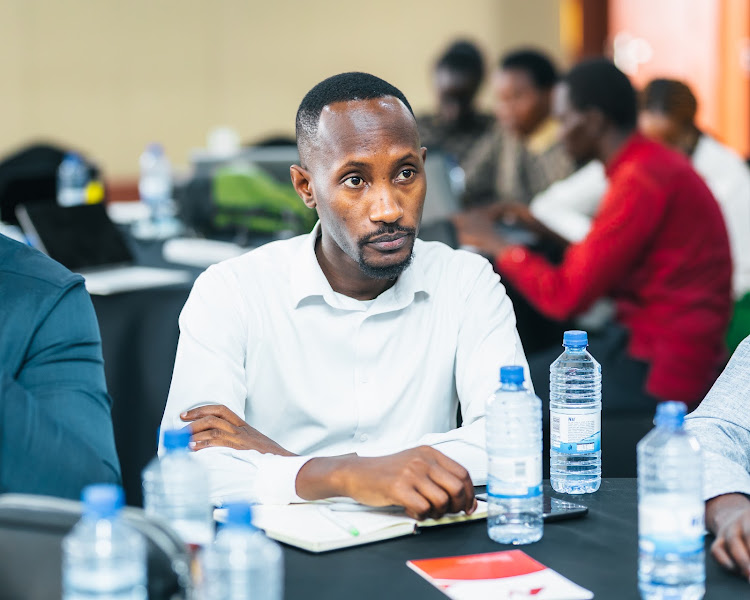
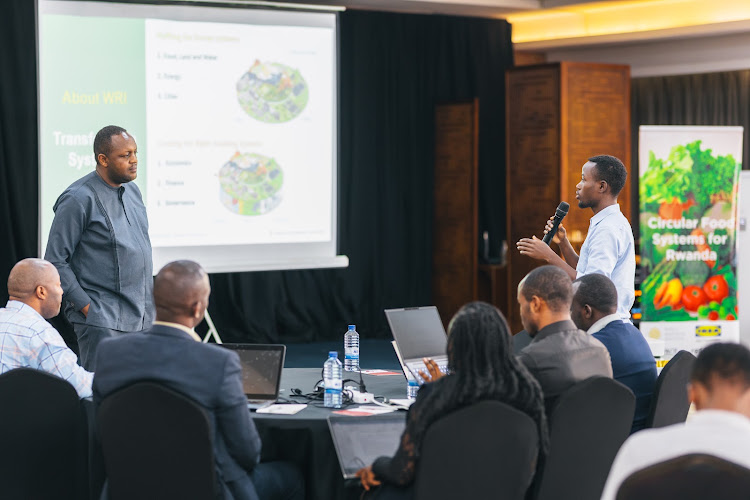
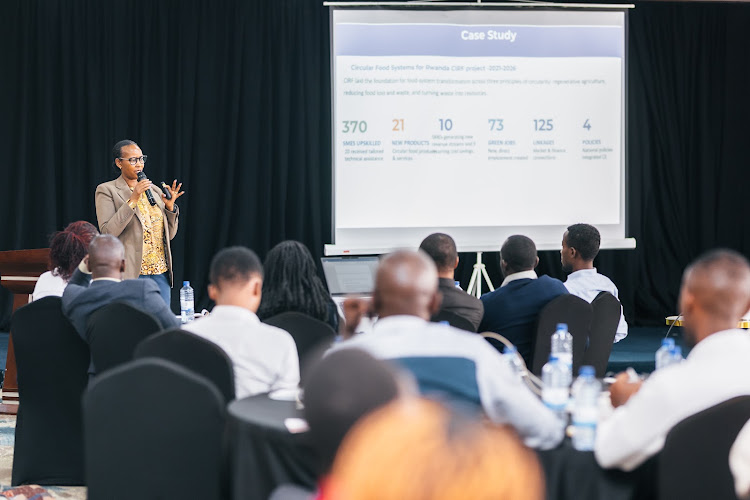
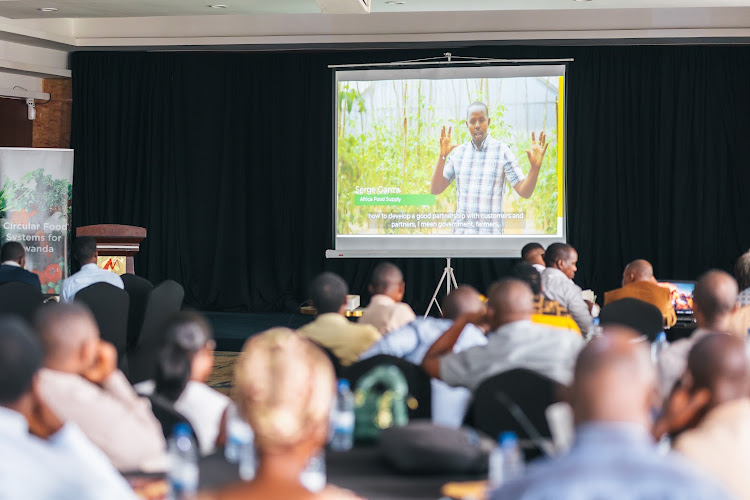
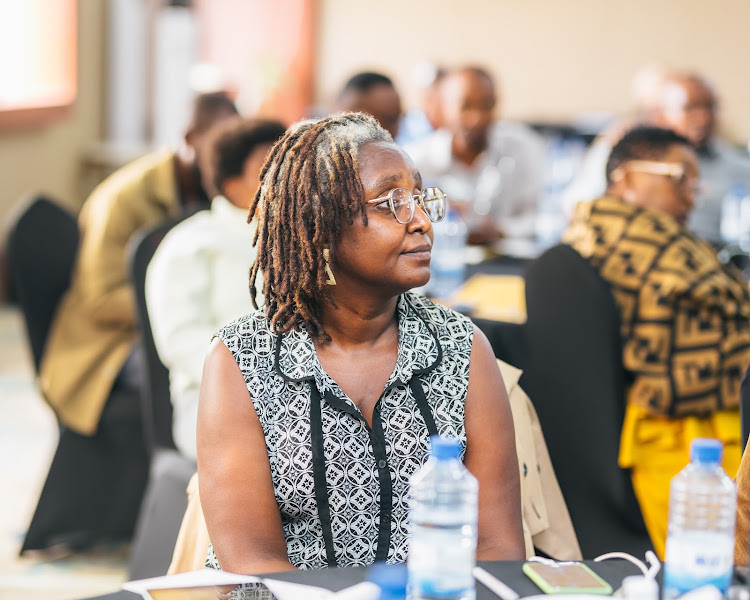
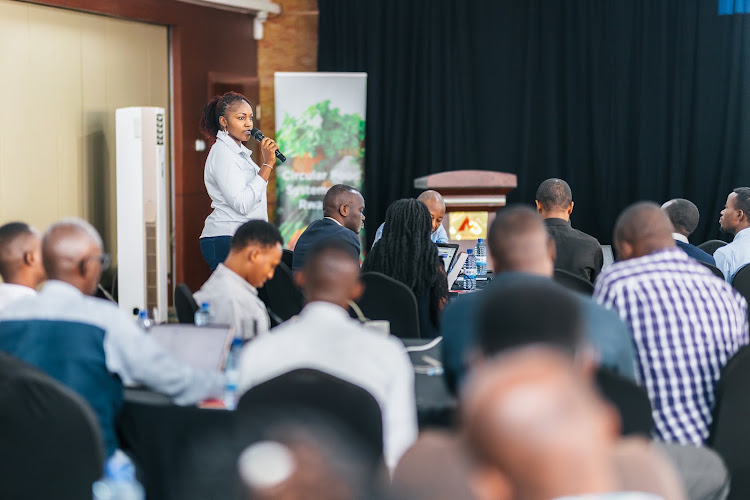
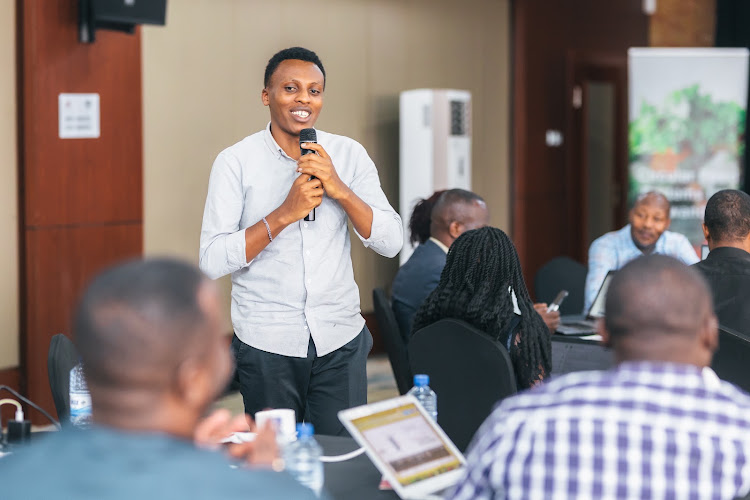
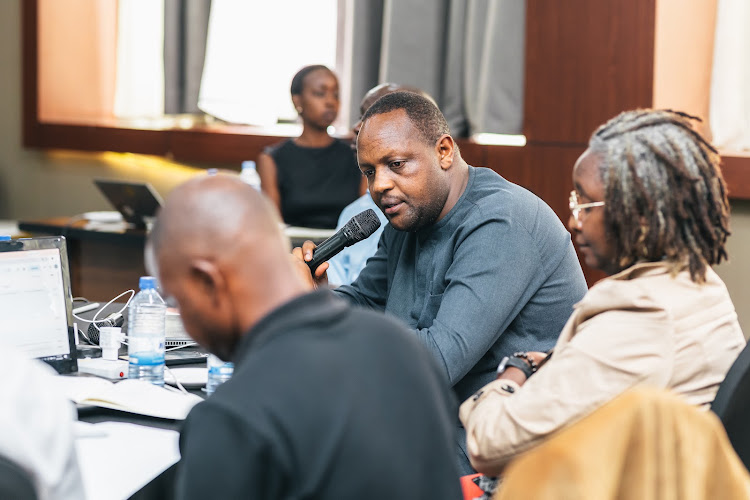
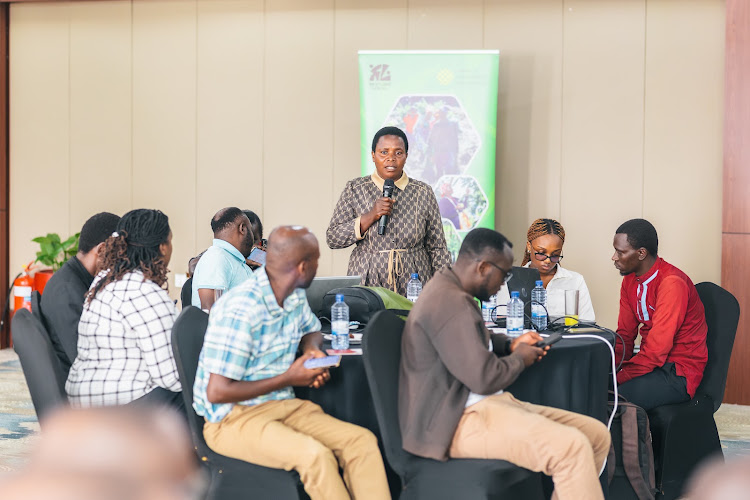
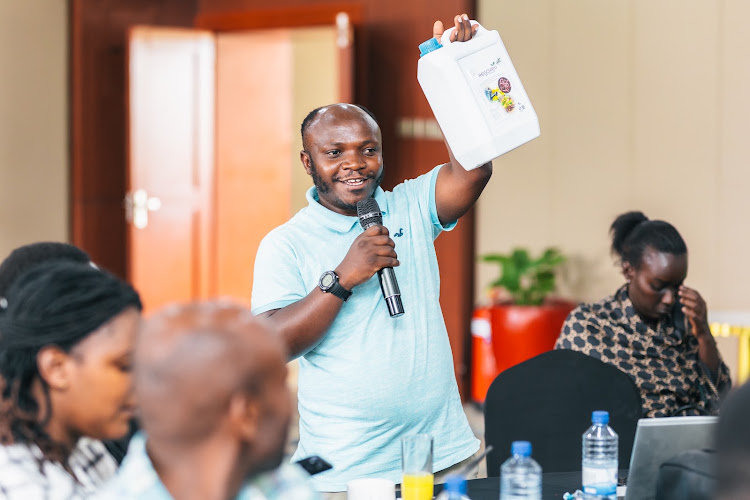
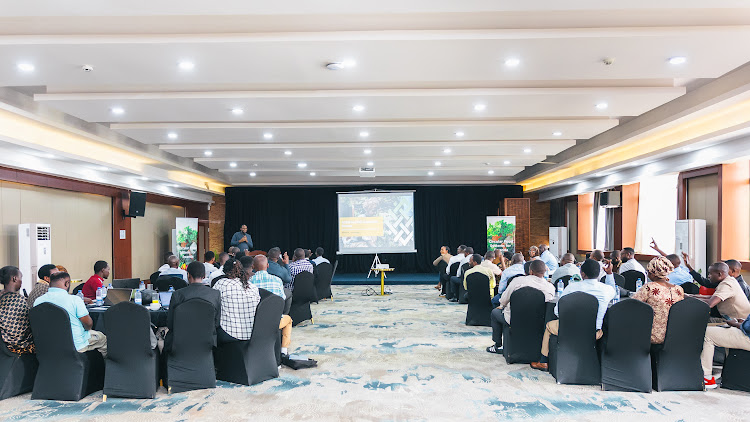
The orientation and socialization session held in Kigali on Thursday brought selected SMEs together with WRI Rwanda to understand the support available to them, clarify expectations and discuss the steps ahead.
ACE4Food builds on lessons from CIRF, which worked with businesses and other food-system actors to demonstrate how food and agricultural waste can be turned into useful products and new sources of value. The experience also showed that good circular ideas need access to markets, finance, technology, standards and partnerships if they are to grow. ACE4Food takes those lessons forward through a broader focus on strengthening the circular food system while continuing to support businesses.
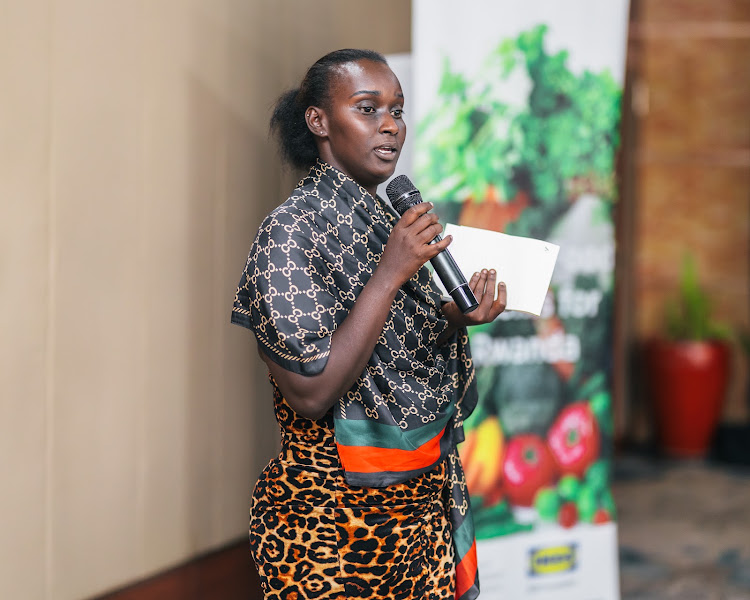
For Eric Ruzigamanzi, Rwanda Country Director of WRI, the purpose is not simply to introduce another business-support programme, but to help businesses become part of a wider shift in how food is produced, stored and resources are used.
“What concerns us as Rwandans, as a country, is how we can promote the circular economy so that we reduce the different problems we face today because of the way we produce food, the way we store food and the way we use waste, while also contributing to the action plan and roadmap of the Government of Rwanda,” he said.
“The solutions are more within you than they are within us. The contribution that can come from you is much greater than what can come from WRI and its partners.”
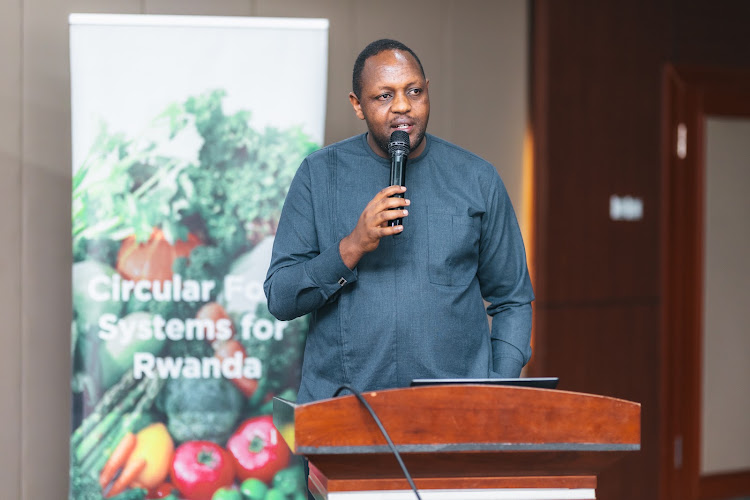
The approach builds on a lesson emerging from Rwanda’s earlier circular economy work: businesses may already have practical solutions, but turning those ideas into sustainable enterprises can require technical knowledge, finance, market connections and stronger links across the value chain.
For Kayitesi, some of the support received through CIRF went beyond fertilizer production.
The farm learned about collecting and using stored water for irrigation, an important issue in the Mutara region where water availability can be a constraint. It also received support that helped create work opportunities for girls, women and young people.
The programme also exposed participating businesses to one another’s approaches. Kayitesi recalled visiting Golden Insect, founded by Dominique Xavio Imbabazi, to learn about the use of worms, black soldier flies and other biological processes in producing fertilizer.
For Imbabazi, the support opened doors beyond technical knowledge. He said CIRF helped Golden Insect build connections, access grant opportunities and acquire skills that would have been difficult to develop alone. Support received through the programme also contributed to the company’s efforts to obtain the RSB S-Mark certification, a process he described as a difficult journey.
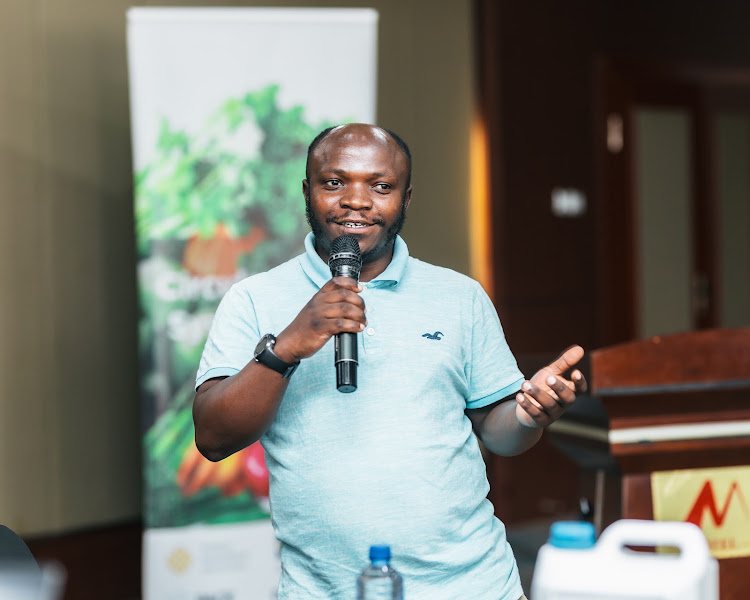
Those experiences matter to the businesses now entering ACE4Food because circularity is not limited to one type of product or one definition of waste. It can involve turning agricultural residues into inputs, using livestock waste to produce fertilizer, reducing production losses, finding new uses for by-products or developing business models that keep materials in use for longer.
For the businesses selected under ACE4Food, the starting point is different.
Geraldine Muhawenimana, founder of Ingaara Creative Arts, works with aromatic plants and said she wants to build a production chain in which she has greater control over what goes into her crops.
“I did not want to use crops that I had bought from other people. That is why I chose to grow my own, following them from the beginning to the end,” she said.
She sees an opportunity to extend that thinking to livestock and fertilizer.
“If I buy fertilizer from people who keep livestock, I could instead raise my own livestock and use fertilizer produced from what I raise myself. My crop could then be grown using fertilizer that I produce myself, creating a circular economy until the plant becomes fully grown,” she said.

For Dr. Moïse Nkurikiyumukiza, founder and lead consultant of Icyizere Modern Agri-Vet Pharmacy and One Health Consultancy Center in Kayonza District, joining ACE4Food represents an opportunity to connect scientific work with practical challenges faced by farmers and agri-food businesses.
A veterinarian and public health epidemiologist, Nkurikiyumukiza works at the intersection of animal health, disease surveillance, sustainable agriculture and rural livelihoods.
He described his selection as “both a humbling honor and a vital validation” of the mission of connecting animal health, environmental sustainability and rural economic resilience.
He said he expects the programme to help refine circular agri-food business models around issues such as waste reduction, feed and resource efficiency and sustainable livestock production.
He also wants to explore how data and biosecurity practices can be translated into practical solutions for smallholders and agri-enterprises, while building partnerships and learning from other actors working on climate resilience and sustainable food systems.
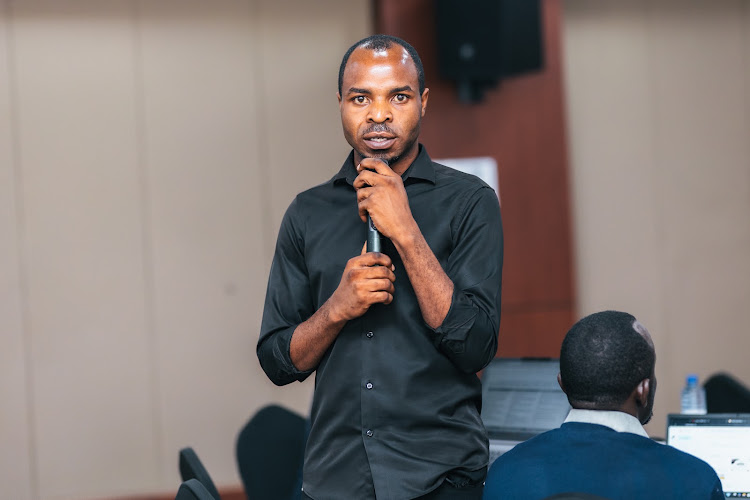
For Nkurikiyumukiza, one of the challenges will be making sure that scientifically rigorous approaches remain realistic for farmers and small businesses operating with limited resources.
That balance is central to the broader ambition of ACE4Food.
The three-year initiative is structured around several areas, including circular economy adoption by the private sector, system leadership, finance and market access, and monitoring, evaluation and learning. It also places deliberate attention on women- and youth-owned or led businesses.
For the SMEs receiving support, the immediate steps include general circular economy training, more detailed assessments of their capacities and needs, and tailored technical assistance. WRI Rwanda plans to complete baseline assessments by the end of November, while businesses with strong potential for circular models may receive more intensive mentorship and business-model development.
A smaller group is also expected to receive support to strengthen market linkages, while access to financial support will depend partly on businesses’ ability to contribute through cost-sharing.
For Ruzigamanzi, however, the value of the initiative ultimately depends on what businesses do with the opportunity.
“Even though you have heard that this is a three-year programme, it is not really about three years. It depends on you and the time you give it,” he said.
“There are solutions you can reach in a short time, and we can work hand in hand with you and celebrate those achievements.”
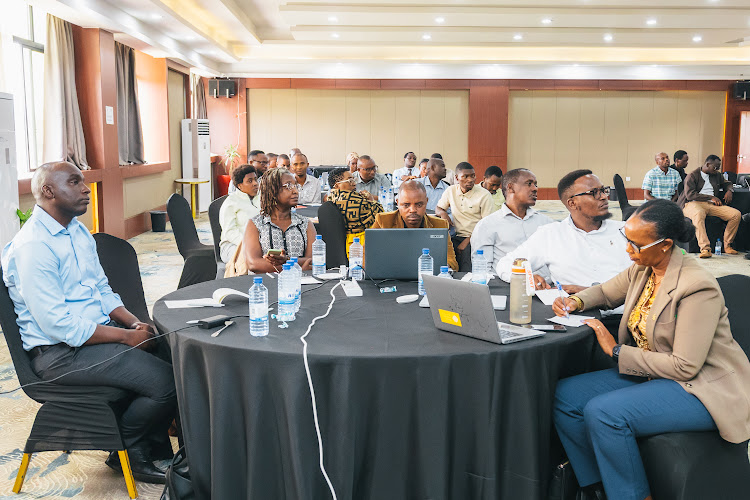
For businesses such as Ingaara Creative Arts, Glory Poultry Farm and Golden Insect, the idea of circularity is already taking shape in very practical ways in fertilizer, crop residues, water, livestock, insects and new products.
ACE4Food is now looking to help turn those individual ideas into stronger businesses while connecting them to the wider systems that can allow circular solutions to move beyond individual enterprises and into Rwanda’s food economy.

For more photos, please click here



Related Articles
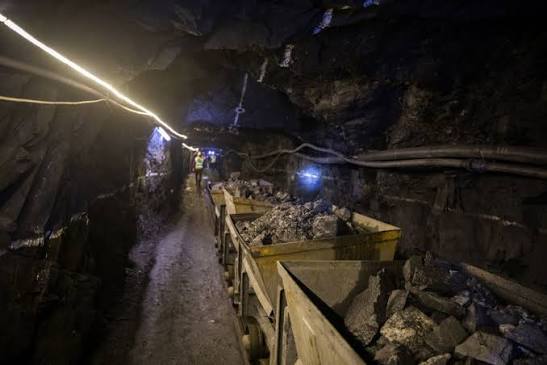
Three Miners Missing After Flooding at Kayonza Mine in Rwanda
Three miners were missing this Sunday after water flooded an underground mine...
Uwimanimpaye Cyiza Marie ClemenceOctober 11, 2026 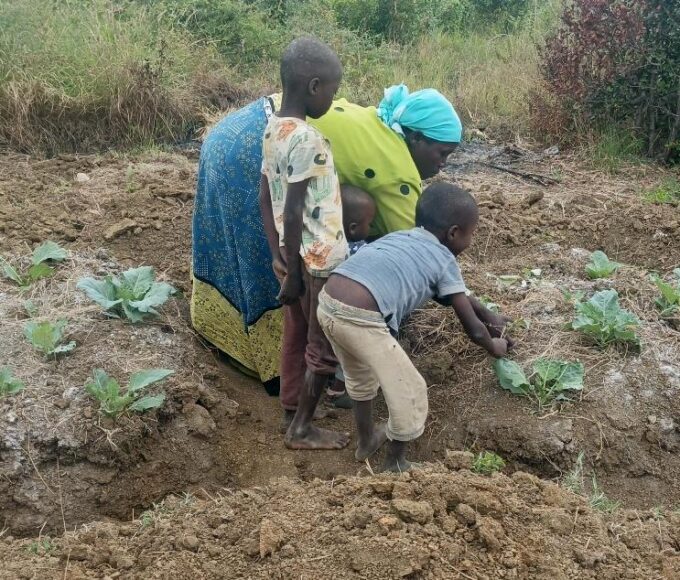
Permagardens offer a new start for drought-hit families in coastal Kenya
By Afia Agyapomaa Ofosu MBUGUNI, Kenya – For families in Mbuguni, a...
Uwimanimpaye Cyiza Marie ClemenceOctober 8, 2026 
Rwanda and Senegal deepen economic ties, with agriculture and standards in focus
KIGALI, Oct. 8, 2026 – Rwanda and Senegal have signed 11 agreements...
Uwimanimpaye Cyiza Marie ClemenceOctober 8, 2026 

Proposed Climate Insurance Could Cushion Rwanda’s Mine Workers Against Rainy-Season Income Losses
A proposed climate insurance scheme could help protect mine and quarry workers...
Uwimanimpaye Cyiza Marie ClemenceSeptember 30, 2026
Leave a comment