



Africa’s cooling actors gather in Kigali ahead of Kigali Amendment’s 10th Anniversary
 Uwimanimpaye Cyiza Marie ClemenceOctober 30, 20263 Mins read
By Simon Kamuzinzi
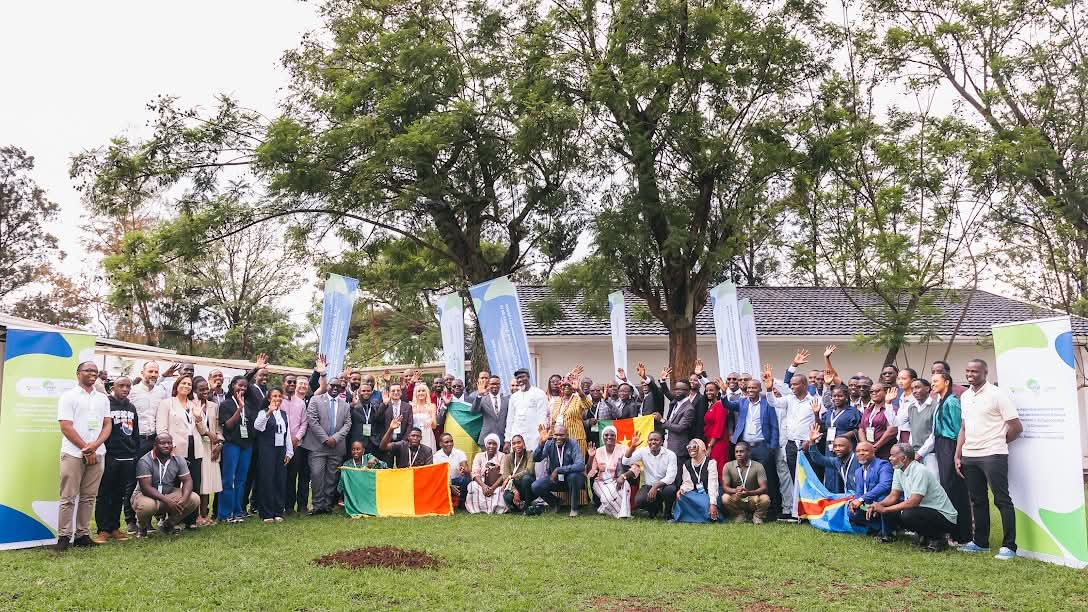
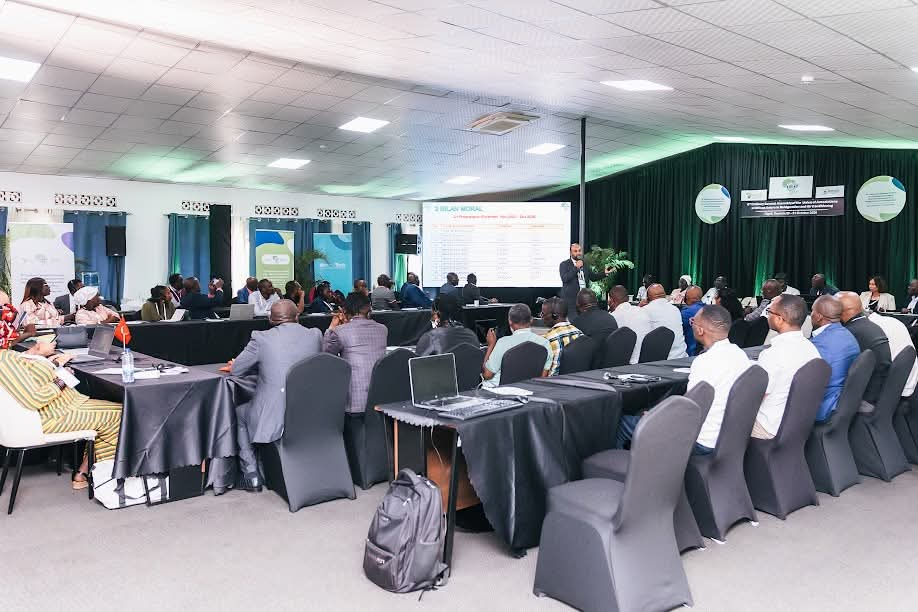
Africa’s actors in refrigeration are meeting in Kigali for the 6th Ordinary General Assembly of the Union of Associations (named U-3ARC), to assess the continent’s needs for preserving food, medicines and vaccines through refrigeration technologies that protect the ozone layer and help combat climate change.
The discussions come ahead of a major international Meeting of Parties (MoP) scheduled to begin in Kigali on November 2, 2026, when Rwanda will host representatives of countries that are parties to the Kigali Amendment, adopted in 2016.
The amendment builds on the Montreal Protocol, an international agreement adopted in Montreal, Canada, in 1987 to protect the ozone layer by phasing out ozone-depleting substances.
The Kigali Amendment specifically aims to reduce the use of hydrofluorocarbons (HFCs), refrigerant gases that do not deplete the ozone layer.
In Rwanda, older refrigerators that use chlorofluorocarbons (CFCs) may still be found in homes, butcheries, some hotels and buildings that accommodate large numbers of people. However, these gases have been phased out, and their importation is prohibited.
Newer refrigeration systems use alternative refrigerants, including HFCs, while some modern equipment uses gases with lower global warming potential. Modern refrigerators can also consume less electricity than older models, depending on their design and efficiency.
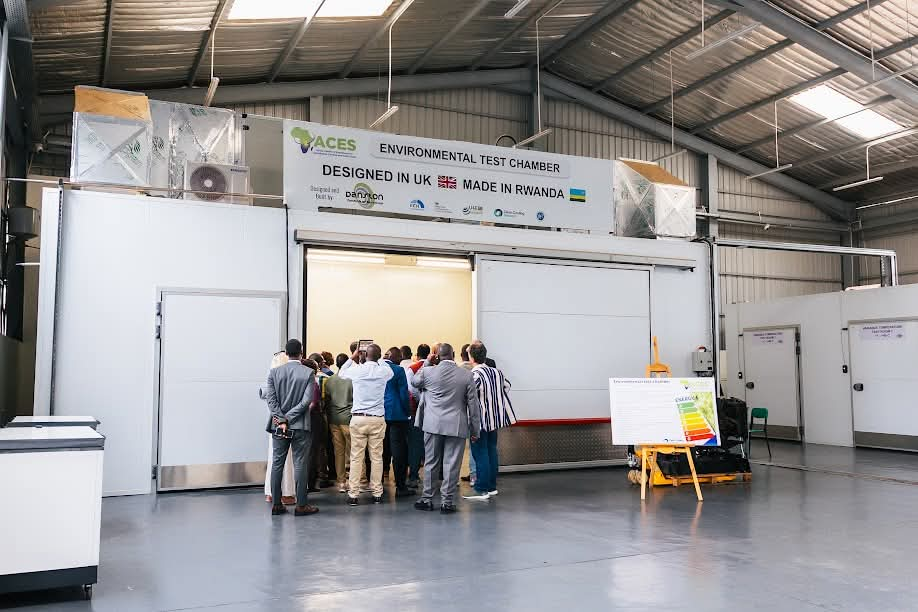
Dr Jean de Dieu Iyakaremye, an Energy Senior Expert at ACES, an institute promoting sustainable cooling across Africa, said the country has introduced an initiative to encourage people to replace outdated refrigerators with modern equipment.
“In Rwanda, there is a project called R Cool, or Cool Lease, through which you can take your old refrigerator and exchange it for a new, modern one by paying a small amount of money,” he said.
“Where possible, people should replace their old refrigerators with newer models because the old ones consume a lot of electricity. You can no longer find the old refrigerant gases on the Rwandan market because their importation is prohibited.
People with older refrigerators realise that these gases are no longer permitted when they try to purchase them and discover that they are unavailable on the market.”
Rwanda Prepares to host international refrigeration discussions
Basile Seburikoko, ACES’s technical director, said Rwanda would host representatives of countries from around the world that are parties to the Kigali Amendment at a meeting scheduled for November.
The gathering comes as the world marks 10 years since the adoption of the amendment in 2016.
“Hosting the Meeting of the Parties (MoP), which brings these countries together, as we mark 10 years since the adoption of the Kigali Amendment, demonstrates that countries around the world are working to implement the agreement named after this capital,” Seburikoko said.
“We will also be demonstrating our country’s commitment to promoting environmentally friendly technologies that consume less electricity.”
Seburikoko added that Rwanda would use the meeting to learn more about the refrigerant gases used in older refrigerators and those being introduced in modern cooling equipment.
Refrigerant gases released into the environment can have serious environmental consequences. CFCs damage the ozone layer, which helps shield the Earth from harmful ultraviolet radiation from the sun.
Meanwhile, HFCs, although they do not deplete the ozone layer, can contribute significantly to global warming
The improper disposal of refrigeration equipment and the release of refrigerants can also cause environmental harm. Recovering and safely managing these gases is therefore an important part of the transition to more sustainable cooling technologies.
Africa Seeks Better Cooling to Reduce Post-Harvest Losses
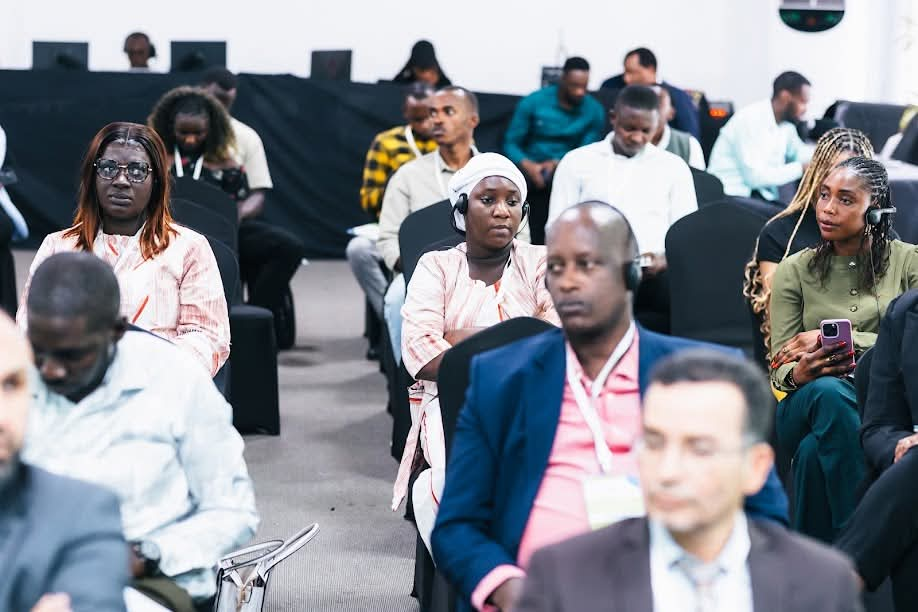
Speaking at the sixth annual general meeting of U-3ARC, an umbrella organisation representing refrigeration and air-conditioning associations across Africa, the organisation’s president, Madi Sakande, said Africans urgently need better access to cooling services to reduce losses of agricultural and livestock products, as well as protect medicines and vaccines.
Sakande said Africa loses up to 70 per cent of its agricultural and livestock production through post-harvest losses, highlighting the scale of the challenge facing the continent.
He said inadequate cooling and storage facilities contribute to the problem, affecting products such as milk, meat, cheese, vegetables and fruits, which can spoil before reaching consumers when they are not properly preserved.
Improving access to refrigeration could help reduce these losses, strengthen food security and increase the availability of agricultural products in local markets.
Better cooling infrastructure is also essential for maintaining the quality and safety of medicines and vaccines, many of which must be stored within specific temperature ranges to remain effective.
Raoudha Massaoudi, U-3ARC’s Secretary responsible for gender promotion, said expanding access to refrigeration, particularly by increasing women’s participation in the cooling sector, could help Africa reduce its dependence on imported food.
She added that better refrigeration could also reduce illnesses caused by consuming food that has spoiled because it was not properly stored.
Expanding access to sustainable cooling could therefore help African countries tackle food losses, improve public health and strengthen local food systems while supporting efforts to protect the environment.


Related Articles
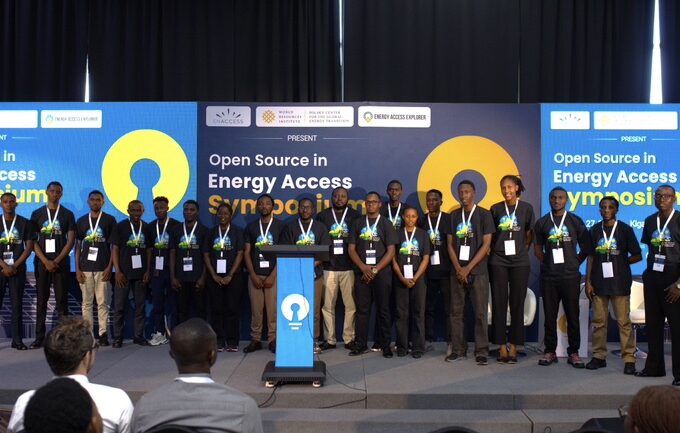
Rwanda hosts global symposium on open-source solutions for energy access
Rwanda is hosting an international symposium bringing together policymakers, researchers, energy companies,...
Uwimanimpaye Cyiza Marie ClemenceOctober 27, 2026 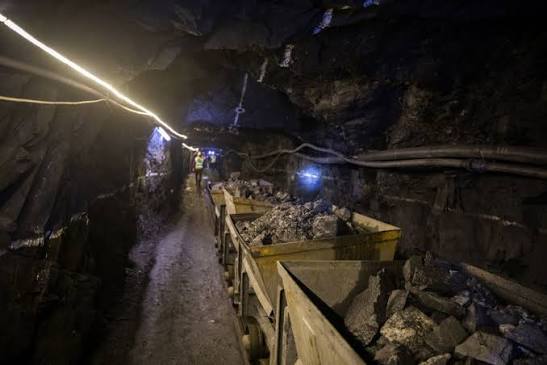
Three Miners Missing After Flooding at Kayonza Mine in Rwanda
Three miners were missing this Sunday after water flooded an underground mine...
Uwimanimpaye Cyiza Marie ClemenceOctober 11, 2026 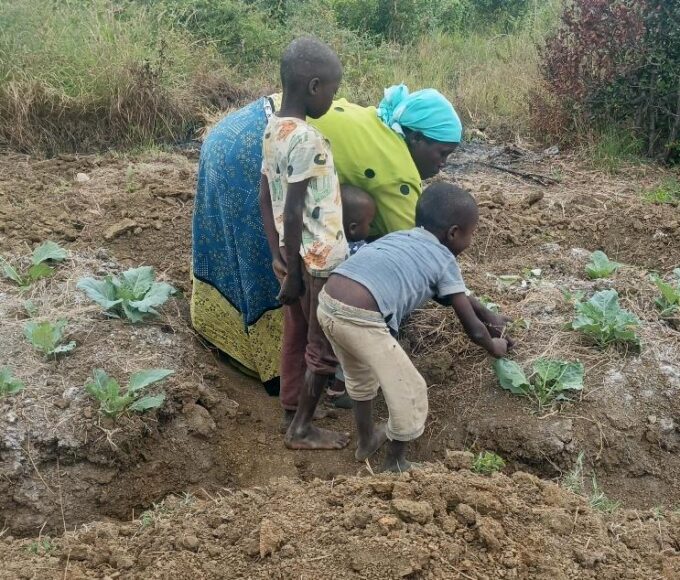
Permagardens offer a new start for drought-hit families in coastal Kenya
By Afia Agyapomaa Ofosu MBUGUNI, Kenya – For families in Mbuguni, a...
Uwimanimpaye Cyiza Marie ClemenceOctober 8, 2026 

Rwanda and Senegal deepen economic ties, with agriculture and standards in focus
KIGALI, Oct. 8, 2026 – Rwanda and Senegal have signed 11 agreements...
Uwimanimpaye Cyiza Marie ClemenceOctober 8, 2026
Leave a comment