



Proposed Climate Insurance Could Cushion Rwanda’s Mine Workers Against Rainy-Season Income Losses
 Uwimanimpaye Cyiza Marie ClemenceSeptember 30, 20264 Mins read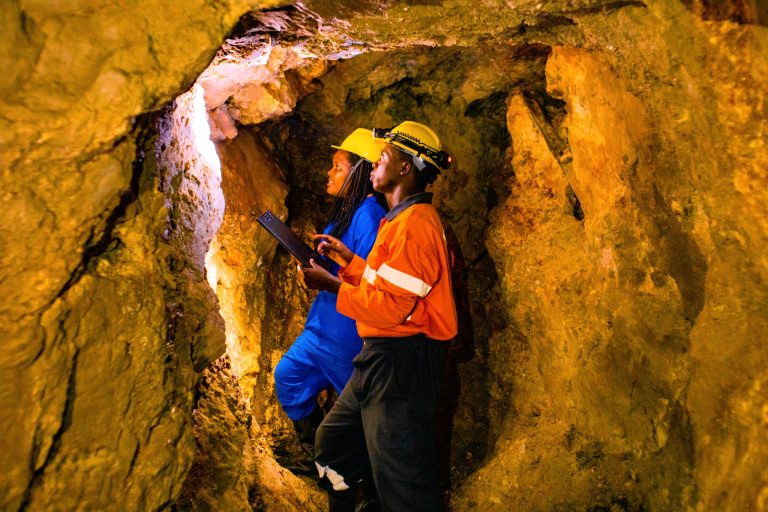
A proposed climate insurance scheme could help protect mine and quarry workers in Rwanda from income losses when heavy rainfall and other weather-related hazards force operations to stop.
The initiative, being developed by the Ministry of Finance and Economic Planning (MINECOFIN) and the Rwanda Mines, Petroleum and Gas Board (RMB), would provide automatic cash payments when specified weather conditions are met.
The proposed scheme seeks to address a challenge faced by workers who depend on daily earnings and may lose their income whenever mining activities are suspended for safety reasons.
Protecting livelihoods during weather disruptions
Mining and quarrying employed approximately 92,000 people in Rwanda as of 2025, according to information shared by MINECOFIN. As the sector grows, the livelihoods of more households are becoming dependent on income from these activities.
However, workers paid by the day or on a casual basis can be particularly vulnerable when adverse weather prevents them from working.
Heavy rainfall can make underground operations, open pits and access routes unsafe. Flooding, unstable ground and landslides can also disrupt production, sometimes requiring temporary suspension of activities to protect workers.
Although such safety measures are essential, they can leave workers without an immediate source of income.
The proposed insurance would complement existing occupational safety measures, social protection programmes and other financial safeguards by providing support during qualifying climate-related disruptions.
Under a parametric insurance model, payments are triggered when an independently measured weather indicator reaches a predetermined threshold. Rather than requiring each worker to file a claim and demonstrate an individual financial loss, the scheme would use agreed weather data to determine when payments become due.
MINECOFIN says the government is assessing the model to establish whether it can be implemented in a practical, affordable and financially sustainable way.
Rainfall identified as the main risk
Excessive rainfall is the primary climate hazard being considered under the proposal. Mining workers and operators have identified it as a major cause of interruptions to work and lost earnings.
Intense or prolonged rain can cause water to enter mining pits, trigger flooding and landslides, destabilise the ground and make routes to mining sites difficult or dangerous to use.
The proposed insurance would rely on rainfall measurements taken over several consecutive days at or near participating sites. Data from Meteo Rwanda would be checked against satellite-based records to improve the reliability and transparency of the system.
Initial coverage would focus on the March-to-May rainy season, when weather-related disruptions are expected to be particularly significant. Extending the scheme to cover the September-to-December rainy season could also be considered.
The proposed product is intended specifically to address income losses resulting from climate-related interruptions. Accidents, disability and death would continue to fall under existing occupational protection and insurance arrangements.
How automatic payments would work
If rainfall at a participating mining site exceeds the agreed threshold, all enrolled workers at that site would qualify for the same predetermined cash payment, according to the proposed model.
The money would be transferred directly to workers through mobile-money services, bank accounts or savings and credit cooperative (SACCO) accounts. The target is to deliver payments within approximately two weeks after the qualifying weather event has been confirmed.
The final payment amount has not yet been determined.
Preliminary estimates have ranged from Rwf15,000 to Rwf25,000 for each qualifying event. Depending on individual circumstances, this could cover several days of earnings for casual workers.
The final benefit would depend on insurance pricing, affordability and the contribution arrangements agreed upon by the participating stakeholders.
By providing financial support soon after a qualifying event, the scheme could help workers meet essential household expenses while mining operations are interrupted. It could also reduce pressure on families to borrow money at unfavourable terms or sell household assets to cover immediate needs.
However, the model has limitations. Because payments depend on predefined weather indicators rather than individual losses, a worker’s actual financial loss may differ from the amount received. Some workers could experience an income disruption without the rainfall threshold being reached, while others could receive a payment that does not fully cover their lost earnings.
MINECOFIN has identified clear communication in Kinyarwanda, informed consent and an accessible complaints mechanism as important elements of the proposed scheme.
Contributions would be shared
The financing arrangements are still under discussion, but the emerging proposal envisages contributions from several stakeholders.
Workers could pay a modest contribution, with mining companies or cooperatives also potentially sharing the cost of premiums. The final structure has not been agreed upon.
MINECOFIN would provide policy leadership and coordinate the initiative with national insurance and disaster-risk financing priorities, including efforts to establish sustainable funding arrangements.
Mining companies and cooperatives could act as group policyholders. Their responsibilities would include maintaining verified records of workers, sharing relevant information about mining sites and helping collect workers’ contributions transparently and with their consent. They could also contribute towards the insurance premiums.
RMB would support implementation through its sector oversight and occupational safety responsibilities. This could include identifying participating sites and providing information about weather-related work suspensions.
Other institutions would have complementary roles. The National Bank of Rwanda would provide regulatory guidance and support consumer protection, while insurers and reinsurers would be responsible for underwriting the proposed product and meeting payment obligations under the agreed terms.
The Rwanda Extractive Industry Workers Union (REWU) and the Rwanda Mining Association (RMA) would support engagement with workers and other sector stakeholders. Meteo Rwanda would contribute the weather information required to operate the system.
The involvement of these institutions would be important in establishing transparent procedures, reliable data systems and arrangements that workers can understand and trust.
Pilot phase under consideration
Before the scheme can be introduced, stakeholders must complete several preparatory steps.
These include verifying worker and mining-site records, assessing historical rainfall data to test the proposed payment triggers, determining premium prices and contributions, securing insurance and reinsurance arrangements, and obtaining the necessary regulatory approvals.
A supervised pilot is also being considered. It could begin with a limited number of workers and potentially operate through the National Bank of Rwanda’s regulatory sandbox, which would allow the proposed enrolment and payment systems to be tested before any broader rollout.
No launch date has yet been confirmed.
The effectiveness of the proposed scheme will depend not only on the reliability of its rainfall triggers and the speed of payments, but also on whether premiums remain affordable for workers whose earnings are already vulnerable to interruptions.
If successfully implemented, the initiative could offer an additional financial safeguard for Rwanda’s mining workforce, helping workers manage the economic consequences of extreme rainfall while maintaining the importance of safe operating conditions.
Source: TNT



Related Articles
Three Miners Missing After Flooding at Kayonza Mine in Rwanda
Three miners were missing this Sunday after water flooded an underground mine...
Uwimanimpaye Cyiza Marie ClemenceOctober 11, 2026 
Permagardens offer a new start for drought-hit families in coastal Kenya
By Afia Agyapomaa Ofosu MBUGUNI, Kenya – For families in Mbuguni, a...
Uwimanimpaye Cyiza Marie ClemenceOctober 8, 2026 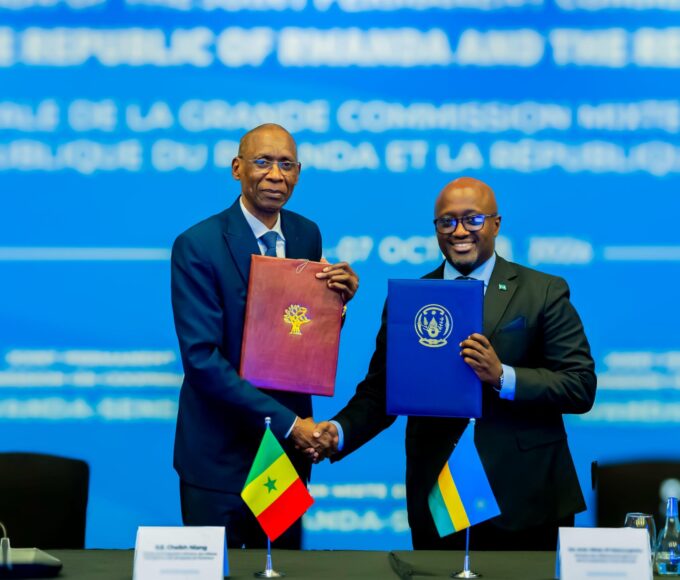
Rwanda and Senegal deepen economic ties, with agriculture and standards in focus
KIGALI, Oct. 8, 2026 – Rwanda and Senegal have signed 11 agreements...
Uwimanimpaye Cyiza Marie ClemenceOctober 8, 2026 

ACE4Food: Helping Rwanda’s agri-food SMEs turn circular ideas into business opportunities
For Kayitesi Grace, circular economy is not a concept she only heard...
Uwimanimpaye Cyiza Marie ClemenceSeptember 25, 2026
Leave a comment