

REMAPSEN: Building a bridge between health, environmental information and African communities
 Uwimanimpaye Cyiza Marie ClemenceSeptember 25, 20264 Mins read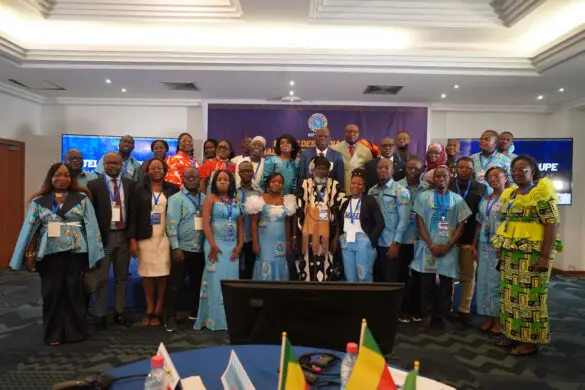
When a disease begins to spread, a water source becomes contaminated or an environmental change starts affecting communities, the response depends on more than scientists, health workers and policymakers. People also need information they can understand and trust.
For journalists, that can mean explaining complex scientific evidence, challenging misinformation and showing how issues that may initially appear separate, from disease and sanitation to pollution, climate and biodiversity, can affect one another.
This is the space in which the African Media Network for the Promotion of Health and the Environment, known by its French acronym REMAPSEN, has sought to strengthen the role of the media across the continent.
The network was created on June 13, 2020, in the middle of the COVID-19 pandemic, when communication became a critical part of the public health response. Its founding brought together 28 journalists from 17 West and Central African countries and Madagascar.
REMAPSEN grew out of the former African Media Network for the Fight against AIDS, Tuberculosis and Malaria, REMASTP, broadening its focus as the pandemic highlighted the need for stronger communication around health, while also drawing attention to environmental conditions that can influence people’s wellbeing.
Where health meets the environment
REMAPSEN’s mandate covers both health and environmental issues, reflecting the growing links between the two.
Unsafe water and poor sanitation can contribute to disease transmission. Changes in ecosystems can affect food systems and disease vectors. Pollution can expose people and other living organisms to harmful substances, while climate-related changes can alter the conditions in which some health risks emerge.
For journalists, covering these issues can require more than reporting announcements from institutions. It can involve understanding scientific findings, checking claims, explaining uncertainty and translating technical information into language that communities can use.
REMAPSEN says its mission includes strengthening the capacity of journalists and media professionals, supporting awareness activities and creating spaces for information exchange on health and environmental issues.
The network has also used partnerships, forums, workshops, webinars and media productions to connect journalists with experts and organisations working on these challenges.
From a pandemic response to a broader media network
Since its creation, REMAPSEN has expanded its activities beyond the immediate concerns that surrounded COVID-19.
Its work has included issues such as HIV/AIDS, child health, vaccination and nutrition, gender-based violence and neglected tropical diseases, alongside environmental concerns.
In 2025, for example, the network held a forum on neglected tropical diseases that included discussions around sanitation, hygiene, vector control, drinking water, epidemiological surveillance and community education, illustrating how health and environmental conditions can intersect.
The network has also increasingly focused on the challenge of misinformation, particularly as health and environmental information circulates rapidly through digital platforms.
That challenge places greater demands on journalists, who must often distinguish scientific evidence from unsupported claims while communicating risks without exaggerating them.
At the helm of REMAPSEN is Ivorian journalist Bamba Youssouf, who was re-elected president of the network in November 2025. The network’s recent activities have continued to emphasise stronger media content, journalist capacity-building and collaboration around health and environmental challenges.
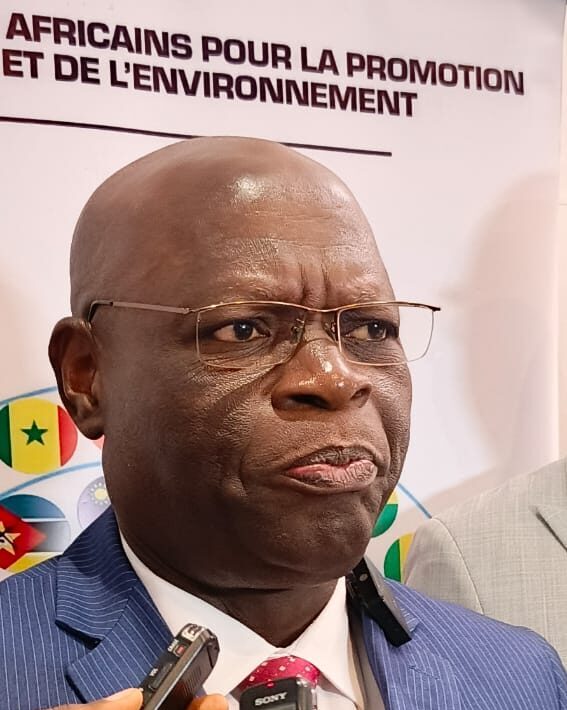
In July 2025, while announcing a partnership between REMAPSEN and Galien Africa, Youssouf said the two organisations aimed to promote health and the environment through experience-sharing and impactful media content, while strengthening journalists’ capacities and supporting research and innovation. 
He also called for media communication to be better integrated into the implementation of health and environmental programmes at national, regional and international levels. 
The partnership with Galien Africa, signed in Dakar, includes joint awareness and advocacy activities, media productions, coverage of major scientific events and capacity-building programmes for journalists. 
A growing continental network
The scale of REMAPSEN has changed significantly since its creation.
By late 2025, the network was reported to have more than 800 media outlets represented across 43 African countries. Another report put the figure at more than 817 media outlets in the same 43 countries. 
The network now brings together media professionals from more than 43 African countries, including Rwanda, creating a continental platform for journalists covering health and environmental issues.
For a continent with different languages, health systems, ecosystems and social realities, such a network can provide journalists with opportunities to exchange experiences and approaches while adapting information to their own communities.
REMAPSEN’s stated vision is that Africans should have access to accurate information on health and environmental issues. Its activities include journalist training, public awareness, media monitoring, conferences, workshops and collaboration with national and international organisations.
Its early publications already described the network as seeking to reduce gaps in public knowledge around health and environmental issues, while using traditional and modern media and partnerships with institutions such as the World Health Organization and UNAIDS. 
Making complex risks understandable
The challenge for health and environmental journalism is not simply the availability of information.
Scientific and technical information is increasingly accessible, but it can be difficult for the public to interpret, particularly when claims spread rapidly online.
That makes the journalist’s role more than that of a messenger. It can involve asking where information comes from, what evidence supports it, what remains uncertain and what the findings mean for people living with the issue.
For REMAPSEN, strengthening that capacity is part of ensuring that the media can contribute more effectively to public health and environmental awareness.
The network’s focus on both areas also reflects the fact that many risks do not remain within a single sector.
A disease outbreak, an environmental contaminant, a changing ecosystem or a climate-related event may begin as separate subjects for specialists. For communities living with their consequences, however, the boundaries can be less clear.
That leaves journalists with a responsibility to help audiences understand not only the health risks they face, but also the environmental conditions that can shape those risks.
For a continental media network built around both health and the environment, that connection remains at the heart of REMAPSEN’s mission.



Related Articles
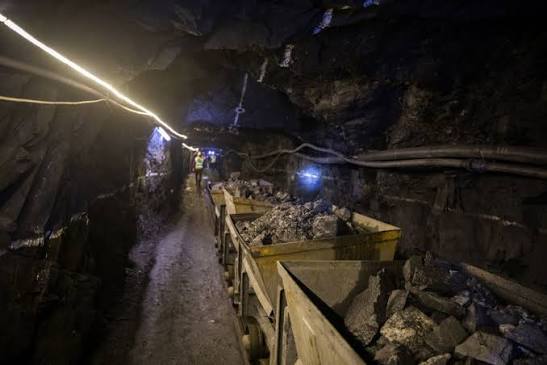
Three Miners Missing After Flooding at Kayonza Mine in Rwanda
Three miners were missing this Sunday after water flooded an underground mine...
Uwimanimpaye Cyiza Marie ClemenceOctober 11, 2026 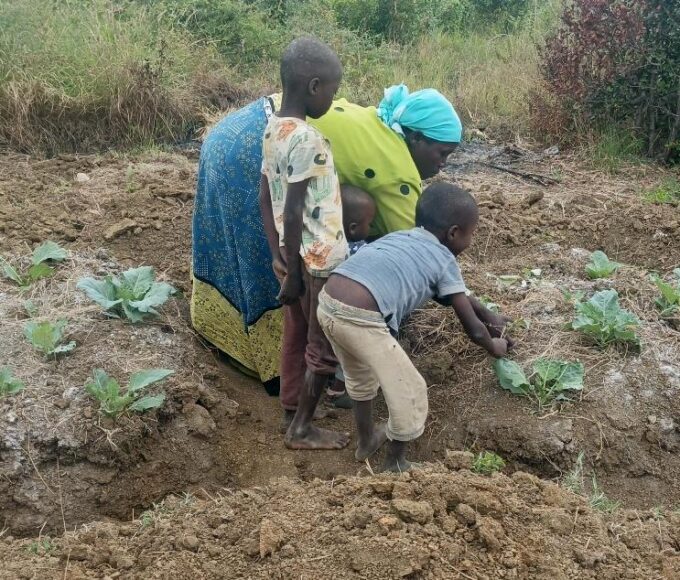
Permagardens offer a new start for drought-hit families in coastal Kenya
By Afia Agyapomaa Ofosu MBUGUNI, Kenya – For families in Mbuguni, a...
Uwimanimpaye Cyiza Marie ClemenceOctober 8, 2026 
Rwanda and Senegal deepen economic ties, with agriculture and standards in focus
KIGALI, Oct. 8, 2026 – Rwanda and Senegal have signed 11 agreements...
Uwimanimpaye Cyiza Marie ClemenceOctober 8, 2026 

Proposed Climate Insurance Could Cushion Rwanda’s Mine Workers Against Rainy-Season Income Losses
A proposed climate insurance scheme could help protect mine and quarry workers...
Uwimanimpaye Cyiza Marie ClemenceSeptember 30, 2026
Leave a comment