



Rwanda: Citizens urged to cultivate all idle land during rainy season
 Uwimanimpaye Cyiza Marie ClemenceNovember 3, 20263 Mins read
By Simon Kamuzinzi
Rwanda’s Ministry of Agriculture and Animal Resources (MINAGRI) is urging residents to take advantage of the ongoing rainy season by cultivating all available idle land as part of efforts to boost domestic food production and ensure adequate food supplies.
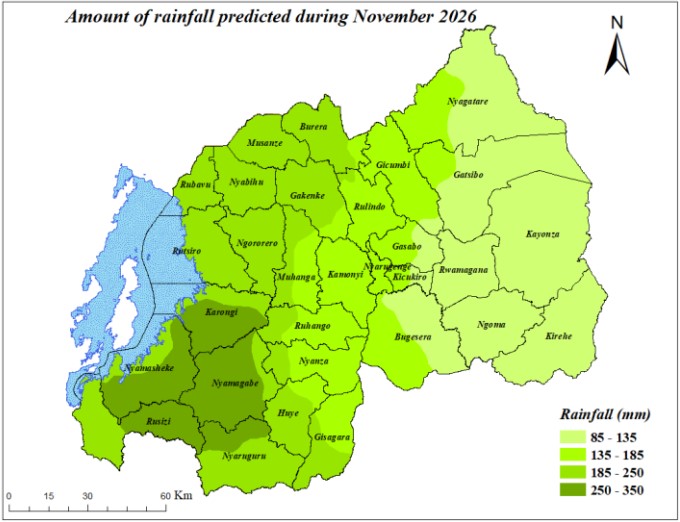
The appeal comes as the Rwanda Meteorology Agency (Meteo-Rwanda) and the Intergovernmental Authority on Development’s Climate Prediction and Applications Centre (ICPAC) forecast above-average rainfall across the country in November 2026.
According to Meteo-Rwanda’s monthly forecast, rainfall this month is expected to range between 85 and 350 millimetres (mm), compared with the usual November average of between 76 and 278mm.
The highest rainfall is expected in the Western, Northern and Southern provinces, particularly in areas around the Nyungwe, Gishwati-Mukura and Volcanoes natural forests, as well as other high-altitude areas. These areas are forecast to receive between 185 and 350mm of rain.
Meanwhile, the Eastern Province, City of Kigali and neighbouring parts of other provinces, including Gicumbi and Rulindo districts, as well as the Mayaga region covering Kamonyi, Muhanga, Ruhango, Nyanza and Gisagara districts, are expected to receive between 85 and 185mm.
MINAGRI and residents say the forecast rainfall presents an important opportunity following an unusually prolonged dry season that lasted from May to October 2026, leaving some communities without a single drop of rain.
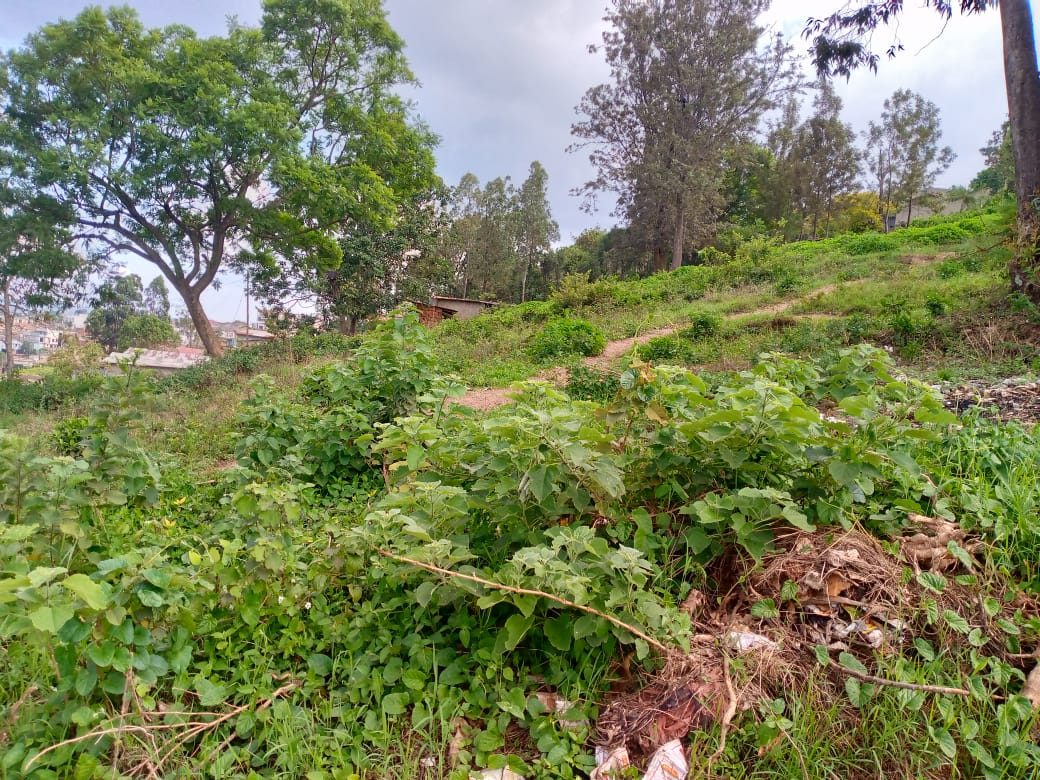
Some residents say their food stocks have nearly run out, prompting them to cultivate every available piece of land they believe can support crop production. However, they are concerned that some landowners are keeping large plots idle while refusing to lend them to people willing to farm.
Uwamahirwe Dative, a resident of Gisozi in Gasabo District, was weeding beans in a small garden next to a large uncultivated plot when she expressed frustration over the situation.
“Wealthy people own this unused land but refuse to lend it to us so that we can grow food. I do not understand why. I used to harvest enough beans from the plot to fill a 100-kilogramme sack,” she said.
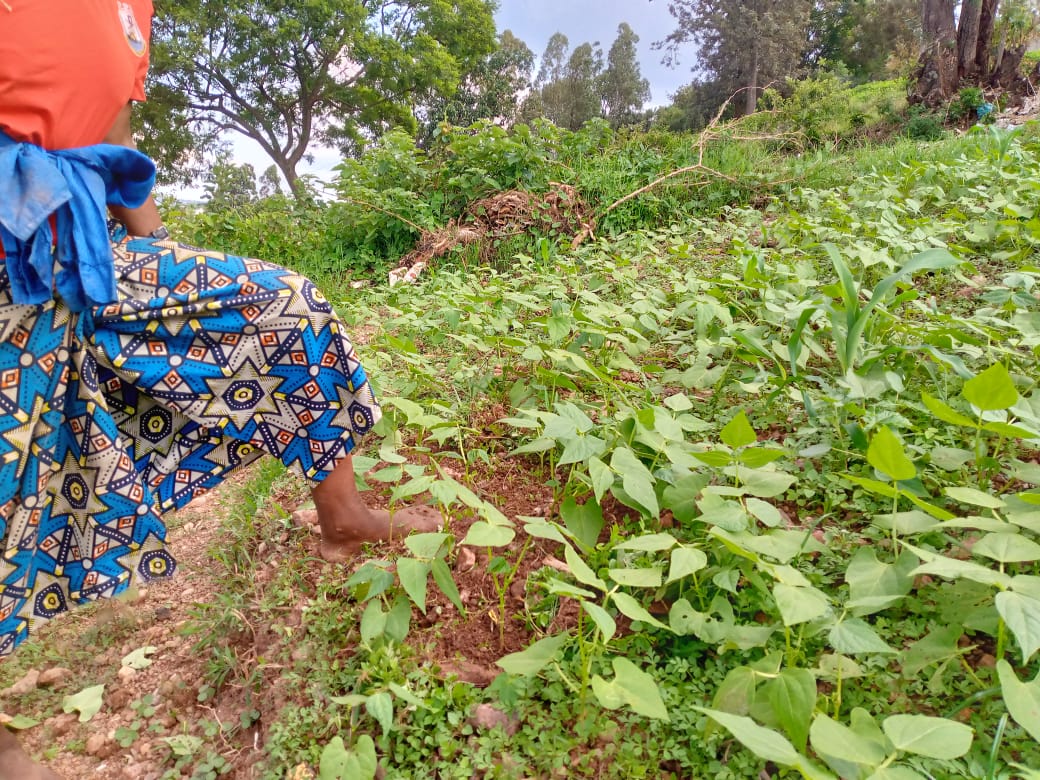
She appealed to landowners to allow people to temporarily cultivate their unused plots, even if they intend to develop them in the near future.
“If we had somewhere to cultivate, we would grow food. Let them lend us these plots so we can farm them. When they are ready to start construction, we will gladly hand the land back. But these plots should not remain covered in bushes while people are hungry and have nothing to eat,” she said.
Uwamahirwe expects locally grown leafy vegetables, including amaranth and bean leaves(known as umushogoro), to become available within a week. However, she also called on the government to help reduce the prices of other food commodities.
“Complementing foods are still expensive. We can only afford them if we are lucky enough to find potatoes, cassava, sweet potatoes, rice and other food products at lower prices,” she added.
Government calls for temporary use of idle land
MINAGRI spokesperson, Eugène Kwibuka, said one of the government’s strategies to increase food production is to ensure that all land that can be cultivated is put to productive use, including plots reserved for future construction.
“Why should that land remain uncultivated? What we are asking is that even if the land does not belong to you, you should approach the owner and ask to borrow it so that you can grow crops. Even where someone intends to construct a building in the future, they can lend the land to another person to grow short-maturing crops until construction begins. We should develop a culture of lending and sharing farmland so that everyone can have enough food,” Kwibuka said.
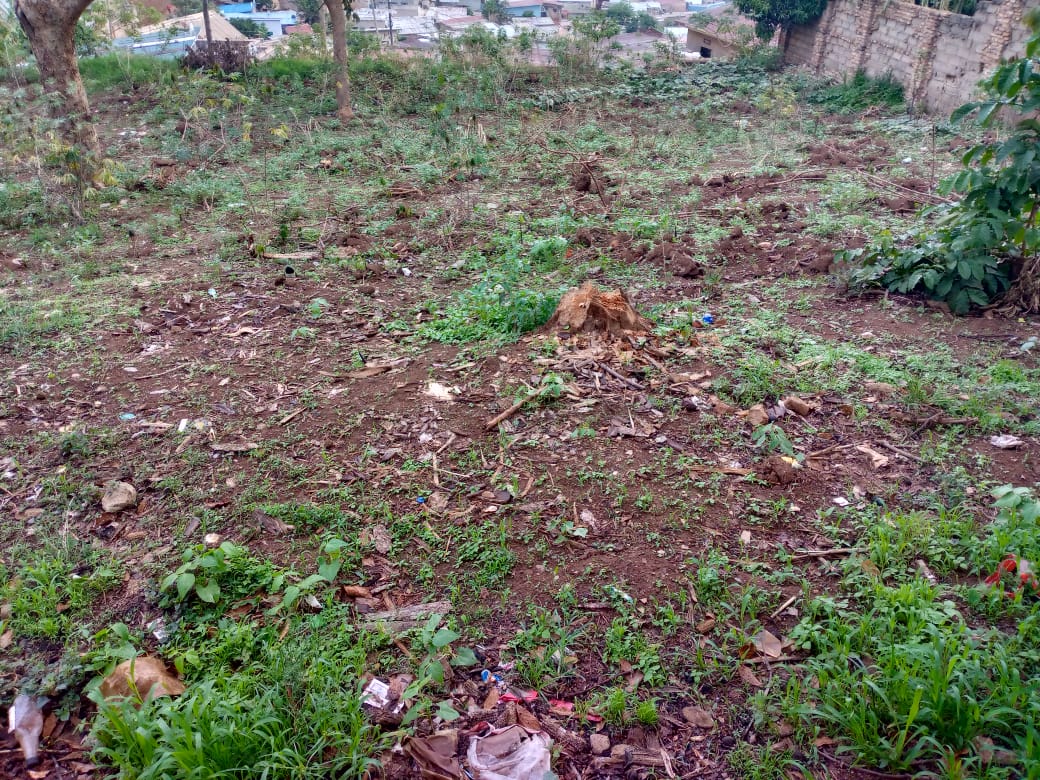
He also stressed that making the most of available land requires proper soil and water conservation practices.
He said hillside farms should have erosion-control structures planted with grasses, alongside agroforestry trees that can provide fodder for livestock. In valleys and wetlands, drainage channels should be cleared to prevent flooding from damaging agricultural land.
Facing a significant food supply gap
Rwanda still faces a considerable gap between food availability and the amount needed to meet the population’s consumption requirements, partly due to insufficient efforts to maximise domestic food production.
Beans provide one example of this challenge.
Data from MINAGRI, the Food and Agriculture Organization (FAO) and the National Institute of Statistics of Rwanda (NISR-Seasonal Agricultural Survey 2025) indicate that bean production during the 2025/2026 agricultural year, covering Seasons A, B and C, exceeded 474 million kilogrammes.
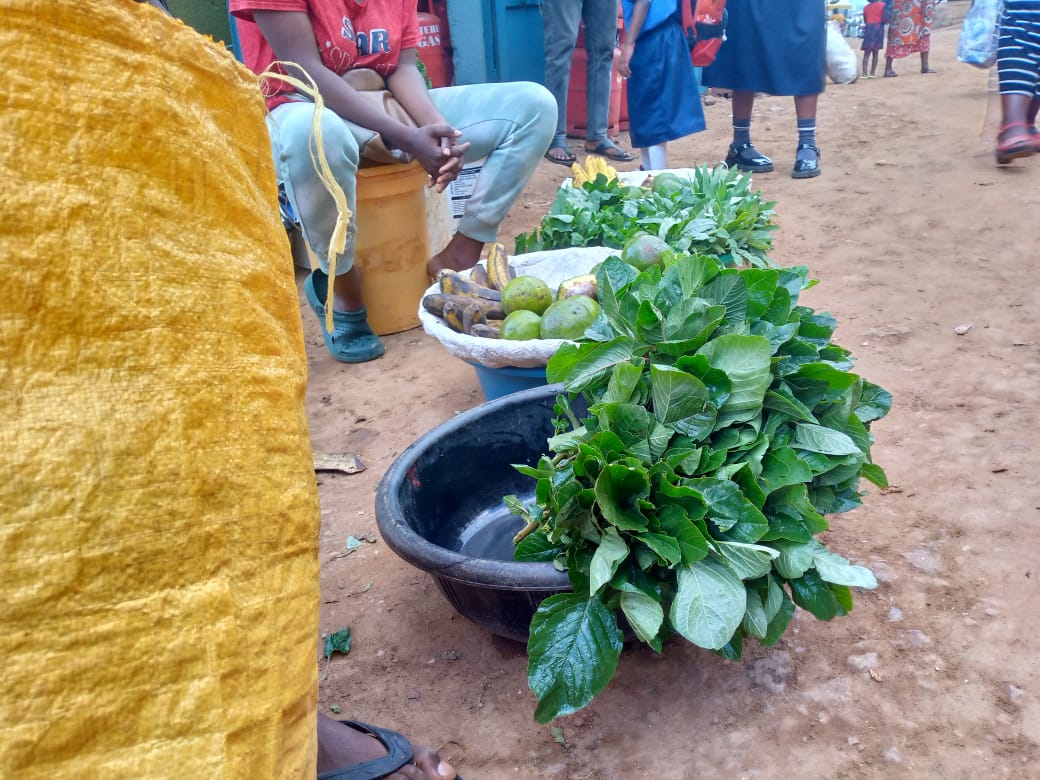
This harvest was intended to supply a population of approximately 14 million people throughout the year.
Based on these figures, the available bean production translates into approximately 33kg per person annually, equivalent to about 2.75kg per month.
However, the estimated annual bean requirement is 59kg per person, suggesting a shortfall of approximately 26kg per person each year.
This points to a substantial gap between domestic bean production and the estimated amount needed to meet the population’s annual consumption requirements.


Related Articles
Africa’s cooling actors gather in Kigali ahead of Kigali Amendment’s 10th Anniversary
By Simon Kamuzinzi Africa’s actors in refrigeration are meeting in Kigali for...
Uwimanimpaye Cyiza Marie ClemenceOctober 30, 2026 
Rwanda hosts global symposium on open-source solutions for energy access
Rwanda is hosting an international symposium bringing together policymakers, researchers, energy companies,...
Uwimanimpaye Cyiza Marie ClemenceOctober 27, 2026 
Three Miners Missing After Flooding at Kayonza Mine in Rwanda
Three miners were missing this Sunday after water flooded an underground mine...
Uwimanimpaye Cyiza Marie ClemenceOctober 11, 2026 

Permagardens offer a new start for drought-hit families in coastal Kenya
By Afia Agyapomaa Ofosu MBUGUNI, Kenya – For families in Mbuguni, a...
Uwimanimpaye Cyiza Marie ClemenceOctober 8, 2026
Leave a comment