


Gishwati-Mukura: Communities find economic opportunities in protecting Rwanda’s biodiversity
 Uwimanimpaye Cyiza Marie ClemenceNovember 6, 20267 Mins read
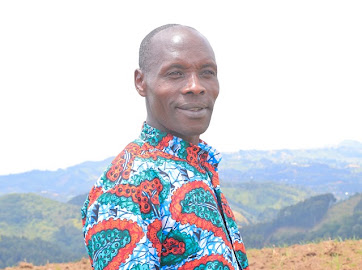
RUTSIRO, Rwanda – For Hakizimana Théoneste, a beekeeper living near Gishwati-Mukura, protecting the forest is closely connected to the productivity of his hives, livestock and farmland.
The forest, he says, supports environmental conditions that benefit his daily activities, from the availability of flowering plants for bees to the vegetation that sustains livestock.
“When bees pollinate flowers, they help other plants grow. This means more vegetation for our livestock, while some of these plants also help keep our agricultural land productive,” said Hakizimana, a member of the COAPIRU beekeeping cooperative in Rutsiro District.
His experience reflects the growing recognition among communities surrounding Gishwati-Mukura that protecting natural ecosystems can also support livelihoods.
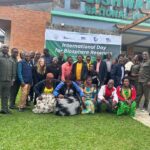
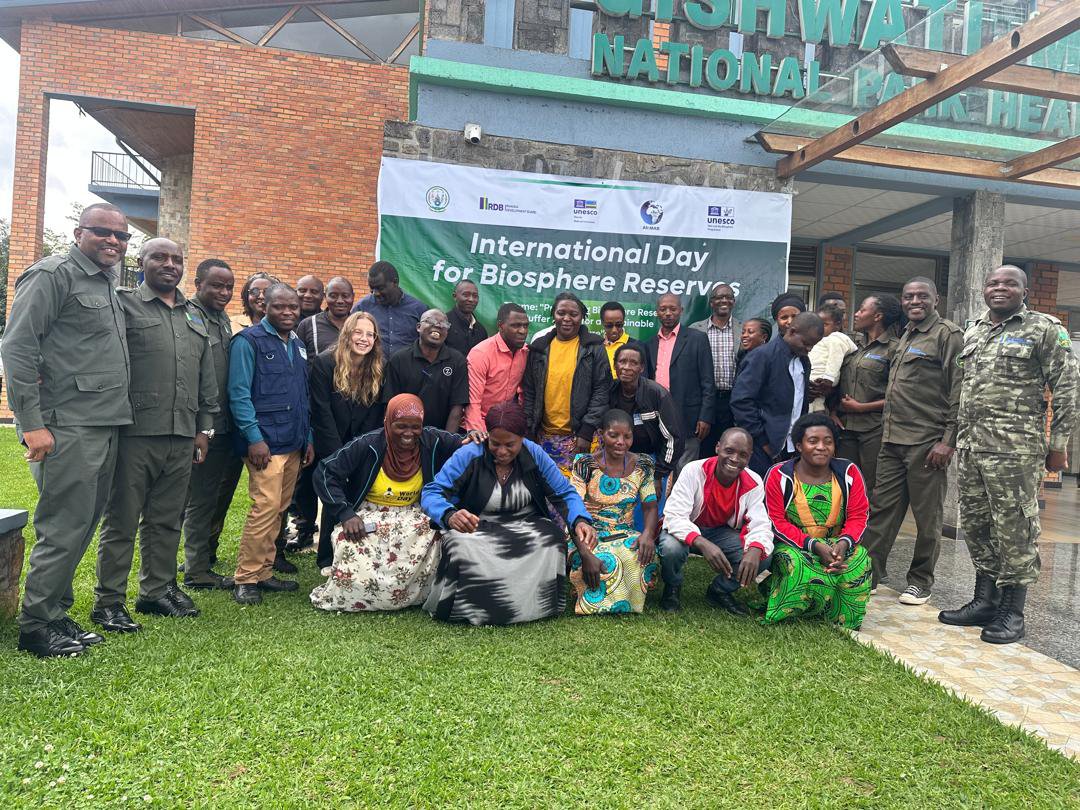
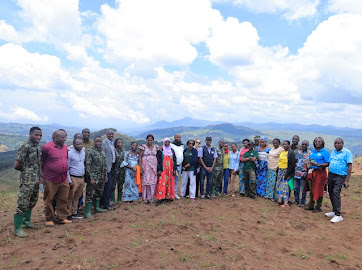
That relationship between conservation and community development was at the centre of Rwanda’s celebrations of the International Day for Biosphere Reserves, held on November 3-4, 2026, in Gishwati-Mukura, in the country’s Western Province.
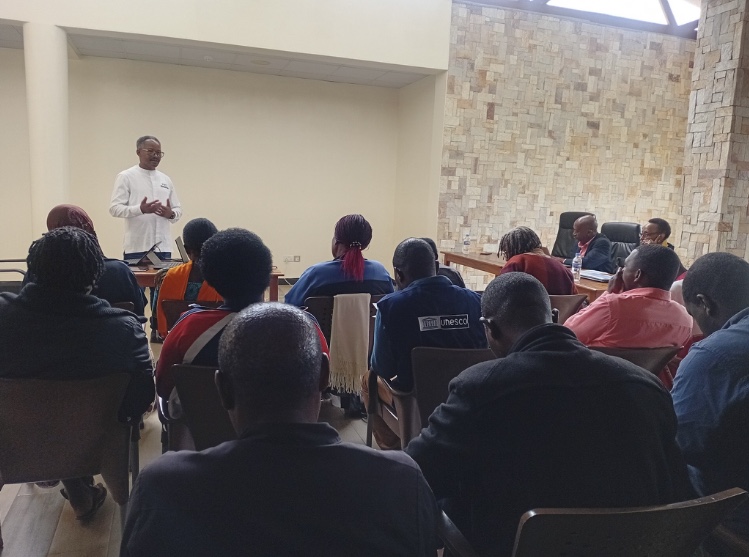
The event brought together conservation officials, local authorities, community representatives and residents to discuss the importance of protecting biodiversity while ensuring that people living around the reserve benefit from its conservation.
Recognised by UNESCO in October 2020, the Gishwati-Mukura Biosphere Reserve forms part of the Albertine Rift, a region known for its rich biodiversity. The landscape comprises two forests, Gishwati and Mukura, which were brought together under Gishwati-Mukura National Park in 2016.
From forest degradation to restoration
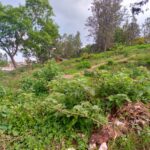
The history of Gishwati-Mukura illustrates the consequences of human pressure on natural ecosystems and the challenges of restoring degraded landscapes.
According to Anaclet Budahera, Director of Gishwati-Mukura Biosphere Reserve, Gishwati forest experienced extensive degradation over the years as a result of human activities, leading to the loss of forest cover and a decline in wildlife populations.
At one point, he said, the remaining forest had been reduced to approximately seven square kilometres.
The government subsequently introduced restoration measures, including replanting trees, relocating residents from sensitive areas and identifying alternative places where they could settle and pursue economic activities.
The restoration efforts eventually contributed to the establishment of Gishwati-Mukura National Park, which was later recognised by UNESCO as a biosphere reserve.
For Budahera, the reserve’s importance goes beyond protecting trees and wildlife. It also provides environmental benefits to communities, particularly those whose livelihoods depend on agriculture and other natural resources.
He said a healthy forest helps communities cope with climate-related challenges, including extreme temperatures and increasingly difficult weather conditions that can affect agricultural production.
Beyond these environmental benefits, he said, conservation is also creating economic opportunities through tourism, agricultural activities, livestock-related experiences and beekeeping.
More than 1.4 billion Rwandan francs have been channelled towards community development in Rutsiro District through initiatives associated with the reserve and tourism, Budahera said.
Residents, particularly young people, have increasingly organised themselves into cooperatives and developed businesses linked to the landscape.
Some initiatives involve agricultural tourism, including tea and coffee production, while others focus on livestock keeping and cultural experiences.
Visitors can explore cattle farms, observe milking activities and experience traditional practices associated with Rwanda’s pastoral heritage, including cattle songs, traditional instruments and other cultural performances.
Beekeeping is another activity through which communities are benefiting from the surrounding ecosystem.
Budahera said bees forage in the reserve, while honey is harvested and processed outside the protected area, allowing residents to develop businesses around honey production and related products.
He said such initiatives were helping change how communities perceive the forest.
In the past, some residents participated in activities that damaged the protected area, including tree cutting, livestock grazing and illegal mining. Increasingly, however, some are joining cooperatives and participating in conservation-related economic activities.
“We want the resident to become a conservationist of Gishwati-Mukura,” he said, explaining that education, awareness campaigns and information-sharing were helping communities recognise the benefits of protecting the landscape.
A forest’s value beyond its trees
For Dr Christine Gasingirwa, chairperson of the Rwanda National Commission for UNESCO, the importance of biosphere reserves lies in the interconnectedness of the natural systems that sustain life.
Speaking during the interview, she explained that the Kinyarwanda expression “Icyanya Gikomye” refers to an area whose use or access is restricted because it is considered valuable.
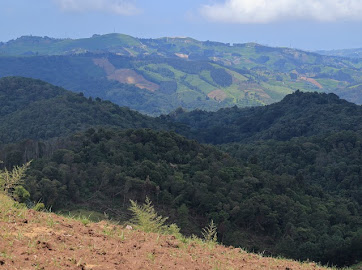
She said protected areas are designated to conserve the environment and biodiversity while maintaining the natural conditions that allow ecosystems to function.
“A biosphere is a place where life exists,” she said, describing how soil, vegetation, animals, people and the atmosphere interact.
Healthy soil provides plants with the nutrients they need to grow, while people and livestock depend on those plants for food. Forests also contribute to environmental regulation, provide habitats for wildlife and supply resources used by communities.
Gasingirwa warned that inappropriate land-use practices can lead to environmental degradation, including soil erosion that removes productive land.
She also highlighted the importance of preserving different habitats because species depend on specific environmental conditions.
The wildlife found in Akagera National Park, for example, is not necessarily the same as that found in Gishwati-Mukura because the ecosystems and environmental conditions differ.
Protecting a biosphere reserve therefore means maintaining the natural characteristics that allow its particular biodiversity to survive.
Farmers and beekeepers see conservation benefits
For residents living around the reserve, the importance of conservation is closely linked to their daily activities.
Dusabemariya Christine, a farmer and beekeeper who lives in Kigeyo Sector, belongs to the CODACE beekeeping cooperative. She also grows beans, sweet potatoes, cassava, bananas and other crops.
She said her agricultural and beekeeping activities sustain her household, while protecting the surrounding environment contributes to people’s well-being.
“My farming and daily activities are important because they provide for me and my family. What we are celebrating today is also important because it helps us breathe cleaner air,” she said.
She described the reserve as part of the natural environment that residents should help protect alongside the government.
She also believes that awareness of the forest’s importance has grown through television, social media and other information channels, allowing people to understand how Gishwati attracts tourists and creates opportunities for surrounding communities.
For Hakizimana, conservation also has practical implications for farming and livestock keeping.
He said the forest contributes to favourable environmental conditions, including rainfall and cooler temperatures, while the plants supported by the ecosystem provide resources for bees and livestock.
He also warned that activities such as illegal mining, hunting, uncontrolled grazing and cutting trees for firewood could have consequences extending beyond the protected area.
“When people enter the forest to hunt, they kill the animals that attract tourists. When they go there to collect firewood, they damage the environment and contribute to land degradation,” he said.
He added that illegal mining can accelerate soil erosion and affect water sources downstream, including the Sebeya River and other streams.
The resulting erosion and gullies, he warned, can damage land and threaten communities living further downstream.
“These activities must stop because they affect the living organisms in the forest, but they also affect us and can have consequences far beyond the forest,” he said.
Local authorities push for community participation
Local government officials from sectors surrounding Gishwati-Mukura said community awareness and economic incentives were important in encouraging residents to participate in conservation.
Bisangabagabo Silvestre, executive secretary of Mushonyi Sector, said forests provide environmental benefits, including clean air and support for rainfall, while tourism creates opportunities for community development.
He highlighted Rwanda’s tourism revenue-sharing programme, through which part of the revenue generated from national park tourism is allocated to projects benefiting surrounding communities.
These investments, he said, include housing for vulnerable residents, access to water and health facilities, alongside support for cooperatives involved in activities such as beekeeping and agriculture.
Silvestre said illegal activities were no longer common in his sector, although some incidents continued to occur in other areas, particularly around locations where minerals are found.

He attributed the progress partly to years of awareness campaigns involving park management, the Rwanda Development Board and other conservation-related initiatives.
Residents had gradually come to understand the importance of protecting the forest, he said, adding that education efforts had been taking place for more than a decade.
Ntihinyuka Janvier, executive secretary of Ruhango Sector, said biosphere reserves were increasingly important as communities faced the effects of climate change.
He said forests and other protected ecosystems helped maintain environmental balance and could reduce some of the risks associated with irregular rainfall, including destructive weather events.
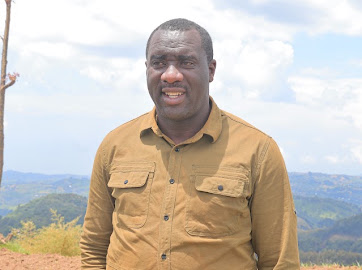
Niyodusenga Jules, executive secretary of Kigeyo Sector, said the celebrations had also helped local leaders better understand the purpose of biosphere reserves and their responsibilities in communicating conservation benefits to residents.
He said communities had started benefiting from tourism-related investments, including health facilities, housing for vulnerable households and water infrastructure.
Jules acknowledged that some residents had previously entered the forest to collect firewood, make charcoal or graze livestock.
However, he said awareness campaigns had significantly reduced such incidents in his sector.
“We can sometimes go a whole month without seeing someone entering the park to collect firewood or graze livestock,” he said, attributing the change to increased community awareness.
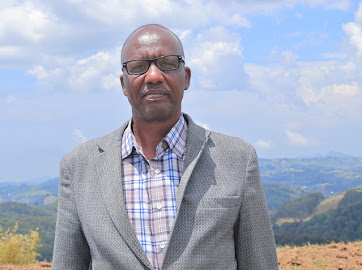
Education over enforcement
Despite the progress, illegal activities remain a concern for reserve management and local authorities.
Budahera acknowledged that a small number of residents still engage in activities that damage the protected area, particularly illegal mining.
However, he said management prioritises education and behavioural change rather than relying exclusively on arrests.
Those involved come from different backgrounds and age groups, including young people, children below 18, women and men.
The first step, he said, is to explain why the reserve matters, the benefits communities can obtain from its protection and the opportunities available through sustainable economic activities.
“We want people to change their behaviour rather than simply arrest them,” he said.
Kamayirese Innocent, environment officer at Rutsiro District, said the district works with the Rwanda Development Board to address activities that threaten the reserve.
These include illegal mining, livestock grazing and collecting firewood from the protected area.
He said the district’s primary approach is community mobilization and awareness-raising, explaining both the benefits of conservation and the potential consequences of losing the forest.
Kamayirese warned that a return to uncontrolled forest exploitation could bring back environmental problems experienced in the past, including soil erosion and landslides.
He said protecting Gishwati-Mukura benefits both the environment and the communities living around it, particularly through biodiversity conservation, tourism and infrastructure development.
UNESCO’s biosphere reserve framework recognises this relationship between conservation and sustainable development. In Gishwati-Mukura, 10% of tourism revenue generated in the national park’s core area is allocated to community development projects.
As Rwanda marked the International Day for Biosphere Reserves, the experiences shared by farmers, beekeepers and local leaders highlighted how the future of Gishwati-Mukura is increasingly linked to the participation of surrounding communities.
For people such as Dusabemariya and Hakizimana, protecting the forest is not simply an environmental responsibility. It is also connected to the land they cultivate, the bees they keep, the livestock they raise and the livelihoods they hope to sustain.
The challenge now is to ensure that the economic opportunities created by conservation continue to reach local communities while safeguarding the ecosystems on which those opportunities depend.


Related Articles
Rwanda: Citizens urged to cultivate all idle land during rainy season
By Simon Kamuzinzi Rwanda’s Ministry of Agriculture and Animal Resources (MINAGRI) is...
Uwimanimpaye Cyiza Marie ClemenceNovember 3, 2026 
Africa’s cooling actors gather in Kigali ahead of Kigali Amendment’s 10th Anniversary
By Simon Kamuzinzi Africa’s actors in refrigeration are meeting in Kigali for...
Uwimanimpaye Cyiza Marie ClemenceOctober 30, 2026 
Rwanda hosts global symposium on open-source solutions for energy access
Rwanda is hosting an international symposium bringing together policymakers, researchers, energy companies,...
Uwimanimpaye Cyiza Marie ClemenceOctober 27, 2026 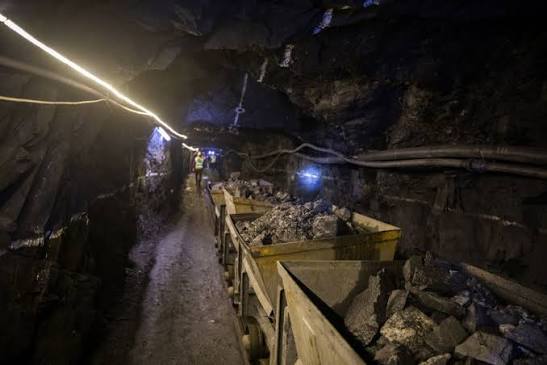

Three Miners Missing After Flooding at Kayonza Mine in Rwanda
Three miners were missing this Sunday after water flooded an underground mine...
Uwimanimpaye Cyiza Marie ClemenceOctober 11, 2026
Leave a comment