



Rwanda eyes $12 billion to boost climate resilience and early warning systems
 Uwimanimpaye Cyiza Marie ClemenceJune 4, 20262 Mins read
Rwanda will need an estimated $12 billion by 2035 to implement its updated climate action plan, with a strong focus on strengthening climate resilience, improving early warning systems and addressing losses caused by increasingly severe weather events.
The financing requirement is outlined in the country’s Nationally Determined Contribution (NDC 3.0), Rwanda’s latest climate commitment under the Paris Agreement, which seeks to enhance adaptation measures while reducing greenhouse gas emissions.
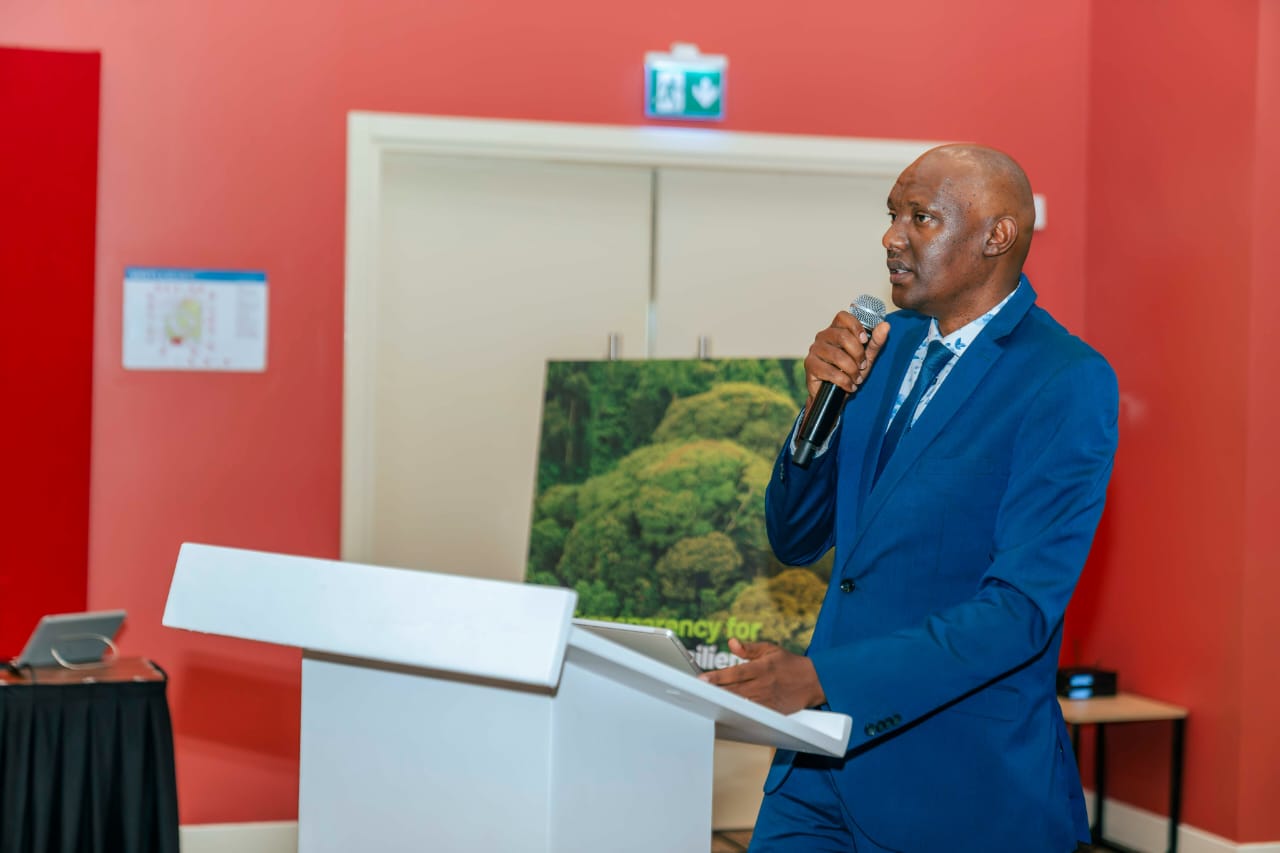
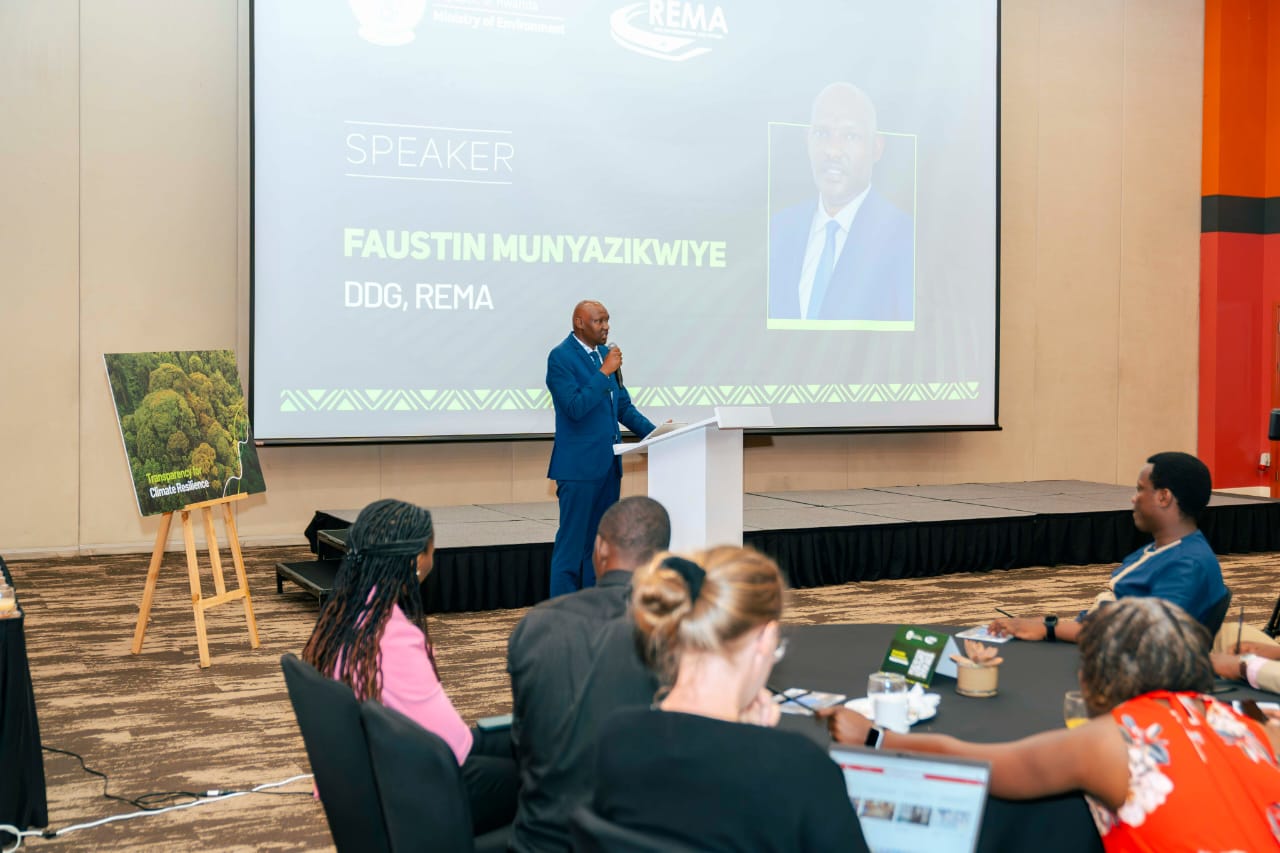
Speaking at the Environment & Climate Talk, Rwanda Environment Management Authority (REMA) Deputy Director General Faustin Munyazikwiye said climate change and biodiversity loss continue to threaten sustainable development, with growing climate variability affecting livelihoods, ecosystems, infrastructure and economic growth.
He noted that Rwanda has made significant progress in climate action and biodiversity conservation through several key initiatives, including the Biennial Transparency Report (BTR), NDC 3.0, the Climate Change Vulnerability Impact Assessment (CCVIA), and the National Biodiversity Strategy and Action Plan (NBSAP).
“These reports are not just for international obligations; they are the foundation of informed decisions and sustainable development,” Munyazikwiye said.
According to figures presented during the event, implementation of NDC 3.0 will require $12 billion by 2035. Of the total financing needs, 82% is expected to come from conditional measures requiring external support, while 18% will be financed through unconditional measures supported by domestic resources.
The funding plan prioritizes adaptation, with 60% of the resources earmarked for efforts to strengthen resilience to climate impacts. The remaining 40% will be directed toward mitigation measures aimed at reducing emissions and supporting low-carbon development.
As climate-related disasters continue to test the country’s adaptive capacity, Rwanda’s updated climate strategy incorporates measures to address loss and damage associated with climate change. The plan seeks to position the country to access financing from the global Loss and Damage Fund through the Rwanda Green Fund.
A key pillar of the strategy is the enhancement of early warning systems through the use of emerging technologies such as Artificial Intelligence (AI) and Geographic Information Systems (GIS). Authorities say improved forecasting and risk-monitoring tools will help communities and institutions better prepare for floods, droughts, landslides and other climate-related hazards.
The strategy also calls for greater collaboration with international networks to strengthen risk assessments, insurance solutions, resilient development planning and early warning mechanisms.
Munyazikwiye said Rwanda has demonstrated strong leadership in environmental and climate governance through long-term frameworks such as Vision 2050, the National Strategy for Transformation (NST), and the Green Growth and Climate Resilience Strategy, as well as commitments under the Paris Agreement and the Convention on Biological Diversity.
He emphasized the importance of evidence-based planning in building resilience to climate change.
“You can’t build resilience if you don’t know your vulnerability. Data must guide climate action, planning and investment,” he said.
Munyazikwiye added that achieving the country’s climate and biodiversity goals will require collective action from government institutions, local authorities, development partners, the private sector, civil society organizations, academia and communities.
He said broad collaboration will be critical to ensuring Rwanda successfully implements its climate commitments while protecting vulnerable populations and sustaining economic growth in the face of mounting climate risks.






Related Articles
Three Miners Missing After Flooding at Kayonza Mine in Rwanda
Three miners were missing this Sunday after water flooded an underground mine...
Uwimanimpaye Cyiza Marie ClemenceOctober 11, 2026 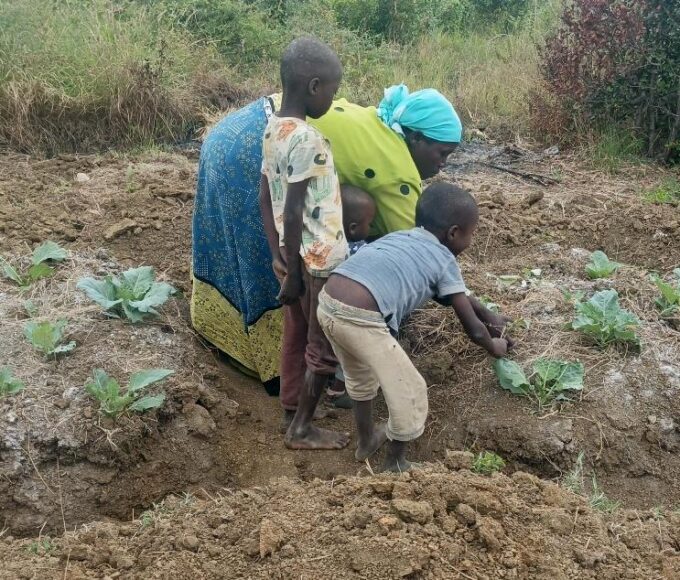
Permagardens offer a new start for drought-hit families in coastal Kenya
By Afia Agyapomaa Ofosu MBUGUNI, Kenya – For families in Mbuguni, a...
Uwimanimpaye Cyiza Marie ClemenceOctober 8, 2026 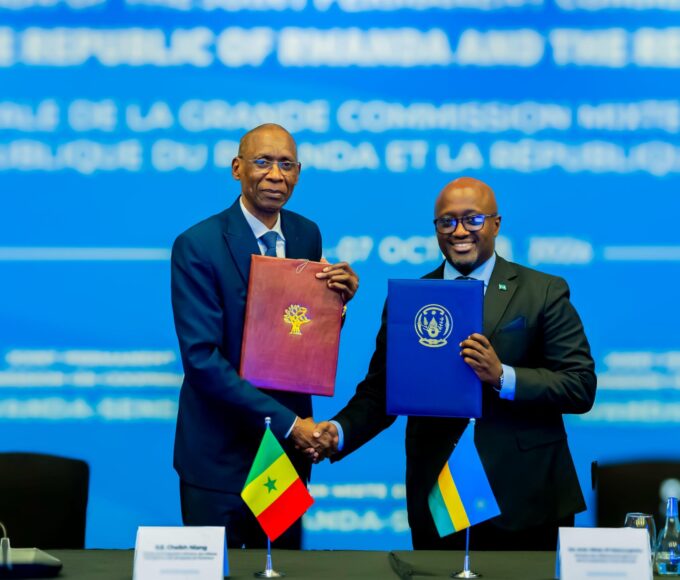
Rwanda and Senegal deepen economic ties, with agriculture and standards in focus
KIGALI, Oct. 8, 2026 – Rwanda and Senegal have signed 11 agreements...
Uwimanimpaye Cyiza Marie ClemenceOctober 8, 2026 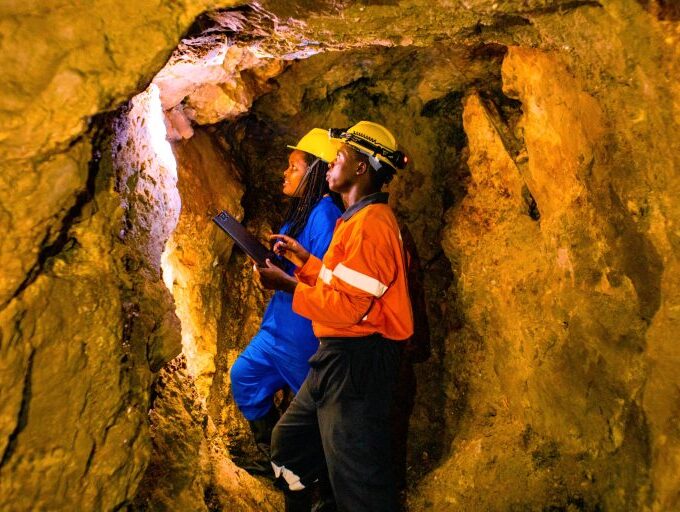

Proposed Climate Insurance Could Cushion Rwanda’s Mine Workers Against Rainy-Season Income Losses
A proposed climate insurance scheme could help protect mine and quarry workers...
Uwimanimpaye Cyiza Marie ClemenceSeptember 30, 2026
Leave a comment