


REMAPSEN webinar highlights Africa’s challenges in shifting global health landscape
 Uwimanimpaye Cyiza Marie ClemenceJune 6, 20262 Mins read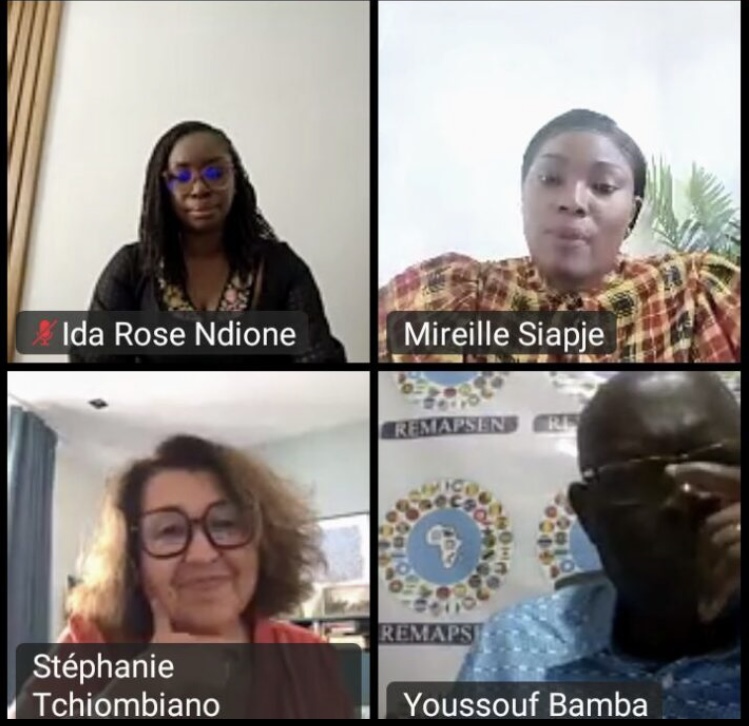
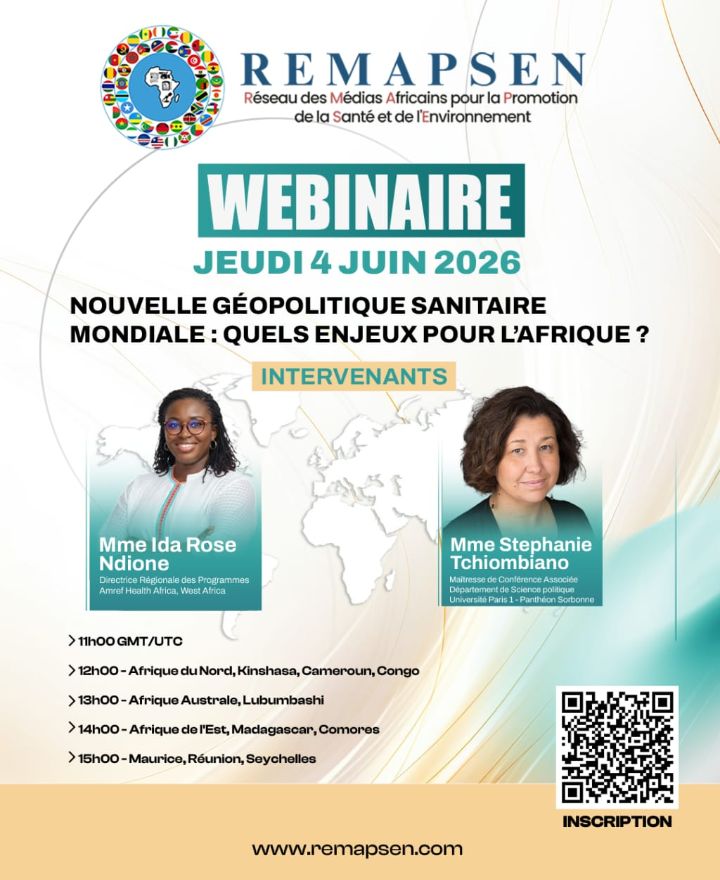
KIGALI, June 4 (REMAPSEN) – The African Media Network for Health and Environmental Promotion (REMAPSEN) on Thursday hosted a webinar examining how changes in global health governance could affect Africa, as experts called for stronger representation, financing and health sovereignty across the continent.
The online discussion, themed “The New Global Health Geopolitics: What Is at Stake for Africa?”, brought together health and political science specialists to assess the implications of a rapidly evolving international health order.
Among the speakers were Ida Rose Ndione, Regional Program Director for West Africa at Amref Health Africa, and Stéphanie Tchiombiano, Associate Lecturer in Political Science at Paris 1 Panthéon-Sorbonne University.
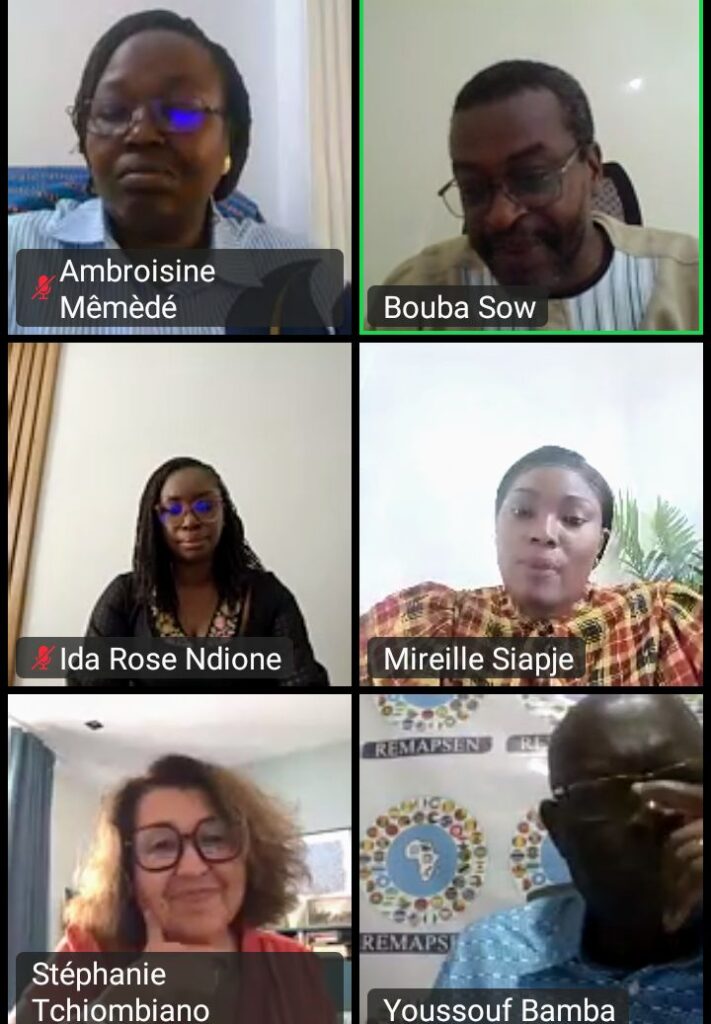
Opening the session, moderator Ambroisine Mêmèdé, Director of Savoir News, said Africa was facing critical choices as geopolitical shifts reshape global health governance. She pointed to the rise of new health powers, growing pressure on multilateral institutions and lessons from recent global crises as factors influencing the continent’s future role in international health affairs.
Discussion focused on issues including access to vaccines and essential medicines, sustainable health financing, governance reforms and Africa’s participation in global decision-making processes.
Tchiombiano said health challenges were increasingly interconnected and required collective responses, particularly as countries negotiate a future international pandemic agreement.
She said African states continue to face obstacles related to financing, access to health products and representation in global institutions, while demographic trends make these issues increasingly urgent.
Africa is projected to account for nearly 37% of the world’s population by 2100, she noted, arguing that global health strategies must adapt to reflect the continent’s growing demographic and economic importance.
The webinar also examined the impact of climate change and humanitarian crises on public health systems, with speakers warning that mounting global challenges require stronger adaptation policies and international cooperation.
A significant part of the discussion focused on the future of the World Health Organization (WHO) following the United States’ withdrawal from the agency in January 2026.
According to Tchiombiano, Washington justified its decision by citing concerns over the WHO’s governance structure, its financial model and its response to the COVID-19 pandemic.
The departure of the United States, historically one of the WHO’s largest contributors, has created financial pressures for the agency and raised broader questions about the future of multilateral cooperation in global health.
“The strength of multilateralism lies in broad and universal participation,” Tchiombiano said. “When major powers withdraw, the effectiveness and legitimacy of global health governance are inevitably weakened.”
In closing remarks, REMAPSEN President Bamba Youssouf praised the participation of network members and announced plans for a Media Forum to be held in Ghana in October 2026.
The webinar underscored REMAPSEN’s efforts to position African media at the center of discussions on global health policy, while amplifying the continent’s voice in debates shaping the future of international health governance.



Related Articles
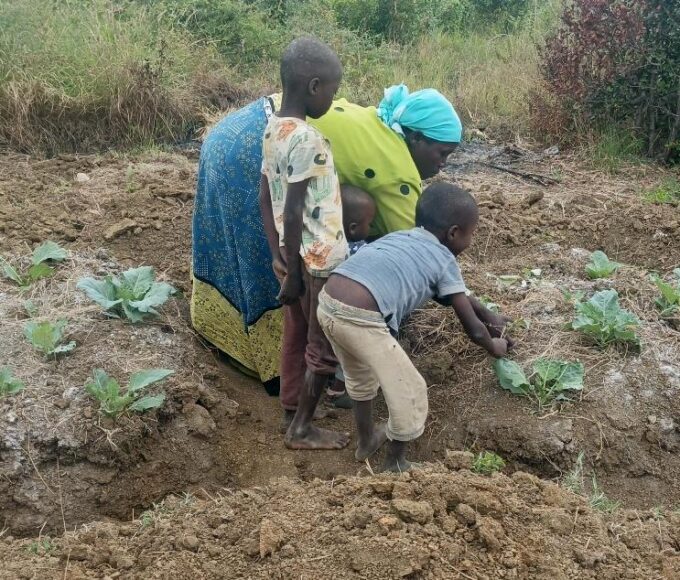
Permagardens offer a new start for drought-hit families in coastal Kenya
By Afia Agyapomaa Ofosu MBUGUNI, Kenya – For families in Mbuguni, a...
Uwimanimpaye Cyiza Marie ClemenceOctober 8, 2026 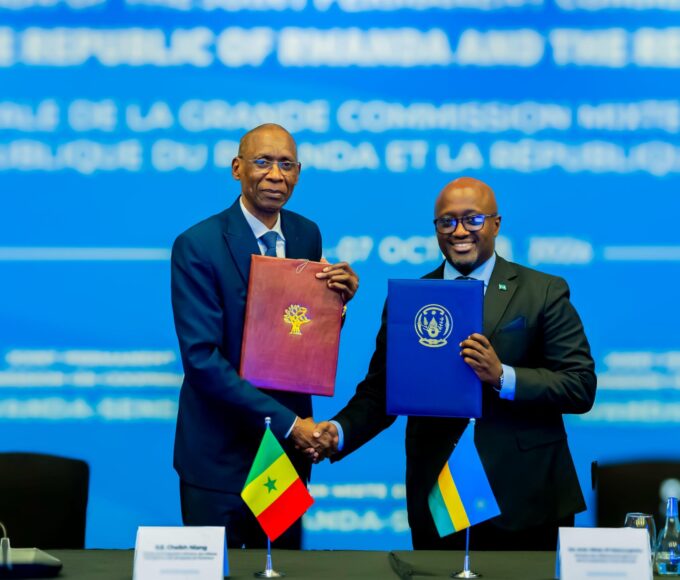
Rwanda and Senegal deepen economic ties, with agriculture and standards in focus
KIGALI, Oct. 8, 2026 – Rwanda and Senegal have signed 11 agreements...
Uwimanimpaye Cyiza Marie ClemenceOctober 8, 2026 
ACE4Food: Helping Rwanda’s agri-food SMEs turn circular ideas into business opportunities
For Kayitesi Grace, circular economy is not a concept she only heard...
Uwimanimpaye Cyiza Marie ClemenceSeptember 25, 2026 

REMAPSEN: Building a bridge between health, environmental information and African communities
When a disease begins to spread, a water source becomes contaminated or...
Uwimanimpaye Cyiza Marie ClemenceSeptember 25, 2026
Leave a comment