

Rwanda Launches Practical Exams Aimed at Building Skills for Community and Environmental Solutions
 Uwimanimpaye Cyiza Marie ClemenceJune 3, 20263 Mins read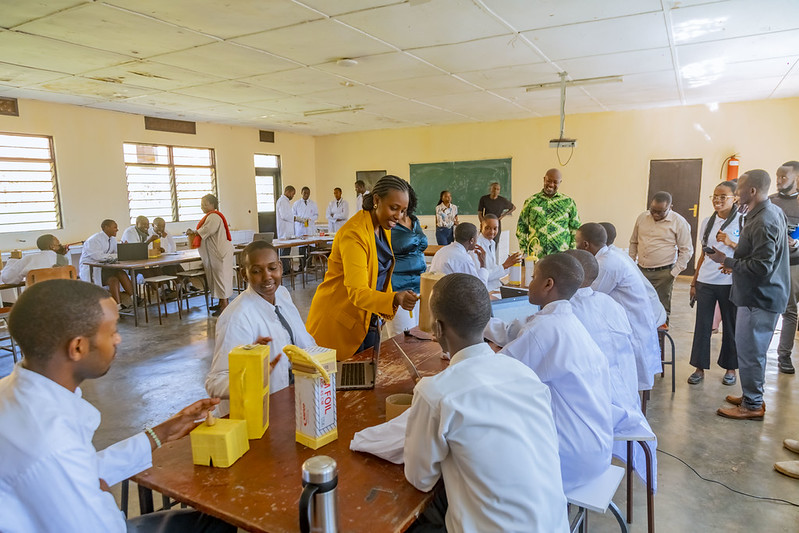
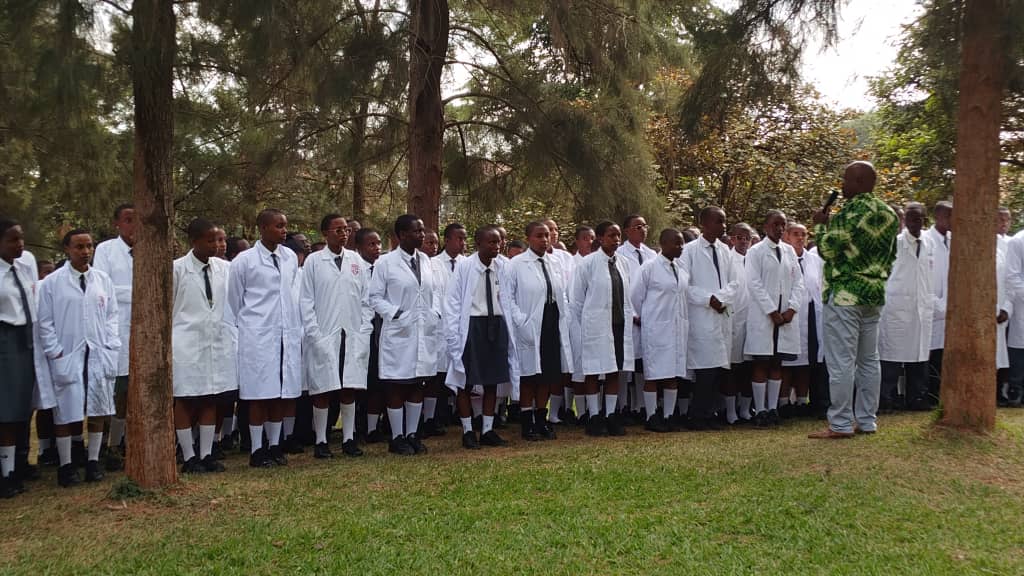
KIGALI, Rwanda – Rwanda’s Ministry of Education has officially launched the 2025/2026 practical national examinations for secondary school finalists, highlighting their role in equipping students with the skills needed to solve real-world challenges and apply classroom knowledge beyond the school environment.
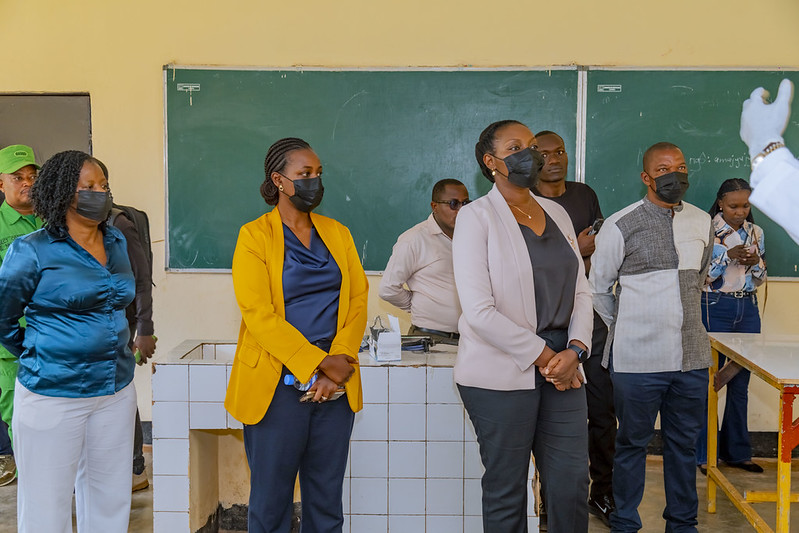
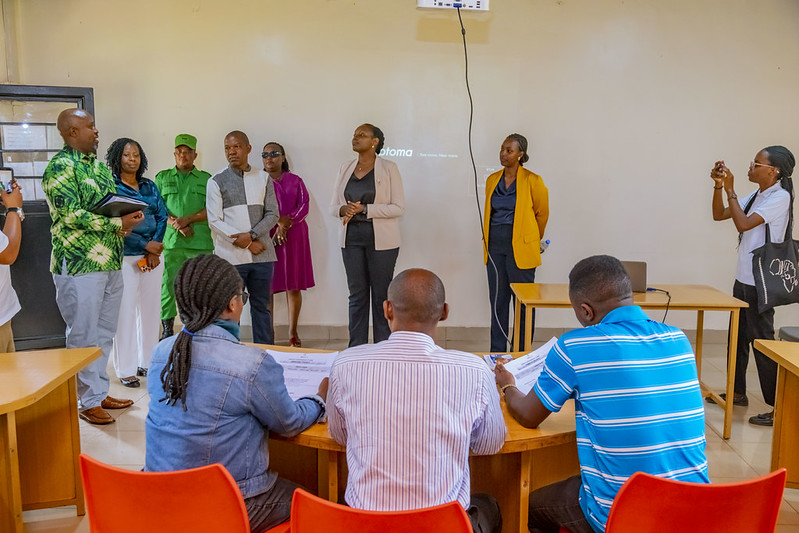
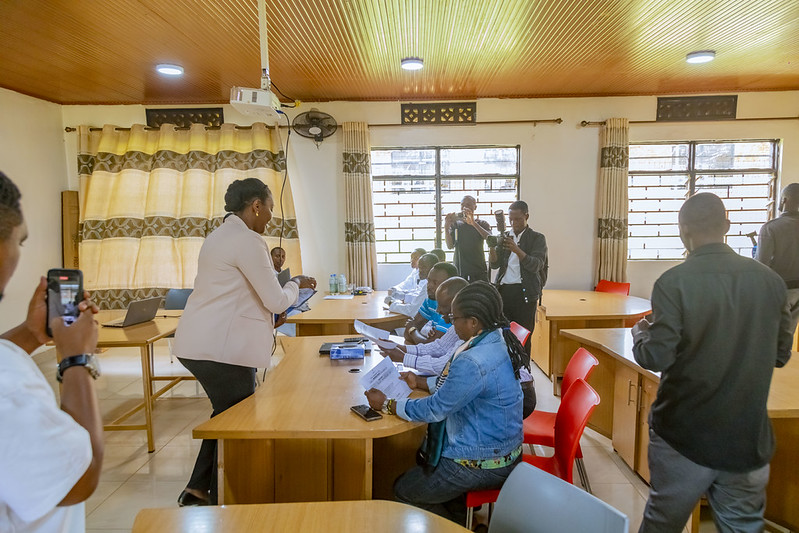
The examinations were launched at ST Joseph Integrated Technical College in Nyarugenge District by Education Minister Joseph Nsengimana, while Minister of State for Education Claudette Irere presided over a parallel event at Kagarama Secondary School in Kicukiro District.
The practical assessments are being conducted nationwide for students completing studies in Technical Secondary Schools (TSS), Teacher Training Colleges (TTC), Accounting, Associate Nursing and Science programs.
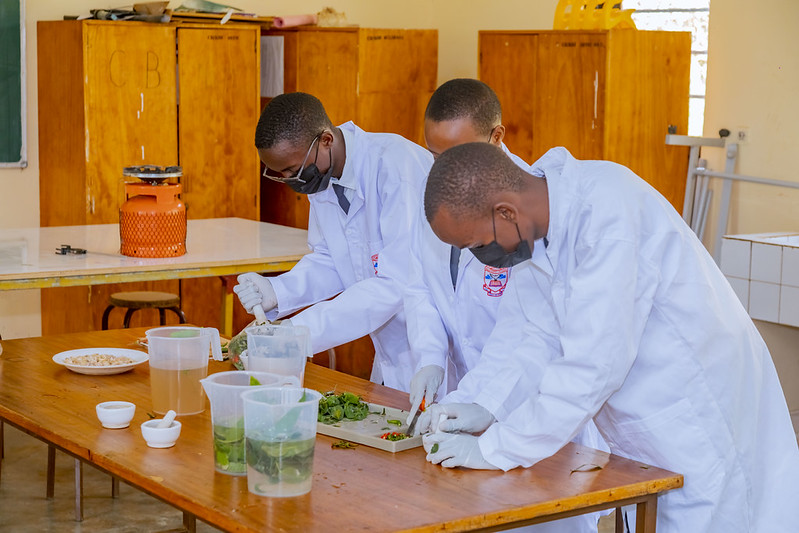
Education officials say the examinations are a key component of Rwanda’s competency-based education system, which places greater emphasis on practical application, innovation and problem-solving than on memorization alone.
The examinations come as Rwanda continues to expand skills-based education under its Competence-Based Curriculum, a reform aimed at producing graduates who can apply classroom knowledge to real-world challenges. The approach is increasingly seen as a way of preparing young people to contribute to sustainable development goals by combining scientific knowledge with practical problem-solving skills.
Rwanda has increasingly promoted skills-based learning as part of broader efforts to build a knowledge-driven economy and advance sustainable development objectives, including environmental protection, green growth, innovation and youth employment.
Speaking at Kagarama Secondary School, Irere said the examinations are not designed simply to test what students remember, but to assess their ability to put years of learning into practice.
“The first thing we ask of students is to remain calm and confident,” she said. “These are subjects they have been studying for years. The difference today is that we are assessing, at the national level, whether they have acquired the competencies expected of them.”
Irere said the examinations also provide an important measure of whether the country’s Competence-Based Curriculum is delivering the intended outcomes.
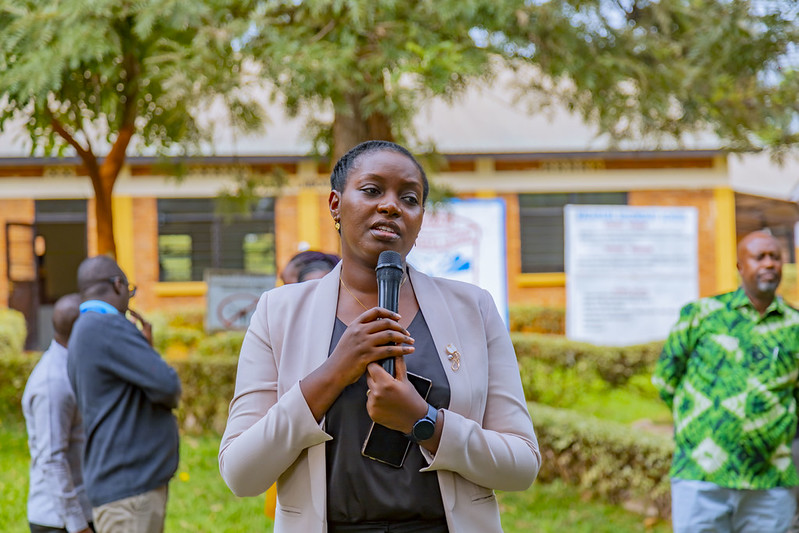
“At the national level, these exams help us determine whether students have acquired the knowledge and skills they are expected to learn,” she said. “They also allow us to identify gaps and take corrective measures where necessary to further improve the quality of education.”
Practical examinations have become a central pillar of Rwanda’s education reforms, requiring students to conduct research, identify challenges affecting their communities and develop solutions through practical projects.
Education stakeholders say the approach is intended to ensure graduates leave school not only with theoretical knowledge but also with the capacity to innovate, create opportunities and contribute to addressing social, economic and environmental challenges.
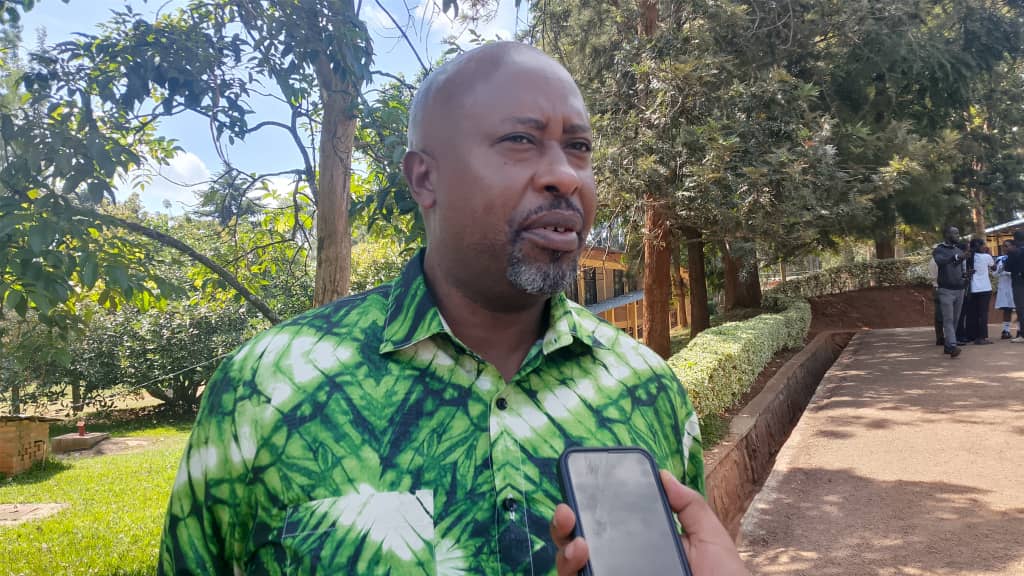
Samuel Nkurunziza, head teacher of Kagarama Secondary School, said the institution places strong emphasis on preparing students for both employment and entrepreneurship.
“In addition to science subjects, we teach entrepreneurship so that students understand they can create opportunities for themselves using the skills they possess,” he said. “Our goal is for every student to complete school with at least one practical activity or venture they can pursue.”
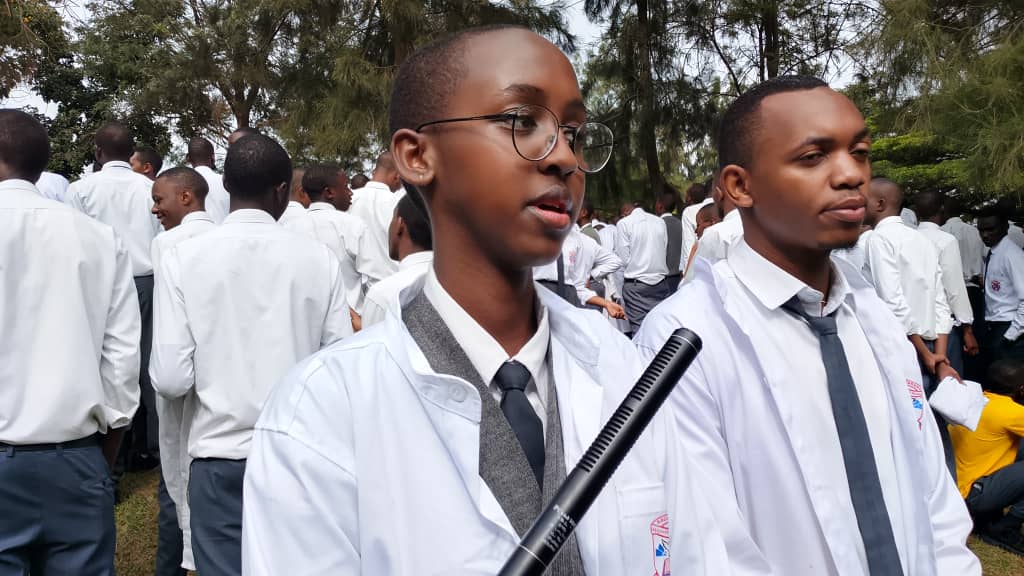
Students taking the examinations said practical learning has helped them connect academic concepts with everyday challenges.
Parfait Turahirwa, a Physics, Chemistry and Mathematics (PCM) student, said research projects enabled learners to translate classroom knowledge into practical solutions.
“We were given the opportunity to conduct research and apply what we learn in class to real situations,” he said. “That helps us understand how our studies can be used to develop practical solutions and contribute to everyday life.”
Another student, Ornella Gihozo, said many of the projects focus on identifying solutions to issues affecting communities, allowing students to contribute to social and economic development.
For Enock Nshuti, the practical approach has demonstrated how scientific knowledge can be transformed into productive and potentially income-generating activities.
“We worked on projects such as producing paint in chemistry lessons, which showed us that useful products can be made at a relatively low cost,” he said. “As a student preparing to graduate, I believe these skills mean I will always have opportunities to create something productive.”
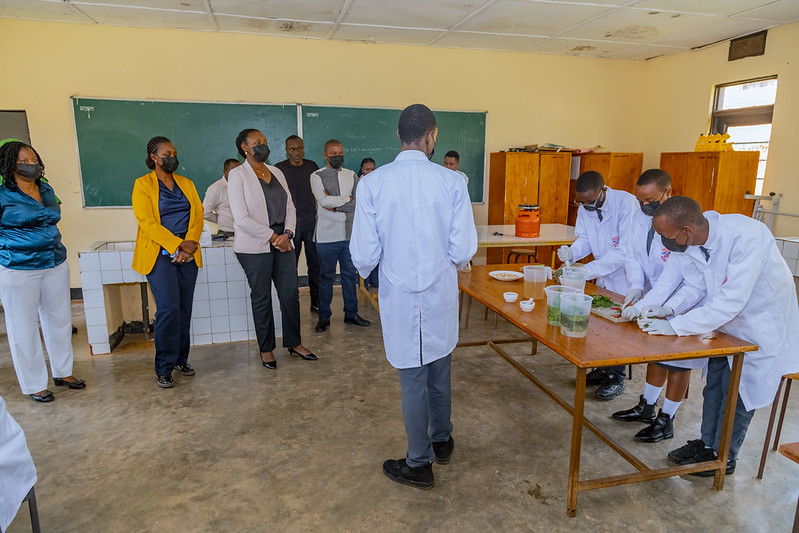
The National Examination and School Inspection Authority (NESA) says practical assessments are a key component of the Competence-Based Curriculum, requiring students not only to pass written examinations but also to demonstrate their ability to apply knowledge in real-life situations.
According to NESA, 70,504 candidates are expected to sit for the 2025/2026 practical national examinations, including 66,923 regular students and 3,581 private candidates and repeaters.
The examinations are being conducted in 854 centres across the country with the support of 8,484 assessors.
Education analysts say continued investment in practical learning and competency-based assessment could help develop a generation of innovators equipped to tackle economic, social and environmental challenges while contributing to Rwanda’s long-term sustainable development ambitions.



Related Articles
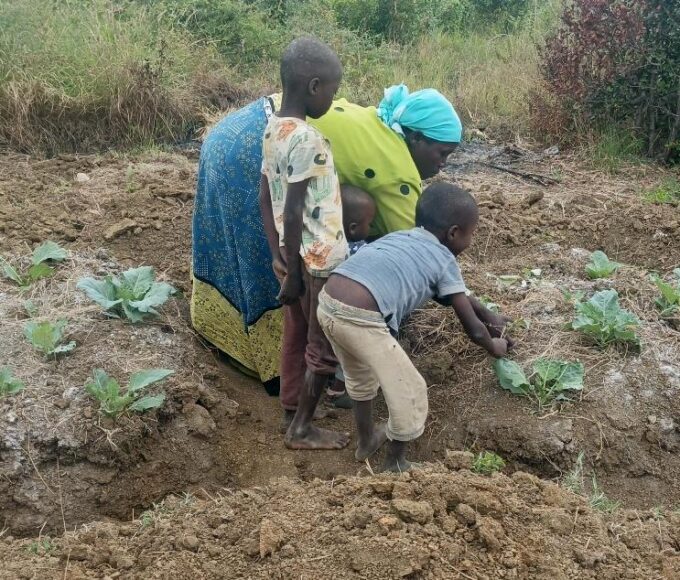
Permagardens offer a new start for drought-hit families in coastal Kenya
By Afia Agyapomaa Ofosu MBUGUNI, Kenya – For families in Mbuguni, a...
Uwimanimpaye Cyiza Marie ClemenceOctober 8, 2026 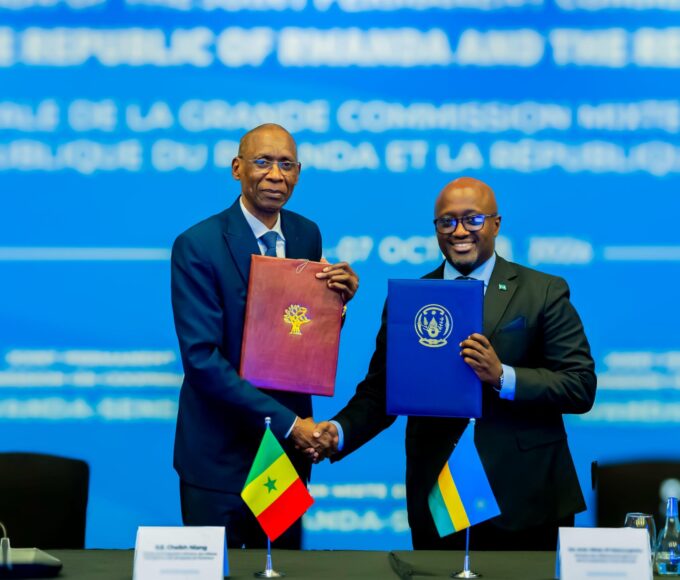
Rwanda and Senegal deepen economic ties, with agriculture and standards in focus
KIGALI, Oct. 8, 2026 – Rwanda and Senegal have signed 11 agreements...
Uwimanimpaye Cyiza Marie ClemenceOctober 8, 2026 
ACE4Food: Helping Rwanda’s agri-food SMEs turn circular ideas into business opportunities
For Kayitesi Grace, circular economy is not a concept she only heard...
Uwimanimpaye Cyiza Marie ClemenceSeptember 25, 2026 

REMAPSEN: Building a bridge between health, environmental information and African communities
When a disease begins to spread, a water source becomes contaminated or...
Uwimanimpaye Cyiza Marie ClemenceSeptember 25, 2026
Leave a comment