



Rwanda Culture Center Links Traditional Music to Conservation of Native Trees
 Uwimanimpaye Cyiza Marie ClemenceAugust 10, 20262 Mins read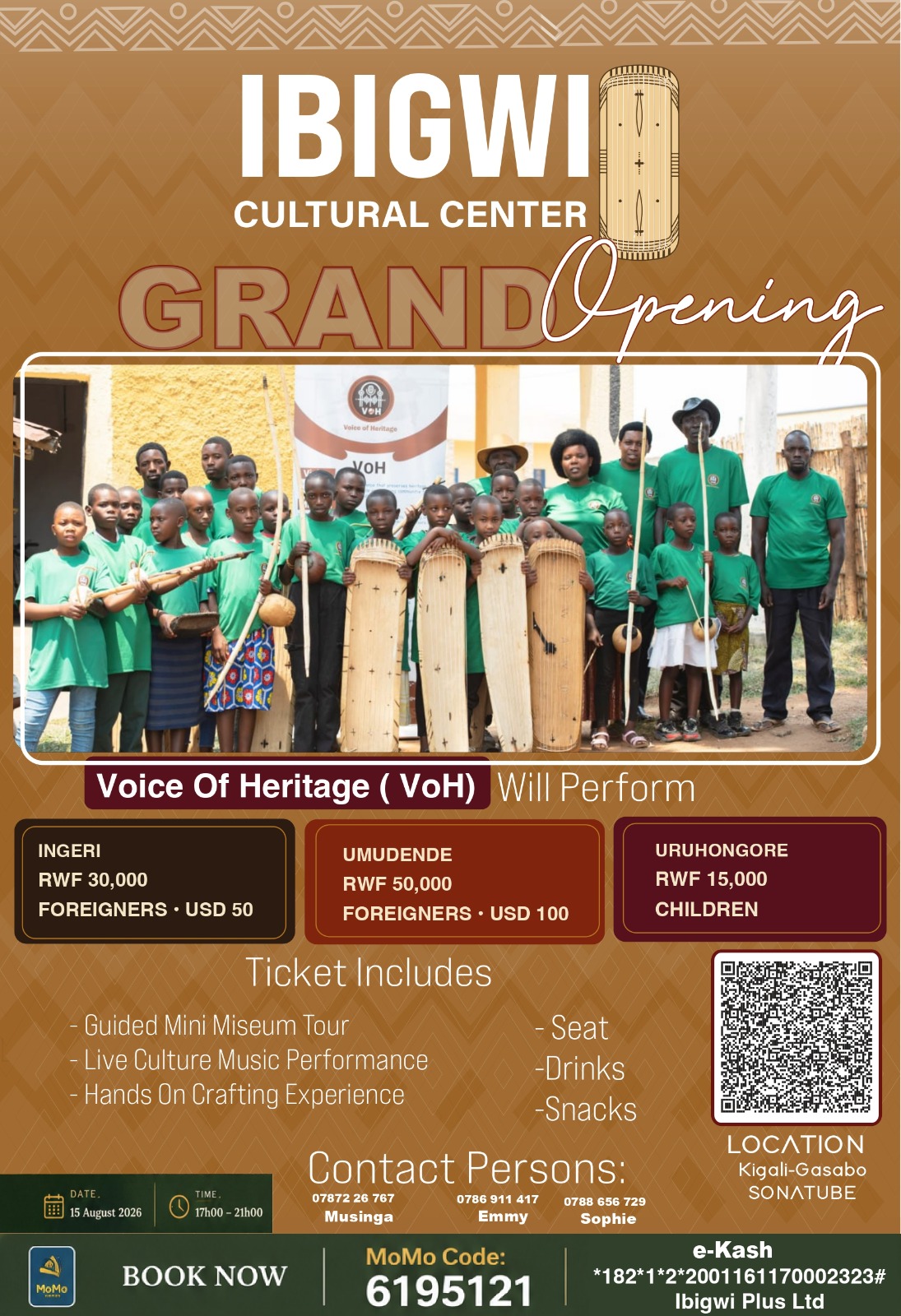
In Rwanda, preserving a traditional musical instrument may require protecting something that exists long before the music begins: the tree from which the instrument is made.
That connection is at the heart of a new cultural initiative in Kigali, where Ibigwi Cultural Center will officially open this week with a mission to promote Rwandan cultural heritage while raising awareness of the natural resources that sustain it.
The center, located in Kicukiro’s SONATUBE area, will teach traditional Rwandan dance, music, crafts, games and cultural values. It will also house a mini-museum dedicated to traditional musical instruments, giving visitors an opportunity to see and learn about instruments that form part of Rwanda’s cultural heritage.

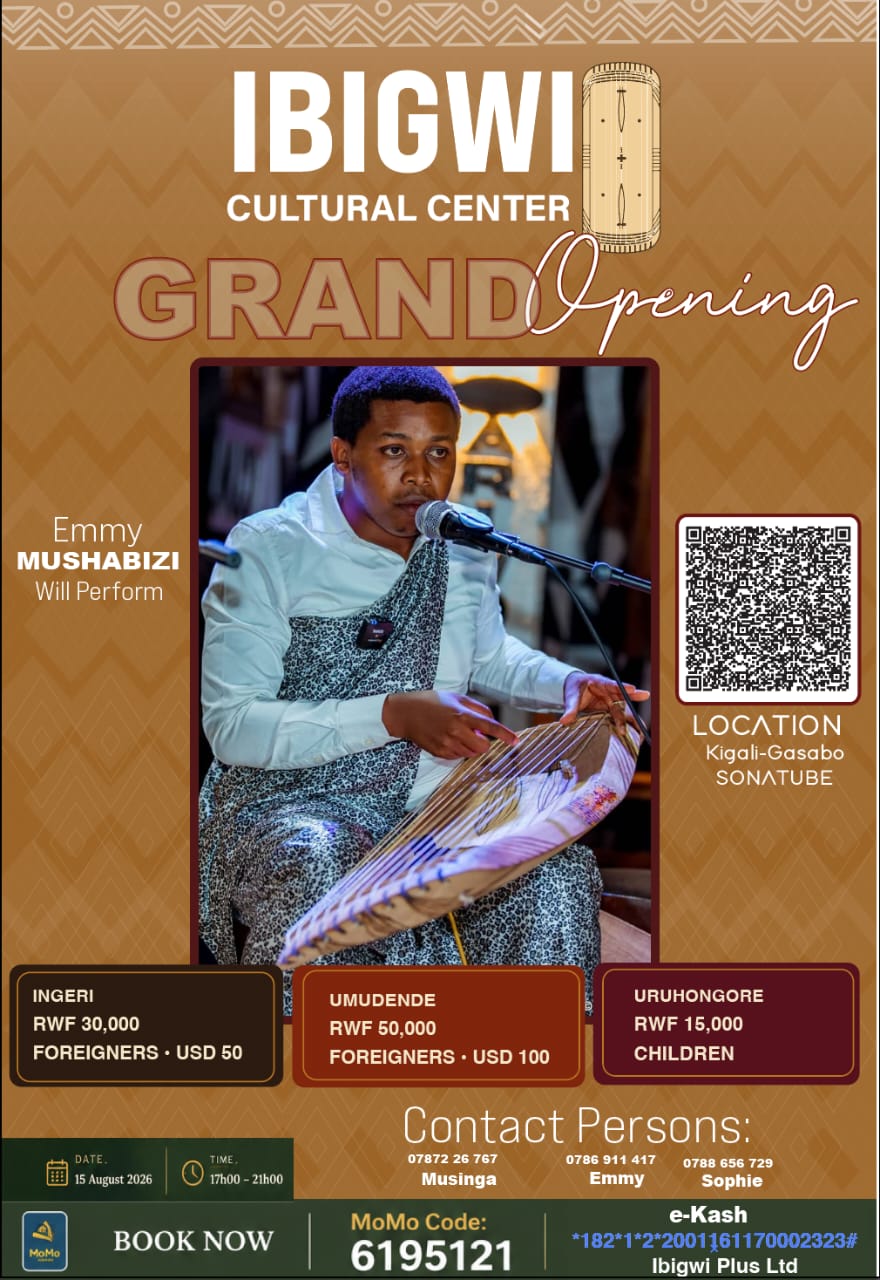
Emmanuel Habimana, Co-founder of Ibigwi Cultural Center and a traditional musician who performs as Emmy Mushabizi, said preserving traditional music should also involve protecting the natural environment from which the instruments originate.
In particular, he has raised concern about the availability of the tree traditionally used to make the inanga, a Rwandan string instrument.
For Habimana, the issue illustrates how closely cultural heritage and environmental conservation can be connected: when the natural materials needed to make traditional instruments become scarce, the knowledge and practices associated with those instruments can also be put at risk.
The center therefore aims not only to teach young people how to dance and play traditional music, but also to help them understand the heritage behind those practices.
The organizers see children as a major audience, saying the center will provide a positive space where young people can learn, socialize and engage with their culture. Adults will also be able to participate.
The initiative comes at a time when the organizers say young people face a range of social pressures, including alcohol and drug abuse and other harmful influences. Rather than focusing only on those challenges, Ibigwi aims to provide an alternative space where young people can spend time learning, creating and connecting with their heritage.
The center will also target tourists and other visitors seeking a more hands-on experience of Rwandan culture.
Activities will include traditional weaving and crafts, dance lessons, traditional games, music and cultural performances, as well as traditional food experiences.
The mini-museum will be one of the center’s distinctive features. Habimana said it is intended to help preserve and showcase traditional musical instruments at a time when some of the knowledge and natural resources associated with them face growing pressure.
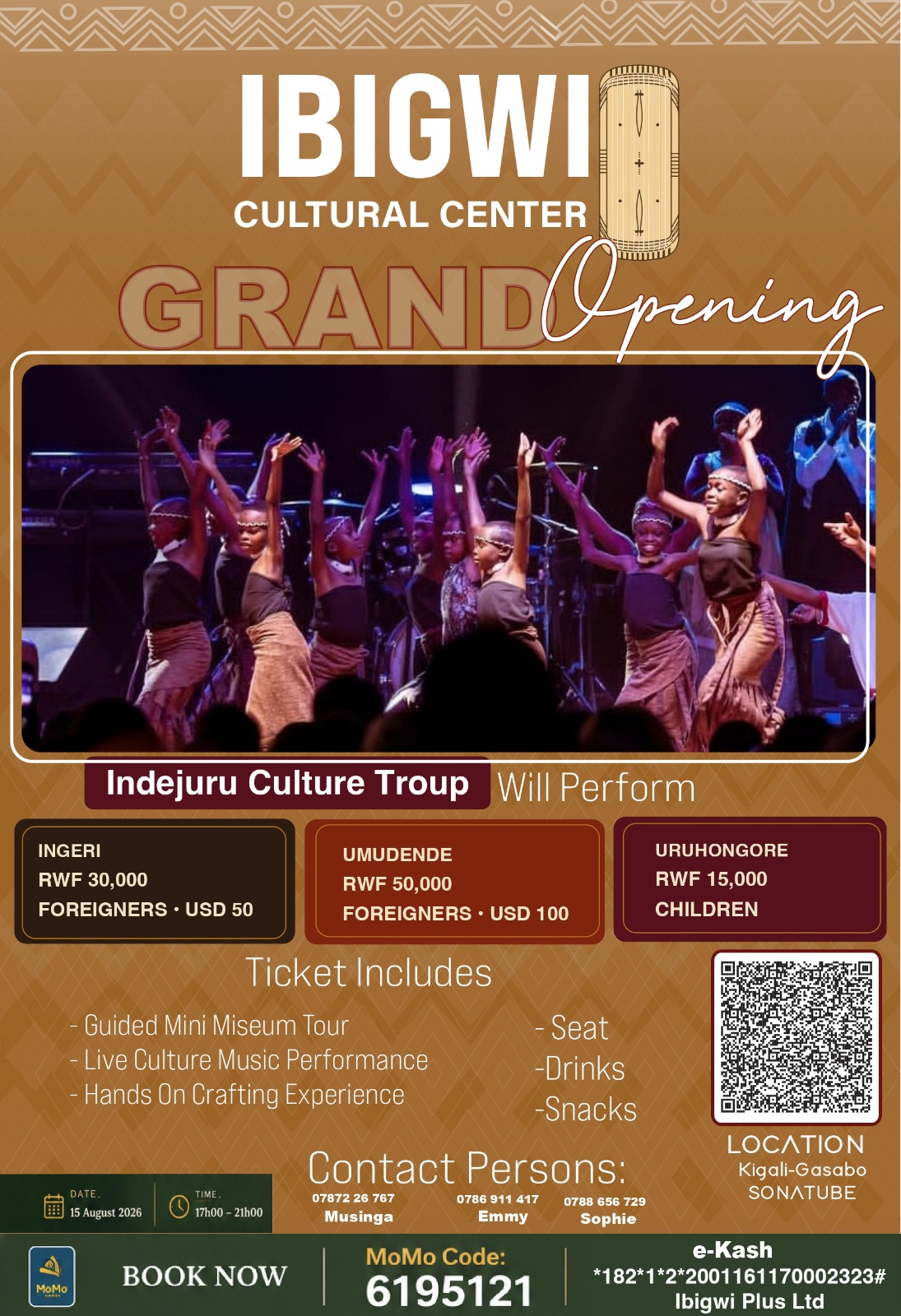
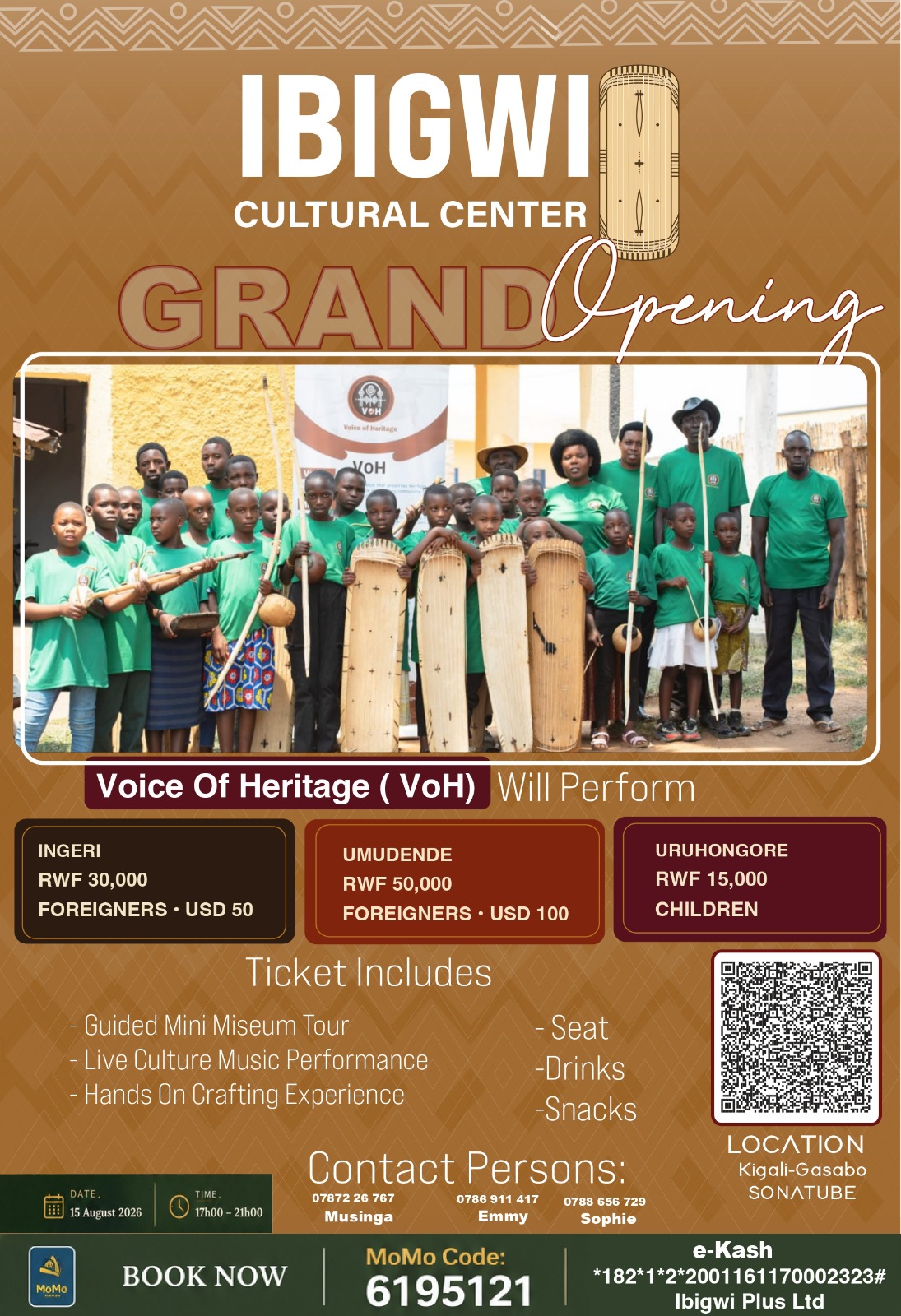
The center’s launch will bring together several traditional music and dance performers, including Voice of Heritage from Nyanza District, a young troupe whose members play traditional instruments, and Indejuru Culture Troupe, also made up of young performers specializing in Rwandan traditional dance.

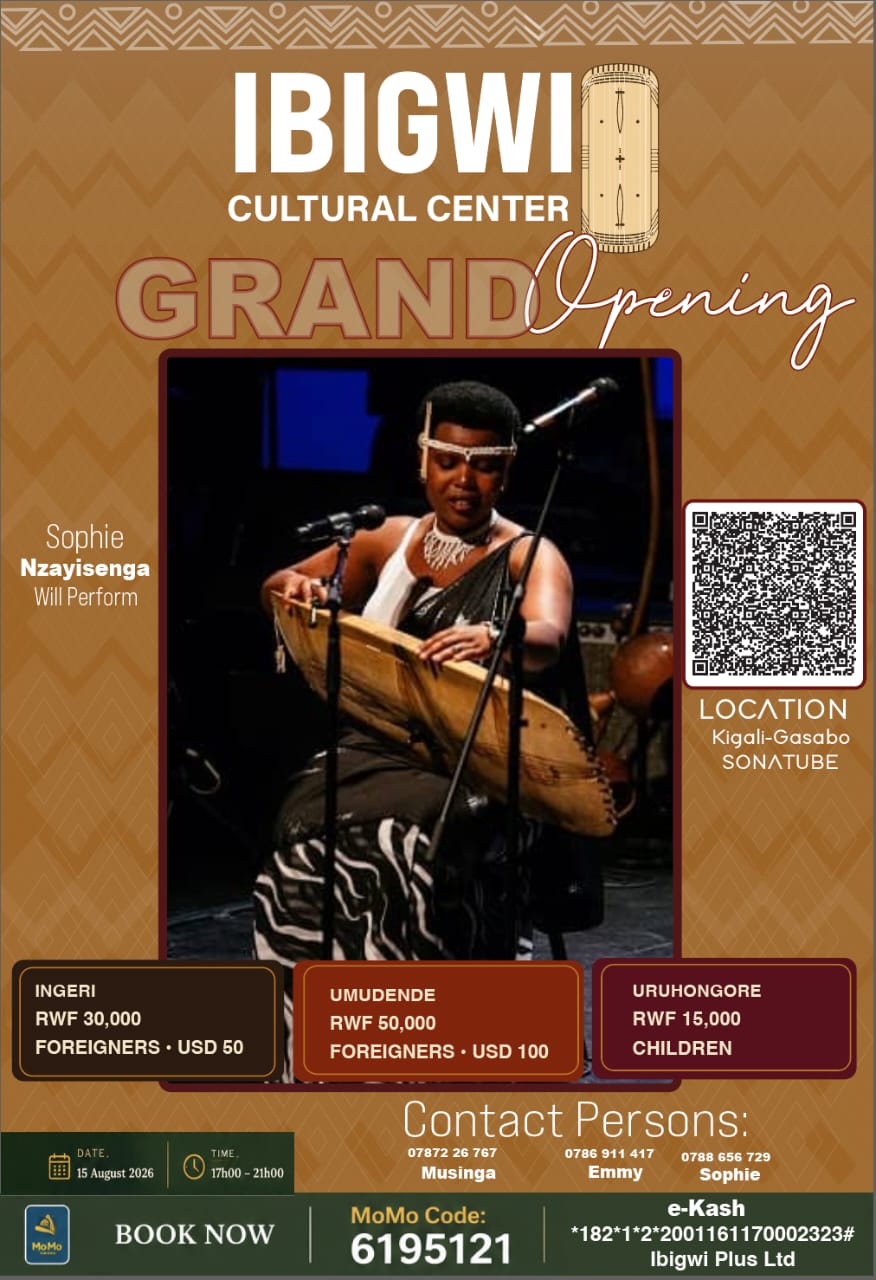
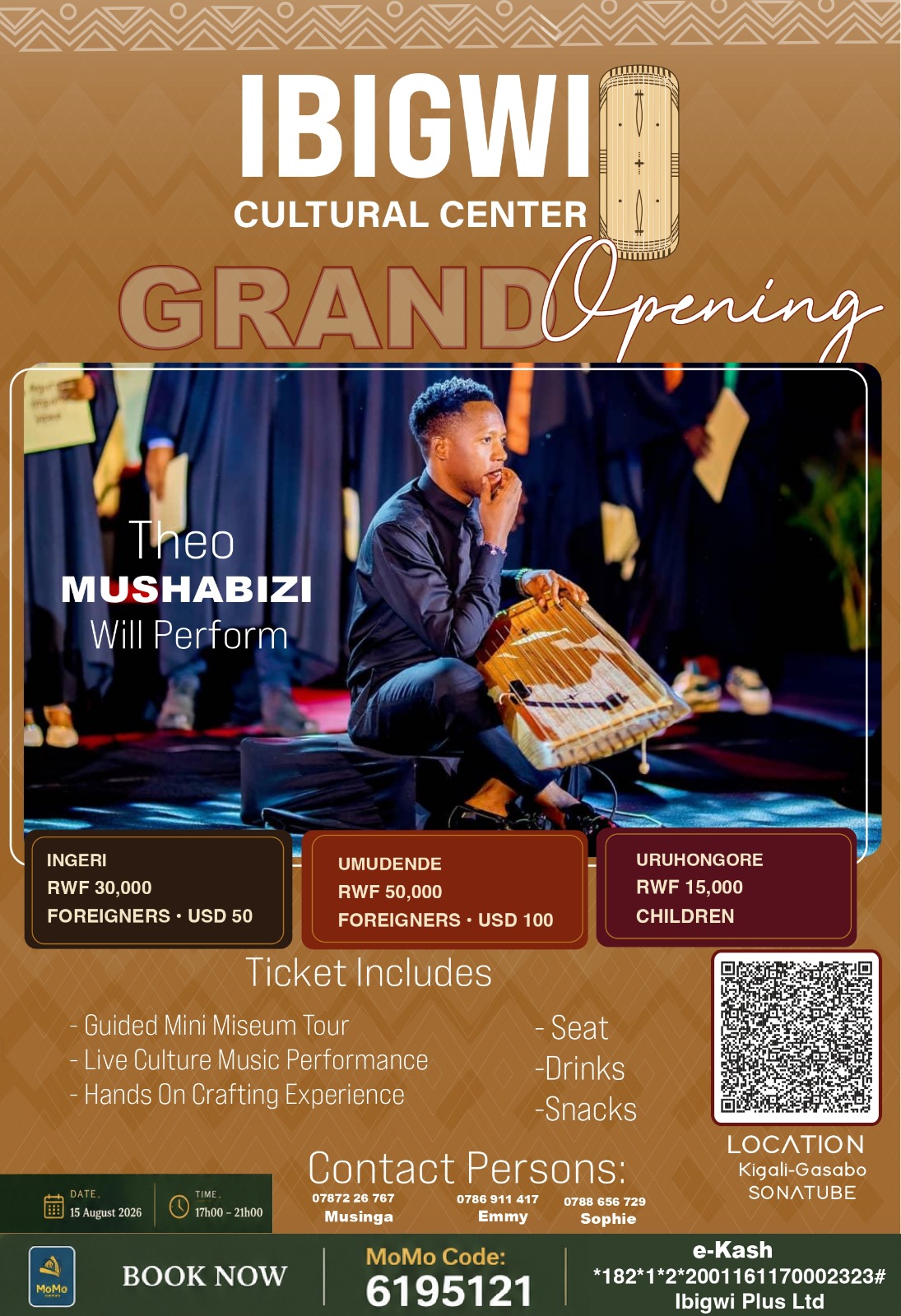
Other performers scheduled for the opening include Sophie Nzayisenga, Emmy Mushabizi, JMV Mushabizi known for his skill in playing the inanga, and Theo Mushabizi.
The event will take place on Saturday, Aug. 15, from 5 p.m. to 9 p.m. in Kicukiro, Kigali.
Visitors will be able to officially tour the mini-museum and take part in hands-on crafting experiences, traditional food tasting and other cultural activities.
For Ibigwi Cultural Center, the ambition extends beyond opening another cultural venue in Kigali. It is an attempt to keep traditional knowledge alive by putting it back into the hands of the people who will carry it into the future.
And in the case of the inanga, that future may depend not only on whether young Rwandans continue to learn its music, but also on whether the trees that make the instrument possible continue to grow.




Related Articles
Permagardens offer a new start for drought-hit families in coastal Kenya
By Afia Agyapomaa Ofosu MBUGUNI, Kenya – For families in Mbuguni, a...
Uwimanimpaye Cyiza Marie ClemenceOctober 8, 2026 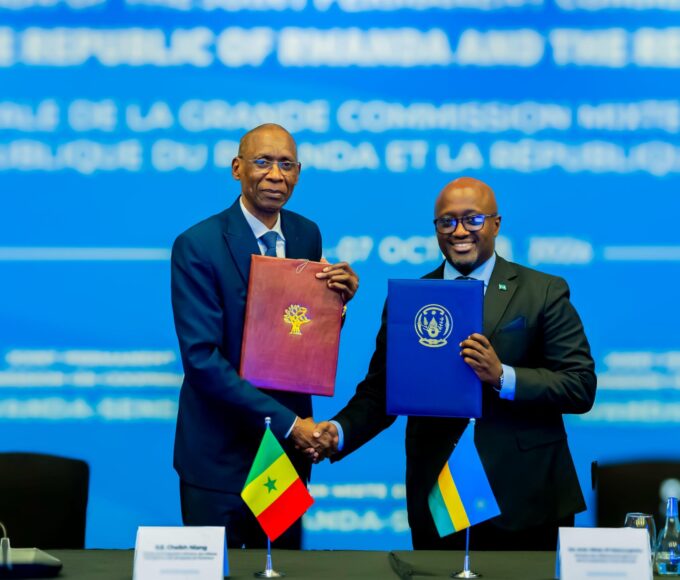
Rwanda and Senegal deepen economic ties, with agriculture and standards in focus
KIGALI, Oct. 8, 2026 – Rwanda and Senegal have signed 11 agreements...
Uwimanimpaye Cyiza Marie ClemenceOctober 8, 2026 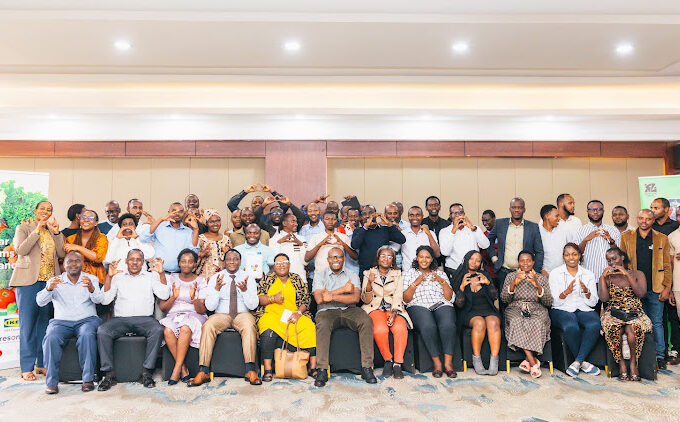
ACE4Food: Helping Rwanda’s agri-food SMEs turn circular ideas into business opportunities
For Kayitesi Grace, circular economy is not a concept she only heard...
Uwimanimpaye Cyiza Marie ClemenceSeptember 25, 2026 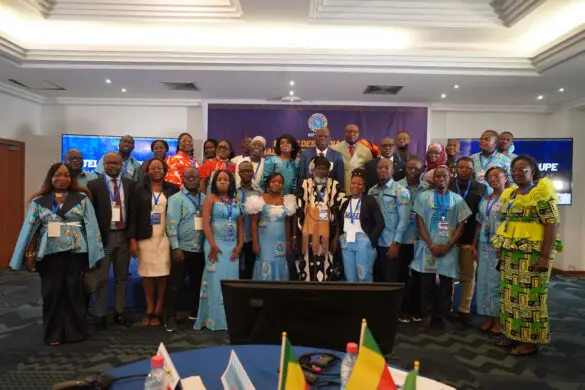

REMAPSEN: Building a bridge between health, environmental information and African communities
When a disease begins to spread, a water source becomes contaminated or...
Uwimanimpaye Cyiza Marie ClemenceSeptember 25, 2026
Leave a comment