

Kwita Izina puts Rwanda’s conservation model under the environmental spotlight
 Uwimanimpaye Cyiza Marie ClemenceSeptember 6, 20264 Mins read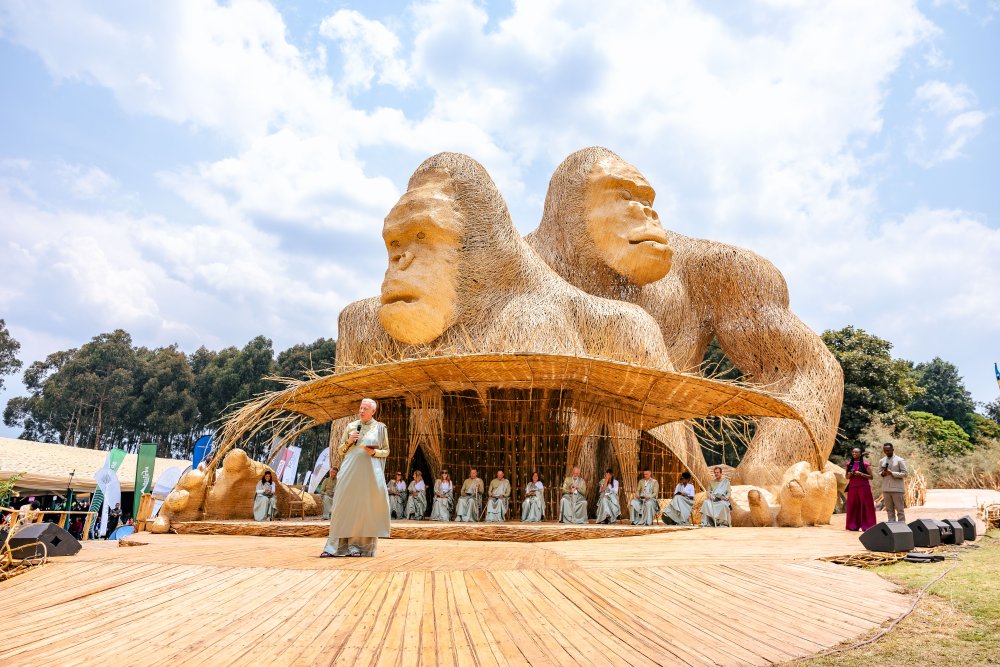
The naming of 22 baby mountain gorillas in Rwanda this week was more than a celebration of newborn wildlife. It offered a window into a conservation model in which protecting a threatened species is increasingly tied to protecting habitats, supporting neighbouring communities and generating economic value from nature.
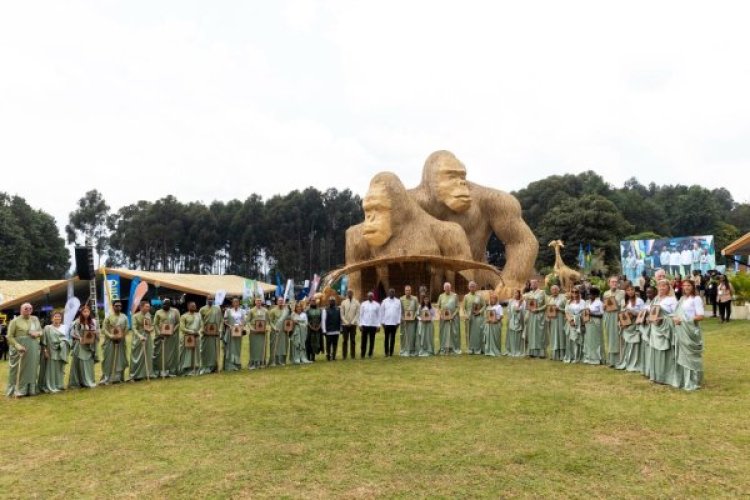
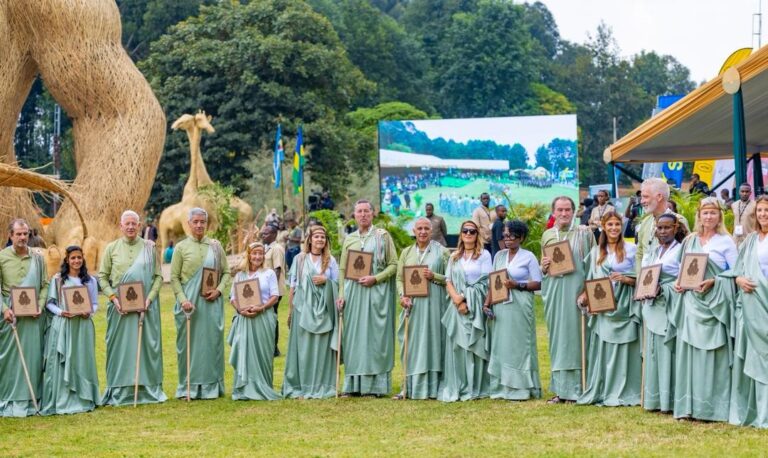
The 21st edition of Kwita Izina was held on Sept. 4 in Kinigi, at the foothills of Volcanoes National Park, under the theme “Conservation is Life: Sustaining the Future.”
For Rwanda, the environmental significance of the annual ceremony lies partly in the message behind the names: that individual gorillas are worth protecting because they are part of a wider ecosystem whose survival depends on forests, habitat, conservation institutions and the communities living alongside protected areas.
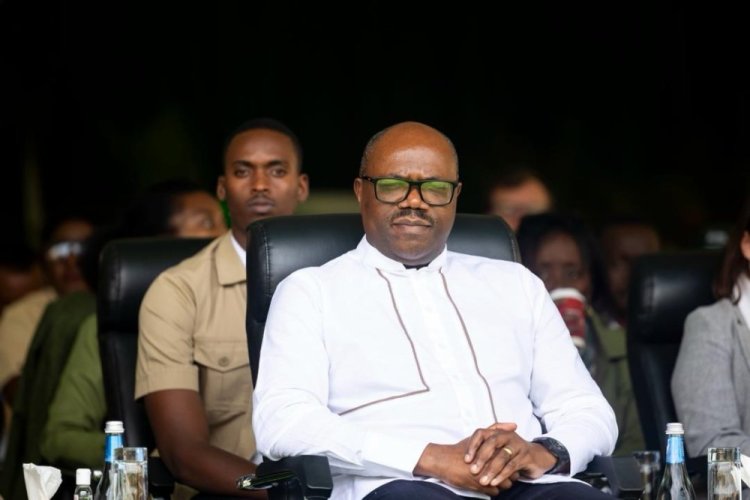
Prime Minister Justin Nsengiyumva told participants that Rwanda would continue protecting the gorillas so they could reproduce without disturbance. He also pointed to the recovery of the population, saying that in the 1980s there were no more than 250 gorillas in the Virunga mountains.
Today, more than 1,000 mountain gorillas live across the Virunga Massif and the Bwindi ecosystem, according to the Rwanda Development Board. The wider population has continued to grow after decades of work involving governments, conservation organisations, researchers, veterinarians, rangers and communities.
The ceremony itself does not create that recovery. Rather, Kwita Izina has become a highly visible platform for showcasing and reinforcing the conservation system behind it.
Since the official ceremony began in 2005, 438 mountain gorillas had been named before this year’s 22 additions, according to RDB and the official Kwita Izina platform.
When conservation reaches beyond the park
One of the clearest environmental arguments surrounding Kwita Izina is that wildlife protection cannot be separated from the wellbeing of people living next to protected areas.
Volcanoes National Park is surrounded by densely populated communities. For conservation to remain viable over the long term, Rwanda has increasingly sought to make local people beneficiaries of the tourism economy generated by protected areas.
Under the Tourism Revenue Sharing Programme, 10% of national park tourism revenue is reinvested in communities surrounding protected areas. RDB says the programme has now channelled more than Rwf23 billion into nearly 1,300 projects, including schools, health centres, water infrastructure and livelihood initiatives.
In Northern Province, officials said 740 community projects in 12 sectors bordering Volcanoes National Park had received Rwf8.6 billion.
The logic is straightforward: if communities see tangible benefits from a protected ecosystem, conservation becomes more than a restriction on access to land and natural resources. It becomes an economic and social asset.
That connection was central to the message from Northern Province Governor Maurice Mugabowagahunde, who said residents were increasingly recognising the value of protecting the gorillas and were beginning to see returns from conservation.
RDB Director General Jean Guy Afrika similarly urged communities to maintain their role in protecting the park, saying environmental protection must go together with community development.
Beyond the gorillas
The environmental stakes extend beyond the animals being named.
Volcanoes National Park protects part of the Virunga mountain ecosystem, and Rwanda is pursuing plans to increase the amount of habitat available to wildlife. As part of the Volcanoes Community Resilience Project, the government plans to expand Volcanoes National Park by about 3,740 hectares and establish roughly 6,620 hectares of buffer zones. The broader programme is expected to improve livelihoods for more than 17,000 people.
The 2026 Kwita Izina programme also coincided with the launch of the Smart Green Village in Rurembo, Kinigi, a project designed to combine housing, essential services, climate-smart agriculture, renewable energy and tourism-related economic opportunities.
That is significant from an environmental perspective because habitat conservation increasingly depends on what happens outside protected-area boundaries.
Pressure on land, livelihoods and natural resources does not stop at a park boundary. Creating alternative economic opportunities and improving living conditions around protected areas can therefore form part of a broader strategy to reduce pressure on ecosystems and strengthen community support for conservation.
Tourism as a conservation tool
Rwanda’s model also places tourism at the centre of this equation.
Gorilla tourism provides an economic reason to maintain the forests in which the animals live, while tourism revenue provides resources that can be shared with neighbouring communities.
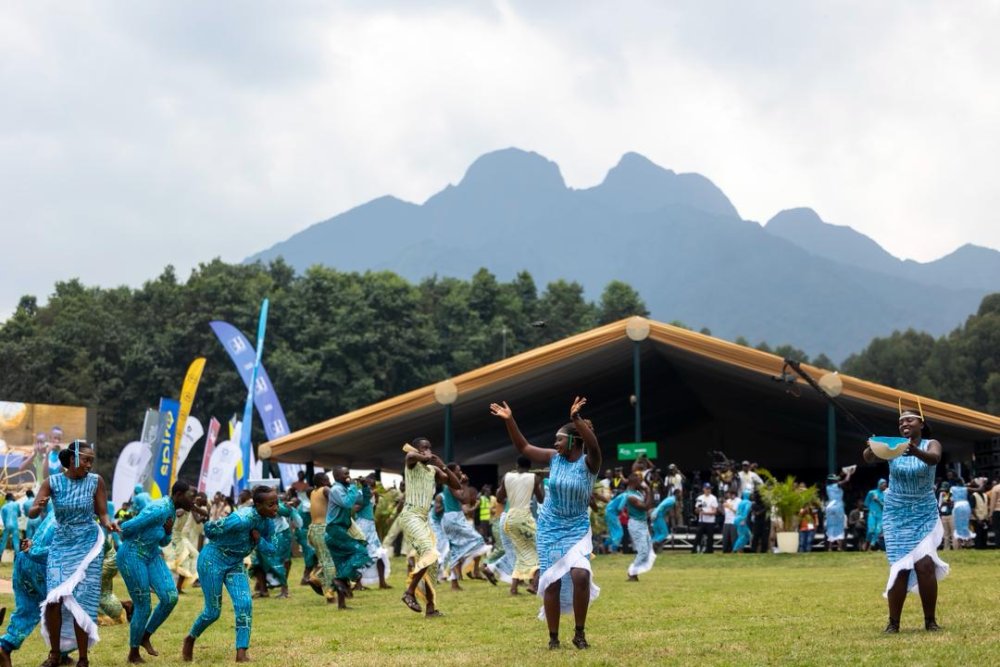
RDB describes Kwita Izina as an international platform connecting conservation, sustainable tourism and community development. The agency says the mountain gorilla population’s continued growth reflects decades of conservation efforts involving local communities and conservation partners.
But the environmental value of nature-based tourism ultimately depends on whether the ecosystems attracting visitors remain healthy.
That makes habitat protection, responsible tourism and community participation important beyond the annual ceremony in Kinigi.
A conservation story still being written
For Rwanda, the central message of this year’s Kwita Izina was clear.
The 22 baby gorillas were not presented simply as individual animals to be celebrated. Their names symbolised a continuing commitment to protect a species whose recovery has become one of Rwanda’s most prominent conservation achievements.
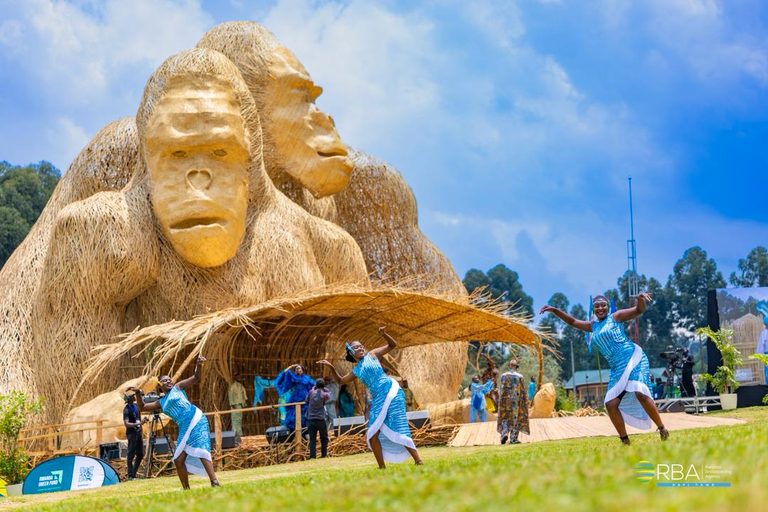
The country continues to take that achievement further by protecting habitat, expanding conservation areas, investing in surrounding communities and using tourism to create economic value from nature.
The challenge is ensuring that those gains remain environmentally sustainable as tourism, infrastructure and human populations continue to grow.
For communities around Volcanoes National Park, the test may ultimately be whether conservation continues to improve livelihoods while maintaining the forests and wildlife that make the region valuable in the first place.
For the 22 young gorillas named in Kinigi, that equation is more fundamental still: their future depends on the survival of the ecosystem around them.
And that is perhaps the deeper environmental meaning of Kwita Izina not simply giving a name to a gorilla, but attaching a public promise to the protection of the habitat in which it must live.
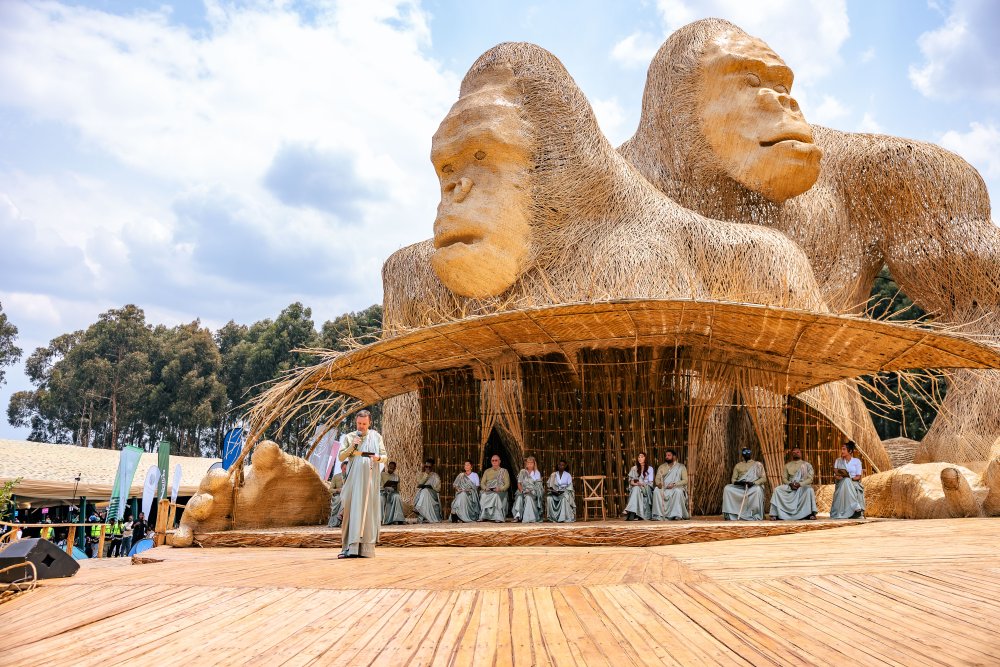
Photo credits: @Igihe; @RBA



Related Articles
Three Miners Missing After Flooding at Kayonza Mine in Rwanda
Three miners were missing this Sunday after water flooded an underground mine...
Uwimanimpaye Cyiza Marie ClemenceOctober 11, 2026 
Permagardens offer a new start for drought-hit families in coastal Kenya
By Afia Agyapomaa Ofosu MBUGUNI, Kenya – For families in Mbuguni, a...
Uwimanimpaye Cyiza Marie ClemenceOctober 8, 2026 
Rwanda and Senegal deepen economic ties, with agriculture and standards in focus
KIGALI, Oct. 8, 2026 – Rwanda and Senegal have signed 11 agreements...
Uwimanimpaye Cyiza Marie ClemenceOctober 8, 2026 

Proposed Climate Insurance Could Cushion Rwanda’s Mine Workers Against Rainy-Season Income Losses
A proposed climate insurance scheme could help protect mine and quarry workers...
Uwimanimpaye Cyiza Marie ClemenceSeptember 30, 2026
Leave a comment