

How Solar Irrigation Is Transforming Avocado Farming in Rwanda’s Dry East
 Uwimanimpaye Cyiza Marie ClemenceJuly 31, 20264 Mins read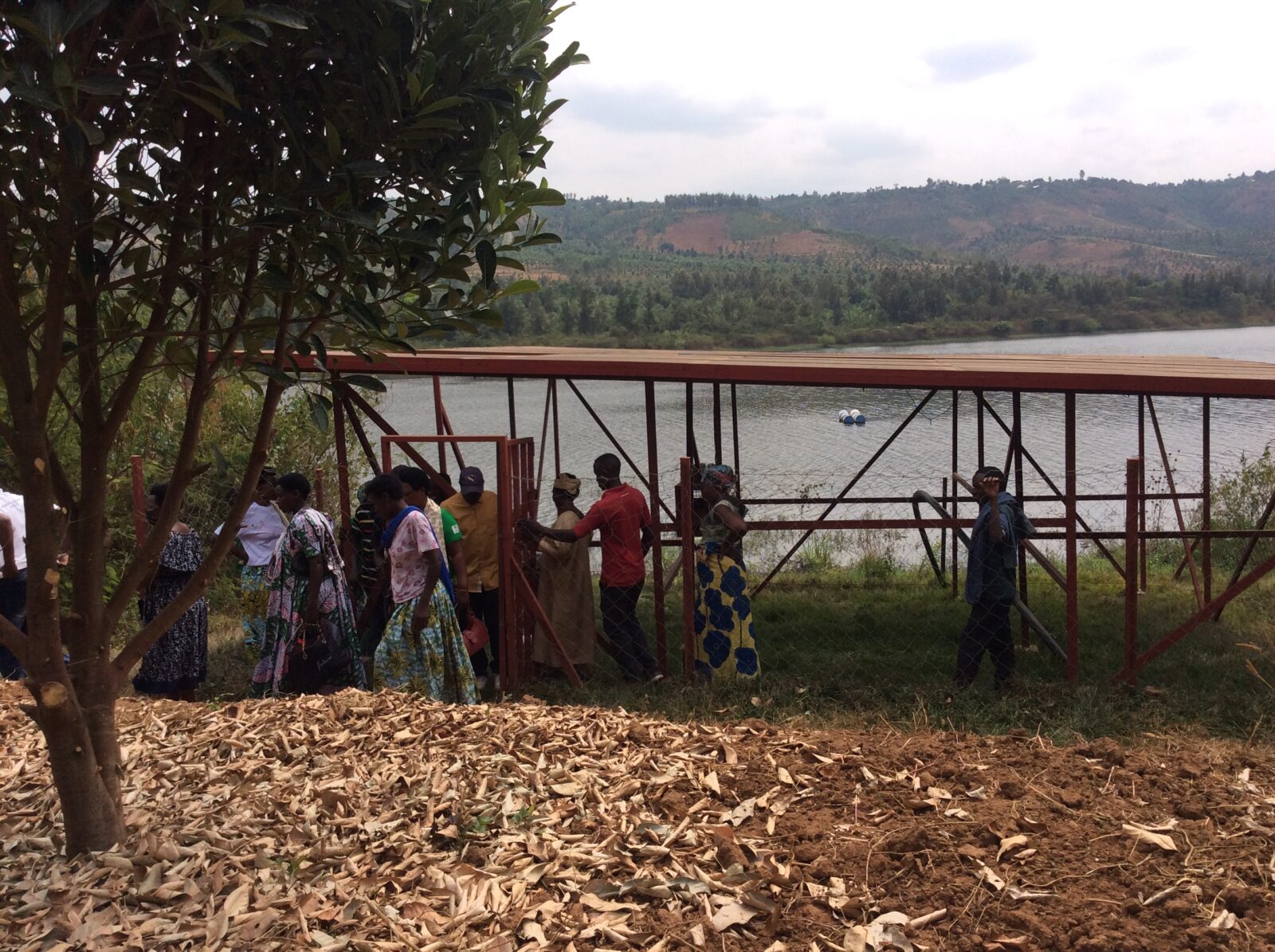
On the sun-scorched hills of Rwanda’s Eastern Province, where prolonged droughts and erratic rainfall have long made farming a struggle, avocado growers are turning one of nature’s greatest challenges into part of the solution.
Solar-powered irrigation is helping farmers in Kayonza District produce healthier trees, higher-quality fruit and better incomes, while reducing their dependence on costly diesel-powered generators that once consumed around Rwf1 million in fuel every day to irrigate a 1,307-hectare cooperative orchard.
The transformation is unfolding through a climate-smart agriculture initiative led by the University of Rwanda’s Centre of Excellence in Biodiversity and Natural Resource Management (CoEB), the Rwanda Agriculture and Animal Resources Development Board (RAB), and Landscape Alliance CIFOR-ICRAF in Action. Originally planned as a two-year project, the initiative was extended to three years after climate-related disruptions affected implementation.
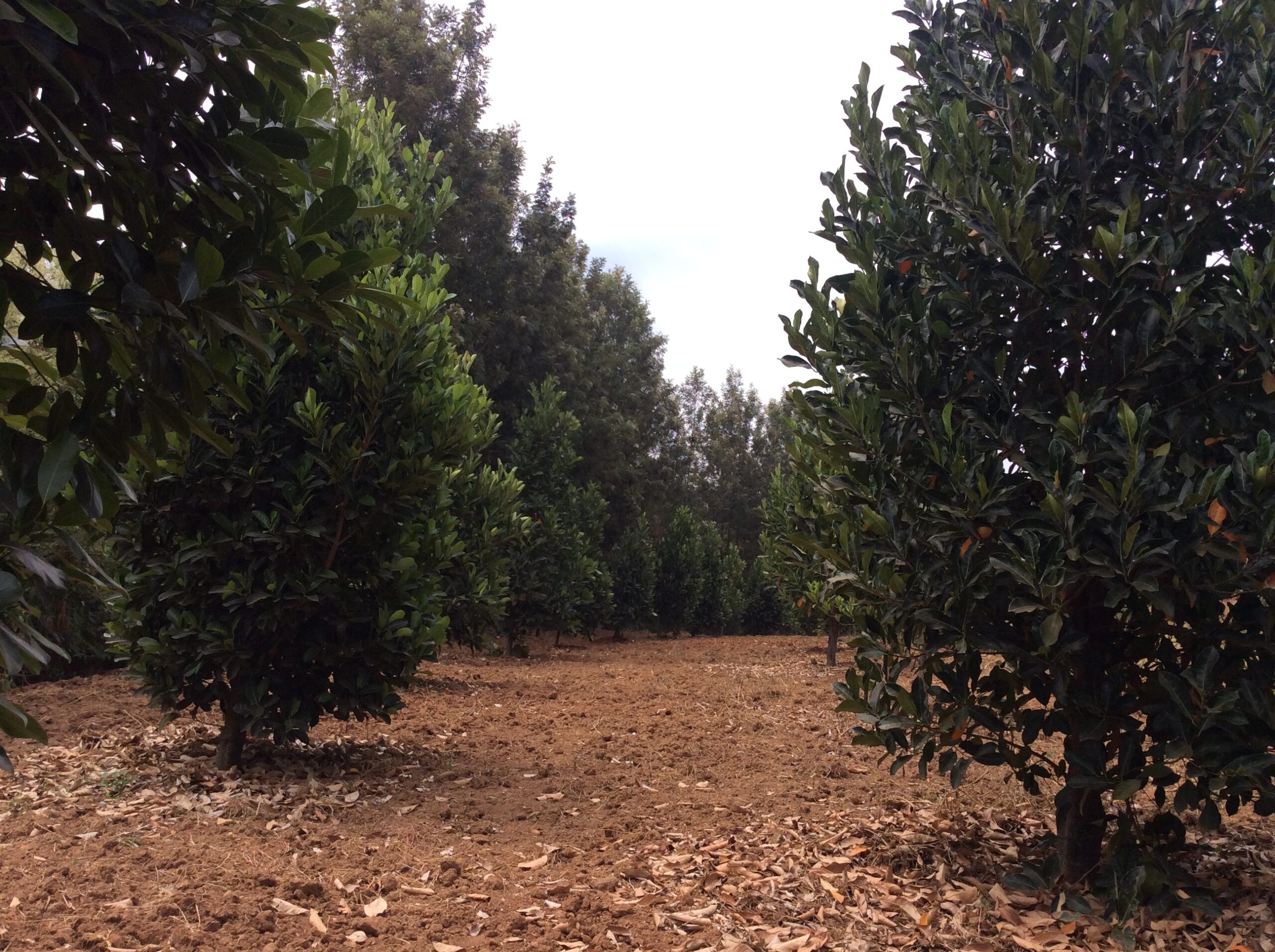
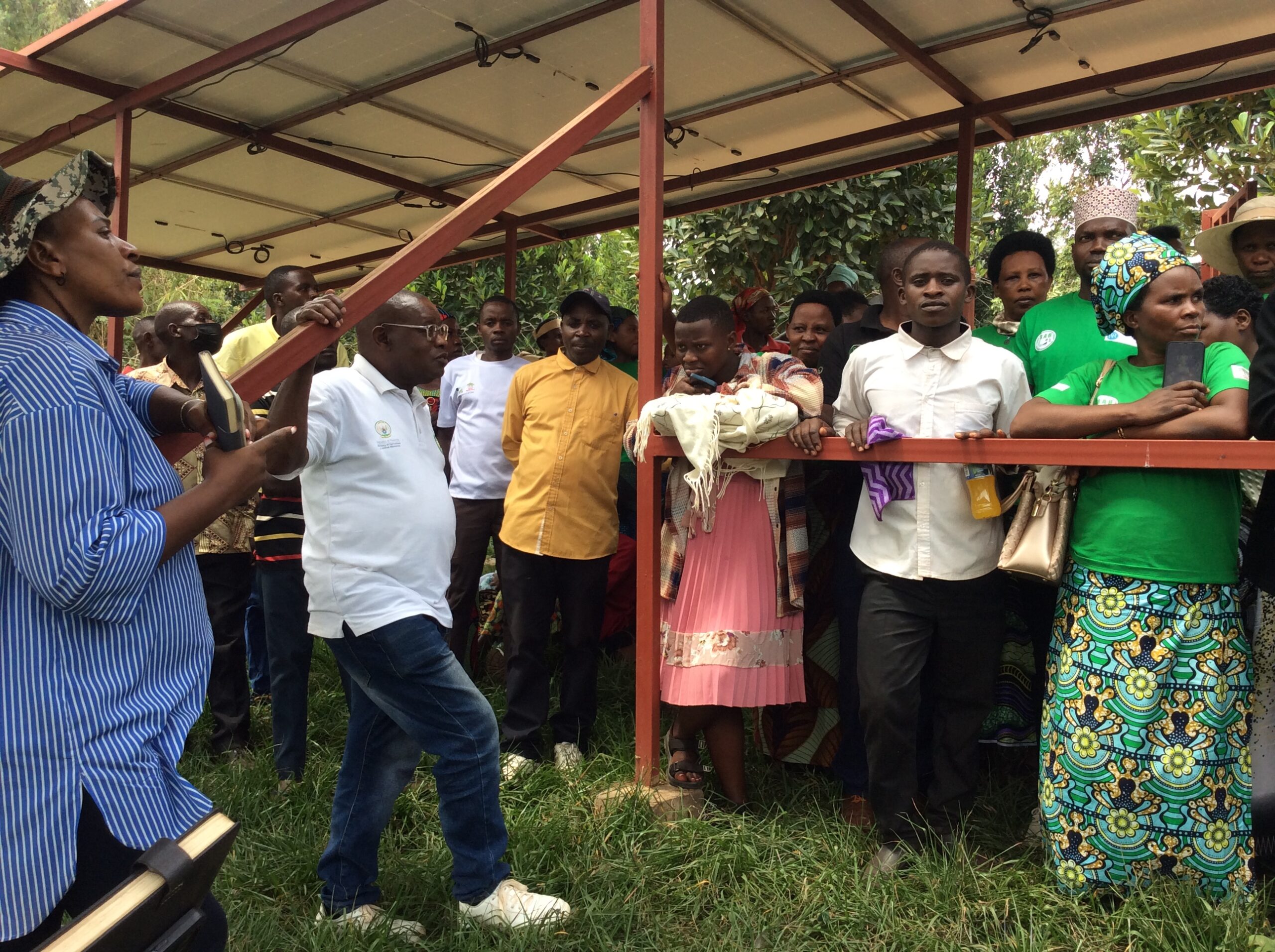
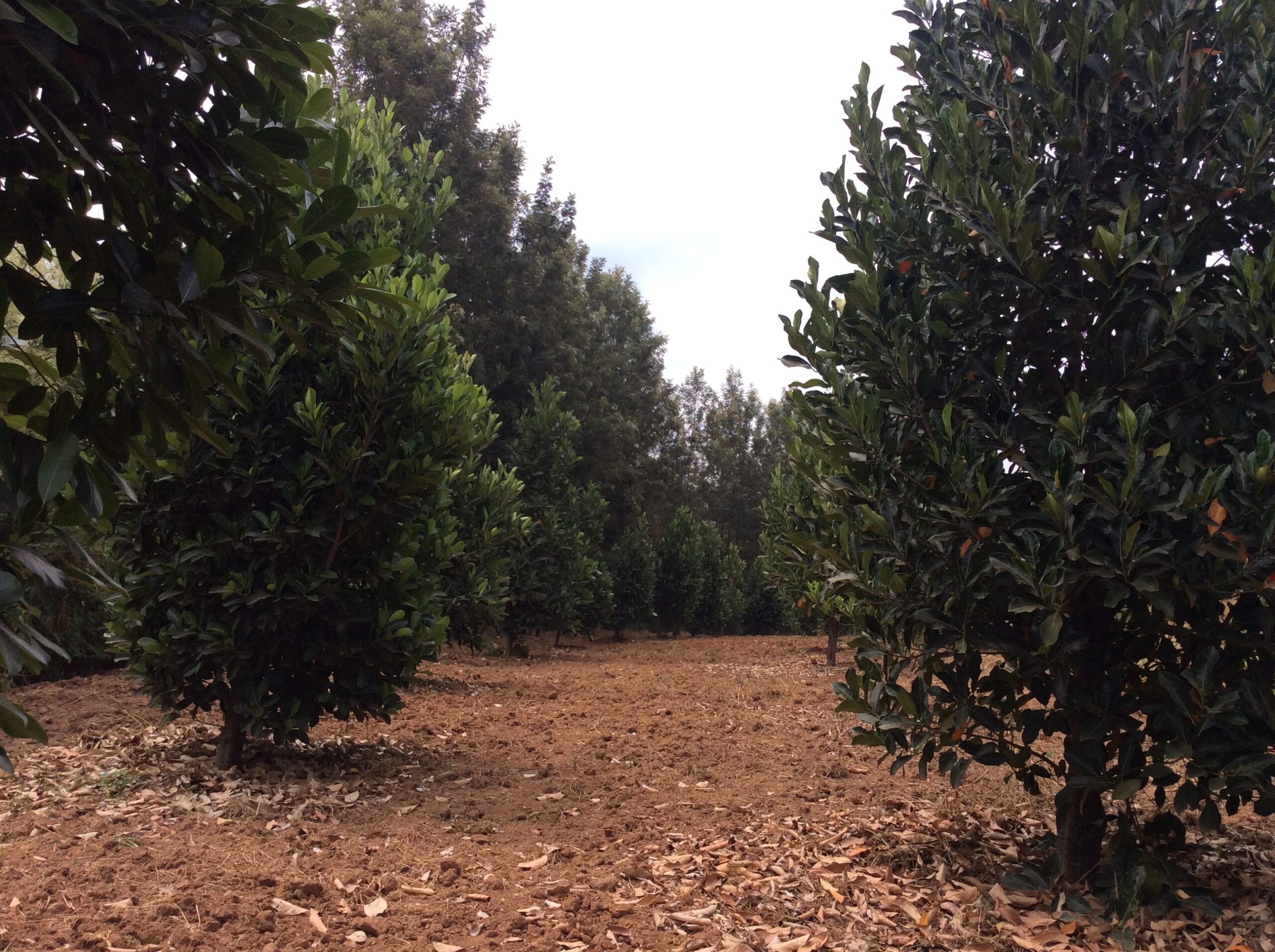
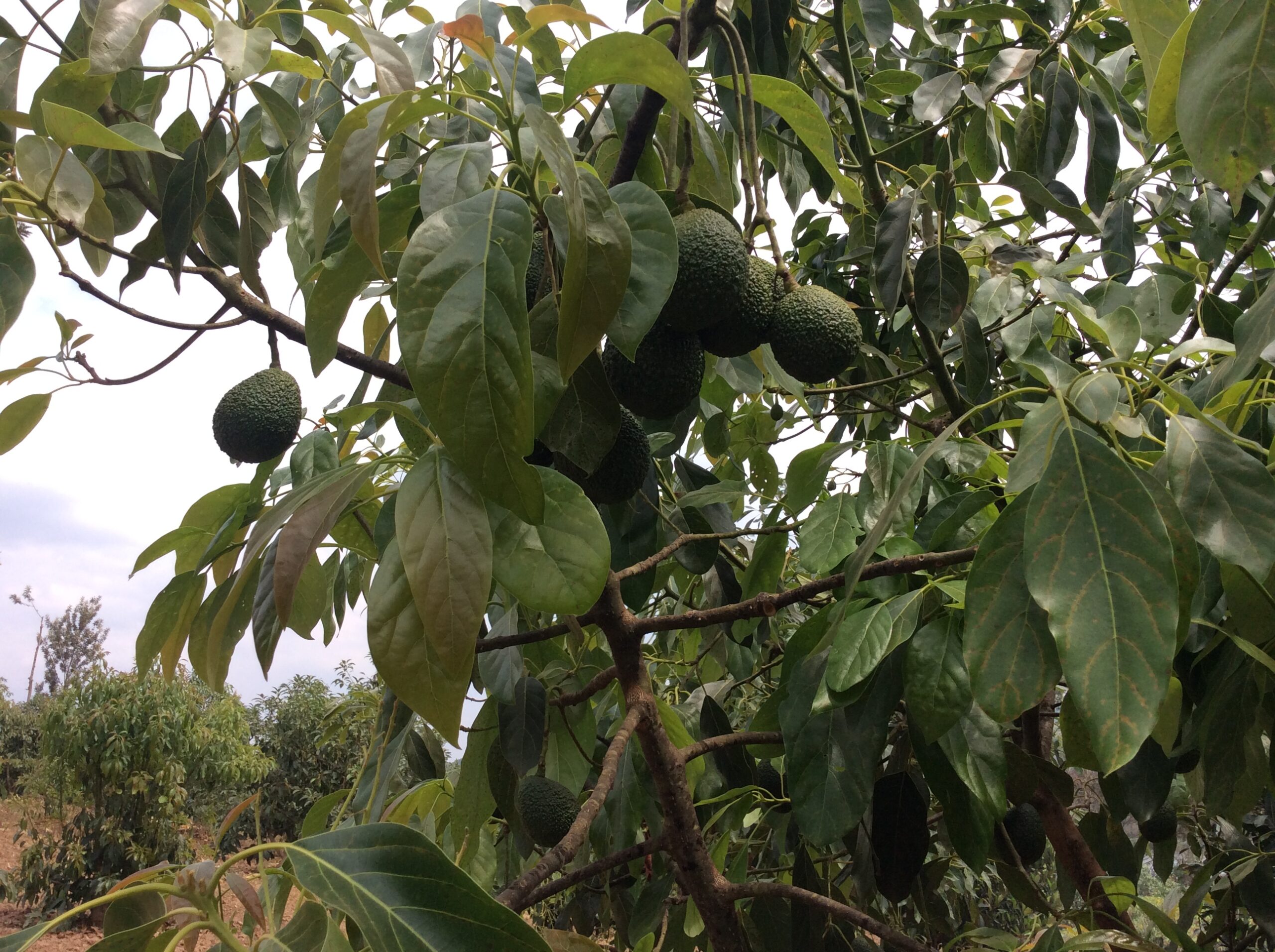
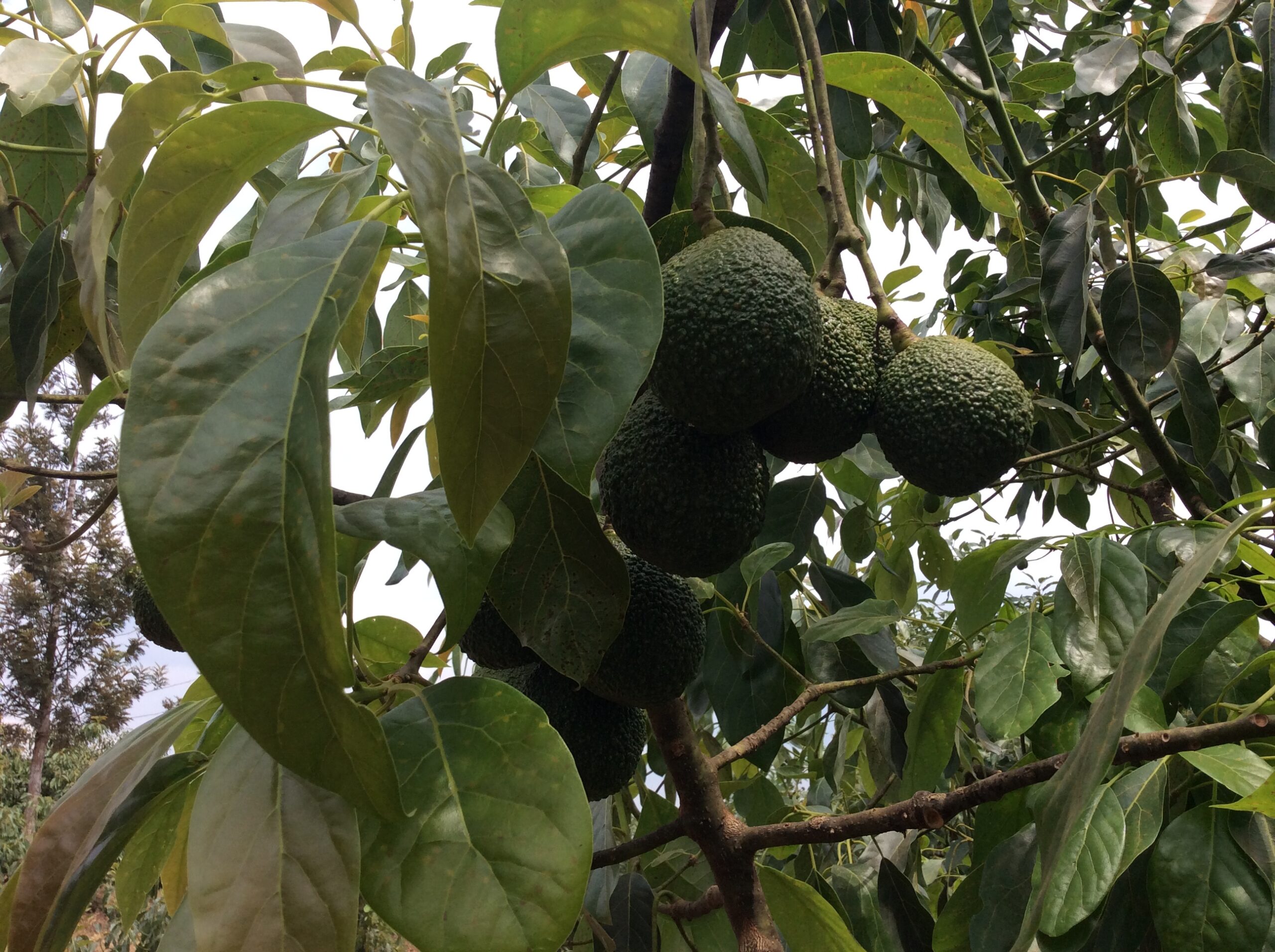
This Wednesday, during a field visit to Murama Sector in Kayonza District, the difference between irrigated and non-irrigated orchards was immediately visible. Avocado trees supplied with water through a solar-powered irrigation system were greener, healthier and carrying well-developed fruit. Nearby trees growing outside the irrigated area showed more signs of water stress, highlighting the impact prolonged dry spells continue to have on agricultural production.
“We work with communities that are particularly vulnerable to climate change and prolonged drought,” said Muvunyi Valens, a technician with Landscape Alliance CIFOR-ICRAF in Action.
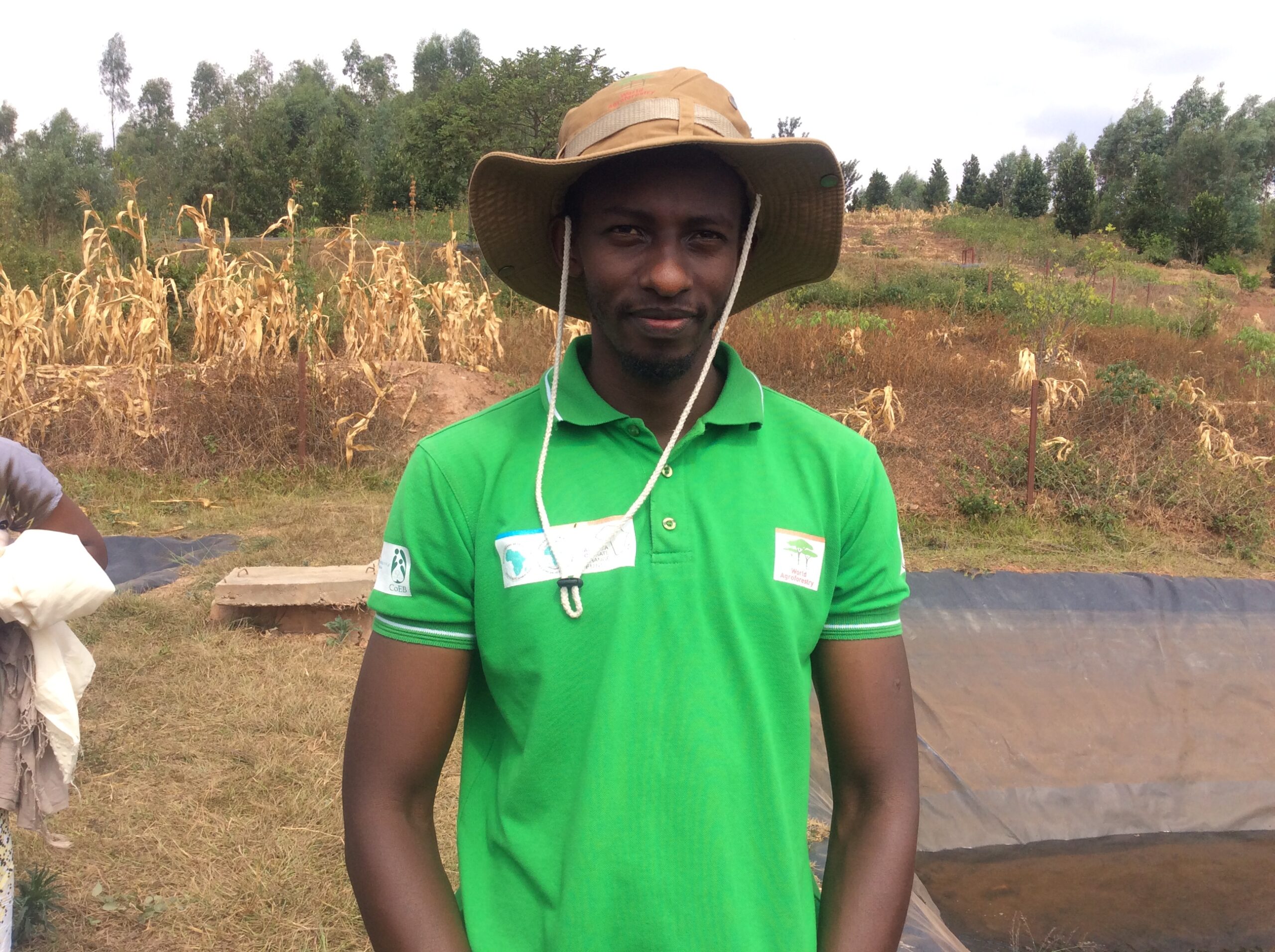
“Our objective has been to help farmers protect their soils while improving their livelihoods. Before distributing fruit trees, we consulted communities to identify the species they wanted and those best suited to local conditions. Besides generating income, we also wanted to improve household nutrition and reduce malnutrition.”
The project has distributed more than 120,000 fruit trees including avocado, mango, papaya, orange, tree tomato and passion fruit while more than 200,000 trees have been planted across Kayonza, Kirehe, Gatsibo and Nyagatare over the past three years.
Alongside tree planting, farmers have received training in agroforestry, compost production, soil conservation, mulching, pruning and climate-smart farming practices designed to improve resilience to climate change.
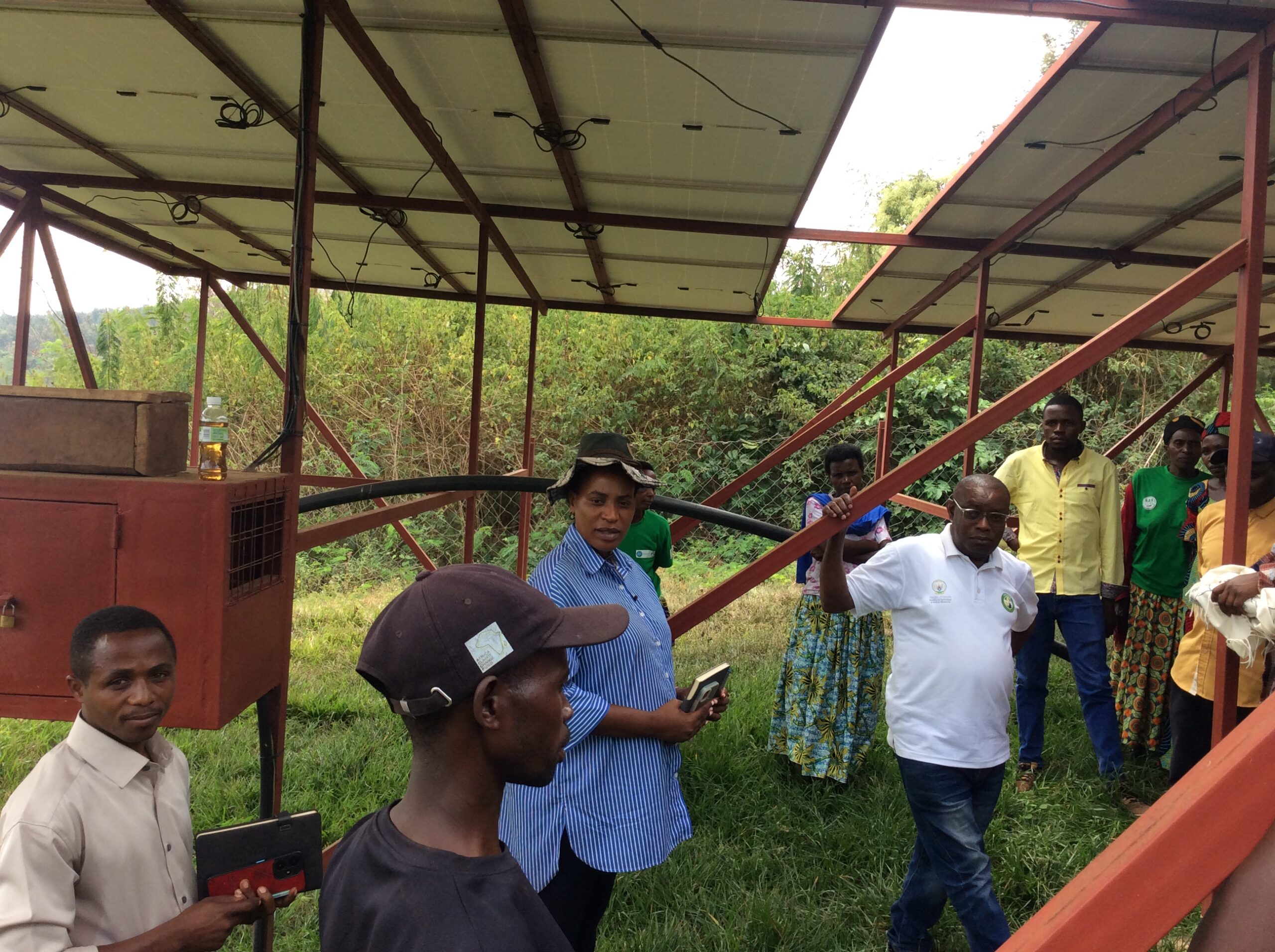
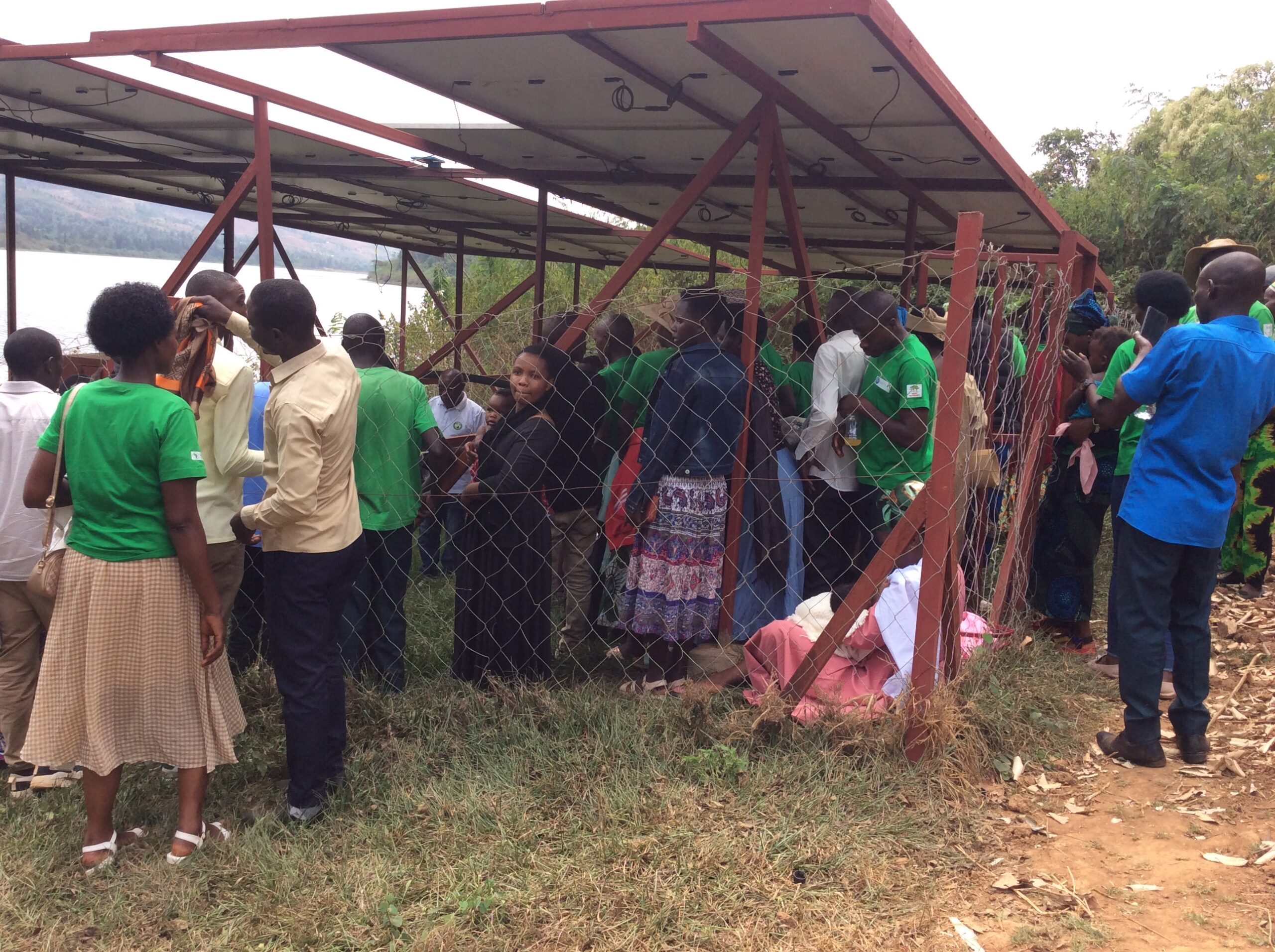
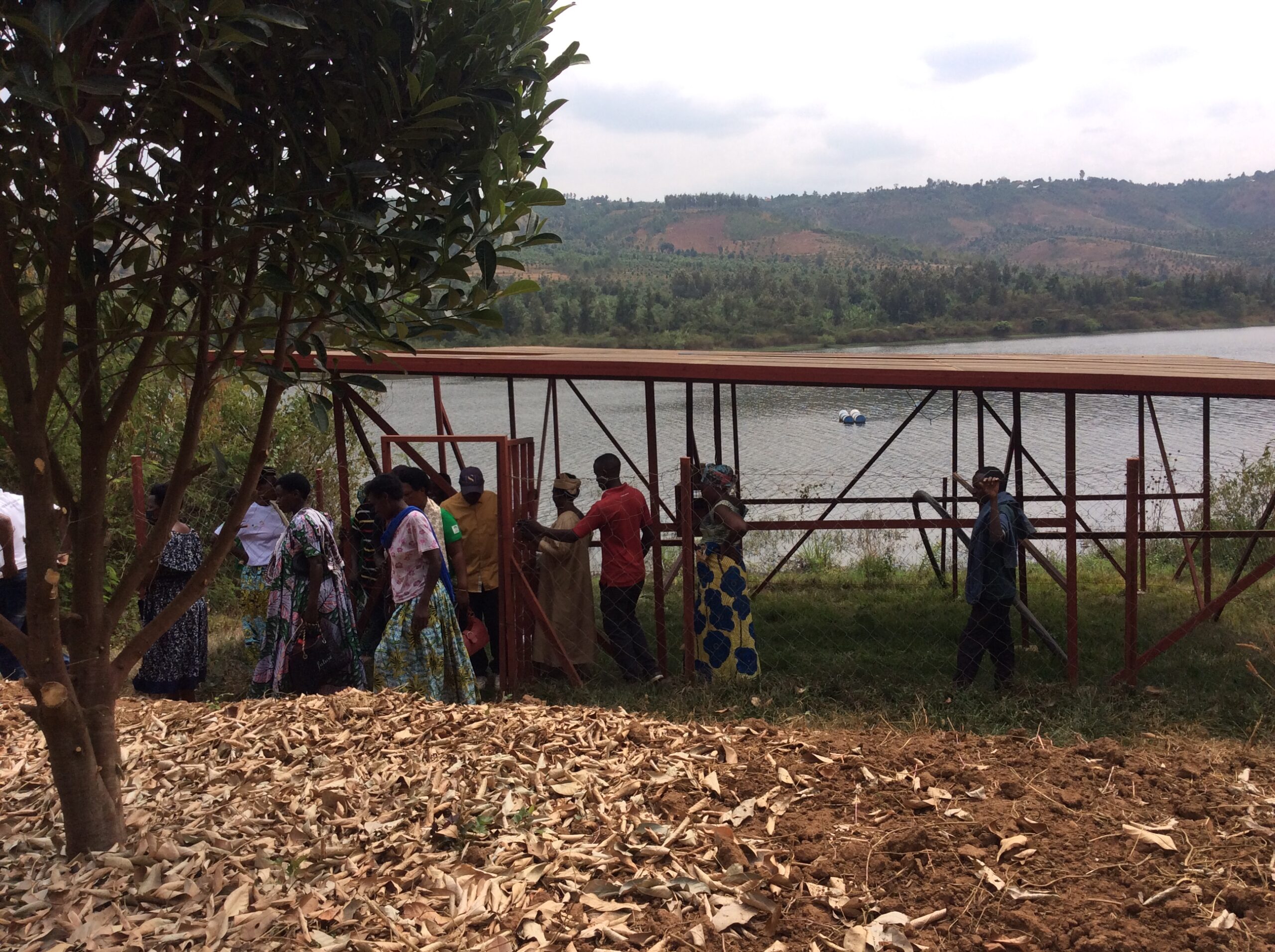
At the heart of the initiative is a 22-hectare solar-powered irrigation system installed within the cooperative’s much larger 1,307-hectare orchard.
Before the system was introduced, farmers relied entirely on diesel-powered generators.
“I was responsible for irrigation before we switched to solar,” said Kuruyasange Théogène, a lead farmer and community extension volunteer.
“We operated about 180 diesel-powered pumps and spent around one million Rwandan francs every day on fuel. It was expensive and it also polluted the environment.”
He said the project helped farmers view the region’s intense sunshine differently.
“We realised that the same sun that had become our greatest challenge could also become our solution.”
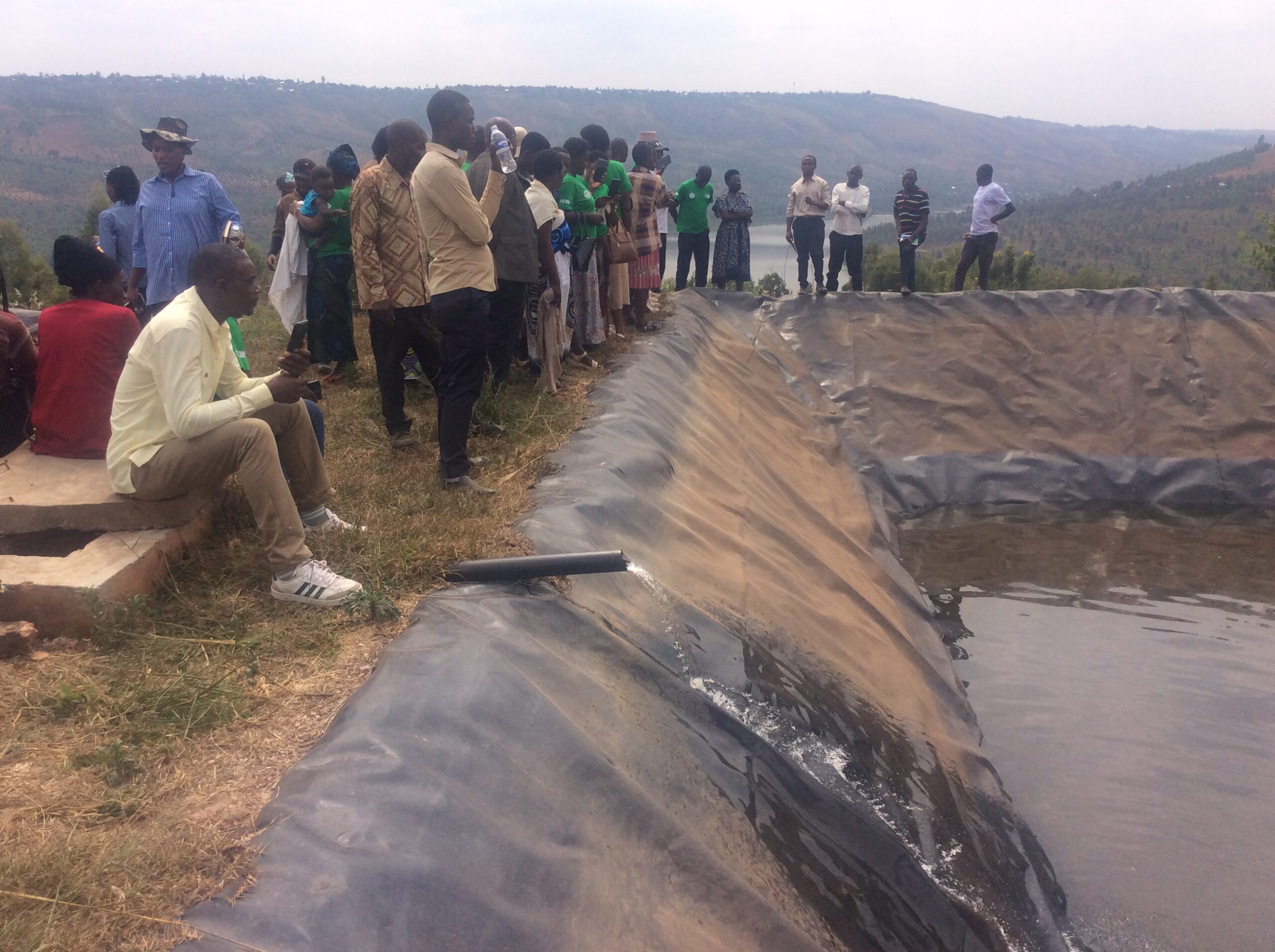
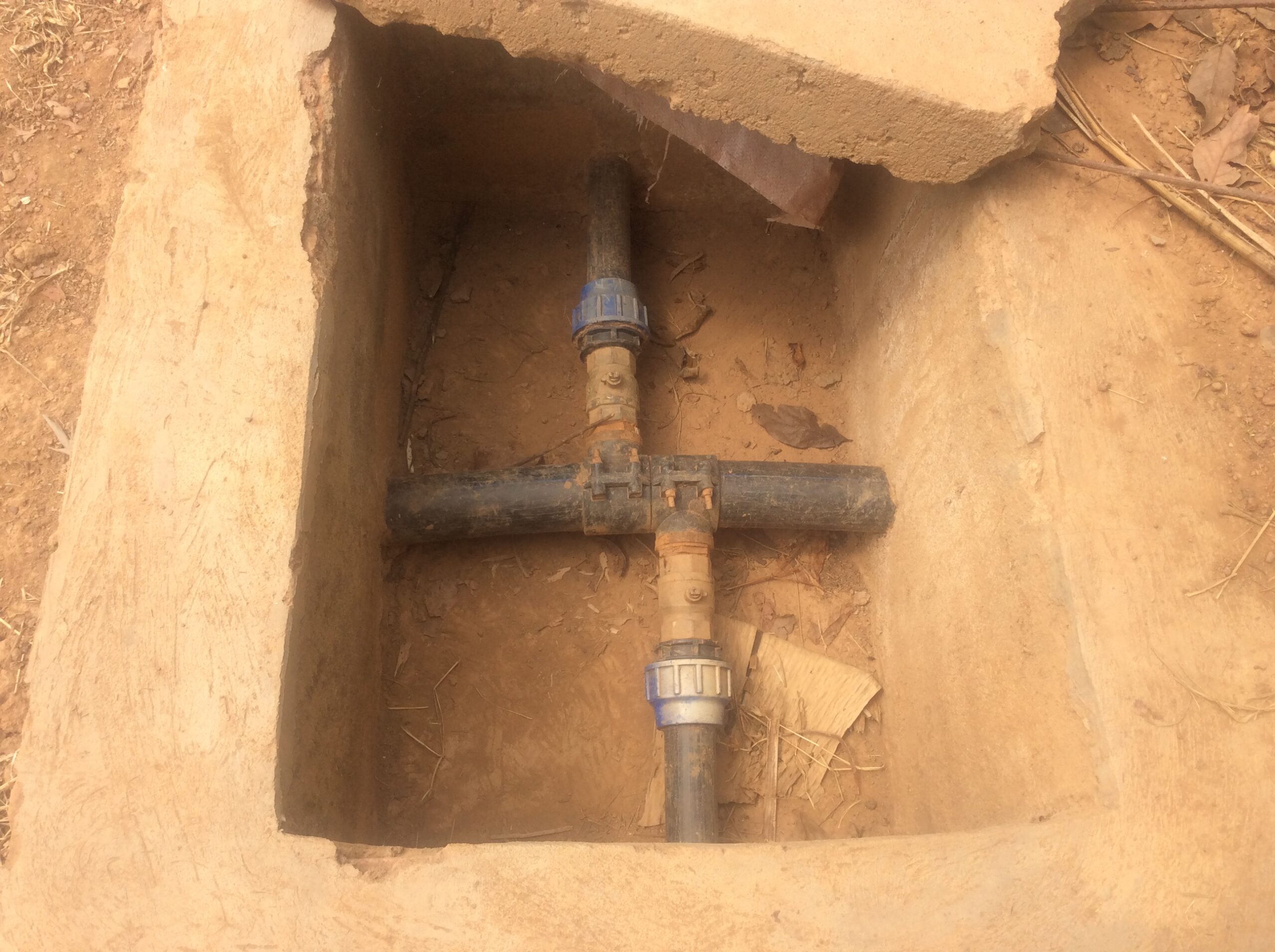
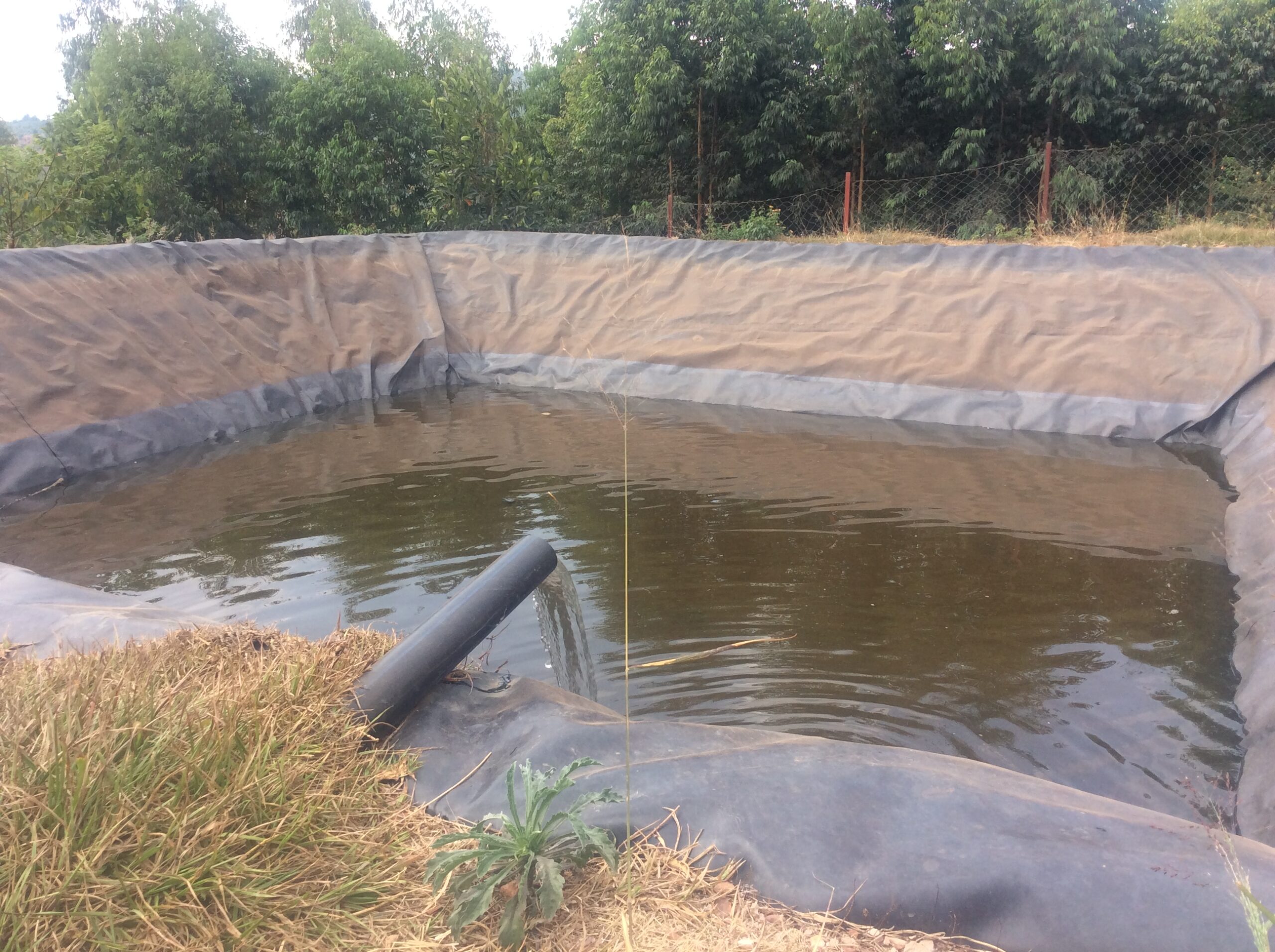
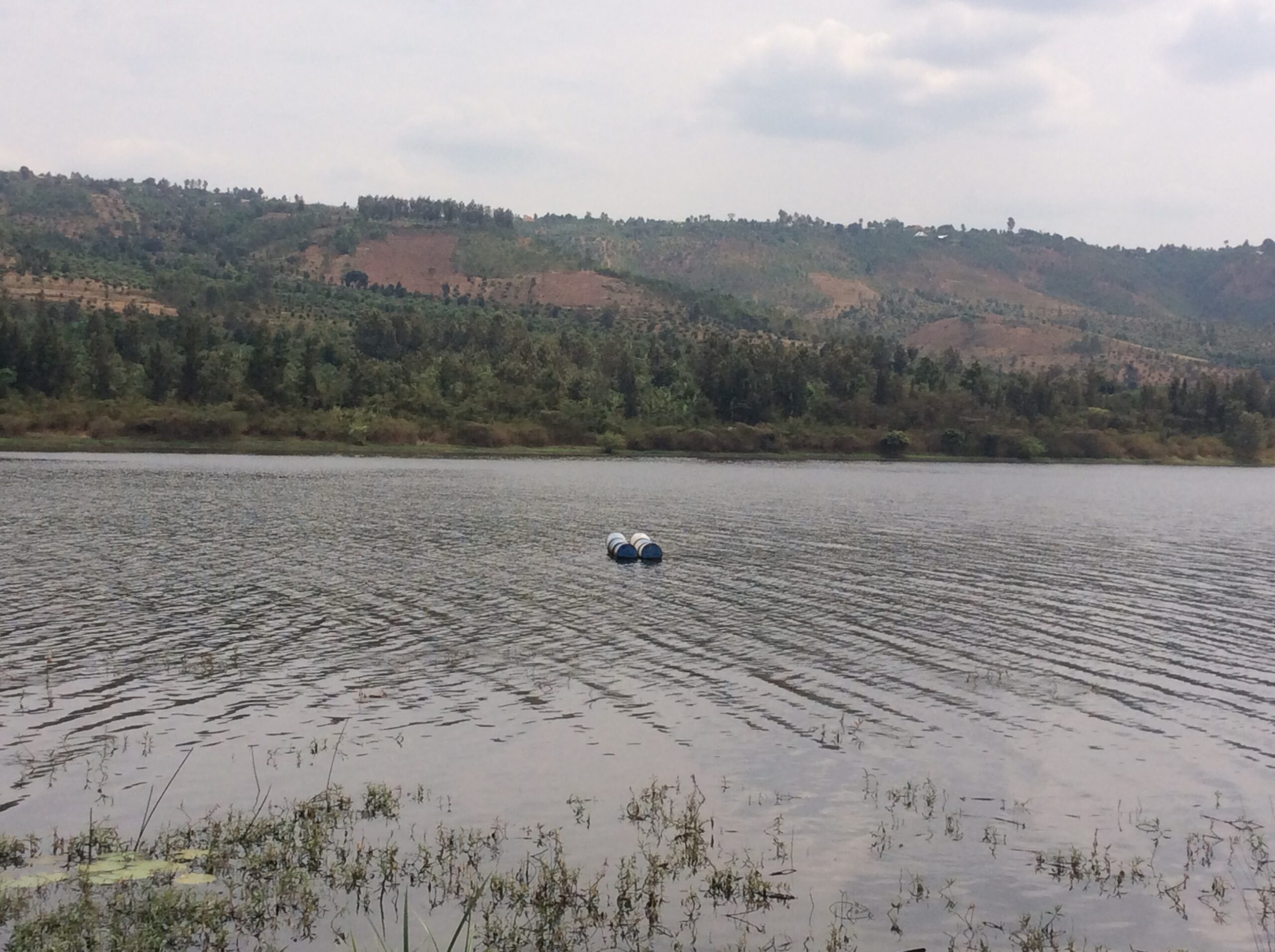
Solar panels now generate electricity that powers underground pumps, lifting water to storage reservoirs before it is distributed through irrigation pipes across the orchard.
According to project partners, the technology has significantly reduced operating costs while providing farmers with a more reliable and environmentally friendly source of irrigation.
For farmer Tuyishimire Fred, the impact has been life changing.
Five years ago, he planted 80 avocado trees on about half a hectare of land after previously growing cassava, maize and beans mainly for household consumption.
The trees began producing fruit after three years.
“Compared with the crops we used to grow before, avocados have brought us much better returns,” he said.
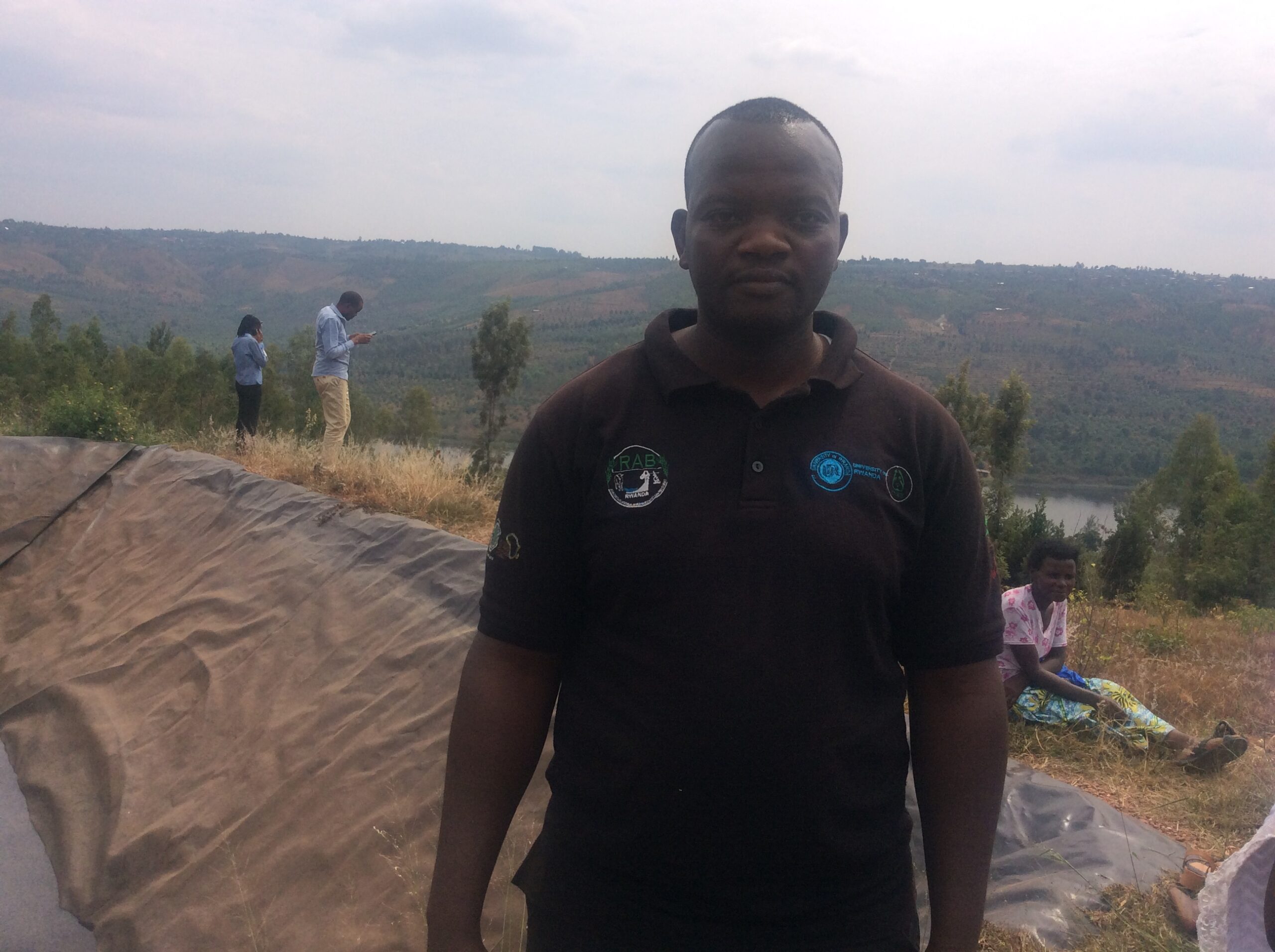
He estimates that a single harvest can generate around Rwf500,000 when the orchard is well managed.
Over the past two years, the income has enabled him to buy a motorcycle worth Rwf2.3 million, purchase a cow for Rwf800,000 and save more than Rwf1 million.
“Everything I have achieved came from avocado farming,” he said.
Irrigation has also improved fruit quality.
Kamagaju Anathalie, an irrigation specialist with RAB, during the site visit said avocados grown under irrigation generally achieve Grade One quality, making them suitable for export markets and allowing farmers to earn around Rwf 1,000 per kilogram.
Without irrigation, many farmers harvest Grade Two fruit, which is typically sold on the domestic market for between Rwf 250 and Rwf 300 per kilogram.
“The difference is not only in the quantity of fruit but also in its quality,” she said. “Trees that receive sufficient water produce larger and better-quality avocados.”
Beyond irrigation, farmers have been encouraged to adopt farming practices that protect soils and reduce dependence on chemical pesticides.
Farmers mulch around trees to retain moisture, produce organic compost, prune branches to improve air circulation and minimise soil disturbance during the dry season to protect beneficial soil organisms. Chemical pesticides are recommended only as a last resort after other orchard management practices have been exhausted.
“Our group has 156 farmers, including 58 women,” Théogène said.
“Today, avocado farming helps us educate our children, pay for community health insurance and improve nutrition in our households.”
He recalled that between 2013 and 2015, many families in the area relied on food assistance because recurring drought had severely reduced harvests.
“Planting fruit trees was not only about fighting hunger,” he said. “It was also about restoring our environment.”
Despite the progress, challenges remain.
Only 22 hectares of the cooperative’s 1,307 hectares are currently covered by the solar-powered irrigation system, leaving many farmers dependent on rainfall or costly diesel irrigation during prolonged dry spells.
Muvunyi said expanding the system will depend largely on additional funding because irrigation infrastructure remains expensive.
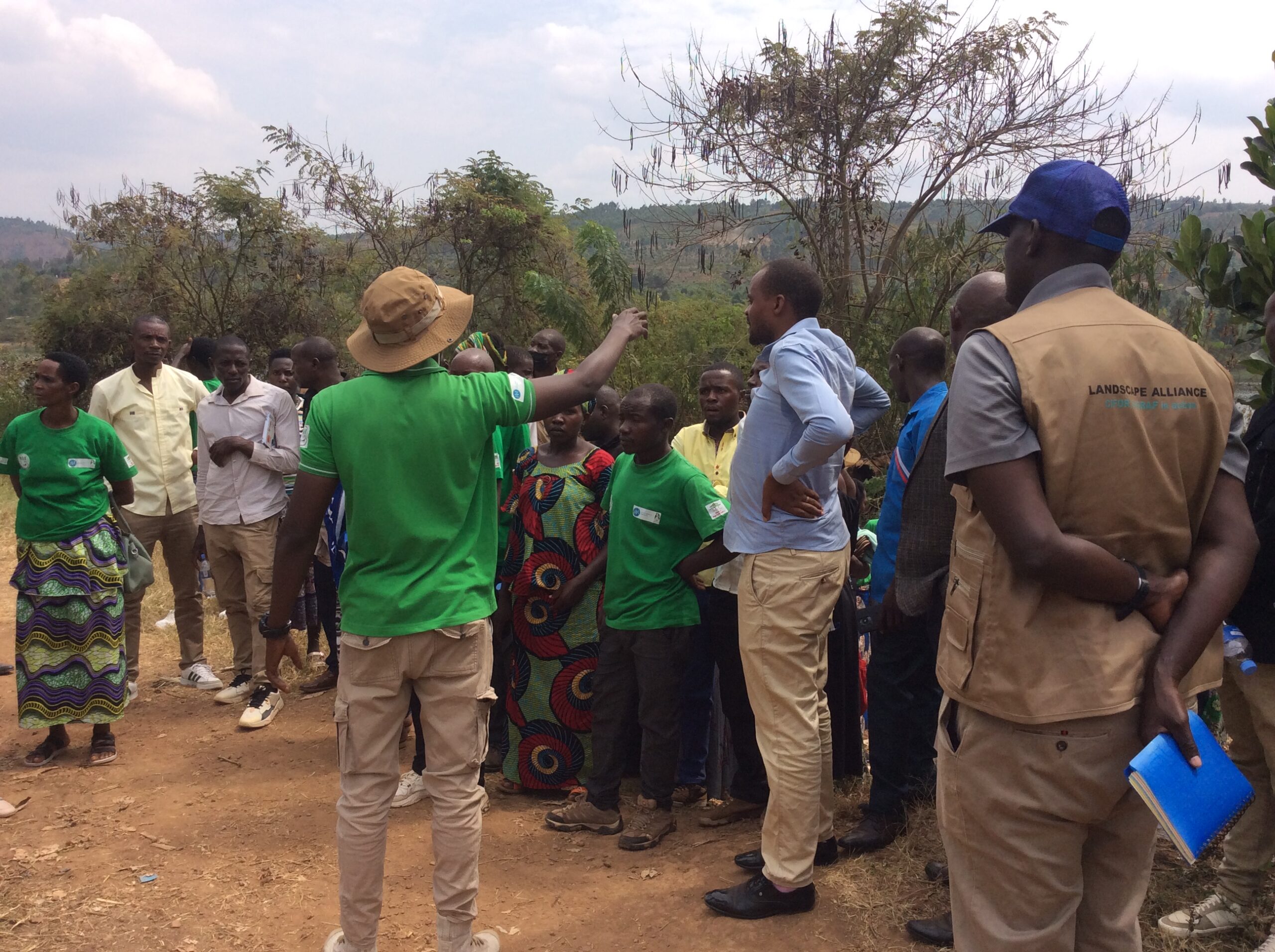
To help address that challenge, RAB is encouraging farmers to organise themselves into cooperatives or Water User Associations, allowing them to access government subsidies covering up to 75 percent of the cost of solar-powered irrigation systems while also creating local maintenance funds to ensure the infrastructure remains operational.
According to Dr. Gatari of CoEB, around Rwf120 million was invested to establish the 22-hectare solar irrigation system, while efforts continue to mobilise additional resources to expand irrigation across the remaining orchard.
Another challenge lies beyond the farm itself.
Although farmers are increasingly producing export-quality avocados, poor road conditions continue to make it difficult to transport produce to market during the rainy season.
“When heavy rains fall, trucks cannot reach us because the road becomes too slippery,” Fred said. “Improving this road would help us develop much faster.”
For farmers in Kayonza, the same sunshine that once dried crops and forced communities to struggle through repeated droughts is now helping power irrigation systems that are transforming orchards, improving livelihoods and demonstrating how renewable energy can strengthen agriculture in one of Rwanda’s hottest regions.

Related Articles
Three Miners Missing After Flooding at Kayonza Mine in Rwanda
Three miners were missing this Sunday after water flooded an underground mine...
Uwimanimpaye Cyiza Marie ClemenceOctober 11, 2026 
Permagardens offer a new start for drought-hit families in coastal Kenya
By Afia Agyapomaa Ofosu MBUGUNI, Kenya – For families in Mbuguni, a...
Uwimanimpaye Cyiza Marie ClemenceOctober 8, 2026 
Rwanda and Senegal deepen economic ties, with agriculture and standards in focus
KIGALI, Oct. 8, 2026 – Rwanda and Senegal have signed 11 agreements...
Uwimanimpaye Cyiza Marie ClemenceOctober 8, 2026 

Proposed Climate Insurance Could Cushion Rwanda’s Mine Workers Against Rainy-Season Income Losses
A proposed climate insurance scheme could help protect mine and quarry workers...
Uwimanimpaye Cyiza Marie ClemenceSeptember 30, 2026
Leave a comment