


REMA Urges Responsible Waste Disposal as Dry Season Raises Pollution Risks to Water Ecosystems
 Uwimanimpaye Cyiza Marie ClemenceJuly 21, 20263 Mins read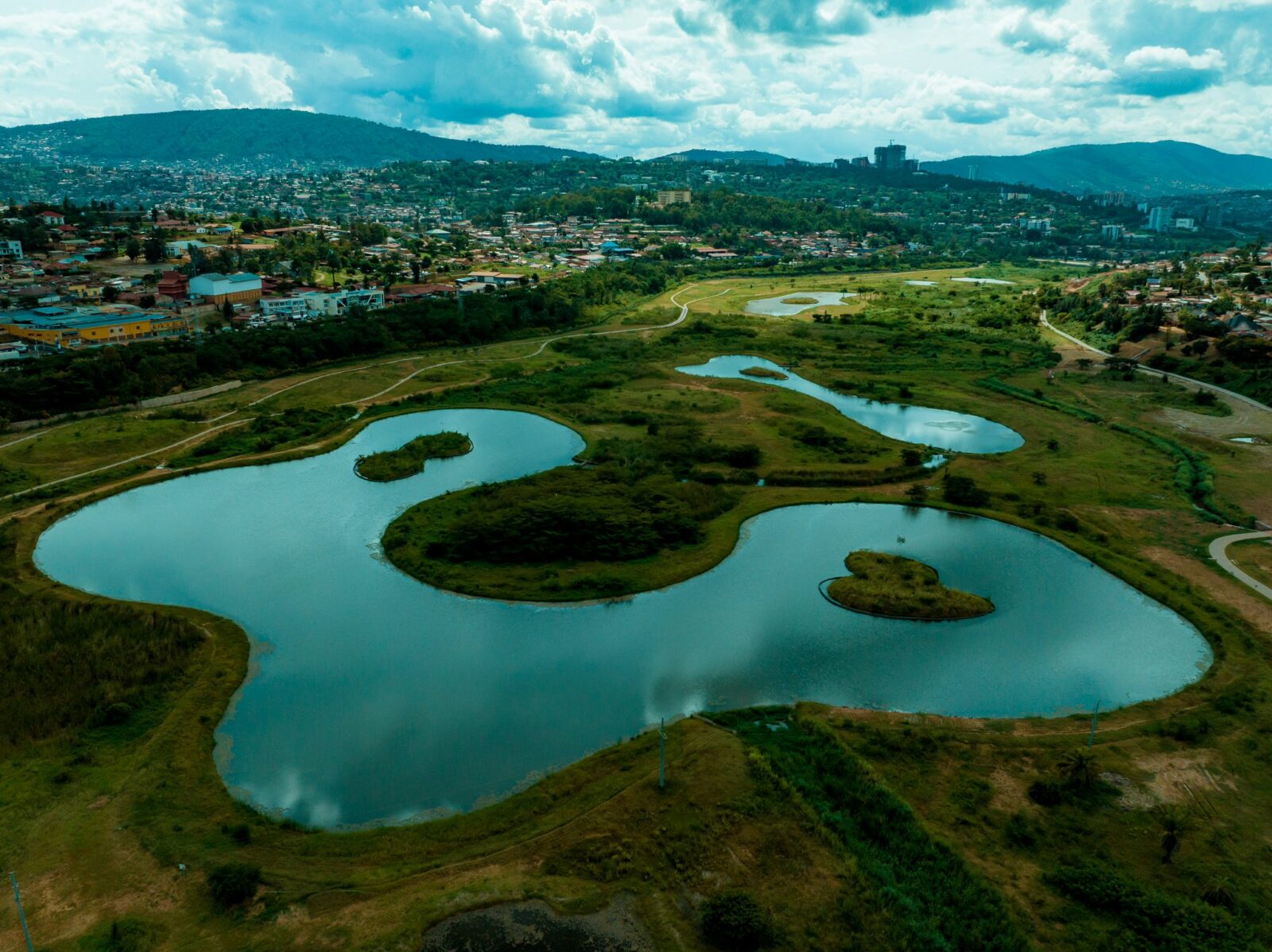
As Rwanda’s dry season lowers water levels in rivers, lakes and wetlands, the Rwanda Environment Management Authority (REMA) is urging the public to dispose of waste responsibly, warning that pollution can become more harmful when water bodies shrink.
In a public awareness message, REMA noted that reduced water levels during dry periods can increase the concentration of pollutants, posing greater risks to aquatic biodiversity and the health of freshwater ecosystems.
“Dry seasons reduce water levels, making pollution even more harmful and threatening aquatic biodiversity. Never dump waste into rivers, wetlands, or drainage channels. Clean water starts with responsible waste disposal,” REMA said.
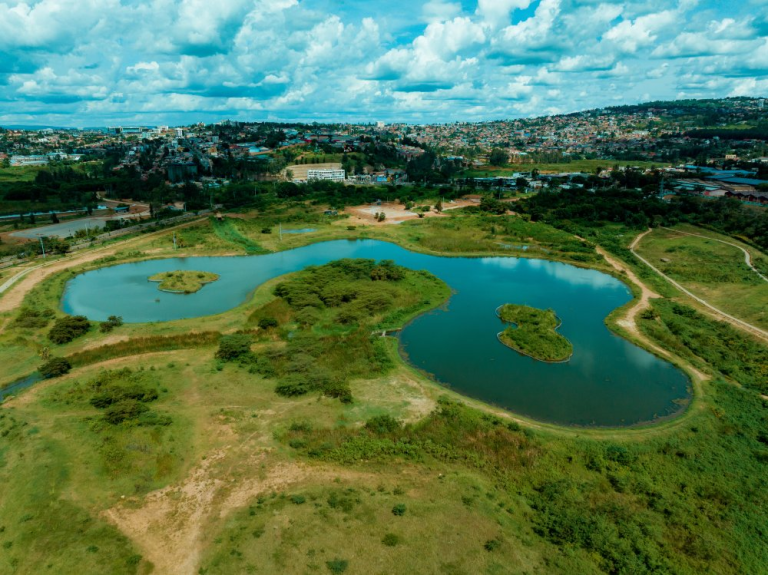
Freshwater ecosystems support a wide range of life while providing essential services, including water purification, flood regulation, groundwater recharge and habitats for fish, birds, amphibians and other species.
However, when household waste, plastics, construction debris and other pollutants enter rivers, wetlands or drainage channels, they can degrade water quality, damage habitats and reduce the ability of ecosystems to function effectively. Waste accumulation can also block drainage systems, increasing flood risks when rainfall returns.
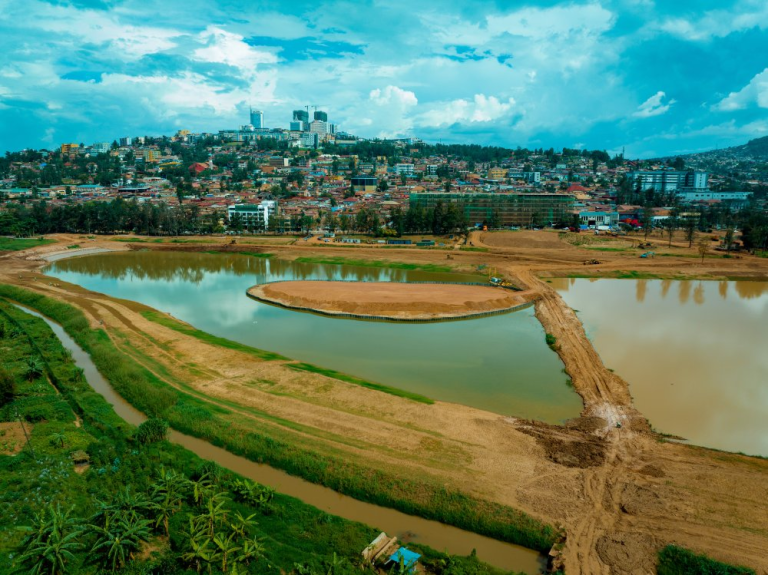
The warning comes amid growing global concern over freshwater resources as climate change, pollution and changing rainfall patterns place increasing pressure on rivers, lakes, wetlands and aquifers.
In its State of the Global Climate 2025 report, released in March 2026, the World Meteorological Organization (WMO) confirmed that 2015-2025 were the 11 warmest years on record, with 2025 ranking among the warmest years observed. The organization warned that rising temperatures are intensifying weather-related risks and highlighted the importance of climate services and early warning systems.
The WMO’s State of Global Water Resources 2024 report also showed growing instability in the global water cycle. Published in September 2025, the report found that only about one-third of the world’s river basins experienced normal conditions in 2024, while many others faced unusually high or low water flows, reflecting continued shifts between drought and flooding.
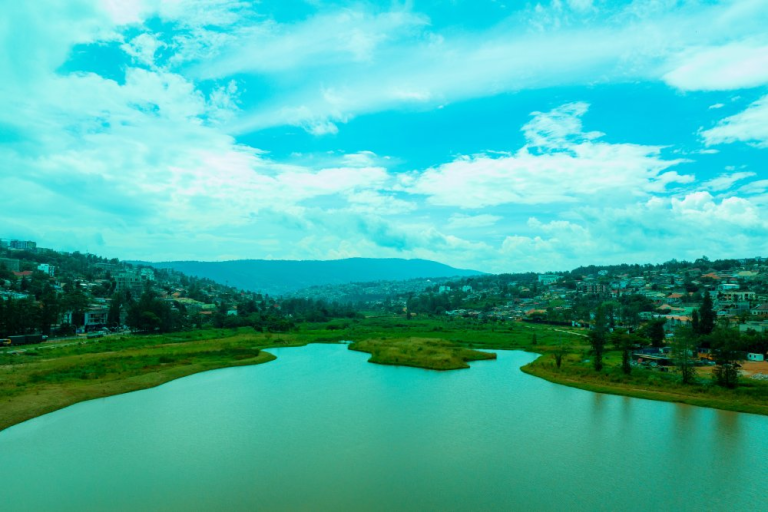
The United Nations Environment Programme (UNEP) and UN-Water have similarly highlighted increasing pressure on freshwater ecosystems from pollution, habitat degradation, climate change and unsustainable water use. Protecting and restoring freshwater systems is increasingly recognized as essential for biodiversity conservation and climate resilience.
In Rwanda, wetlands are increasingly viewed not only as ecosystems to protect but also as natural infrastructure that helps cities adapt to climate challenges.
In Kigali, REMA has been leading the rehabilitation of five urban wetlands-Nyabugogo, Rugenge-Rwintare, Gikondo, Kibumba and Rwampara- restoring degraded ecosystems while improving flood management, water quality and biodiversity conservation.
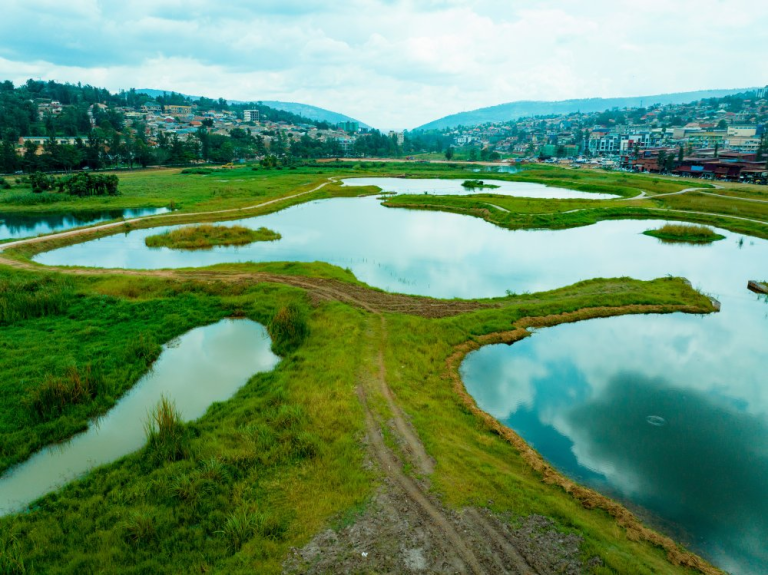
The restoration effort reflects a broader shift toward nature-based solutions, where ecosystems are integrated into urban planning. The World Bank describes Kigali’s wetland rehabilitation as a city-wide initiative designed to restore nearly 500 hectares of wetlands while creating spaces for biodiversity, recreation, education and community benefits.
“Kigali’s wetland renaissance is more than an environmental initiative; it represents a transformative vision of a modern, resilient African city,” said Juliet Kabera, Director General of REMA.
Kabera said restoring Kigali’s wetlands demonstrates that urban resilience cannot rely on built infrastructure alone.
“These projects demonstrate that true urban resilience isn’t built with concrete alone; it is strengthened by restoring nature to the heart of our city,” she said, adding that rehabilitating the city’s five wetlands would help reduce flood risks, protect biodiversity and create healthier, greener spaces for communities.
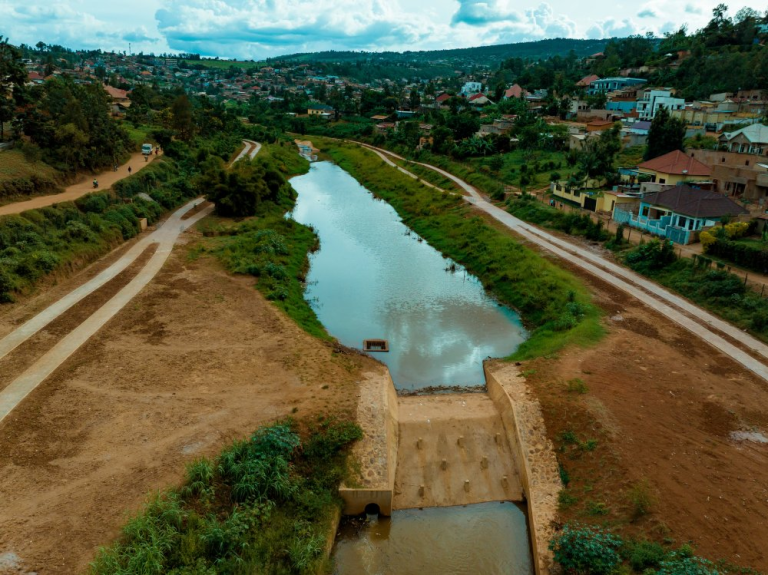
Healthy wetlands act as natural buffers: they absorb excess water during heavy rains, store water during drier periods, filter pollutants and provide habitats for wildlife. Their restoration is therefore increasingly seen as an important tool for helping cities respond to climate change.
But protecting water ecosystems does not depend on restoration projects alone. Daily actions by individuals and communities remain essential.
Proper waste disposal, reducing plastic litter, recycling where possible and keeping waste away from rivers, wetlands and drainage channels can help safeguard water quality and protect biodiversity.
As the dry season continues, REMA is encouraging citizens to take action before pollution causes lasting damage.
The message is simple: clean water starts with responsible waste disposal. Protecting Rwanda’s rivers and wetlands is a shared responsibility; one that supports healthier ecosystems today while strengthening resilience for the future.


Related Articles
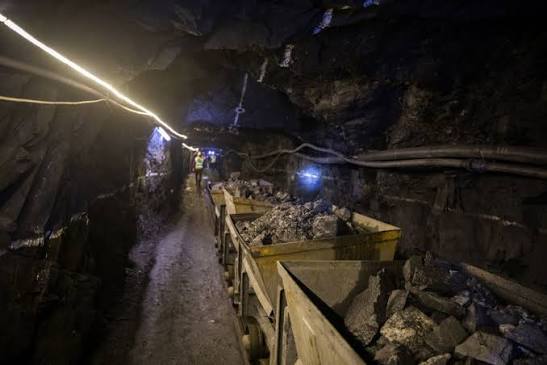
Three Miners Missing After Flooding at Kayonza Mine in Rwanda
Three miners were missing this Sunday after water flooded an underground mine...
Uwimanimpaye Cyiza Marie ClemenceOctober 11, 2026 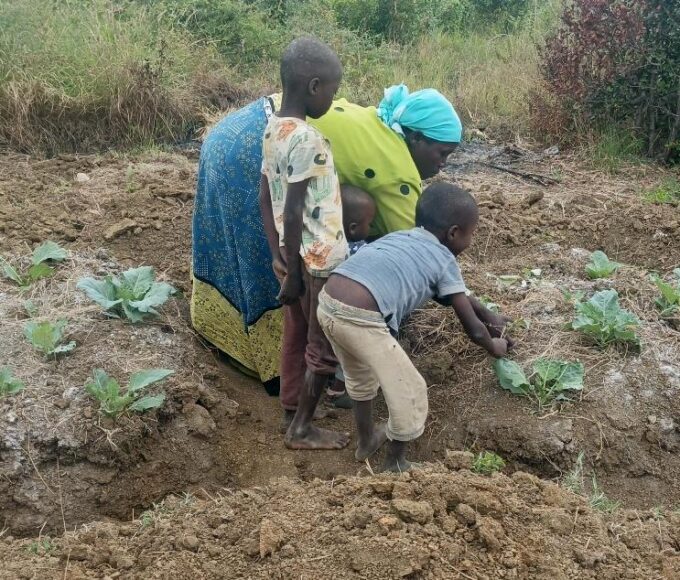
Permagardens offer a new start for drought-hit families in coastal Kenya
By Afia Agyapomaa Ofosu MBUGUNI, Kenya – For families in Mbuguni, a...
Uwimanimpaye Cyiza Marie ClemenceOctober 8, 2026 
Rwanda and Senegal deepen economic ties, with agriculture and standards in focus
KIGALI, Oct. 8, 2026 – Rwanda and Senegal have signed 11 agreements...
Uwimanimpaye Cyiza Marie ClemenceOctober 8, 2026 

Proposed Climate Insurance Could Cushion Rwanda’s Mine Workers Against Rainy-Season Income Losses
A proposed climate insurance scheme could help protect mine and quarry workers...
Uwimanimpaye Cyiza Marie ClemenceSeptember 30, 2026
Leave a comment