




Rwandan Intore Dance Joins World Cultural Heritage
 Uwimanimpaye Cyiza Marie ClemenceDecember 3, 20242 Mins read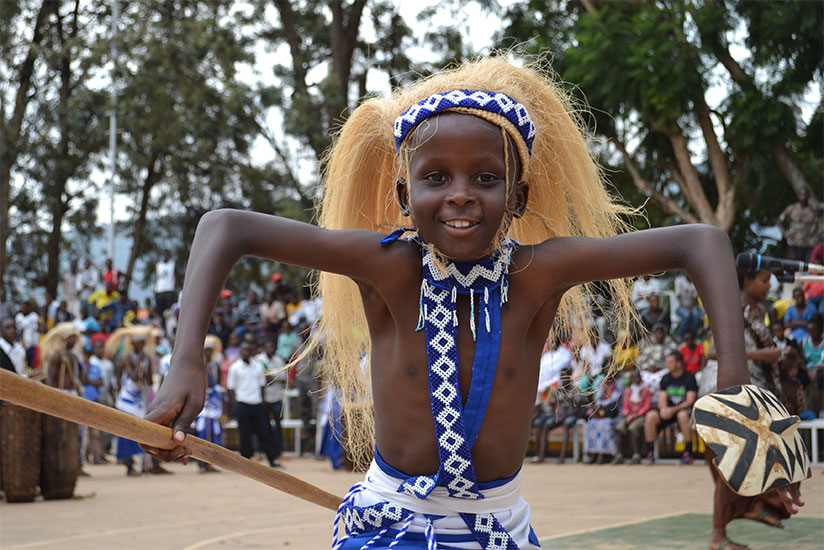
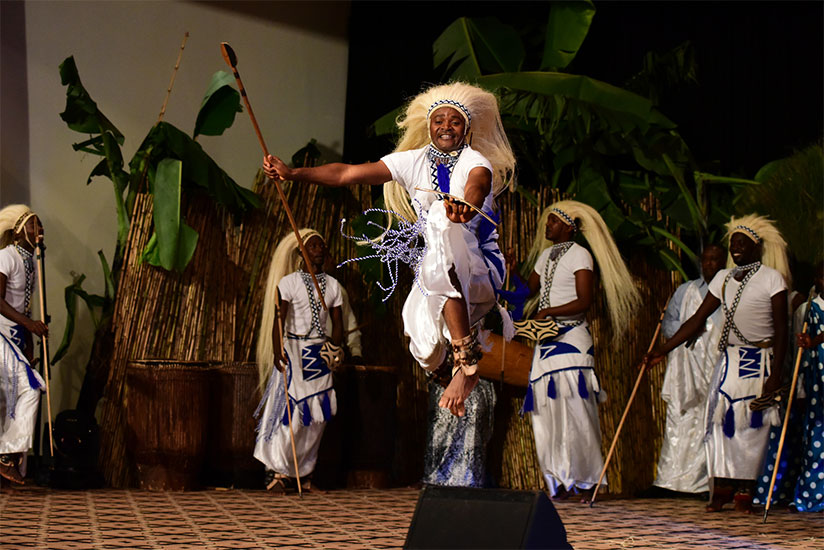
The Rwandan Intore dance has recently been added to the United Nations Educational, Scientific and Cultural Organization (UNESCO) list of the world’s intangible cultural heritage. This prestigious recognition highlights the cultural significance of the Intore dance, which has been celebrated for its unique performance style by groups such as Rwanda National Ballet Urukerereza and others widely admired both within Rwanda and beyond.
The announcement was made on December 3, 2024, through UNESCO’s official website and its social media platforms, including X (formerly Twitter), underscoring the global importance of this traditional art form. Intore’s inclusion came during the 19th session of the UNESCO Council of Representatives for the Protection of World Heritage, held in Asunción, Paraguay, from December 2-7, 2024. Notably, Intore is the first Rwandan entertainment tradition to earn this honor.
In addition to the Intore dance, UNESCO recognized various other cultural practices around the world, such as the fish farming methods of Korea, Serbia’s tradition of painting, and Saudi Arabia’s art of rose flower arranging.
This recognition of Intore follows a significant pattern of acknowledgment for Rwandan culture. Just a year before this event, four monuments related to the 1994 genocide against the Tutsi and Nyungwe National Park were also inscribed on the World Heritage list.
Described by UNESCO as a dynamic and symbolic dance, Intore features performers arranged in lines to mimic warriors on a battlefield. Through precise movements with spears, shields, and traditional instruments like drums and horns, dancers reenact a battle with an unseen enemy. Accompanied by songs and poems that celebrate victory, the dance is a powerful expression of strength and resilience. It plays a central role in community events such as harvest festivals and ceremonial welcome celebrations.
The origins of Intore trace back to the reign of King Kigeli IV Rwabugili in the late 19th century. The dance, known as “Umuhamirizo w’Intore,” was initially a male-only performance, designed to showcase military prowess and bravery.
Introduced by Prince Muhigirwa, son of Kigeli IV, the dance became a key component of royal ceremonies before spreading to the broader population. With influences from both Rwandan and Burundian traditions, the dance represents an impressive fusion of cultures, blending ceremonial and martial elements.
Today, the Intore dance stands as a cherished cultural treasure, embodying both Rwanda’s history and its vibrant, living traditions.




Related Articles

New biodiversity outlook seeks to turn regional knowledge into conservation action
NAIROBI, Kenya, Sept. 22, 2026 -A new regional biodiversity publication covering 24...
Uwimanimpaye Cyiza Marie ClemenceSeptember 23, 2026 
Rwanda puts carbon markets at centre of climate finance push ahead of CMAS 2026
Rwanda is preparing to put carbon markets at the centre of its...
Uwimanimpaye Cyiza Marie ClemenceSeptember 21, 2026 
Rwanda seeks to keep mercury out of gold mining as illegal operations pose monitoring challenge
Rwanda has made significant progress in keeping mercury out of artisanal and...
Uwimanimpaye Cyiza Marie ClemenceSeptember 10, 2026 

From food waste to business: Rwanda’s CIRF project looks beyond five years
Rwanda is seeking to build on lessons from a five-year programme that...
Uwimanimpaye Cyiza Marie ClemenceSeptember 6, 2026
Leave a comment