

Rwanda launches $20 million Green Amayaga programme to boost climate resilience in southern districts
 Uwimanimpaye Cyiza Marie ClemenceJune 1, 20263 Mins read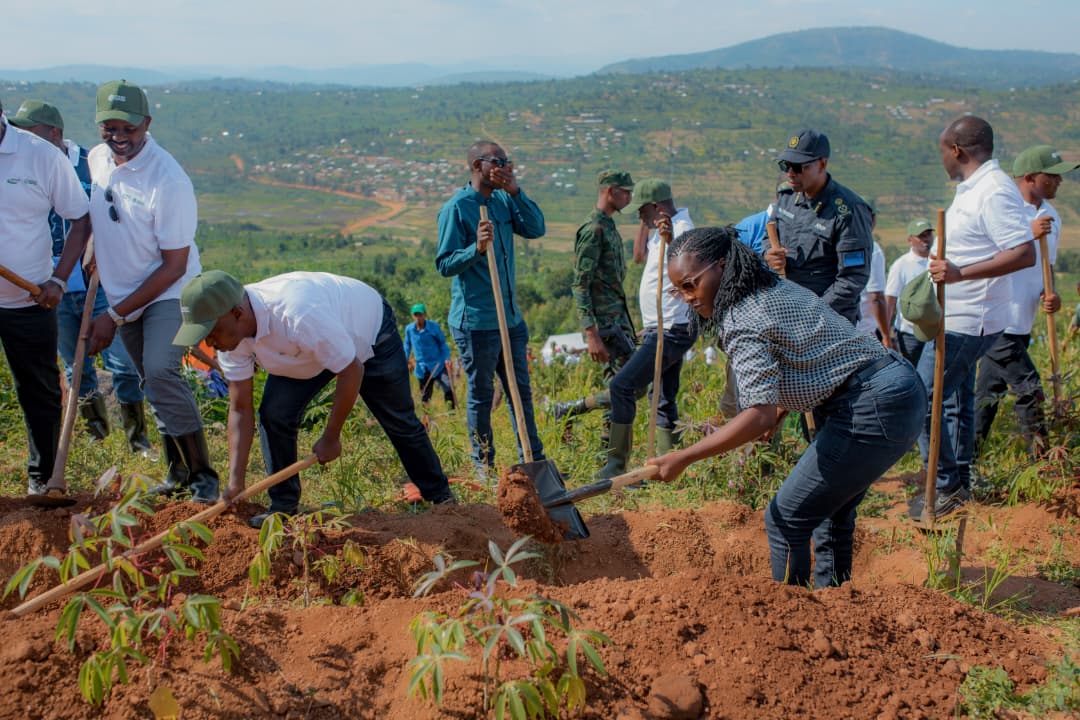
GISAGARA, Rwanda – Rwanda has launched a new $20 million phase of its Green Amayaga environmental restoration programme, seeking to build on gains made over the past six years in reversing land degradation, restoring ecosystems and strengthening climate resilience in the country’s drought-prone southern region.
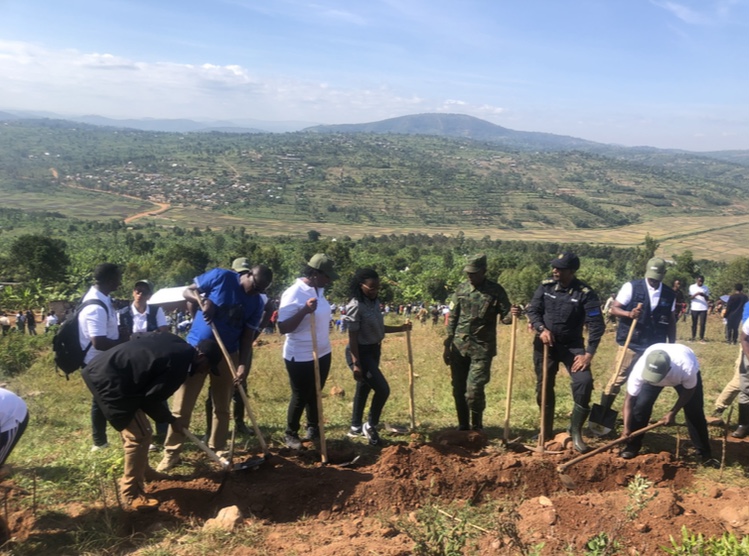
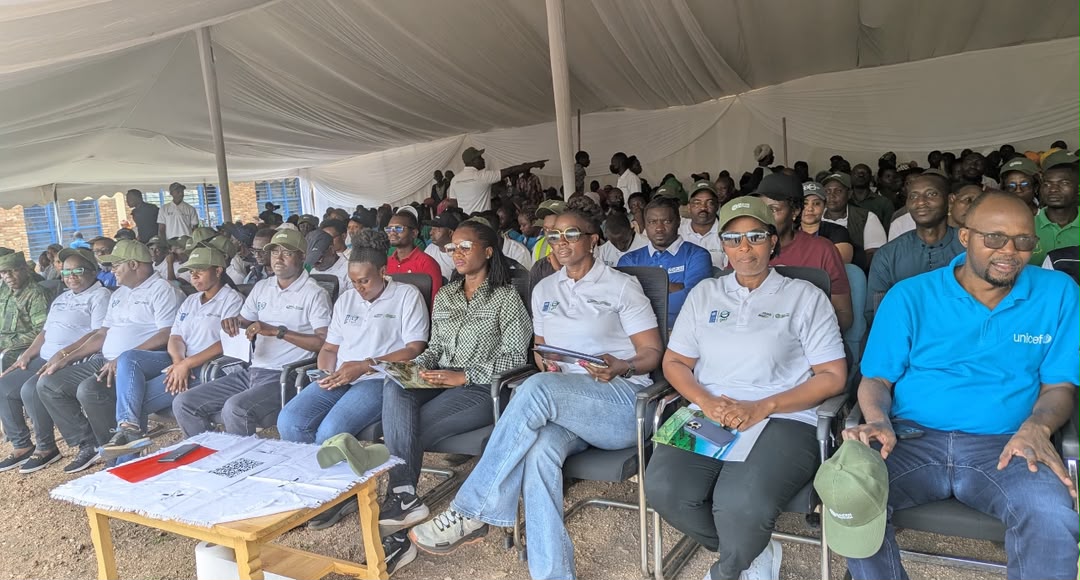
The launch, held in Gisagara District, marked both the conclusion of the first phase of Green Amayaga and the official start of a second six-year phase that will expand activities to additional districts while deepening efforts already underway in the Amayaga region.
During the interview, Rwanda Environment Management Authority (REMA) Director General Kabera Juliet said the initiative had transformed landscapes once threatened by severe erosion, declining soil fertility and advancing desertification.
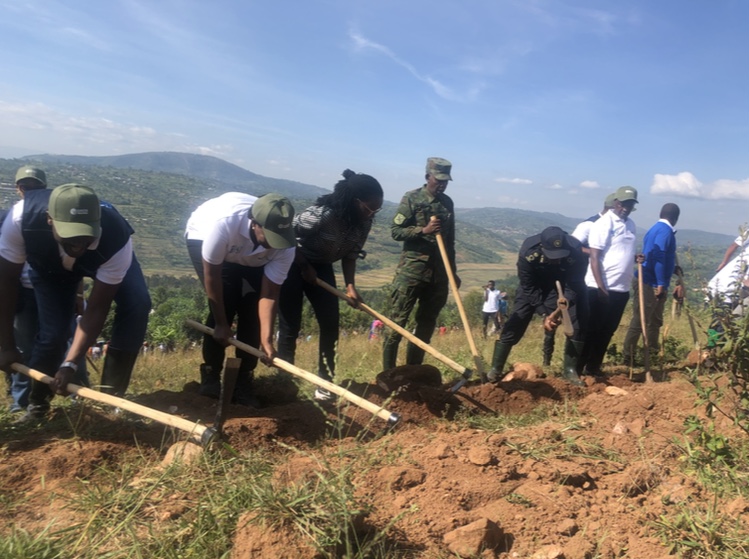
“The programme was designed to restore ecosystems that had been heavily degraded by soil erosion and drought,” Kabera said. “Through a combination of progressive terraces, tree planting, agroforestry and livelihood support, we have been able to protect the environment while improving the well-being of communities.”
The first phase of Green Amayaga operated in four districts and 20 sectors, combining environmental restoration with socio-economic interventions. Alongside erosion-control measures and reforestation, the project supported livestock distribution, climate-smart agriculture and alternative income-generating activities for local households.
According to Kabera, fruit trees planted under the programme are now producing harvests, while livestock provided to families have multiplied, improving household nutrition and generating income.
“We know that environmental protection begins with citizens,” she said. “One of the greatest lessons from the first phase was community ownership. Residents embraced the project as their own, and that commitment is one of the main reasons a second phase was secured.”
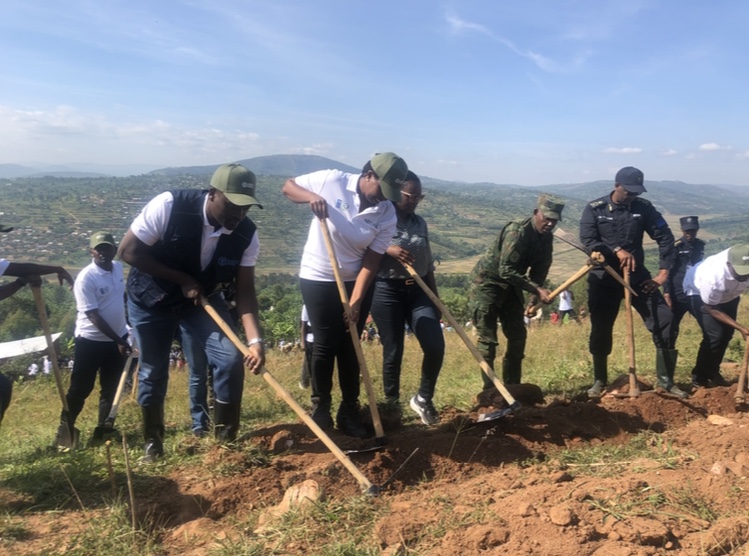
The second phase expands the programme’s coverage from Kamonyi, Gisagara, Ruhango and Nyanza districts to include Muhanga and Huye, increasing the geographical reach of restoration efforts across southern Rwanda.
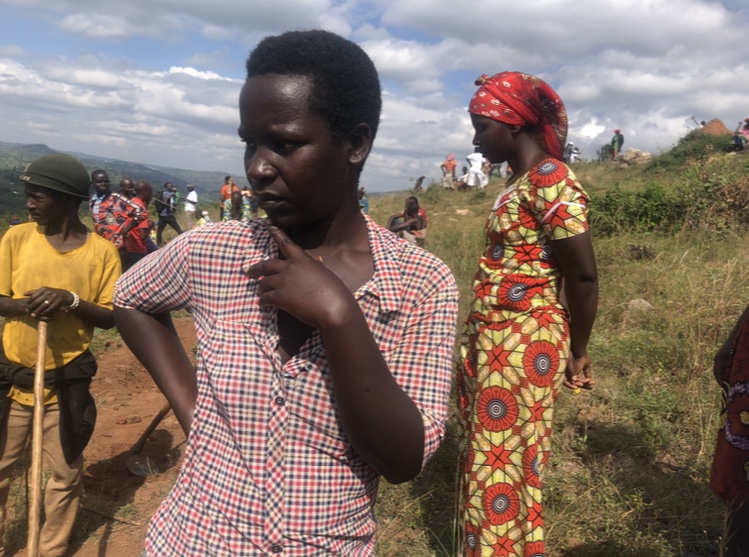
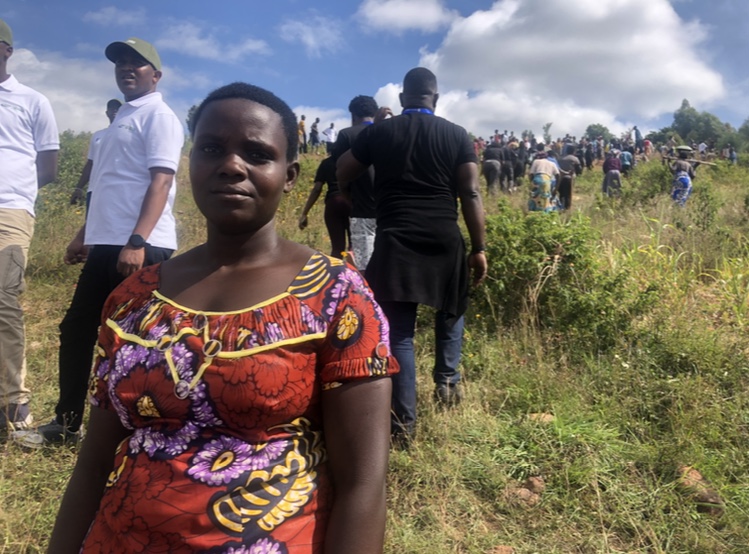
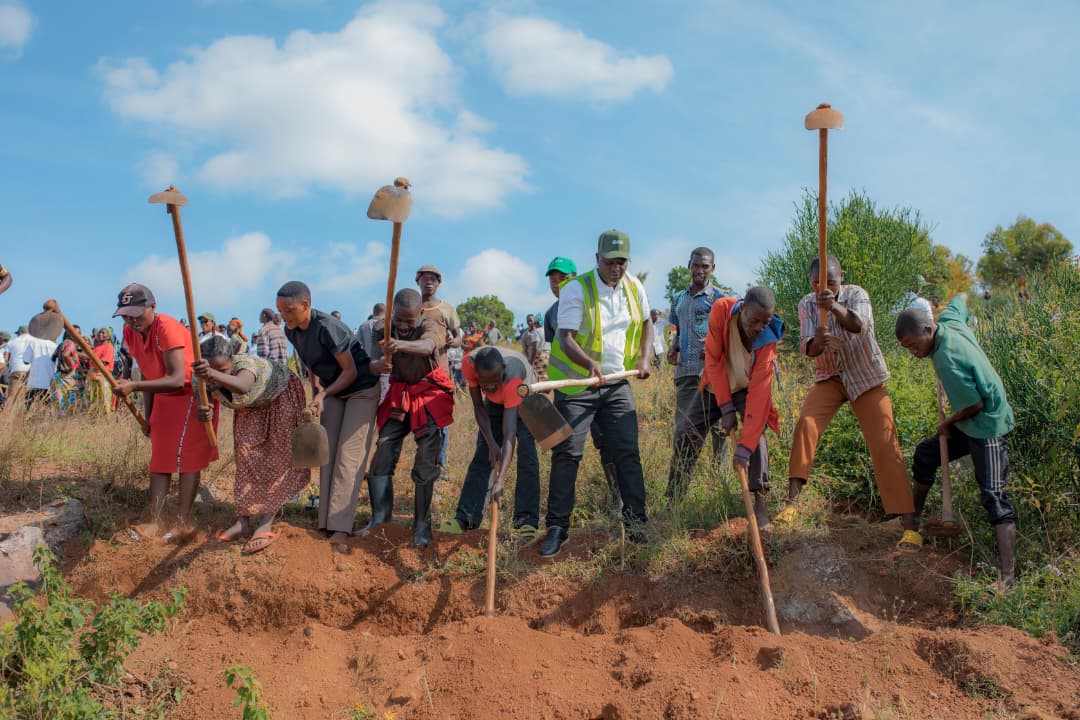
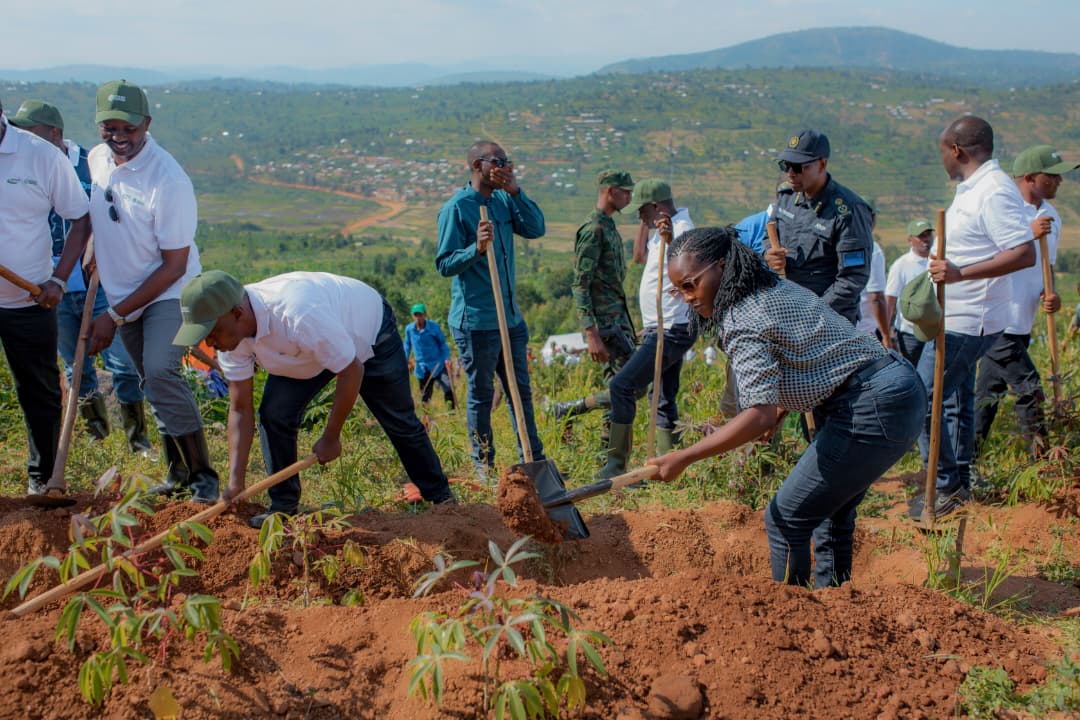
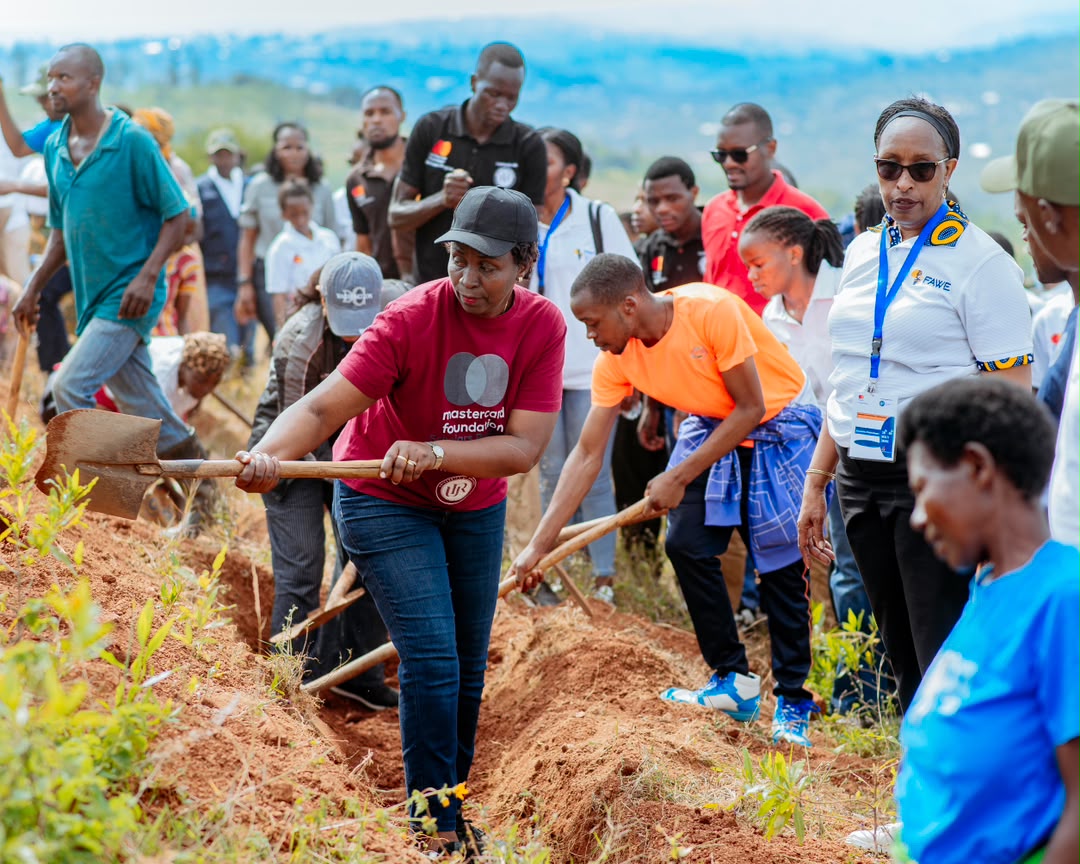
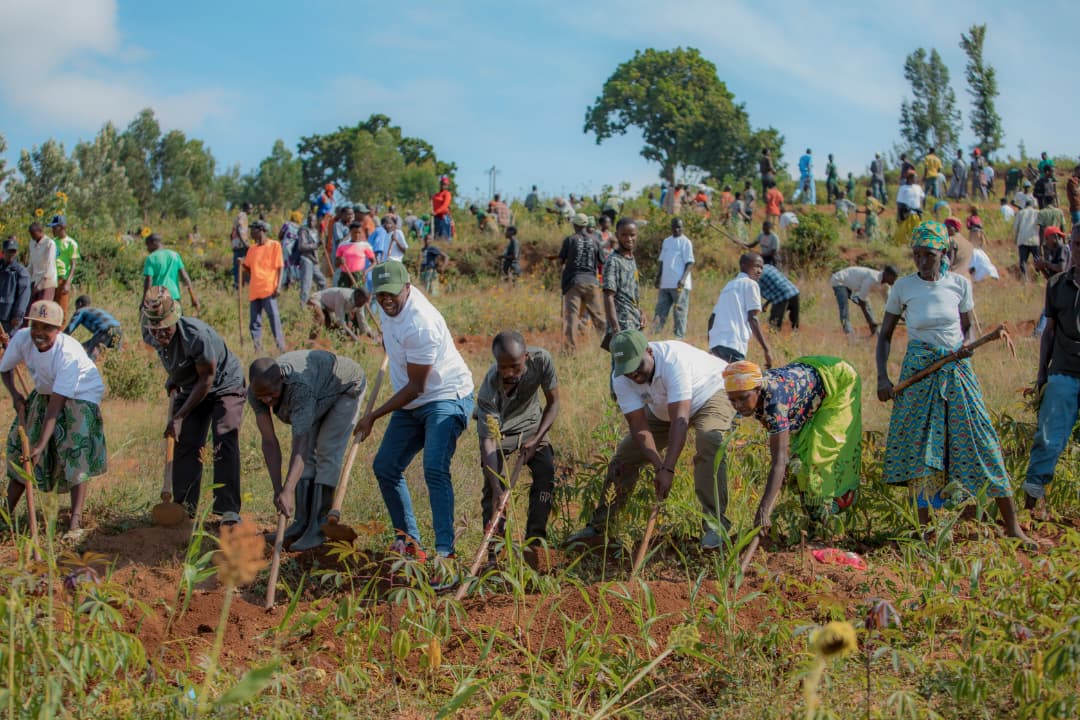
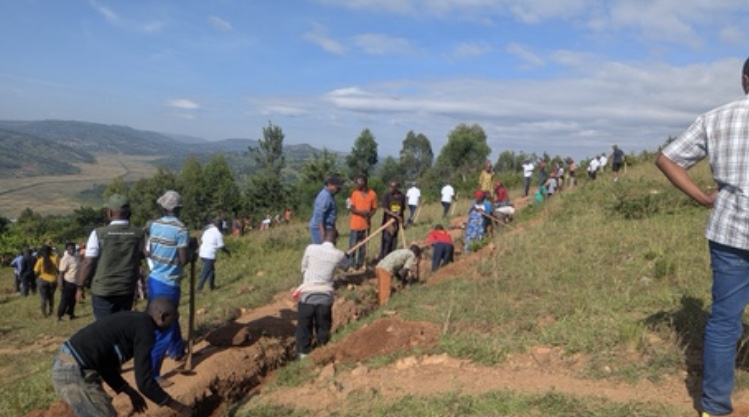
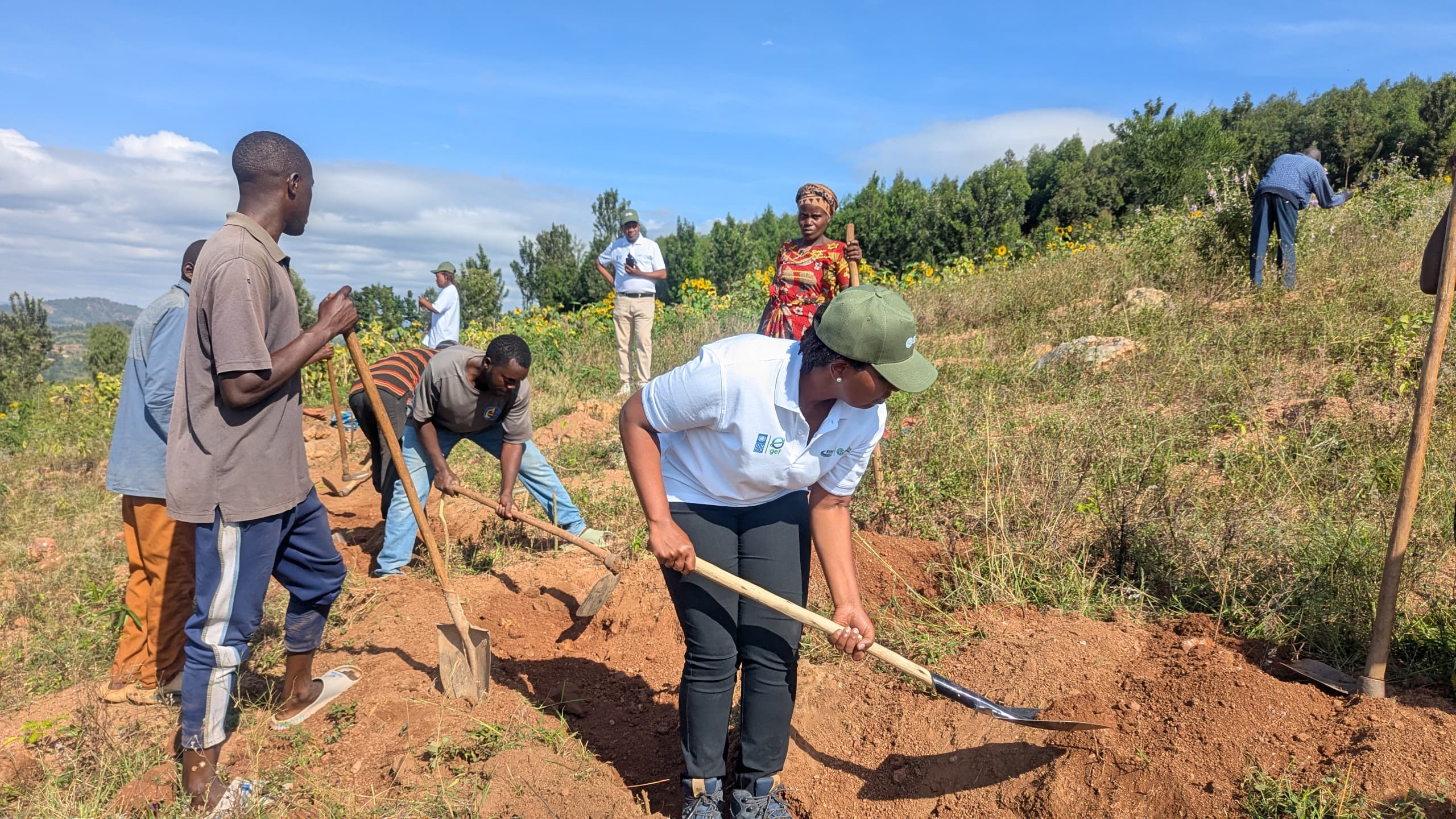
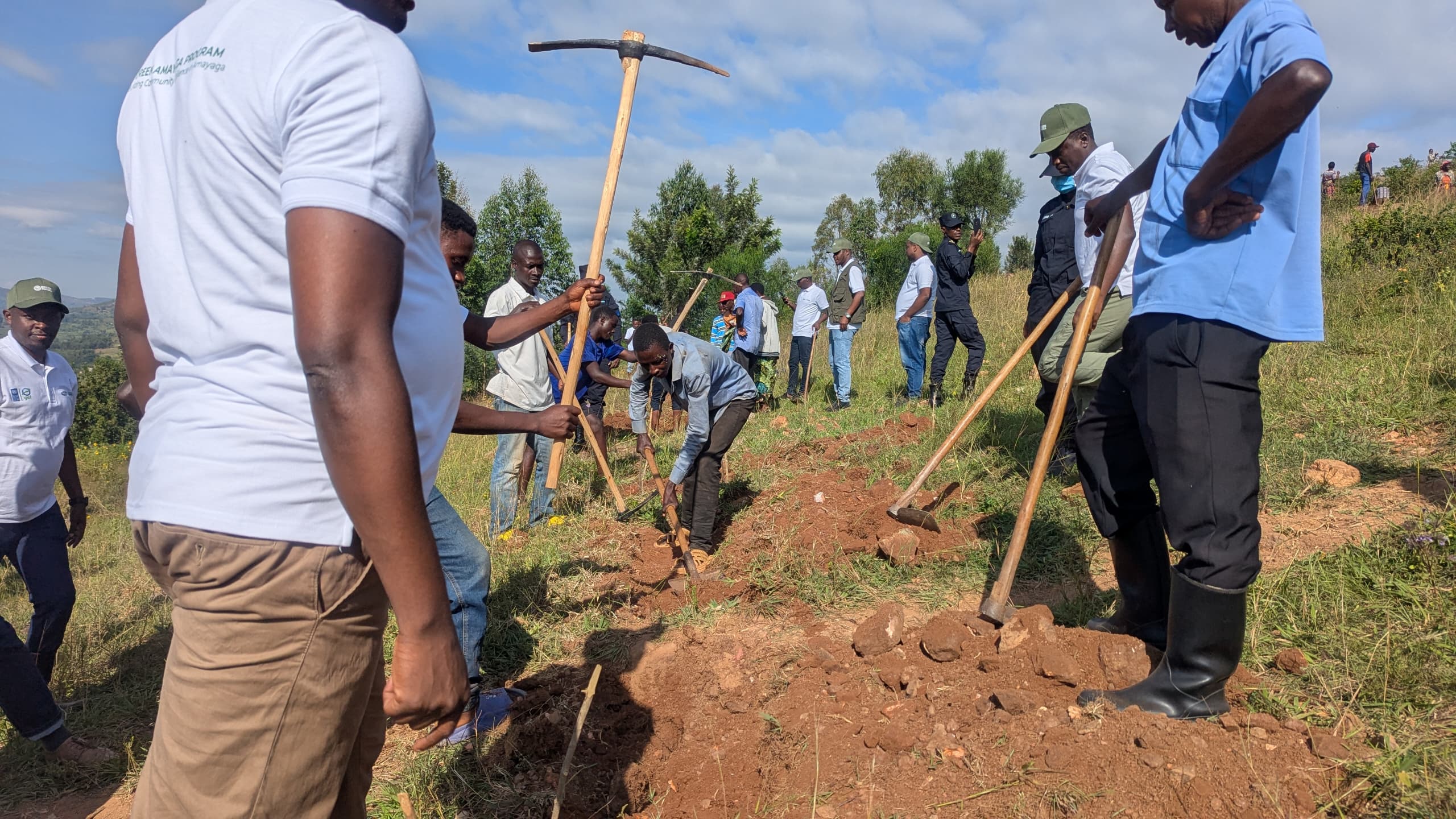
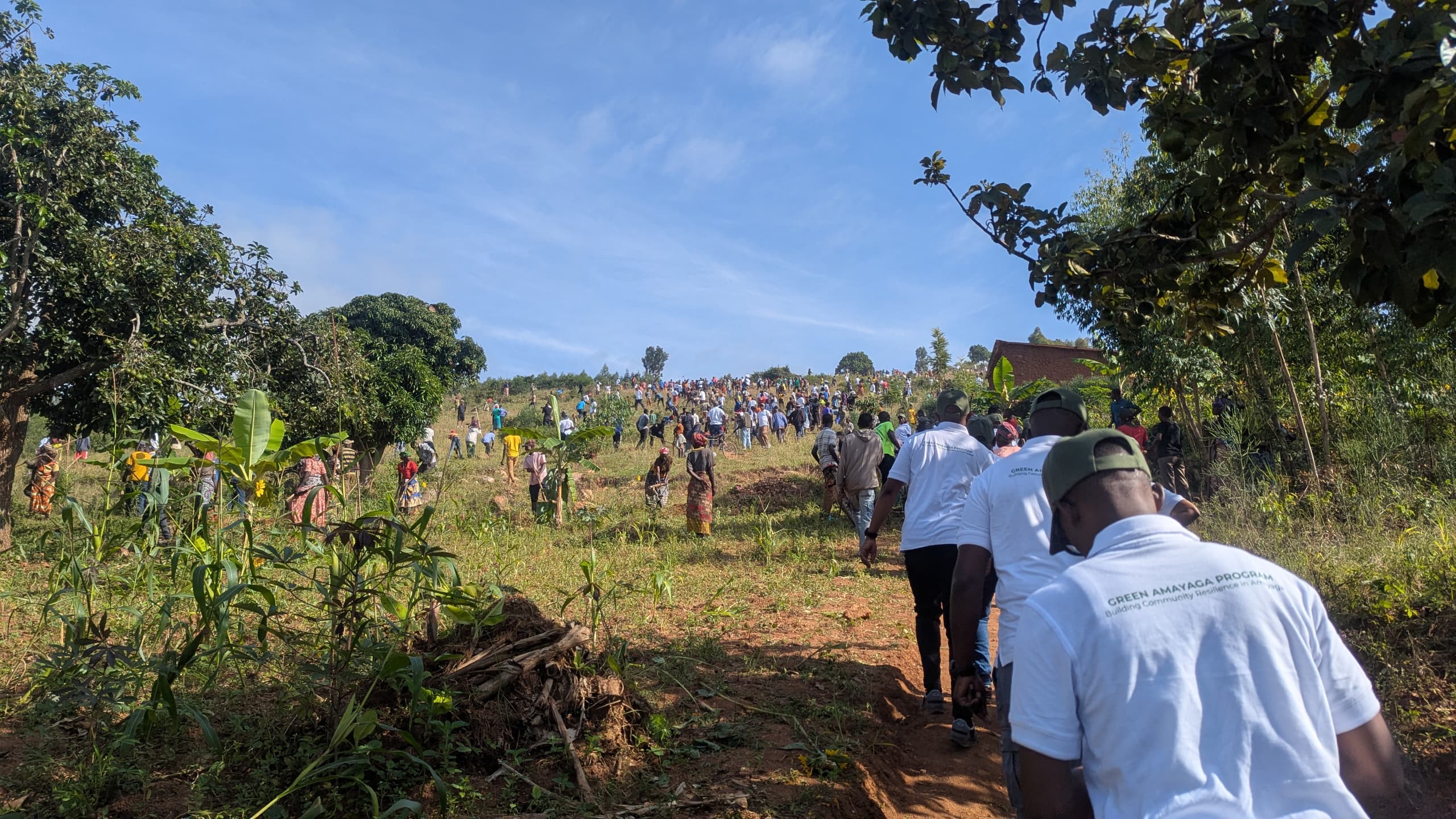
Earlier in the day, residents participated in Umuganda community work, constructing anti-erosion trenches that will form part of the programme’s broader land restoration activities.
For many residents, the impact of the project is already visible.
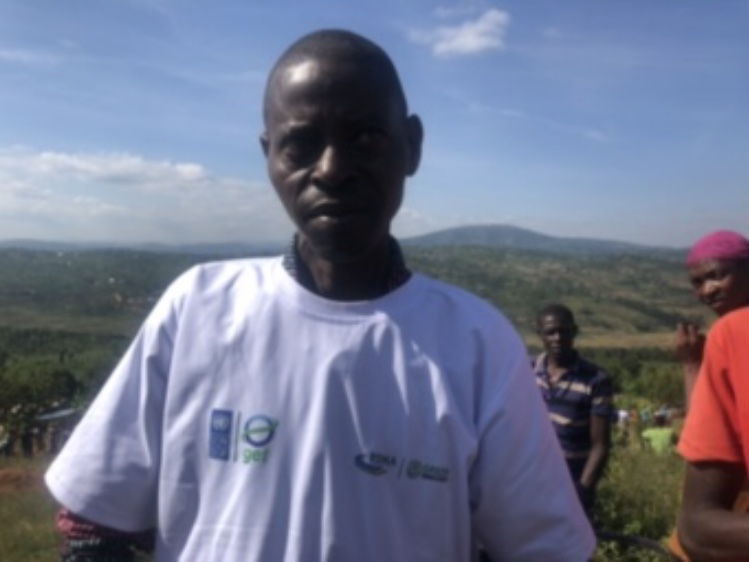
Nzabamwita Venuste, a resident of Gikonko Sector in Gisagara District, said forests established during the first phase have significantly reduced soil erosion in his area.
“Where trees were planted several years ago, the land no longer washes away during heavy rains,” he said. “You can clearly see the difference. The forest has grown, and the soil remains protected.”
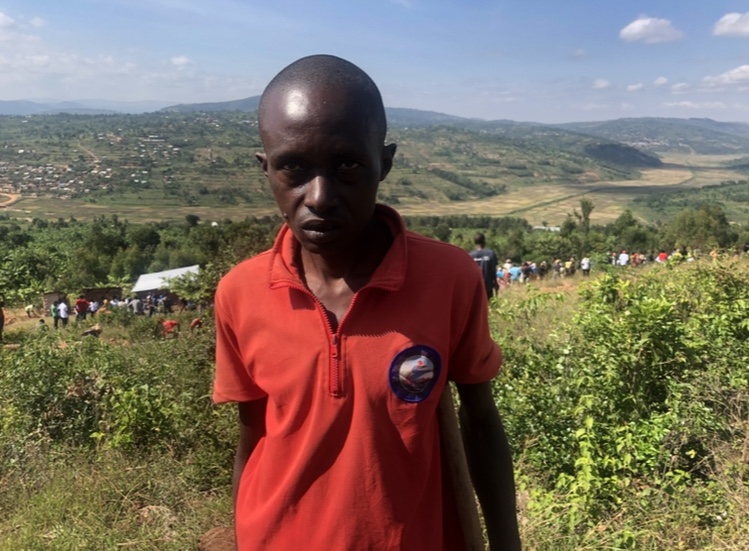
Another resident, Ntawuhigimana Jean Claude, described anti-erosion structures as critical for protecting farmland.
“When rainwater comes from higher ground, these structures slow the flow and prevent fertile soil from being carried away,” he said. “They help preserve both the land and agricultural productivity.”
Environment Minister Dr. Bernadette Arakwiye said the programme demonstrates Rwanda’s commitment to environmental protection, climate resilience and sustainable development.
“The Amayaga region has long faced serious environmental challenges, including soil erosion, drought, deforestation and land degradation,” she said. “These challenges have affected livelihoods, agricultural production and biodiversity. Yet through collaboration between REMA, local authorities and communities, meaningful progress has been achieved.”

The minister highlighted achievements including the restoration of thousands of hectares of land through afforestation, agroforestry and progressive terraces, as well as the planting of millions of trees, protection of riverbanks and promotion of clean cooking technologies in homes and schools.
Beyond ecological restoration, she said, the programme had improved livelihoods through climate-smart agriculture, livestock support and income-generating activities while empowering women and young people with new skills and opportunities.
“Investing in ecosystem restoration is investing in the future of our people,” Arakwiye said. “Healthy ecosystems are essential for water security, agricultural productivity, biodiversity conservation, disaster risk reduction and climate resilience.”
She also thanked the Global Environment Facility (GEF) and the United Nations Development Programme (UNDP) for supporting Rwanda’s environmental and climate resilience agenda.
The launch coincided with the start of Rwanda’s Environment Week, an annual campaign that precedes World Environment Day on June 5. This year’s theme focuses on climate action and strengthening resilience to the impacts of climate change.
As part of the awareness campaign, REMA has expanded outreach efforts to schools, universities and sports organisations. The authority recently signed a partnership with the Rwanda Volleyball Federation to integrate environmental messages into sporting events, including the inaugural “Climate Action” volleyball tournament held in Gisagara.
Kabera said engaging athletes and young people was key to promoting environmental stewardship.
“Sports personalities have influence, particularly among young people,” she said. “When they speak about protecting the environment, the message reaches wider communities.”
With the new phase now underway, government officials are calling on communities to maintain the same level of participation that helped drive the programme’s initial success.
“A new journey begins today,” Arakwiye told residents. “Together, we must continue restoring degraded ecosystems, strengthening resilience to climate change and building a sustainable future for ourselves and future generations.”



Related Articles
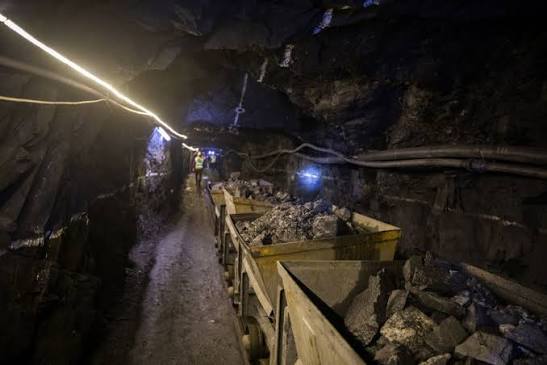
Three Miners Missing After Flooding at Kayonza Mine in Rwanda
Three miners were missing this Sunday after water flooded an underground mine...
Uwimanimpaye Cyiza Marie ClemenceOctober 11, 2026 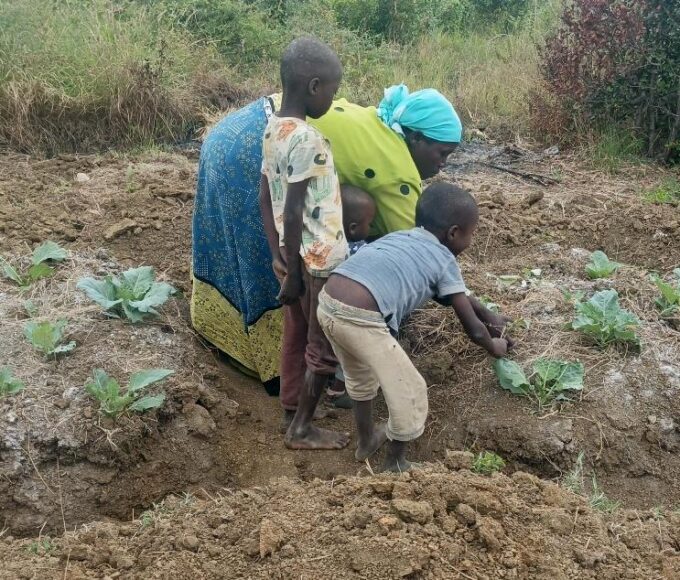
Permagardens offer a new start for drought-hit families in coastal Kenya
By Afia Agyapomaa Ofosu MBUGUNI, Kenya – For families in Mbuguni, a...
Uwimanimpaye Cyiza Marie ClemenceOctober 8, 2026 
Rwanda and Senegal deepen economic ties, with agriculture and standards in focus
KIGALI, Oct. 8, 2026 – Rwanda and Senegal have signed 11 agreements...
Uwimanimpaye Cyiza Marie ClemenceOctober 8, 2026 

Proposed Climate Insurance Could Cushion Rwanda’s Mine Workers Against Rainy-Season Income Losses
A proposed climate insurance scheme could help protect mine and quarry workers...
Uwimanimpaye Cyiza Marie ClemenceSeptember 30, 2026
Leave a comment