



Archive main grid
Phasellus tellus tellus, imperdiet ut imperdiet eu, iaculis a sem Donec vehicula luctus nunc in laoreet
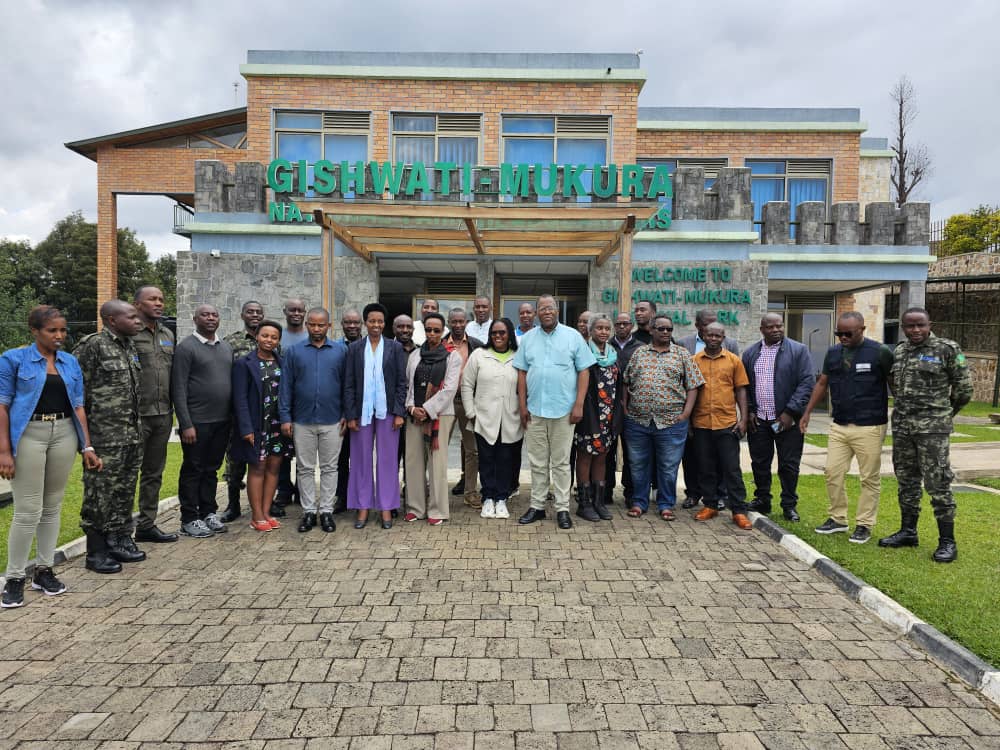
Rwanda Commemorates the International Day for Biosphere Reserves: A Call for Sustainable Solutions
Rwanda has joined the global community in celebrating the International Day for Biosphere Reserves for the third consecutive time. This year’s celebration...
 Uwimanimpaye Cyiza Marie ClemenceNovember 6, 2024
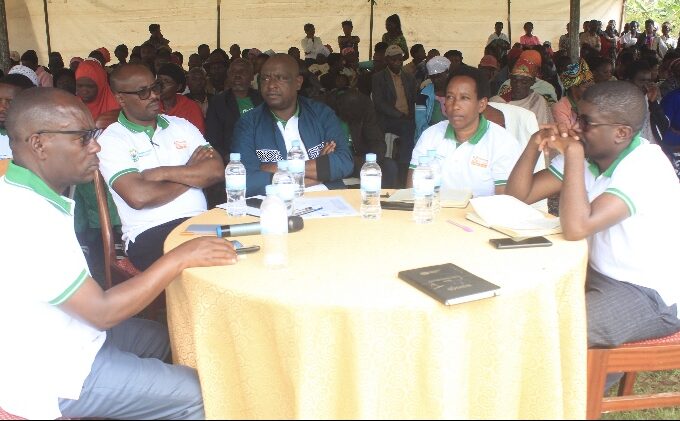
Amajyaruguru: Inzoga z’inkorano zitujuje ubuziranenge zaba zikomeje gutiza umurindi uburwayi bwo mu mutwe?
Ubwo hizihizwaga Umunsi Mpuzamahanga w’Ubuzima bwo mu Mutwe mu Ntara y’Amajyaruguru by’umwihariko mu karere ka Burera, kuwa Kabiri tariki 17 Ukwakira, umunsi ubusanzwe...
Uwimanimpaye Cyiza Marie ClemenceOctober 18, 2023 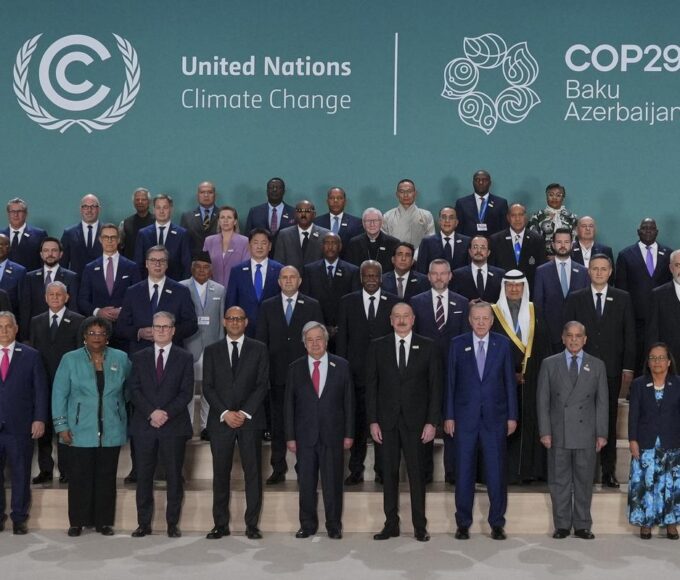
Urgent Call for Systemic Change: New Report Highlights Consequences of Global North’s Inaction on Climate Finance
A recent report titled “Fair Shares, Finance, Transformation – Fair Shares Assessment, Equitable Fossil Fuel Phase Out, and Public Finance for a Just...
Uwimanimpaye Cyiza Marie ClemenceNovember 15, 2024 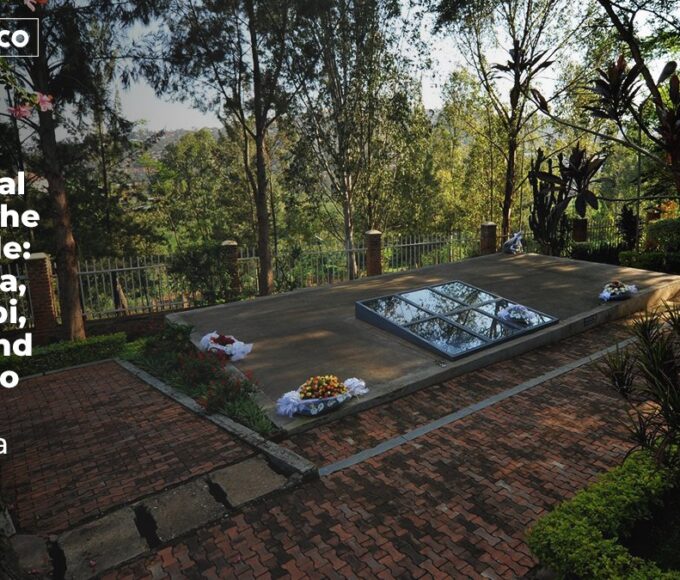
#Rwanda: Four Genocide Memorial sites have been inscribed on UNESCO’s World Heritage List
Genocide Memorial Sites of Nyamata, Murambi, Gisozi and Bisesero have been inscribed on UNESCO’s World Heritage List this Wednesday 20th, as it was...
Uwimanimpaye Cyiza Marie ClemenceSeptember 20, 2023 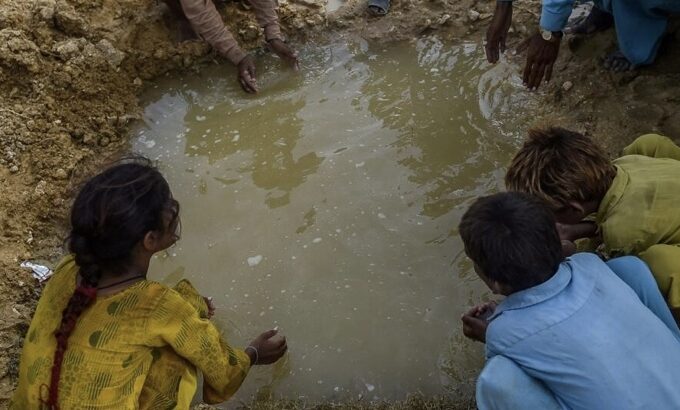
Ibiza biterwa n’imihindagurikire y’ikirere byakuye abana miliyoni 43.1 mu byabo
Ibiza biterwa n’imihindagurikire y’ikirere bimaze gukura abana barenga miliyoni 43.1 mu byabo, kuva mu mwaka wa 2016 kugera mu mwaka wa 2021 nk’uko...
Uwimanimpaye Cyiza Marie ClemenceOctober 12, 2023 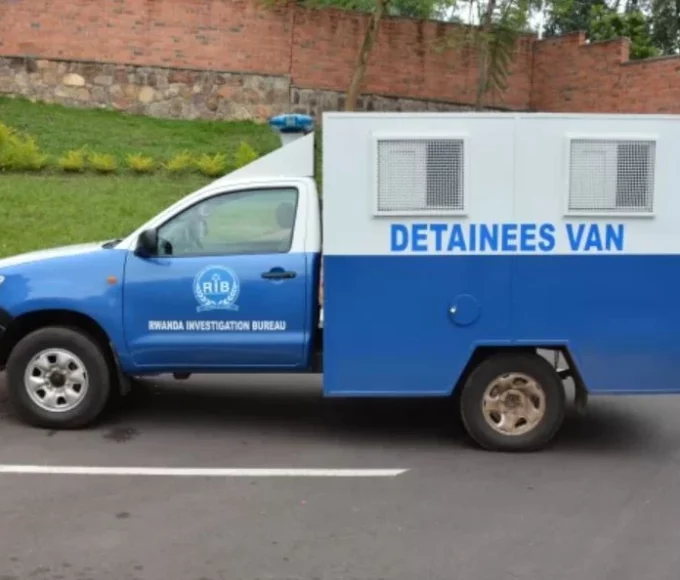
RIB yafunze abayobozi barindwi bakurikiranyweho kunyereza amafaranga y’ingurane mu karere ka Rulindo
Urwego rw’igihugu rw’Ubugenzacyaha, RIB rwafunze abayobozi barindwi bakurikiranyweho kunyereza amafaranga y’ingurane mu karere ka Rulindo nk’uko rwabitangaje rubinyujije ku rukuta rwayo rwa X...
Uwimanimpaye Cyiza Marie ClemenceNovember 3, 2023 
Global Agri & Food Safety Congress 2026: Building Resilient Food Systems in a Changing Climate
On 26–27 February 2026, international experts, researchers, industry leaders, farmers, and policymakers will gather in the Netherlands for the Global Agri & Food...
Uwimanimpaye Cyiza Marie ClemenceFebruary 16, 2026 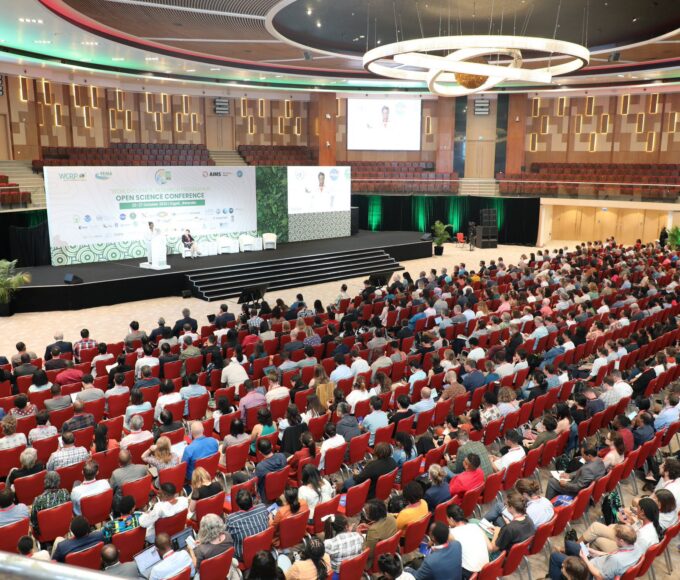
Negative trends in weather patterns will continue until at least 2060s
Scientists from all over the world are gathered in Rwanda for a World-renowned scientific conference “World Climate Research Programme Open Science Conference” from...
Uwimanimpaye Cyiza Marie ClemenceOctober 24, 2023 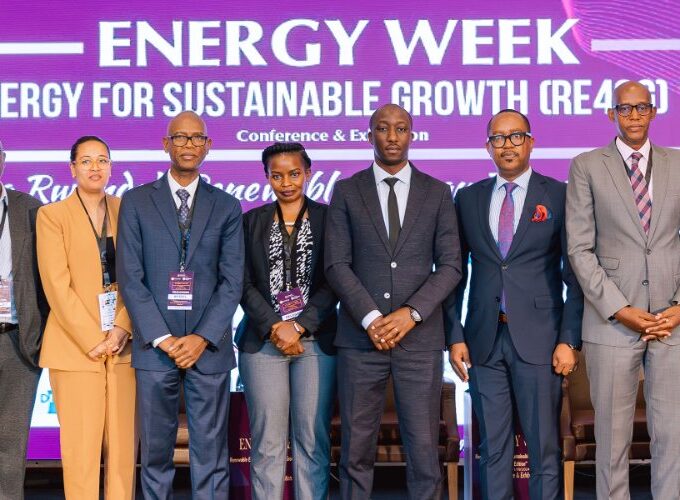

Rwanda Hosts Energy Week 2025: A Turning Point for Africa’s Clean Energy Transition
This September, Rwanda will once again become the meeting ground for some of the world’s most influential voices in clean energy. From September...
Uwimanimpaye Cyiza Marie ClemenceSeptember 6, 2025