


From German Lessons to New Opportunities: Rwandan Students Celebrate ECL Certificates
 Uwimanimpaye Cyiza Marie ClemenceAugust 10, 20263 Mins read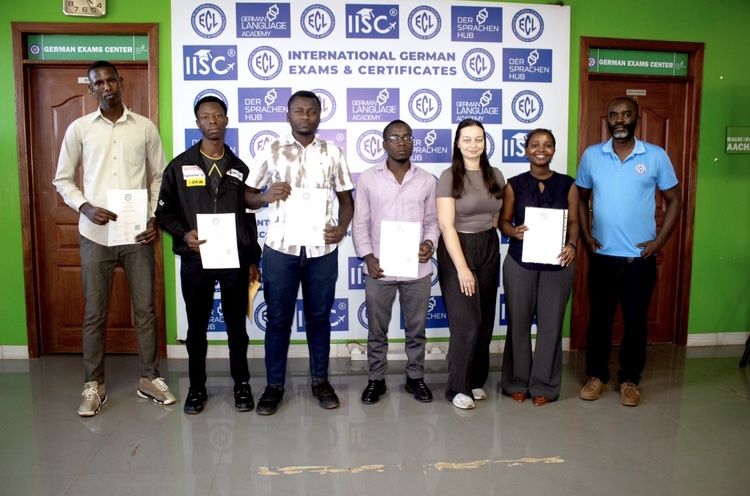
For a group of Rwandan students, receiving a German-language certificate this week was more than a formal recognition of an examination passed. It was the result of weeks, and in some cases months of studying a language they hope will open doors to education, work and other opportunities.
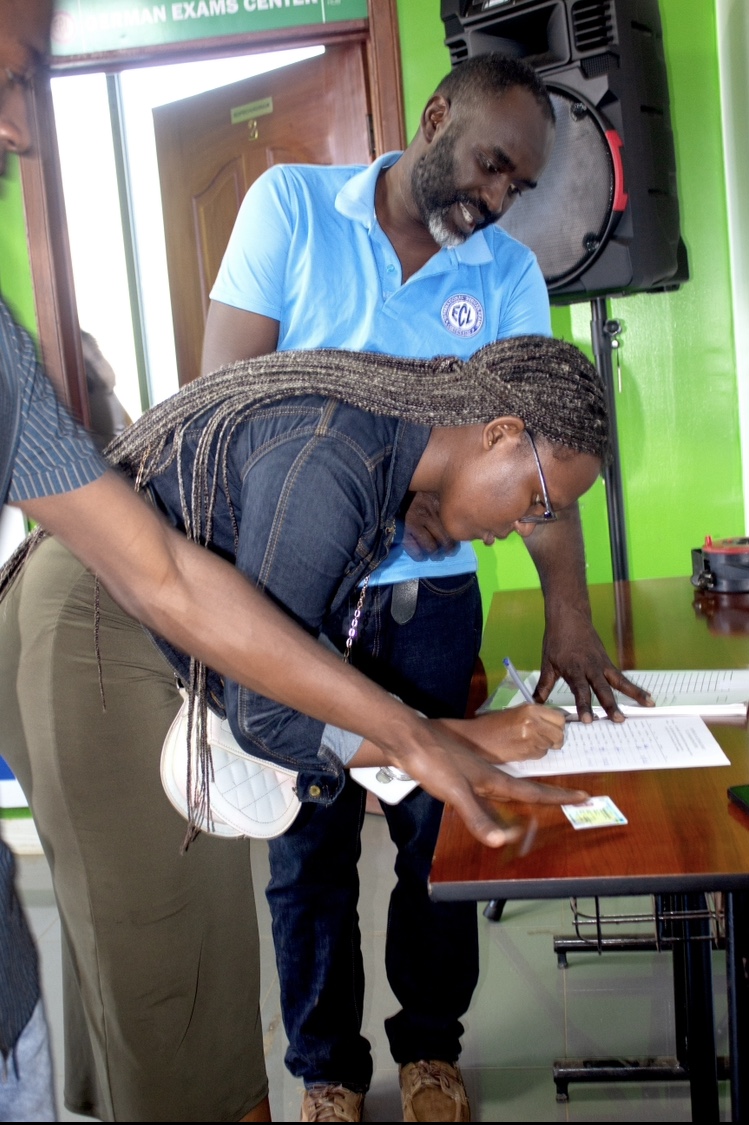
The students received their ECL certificates after sitting the German-language examination at Akagera Rhein Center, a German-language school and ECL examination centre in Rwanda.
Among them was Steven Irakarama, who studied German in Rubavu before travelling to sit his examination at the centre in Kigali.
“You can study in one place and take the examination somewhere else,” Irakarama said. “It is not necessarily easy, but it is not impossible. It depends on how you prepare.”
His preparation paid off. He passed the B2 examination.
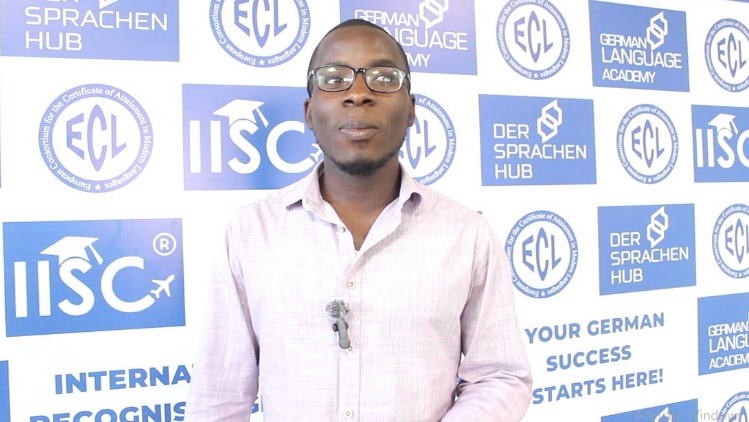
For Ineza Marie Fiatte, who also passed B2, the result came after an intensive month of study and considerable nervousness.
“I was very afraid, but I passed,” she said.
Ineza said she attended classes in the morning and spent her afternoons revising with other students.
“I was very happy because I saw that the effort I had put in had produced good results,” she said.
She now hopes to use her German skills to pursue opportunities to work and study in Germany.
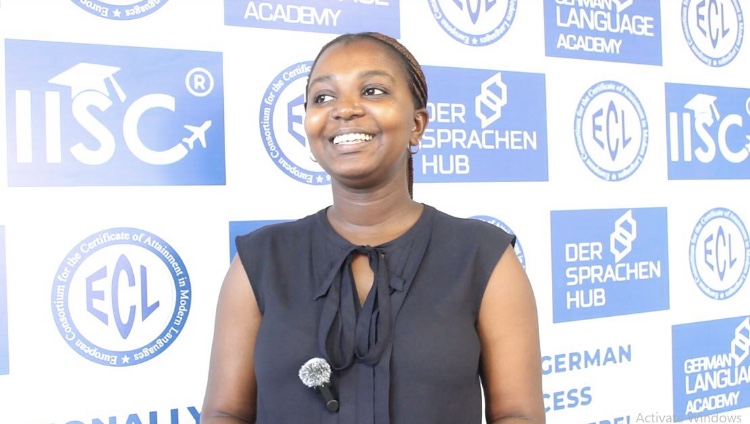
“Languages are very important,” Ineza said. “They can give you more opportunities.”
She also encouraged other students, particularly young women who stop studying German at the lower levels, to continue towards higher proficiency.
Mwizerwa Mulisa, who spoke on behalf of Akagera Rhein Center, said the number of people taking the ECL examination has grown with each sitting.
The centre has now administered the examination four times. According to Mulisa, about 40 candidates took the first examination, around 80 the second and approximately 90 the third.
He said the centre has also expanded its German-language programmes, with new classes beginning regularly and campuses in Kigali, Huye and Musanze.
The centre prepares students for the ECL examination, which Mulisa said is held six times a year. Candidates can also prepare for the examination at the centre even if they studied German elsewhere.
For students considering German-language certification, however, questions about recognition remain an important part of the decision.
Mulisa said the centre has encountered claims online that ECL certificates are not accepted in Germany.
He said such claims can sometimes result from people relying on general online information rather than checking the requirements of the particular university, programme or visa application they are pursuing.
“Universities in Germany have their own systems and requirements,” he said, stressing that applicants should verify the requirements of their intended institution or programme.
The centre itself has gone through a similar process. Mulisa said it initially taught German and prepared students to take examinations elsewhere before obtaining the necessary authorisation to administer examinations in Rwanda.
He said the centre considered several examination providers before choosing ECL, partly because its examination approach was considered compatible with the centre’s teaching philosophy.
The examination also offers candidates the possibility of taking individual modules rather than sitting all components at once, according to Mulisa.
For Muhirwa David, who also passed B2, the format was one of the reasons he chose ECL.
“I liked that the questions are based on everyday situations,” he said. “That makes it easier to relate to what you are being asked.”
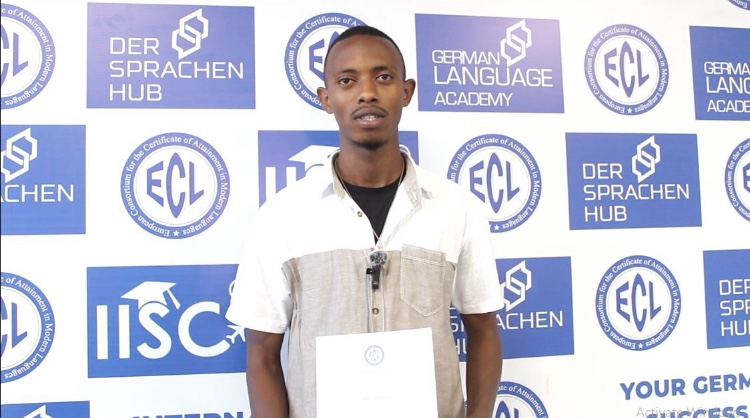
Like other candidates, Muhirwa said he was nervous before the examination, but preparation helped him overcome some of that anxiety.
“German is not an easy language,” he said. “But saying that it is difficult does not mean it is impossible. It is challenging, but it is possible.”
He sees the language as a potential gateway to new opportunities.
“German is a language that can open doors,” he said.
Mulisa said that opportunities associated with German-language skills should not be limited to a single pathway such as au pair programmes.
He noted that students who continue from the lower levels to B1, B2 and beyond can potentially broaden the range of opportunities available to them.
For the newly certified students, that prospect is part of what makes the long hours of studying worthwhile.
Their certificates represent a completed examination, but also a step towards ambitions that extend beyond the classroom from further study to employment, and the possibility of building a future in a German-speaking environment.



Related Articles
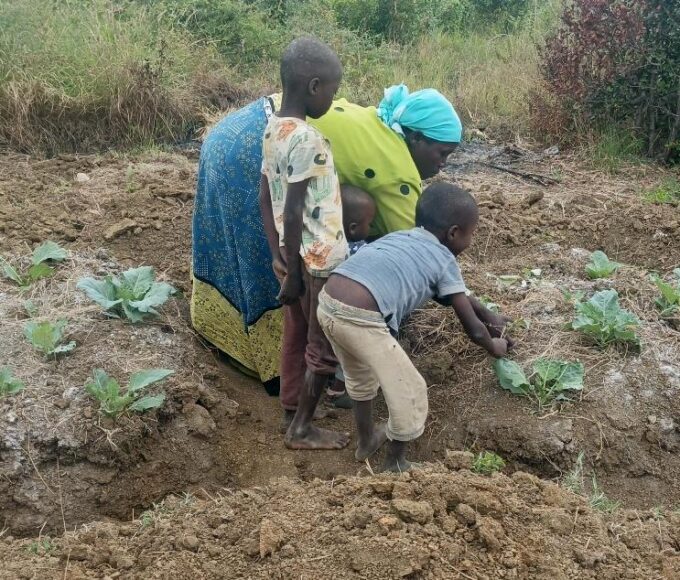
Permagardens offer a new start for drought-hit families in coastal Kenya
By Afia Agyapomaa Ofosu MBUGUNI, Kenya – For families in Mbuguni, a...
Uwimanimpaye Cyiza Marie ClemenceOctober 8, 2026 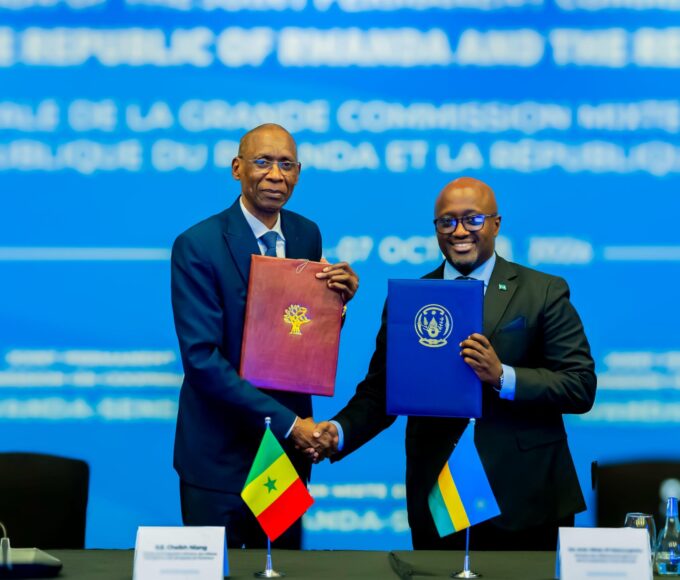
Rwanda and Senegal deepen economic ties, with agriculture and standards in focus
KIGALI, Oct. 8, 2026 – Rwanda and Senegal have signed 11 agreements...
Uwimanimpaye Cyiza Marie ClemenceOctober 8, 2026 
ACE4Food: Helping Rwanda’s agri-food SMEs turn circular ideas into business opportunities
For Kayitesi Grace, circular economy is not a concept she only heard...
Uwimanimpaye Cyiza Marie ClemenceSeptember 25, 2026 

REMAPSEN: Building a bridge between health, environmental information and African communities
When a disease begins to spread, a water source becomes contaminated or...
Uwimanimpaye Cyiza Marie ClemenceSeptember 25, 2026
Leave a comment