


The Science Behind Accra’s Deadly Floods
 Uwimanimpaye Cyiza Marie ClemenceAugust 4, 20263 Mins read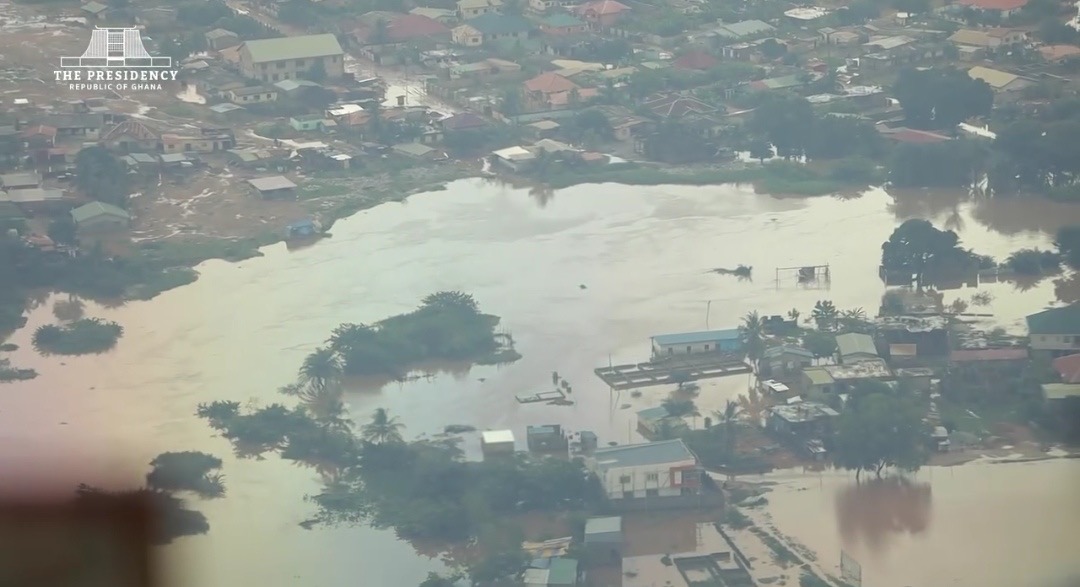
By Afia Agyapomaa Ofosu
The rain arrived without much warning, falling steadily before intensifying into an almost continuous downpour. Hour after hour, it drenched Accra, overflowing streets, entering homes and disrupting daily life.
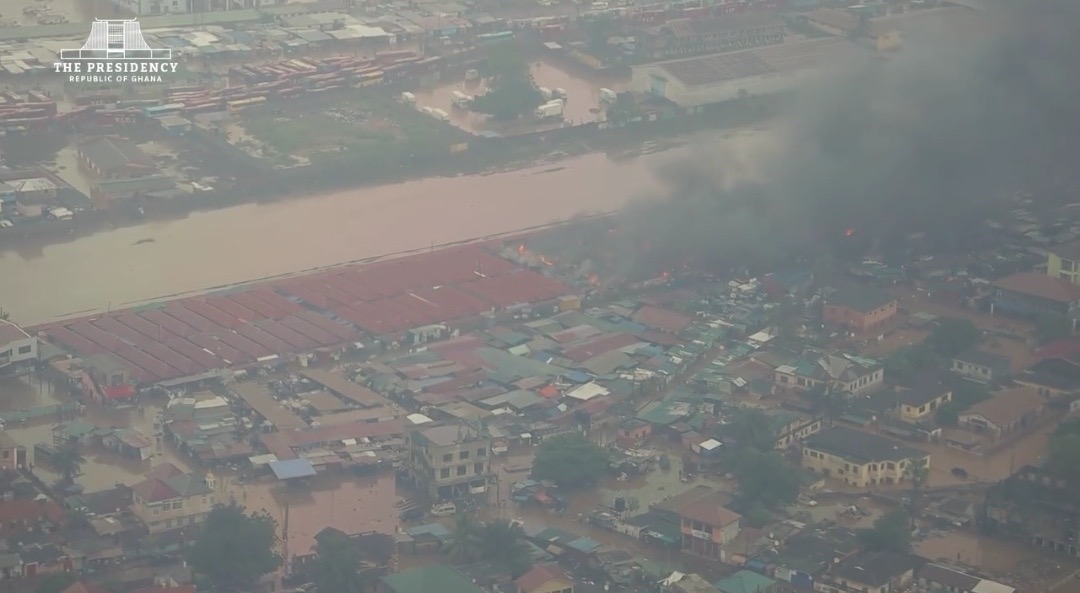
By the morning of June 29, 2026, large sections of Ghana’s capital had been transformed. Roads became fast-moving waterways, vehicles were trapped in muddy floodwater, and families scrambled to rescue furniture, clothing and important documents before the water reached them. After more than 18 hours of relentless rainfall, at least 12 people had lost their lives.
For residents of Accra, flooding during the rainy season is sadly nothing new. Every year, heavy rains damage homes, interrupt transport and force families to start over. This time, however, scientists wanted to understand why the flooding had become so severe.
Looking Beyond the Rain
Seeking answers, a team of climate scientists from several international research institutions examined the extreme rainfall that affected parts of West Africa in June 2026. Their study, Climate Change and Urban Pressure Intensify Flood Risk on the Gulf of Guinea Coast, analysed conditions across Ghana, Côte d’Ivoire, Togo, Benin and Nigeria.
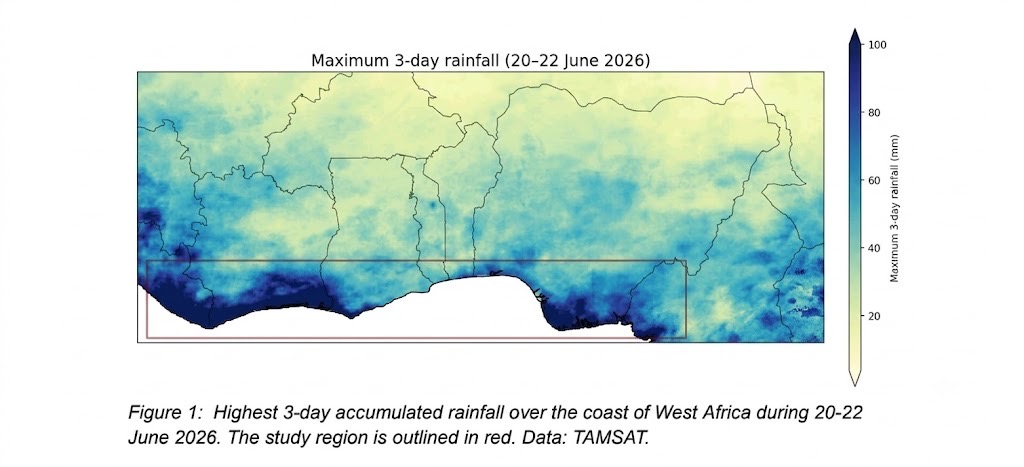
Their findings showed that June 2026 was exceptional. Data from the Accra International Airport weather station revealed that the rainfall recorded in a single day ranked as the fourth-highest since records began in 1981. Overall, June 2026 was also the wettest June observed during the 1981–2026 period.
Did Climate Change Play a Role?
The researchers then explored whether climate change had increased the likelihood of such an event.
Using long-term weather observations, they found that rainfall of this intensity is now about five times more likely than it would have been before global temperatures rose by approximately 1.4°C. Their analysis also showed that extreme downpours have become more intense over time.
Climate model simulations pointed in the same direction, although they estimated a smaller influence than historical weather observations.
Dr. Joyce Kimutai of Imperial College London, one of the study’s researchers, said the findings are particularly important because tropical rainfall remains difficult for climate models to simulate accurately.
“Climate models typically struggle to capture the full scale of tropical precipitation trends when we look at extreme events like this one. As such, the fact that we found such a role for climate change is significant. Combined with the very wetter trend in the observational-based data, it’s clear that human-caused warming made this event worse, and wetter, with devastating impacts.”
When Rain Meets Urban Growth
According to the researchers, the amount of rainfall explains only part of the disaster. The design and expansion of cities play an equally important role in determining how destructive floods become.
The difference is similar to pouring water onto an open field versus a concrete surface. While soil absorbs much of the water, concrete leaves it with nowhere to go, causing it to spread rapidly.
The scientists say many coastal cities along the Gulf of Guinea are facing exactly this challenge. Rapid urbanisation has increased the number of buildings, roads and paved surfaces while reducing natural areas where rainwater can soak into the ground. At the same time, more people are settling in flood-prone areas, increasing their exposure to disasters.
Infrastructure Under Pressure
Dr. Kiswendsida Guigma of the Red Cross Red Crescent Climate Centre says rapid urban expansion is placing growing pressure on infrastructure that was never designed to cope with increasingly intense rainfall.
“West Africa’s coastal cities are being squeezed between repeated flooding and rapid urban growth, pushing infrastructure beyond its limits and making it harder for communities to recover.”
He says reducing future flood losses will require investment in better drainage systems, improved housing, stronger early warning systems and urban planning that considers flood risks before development takes place. Together, these measures could help communities prepare for and respond more effectively to future extreme rainfall events.
A Growing Regional Challenge
The researchers conclude that flood disasters cannot be attributed to rainfall alone. While extreme precipitation may trigger flooding, the scale of destruction depends heavily on where people live, how cities are planned and how well communities are prepared.
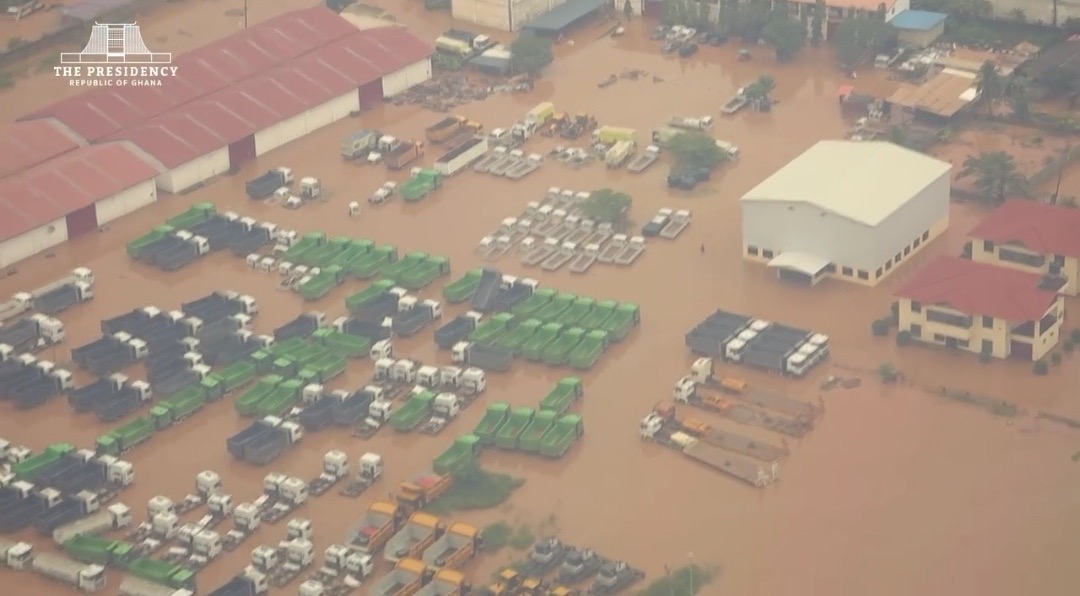
Their findings suggest that climate change is making extreme rainfall increasingly likely across the Gulf of Guinea, while rapid urbanisation and inadequate infrastructure are leaving more people vulnerable. Unless both climate risks and urban planning challenges are addressed together, they warn, flood impacts are expected to become more frequent and more severe across the region.
Afia Agyapomaa Ofosu is a science journalist.
Email: prissyof@yahoo.com


Related Articles
How Solar Irrigation Is Transforming Avocado Farming in Rwanda’s Dry East
On the sun-scorched hills of Rwanda’s Eastern Province, where prolonged droughts and...
Uwimanimpaye Cyiza Marie ClemenceJuly 31, 2026 
REMA Urges Responsible Waste Disposal as Dry Season Raises Pollution Risks to Water Ecosystems
As Rwanda’s dry season lowers water levels in rivers, lakes and wetlands,...
Uwimanimpaye Cyiza Marie ClemenceJuly 21, 2026 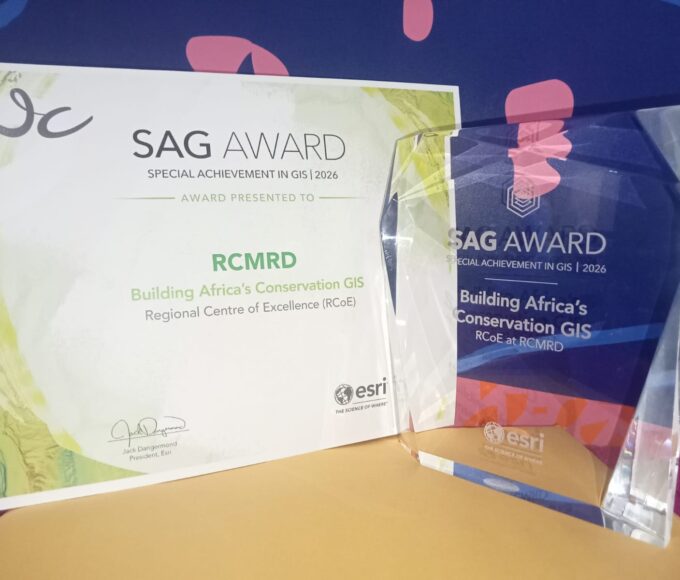
RCMRD earns global GIS award for advancing biodiversity conservation across Africa
The Regional Centre for Mapping of Resources for Development (RCMRD) has received...
Uwimanimpaye Cyiza Marie ClemenceJuly 16, 2026 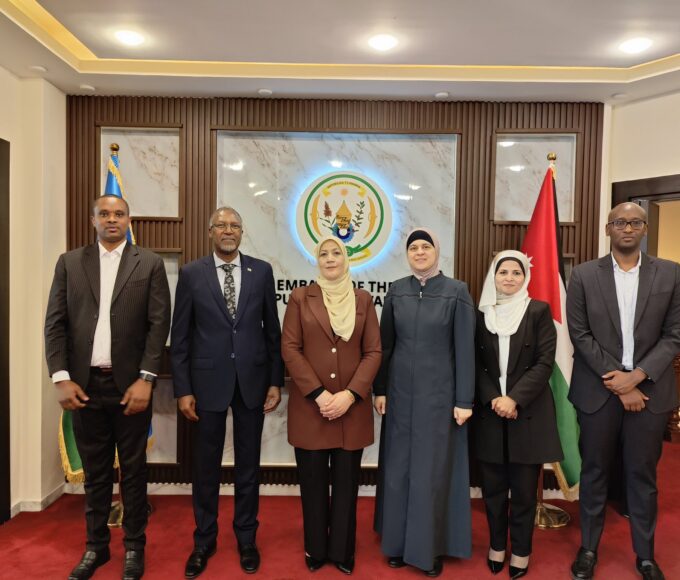

Rwanda, Jordan sign MoU to deepen cooperation in standards, metrology and trade
Rwanda and Jordan have signed a Memorandum of Understanding (MoU) aimed at...
Uwimanimpaye Cyiza Marie ClemenceJune 29, 2026
Leave a comment