



UNESCO adds 14 biosphere reserves, including first city-wide designation
 Uwimanimpaye Cyiza Marie ClemenceJune 10, 20262 Mins read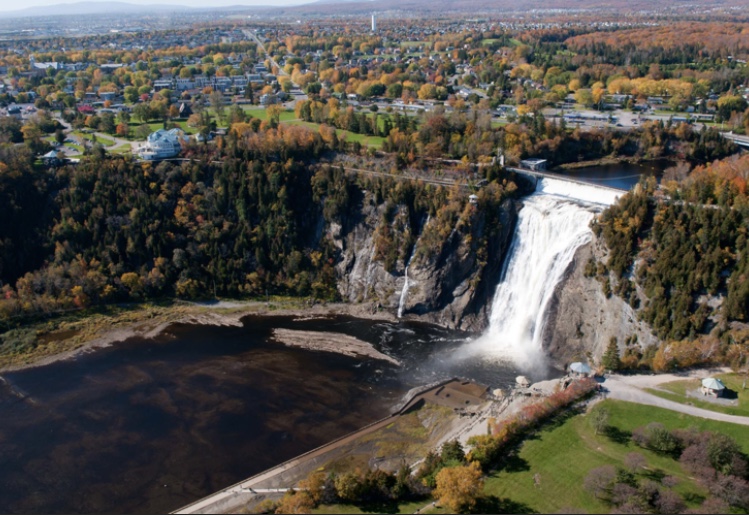
UNESCO has added 14 new biosphere reserves to its global network, including the first designation covering an entire city, as countries step up efforts to protect biodiversity while promoting sustainable development.
The announcement, made on World Environment Day, brings the World Network of Biosphere Reserves to 797 sites across 145 countries.
The newly designated reserves are located in Albania, Algeria, Aruba, Azerbaijan, Cameroon, Canada, Iran, Mongolia, Montenegro, Paraguay, the Philippines, Portugal, Timor-Leste and Viet Nam. UNESCO also approved extensions to five existing biosphere reserves in China, Italy and Spain.
Among the new additions is Québec City, which became the first city in the world to be designated in its entirety as a UNESCO biosphere reserve.
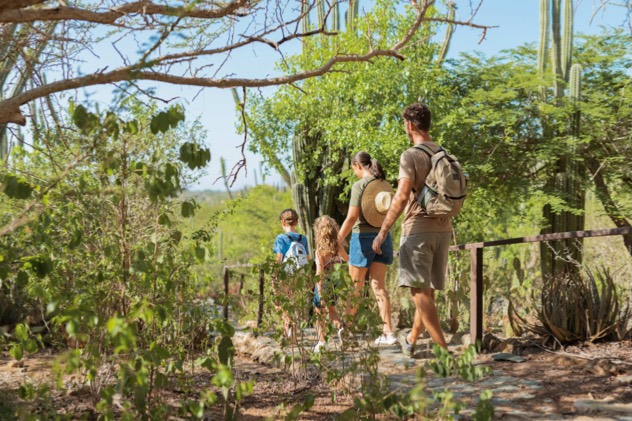
The latest round of designations also marked a milestone for Montenegro, Timor-Leste and Aruba, which each received biosphere reserve recognition for the first time. Aruba became only the second country or territory worldwide to have its entire land area designated as a biosphere reserve. The first was São Tomé and Príncipe, which received the distinction in 2025.
“Biosphere reserves prove every day that protecting nature and improving human lives are not competing goals,” UNESCO Director-General Khaled El-Enany said in a statement.
“This year’s designations span every continent, showing the full range of what it means to live in harmony with nature,” he added.
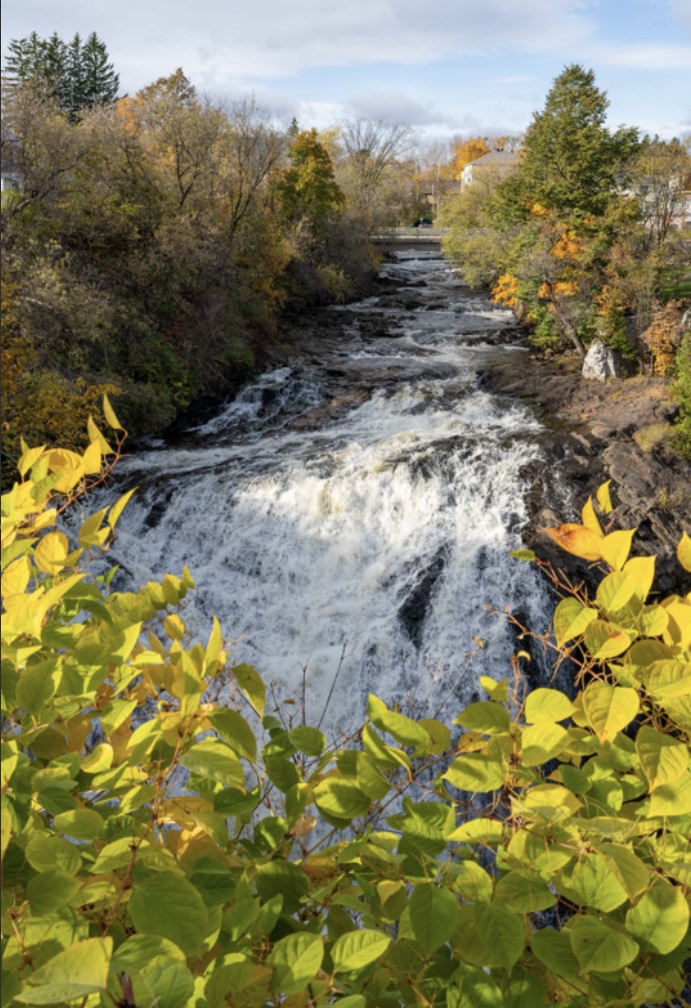
UNESCO biosphere reserves are areas recognized for combining environmental conservation with sustainable development and community participation. Often referred to as “living laboratories,” they serve as testing grounds for balancing ecological protection with economic and social needs.
Since the programme was launched in 1971, biosphere reserves have become a key component of UNESCO’s environmental work. Together with natural World Heritage sites and UNESCO Global Geoparks, they help protect more than 13 million square kilometres of terrestrial and marine ecosystems worldwide.
The network also contributes to the global goal of conserving 30% of the planet’s land and sea areas by 2030 under the Kunming-Montreal Global Biodiversity Framework.
Separately, UNESCO and the Organization for Security and Co-operation in Europe (OSCE) launched a practical guide for environmental reporting, aimed at helping journalists navigate increasingly complex challenges such as climate misinformation, artificial intelligence-generated content and investigations into environmental damage.
The publication, Reporting the Environment: A Practical Manual for Journalists, was developed with contributions from several journalism organizations, including Covering Climate Now, Fondation Hirondelle, the Pulitzer Center and the Reuters Institute.
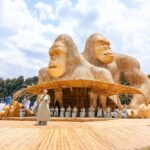
The newly designated biosphere reserves are Shkodër Lake in Albania, Theniet El Had in Algeria, Aruba Island in Aruba, Great Caucasus in Azerbaijan, Takamanda–Cross River Gorilla in Cameroon, Québec City in Canada, Dalankuh–Qamishlou in Iran, Tost Toson Bumbiin Nuruu in Mongolia, Skadar Lake Watershed in Montenegro, Sur del Alto Paraná in Paraguay, Matibay na Bayan ng Sablayan in the Philippines, Serra da Estrela in Portugal, Nino Konis Santana in Timor-Leste and Phong Nha–Ke Bang in Viet Nam.
Rwanda is among the countries participating in UNESCO’s biosphere reserve network, with the Volcanoes National Park and Gishwati-Mukura biosphere reserves serving as key conservation areas and biodiversity hotspots.




Related Articles

Rwanda seeks to keep mercury out of gold mining as illegal operations pose monitoring challenge
Rwanda has made significant progress in keeping mercury out of artisanal and...
Uwimanimpaye Cyiza Marie ClemenceSeptember 10, 2026 
From food waste to business: Rwanda’s CIRF project looks beyond five years
Rwanda is seeking to build on lessons from a five-year programme that...
Uwimanimpaye Cyiza Marie ClemenceSeptember 6, 2026 
Kwita Izina puts Rwanda’s conservation model under the environmental spotlight
The naming of 22 baby mountain gorillas in Rwanda this week was...
Uwimanimpaye Cyiza Marie ClemenceSeptember 6, 2026 

Rwanda energy conference to seek investment, regional partnerships as Africa transition accelerates
Rwanda will host the sixth Renewable Energy for Sustainable Growth (RE4SG) Conference...
Uwimanimpaye Cyiza Marie ClemenceSeptember 6, 2026
Leave a comment