


Rwanda Seeks to Scale Circular Food Systems Through New Multi-Stakeholder Platform
 Uwimanimpaye Cyiza Marie ClemenceJune 3, 20264 Mins read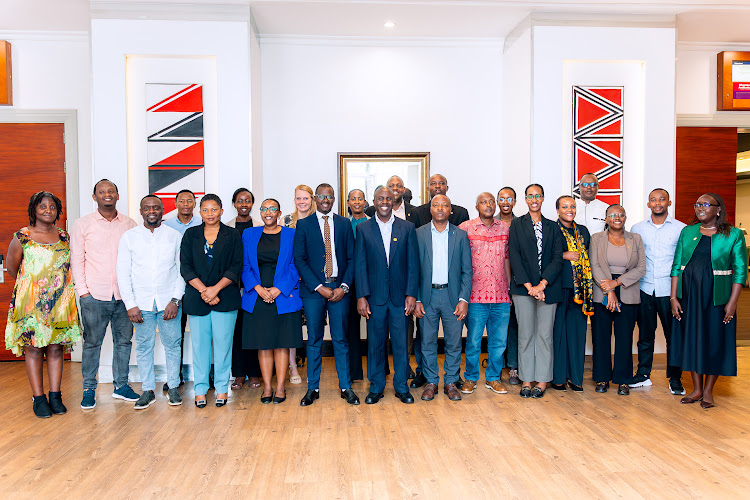
KIGALI, Rwanda – Rwanda is seeking to accelerate the transition to a circular food system by bringing together government agencies, development partners, research institutions, academia and private sector actors under a new collaborative platform aimed at reducing food waste, creating green jobs and strengthening food security.
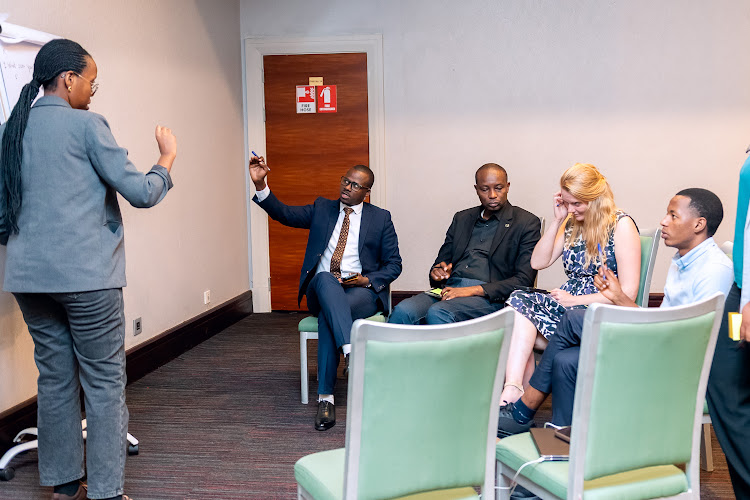
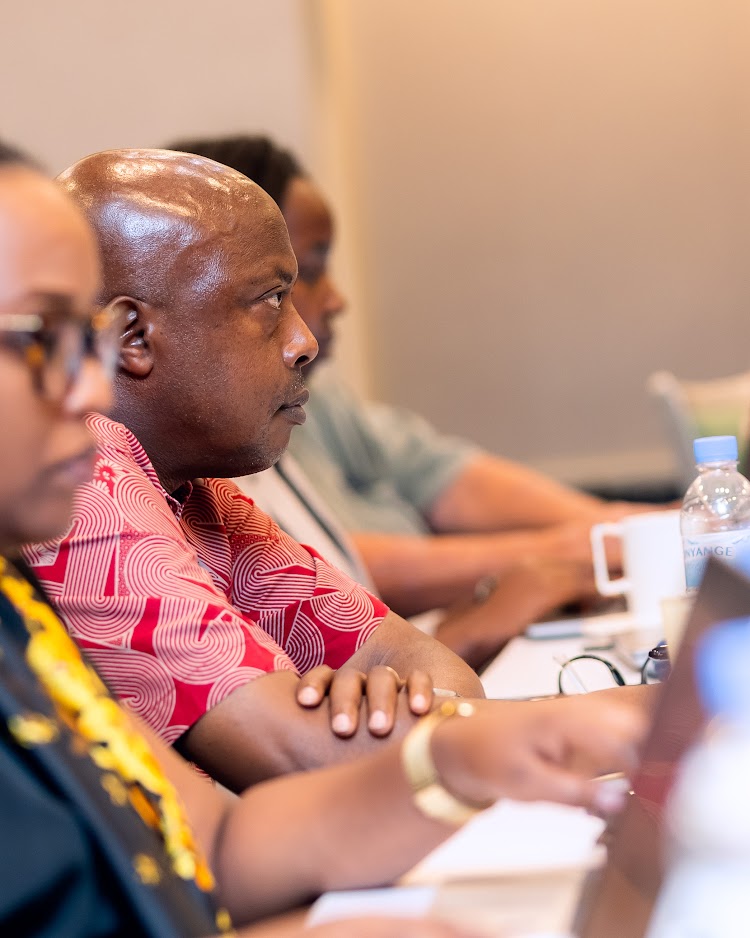
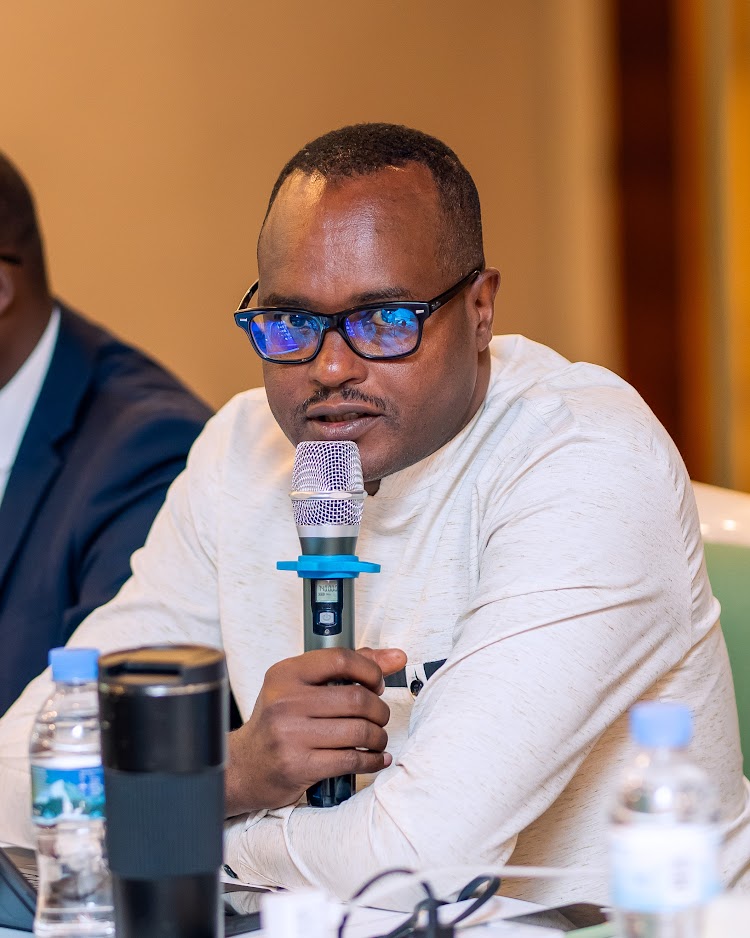
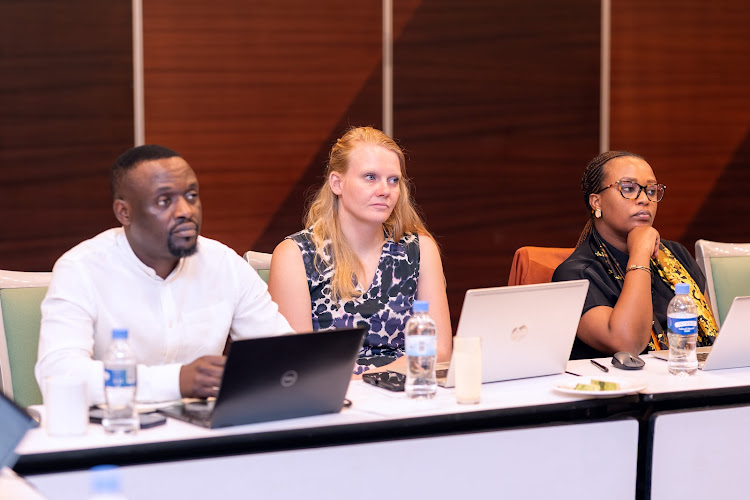
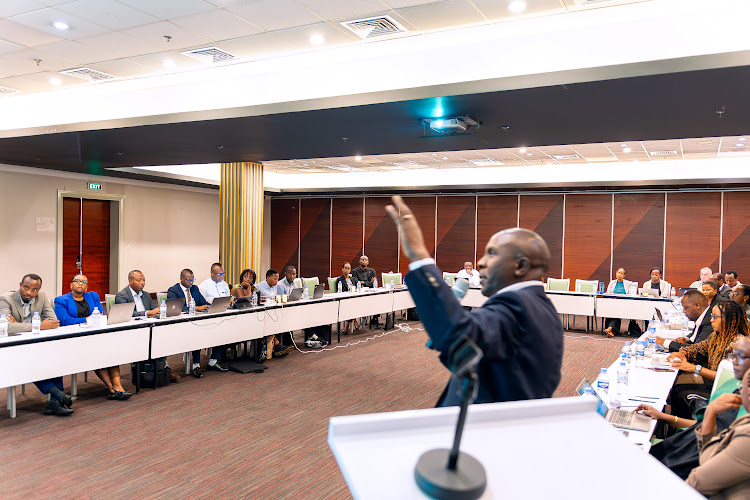
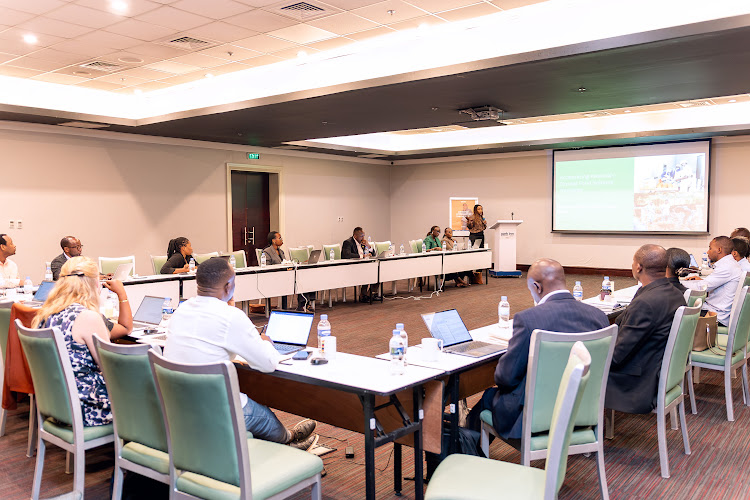
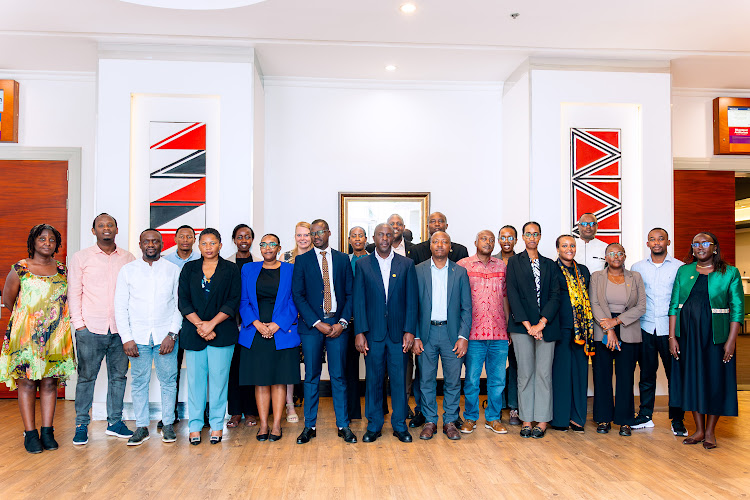
The vision emerged during a stakeholders’ workshop convened by the World Resources Institute (WRI) Rwanda and partners, where participants reflected on lessons from a five-year circular food systems programme and explored the next phase of efforts under the Accelerating Circular Economy for Food (ACE for Food) initiative.
Opening the meeting, WRI Rwanda Country Director Eric Ruzigamanzi said the country had already established a strong policy foundation for circular economy development through national frameworks including Vision 2050, the National Strategy for Transformation (NST2), the Fifth Strategic Plan for Agricultural Transformation (PSTA5), and the National Circular Economy Roadmap.
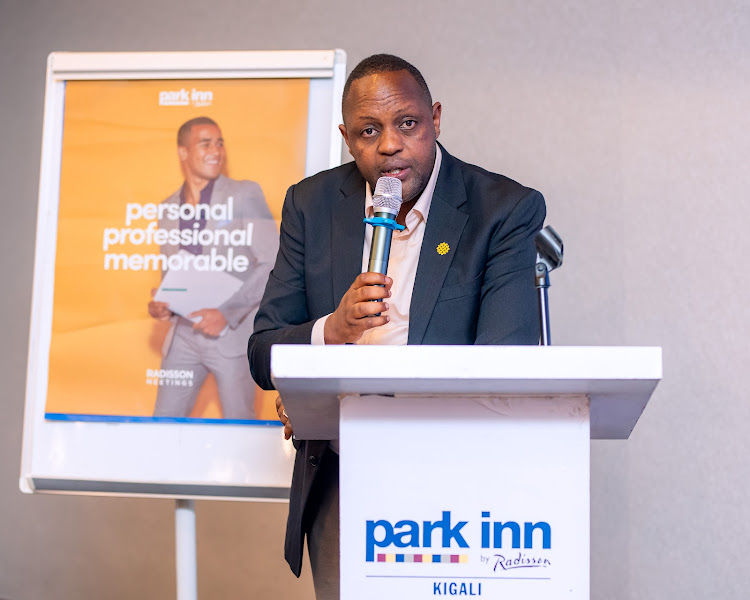
“We all know that Rwanda has made remarkable progress in positioning itself as a leader in green growth,” Ruzigamanzi told participants. “Today’s session is not about restating challenges. It’s about building convergence around solutions.”
He noted that food loss remains a major challenge, with around 40 percent of food lost across the system despite persistent food insecurity among some communities. Food waste also contributes to greenhouse gas emissions, while the country continues to seek solutions to unemployment and environmental pressures.
According to WRI, the Circular Food Systems for Rwanda South project, supported by the IKEA Foundation and implemented in partnership with organisations including the Rwanda Cleaner Production and Climate Innovation Centre (CPCIC), the African Circular Economy Network and the African Circular Economy Alliance, has demonstrated that circular economy approaches can generate practical economic and environmental benefits.
The project, launched in 2021, supported about 20 small and medium-sized enterprises (SMEs), 40 percent of which were women-owned. It contributed to the development of 21 circular products, created 73 green jobs and helped integrate circular economy principles into four national policy frameworks.
Project representatives said more than 370 SMEs were engaged through networks, exhibitions and related initiatives.
One example highlighted during the workshop was a business that converts coffee waste into mushroom-growing substrate and later transforms the used substrate into compost and organic fertiliser, creating a closed-loop production system.
Representing the Ministry of Environment, Jean de Dieu Niyirera said circular economy principles have become increasingly central to Rwanda’s development agenda.
“Agriculture remains the backbone of Rwanda’s economy,” he said. “However, increasing climate risks, resource scarcity, food loss and waste, as well as changing market demands, require us to accelerate the transition toward more efficient and regenerative food systems.”
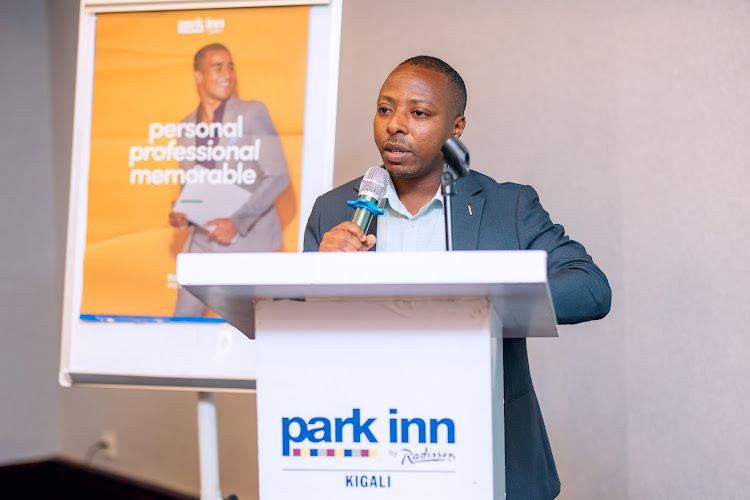
He said Rwanda aims to fully integrate circular economy principles into economic decision-making by 2035, with a focus on reducing food loss and waste, strengthening value addition, improving resource efficiency and creating opportunities for green jobs.
The workshop also served as a reflection point on how circular economy efforts can move beyond isolated pilot projects toward wider system transformation.
Dr Susan Chomba, Director of Food, Land and Water Programmes at WRI Africa, challenged participants to think about Rwanda’s potential role in shaping Africa’s development trajectory.
Drawing lessons from Asian economies, she argued that successful development models had often been built around strengthening agriculture, supporting smallholder farmers and nurturing domestic industries before exposing them to global competition.
“The agriculture sector is the most important sector,” Chomba said. “You don’t do away with smallholder farmers. You work with them and empower them.”
She said Africa’s future economic growth could depend on creating stronger links between agricultural production, manufacturing and value addition, while ensuring emerging circular economy businesses receive the policy support and financing needed to grow.

Reflecting on lessons from the five-year programme, Chomba identified three priorities for the next phase: large-scale human capacity development, stronger standards and regulatory support for circular products, and innovative financing mechanisms tailored to circular economy enterprises.
“We need to think big,” she said. “If we can do those three things in the next five years, we will be making instrumental changes and big steps toward what Rwanda has already committed to on green industrialisation.”
Throughout the workshop, participants repeatedly pointed to access to finance as one of the greatest barriers facing circular economy businesses.
Project leaders said many SMEs continue to struggle to secure financing because financial institutions often lack understanding of circular business models, while entrepreneurs themselves may not yet be equipped to package investment-ready proposals.
Stakeholders also stressed the need for stronger collaboration among public institutions, development partners, financial institutions, academia and private sector actors.
NIRDA representative Emmanuel Mutabazi described coordination, collaboration and information sharing as the foundations for future progress.
“This is a new area that needs all of us to learn,” he said. “We need to set up platforms for better collaboration to ensure that we move forward with the development of circular economy programmes and frameworks.”
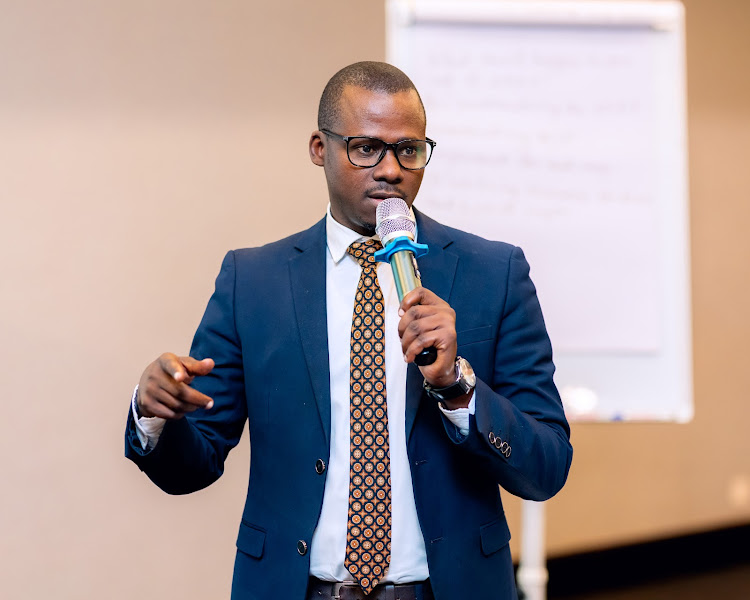
Participants from universities, standards agencies, financial institutions and development organisations highlighted opportunities to contribute expertise in research, certification, SME development, investment readiness, policy implementation and public awareness.
The discussions culminated in support for establishing a national ACE for Food country chapter that would connect Rwanda’s circular economy actors under a common platform while linking national efforts to regional and continental initiatives.
Dr Robert Mbeche, Director of the Food Program of WRI Africa said the next challenge was no longer proving that circular economy solutions work, but scaling them.
“Our next challenge is getting to scale,” he said. “No single organisation can drive collective action on circularity at scale.”
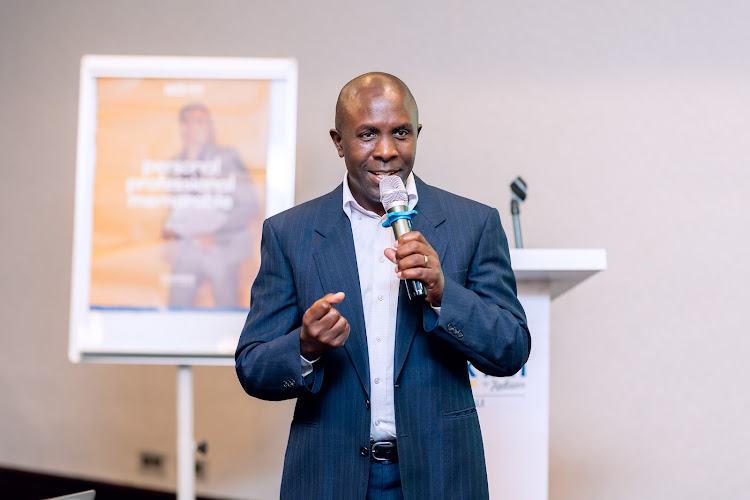
Under the proposed model, stakeholders would work together on SME acceleration, policy development, market access, financing and knowledge sharing, while aligning with existing national platforms and continental initiatives under the African Circular Economy Alliance.
Participants agreed that stronger institutional coordination, knowledge exchange and resource mobilisation would be essential to achieving the country’s circular economy ambitions.
Closing the workshop, Chomba said Rwanda was well positioned to become one of Africa’s leading examples of circular and green economic transformation.
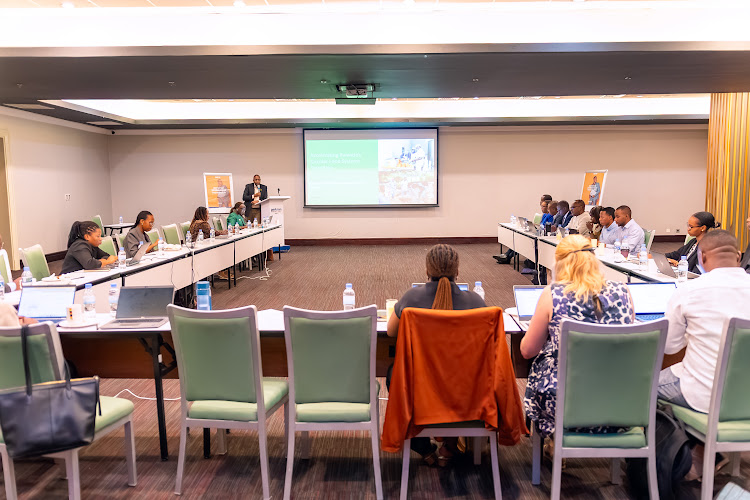
“The stars are aligning,” she said. “The research, willingness for collaboration, the government support, the private sector and institutions are all there. It’s up to us to continuously push for that engagement and move forward together.”
Workshop organisers said recommendations from the meeting would be synthesised into a roadmap for the proposed platform, with stakeholders expected to reconvene in the coming months to determine governance arrangements, priorities and implementation plans.
For many participants, the message was clear: Rwanda has already demonstrated that circular economy solutions can work. The task now is to expand them from individual success stories into a nationwide movement capable of delivering food security, climate resilience and inclusive economic growth.
For more pictures click here




Related Articles
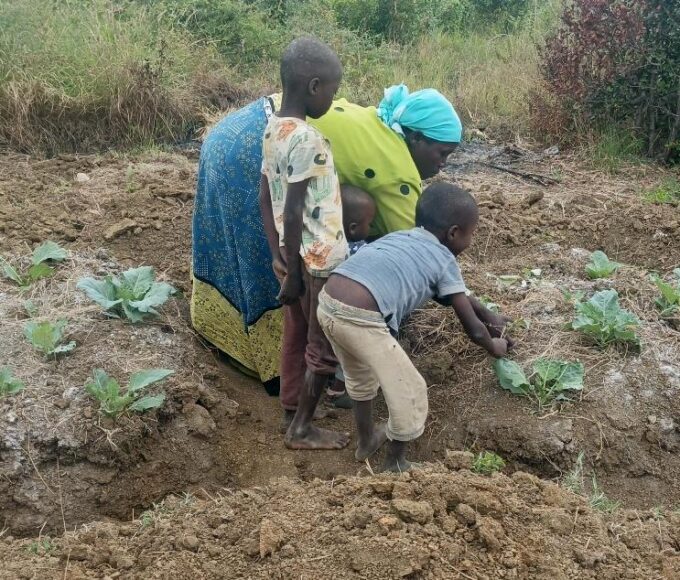
Permagardens offer a new start for drought-hit families in coastal Kenya
By Afia Agyapomaa Ofosu MBUGUNI, Kenya – For families in Mbuguni, a...
Uwimanimpaye Cyiza Marie ClemenceOctober 8, 2026 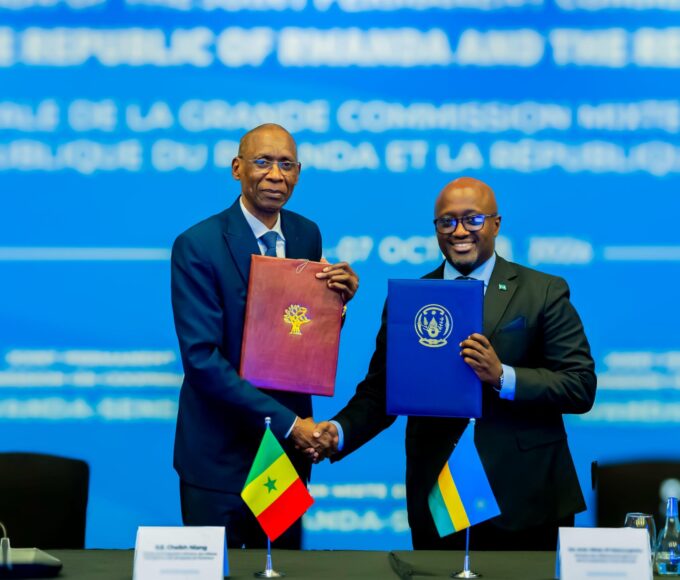
Rwanda and Senegal deepen economic ties, with agriculture and standards in focus
KIGALI, Oct. 8, 2026 – Rwanda and Senegal have signed 11 agreements...
Uwimanimpaye Cyiza Marie ClemenceOctober 8, 2026 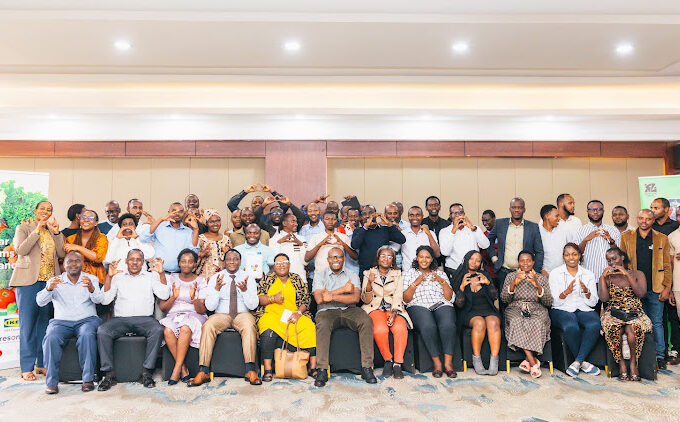
ACE4Food: Helping Rwanda’s agri-food SMEs turn circular ideas into business opportunities
For Kayitesi Grace, circular economy is not a concept she only heard...
Uwimanimpaye Cyiza Marie ClemenceSeptember 25, 2026 

REMAPSEN: Building a bridge between health, environmental information and African communities
When a disease begins to spread, a water source becomes contaminated or...
Uwimanimpaye Cyiza Marie ClemenceSeptember 25, 2026
Leave a comment