


Rwanda Standards Board Introduces RS 143: 2019: A Comprehensive Guide for Wastewater Treatment Systems
 Uwimanimpaye Cyiza Marie ClemenceJanuary 15, 20251 Mins read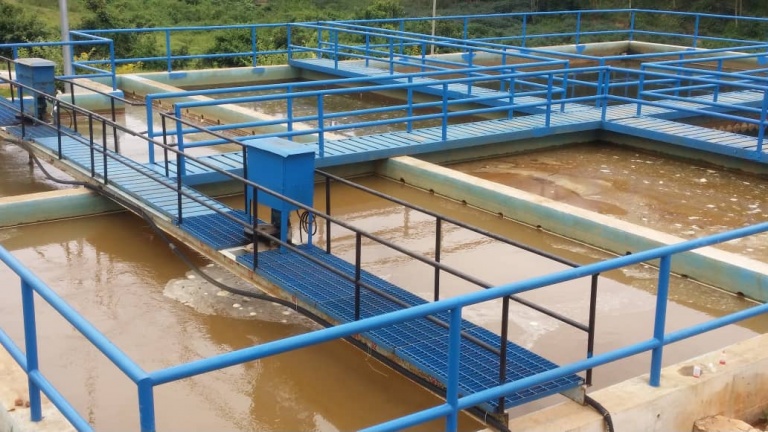
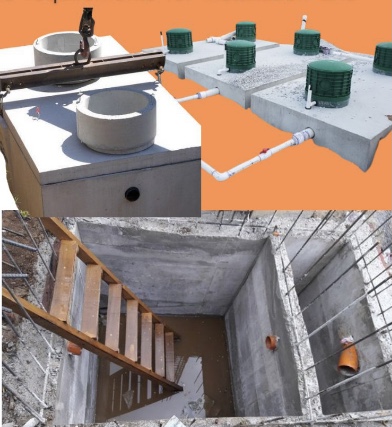
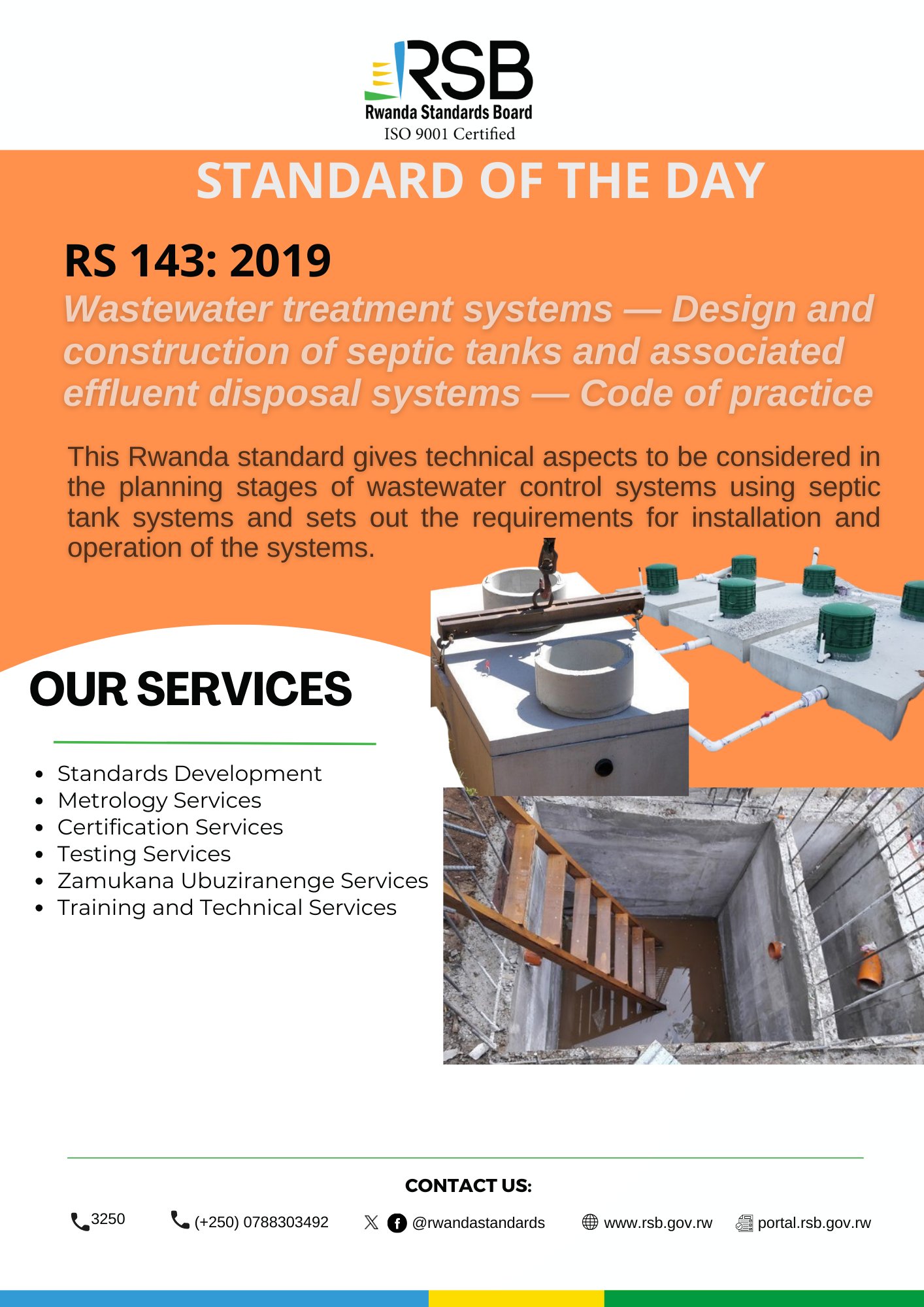
The Rwanda Standards Board (RSB), an ISO 9001-certified institution, has unveiled RS 143: 2019, a pivotal code of practice for designing and constructing septic tanks and effluent disposal systems. This standard provides technical guidance essential for planning wastewater control systems, outlining clear installation and operational requirements.
The Significance of RS 143: 2019
Proper wastewater management is critical for protecting the environment and public health. RS 143: 2019 plays a vital role in promoting effective and sustainable practices. By adhering to this standard, industries, businesses, and communities can enhance the efficiency of septic tank systems and ensure safe wastewater disposal in compliance with environmental regulations.
Current State of Wastewater Treatment in Rwanda
Rwanda faces significant challenges in wastewater management, particularly due to the absence of centralized sewage systems. In Kigali, the capital city with approximately 1.3 million inhabitants, there is neither a centralized treatment facility for sewage nor a system of central sewer networks. Instead, the city relies predominantly on decentralized, on-site wastewater systems, such as septic tanks with soak-away pits and pit latrines. This situation poses potential risks to both surface and groundwater resources, as untreated sewage may be inappropriately disposed of into the environment. 
A 2021 report highlighted that there are about 161 wastewater treatment systems in Rwanda, with most concentrated in Kigali. However, these decentralized systems are often inadequate to ensure comprehensive wastewater treatment across the country. 
Despite these challenges, there have been improvements in sanitation facilities. The percentage of households with access to improved sanitation increased from 59% to 75% over a five-year period, according to the latest Integrated Household Living Conditions Survey (EICV, 3). 
RSB’s Range of Services
To further support industry and community needs, the Rwanda Standards Board offers an array of services, including:
• Standards Development: Crafting and maintaining industry-specific standards.
• Metrology Services: Providing accurate measurement systems across diverse sectors.
• Certification Services: Delivering quality assurance through certifications.
• Testing Services: Conducting rigorous compliance testing for various products and systems.
• Zamukana Ubuziranenge: Offering tailored local support to enhance quality standards.
• Training and Technical Services: Educating stakeholders and providing expert technical guidance.
This initiative reflects RSB’s commitment to promoting sustainable development and ensuring high standards in wastewater management for the benefit of industries, communities, and the environment.




Related Articles
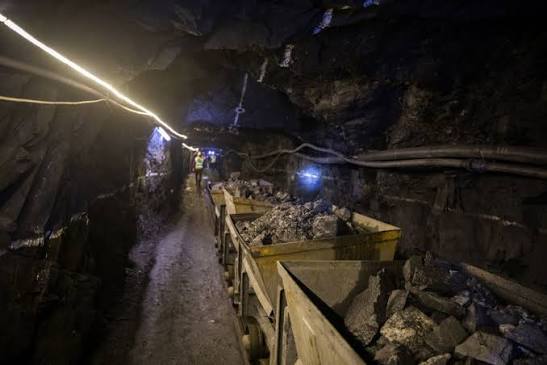
Three Miners Missing After Flooding at Kayonza Mine in Rwanda
Three miners were missing this Sunday after water flooded an underground mine...
Uwimanimpaye Cyiza Marie ClemenceOctober 11, 2026 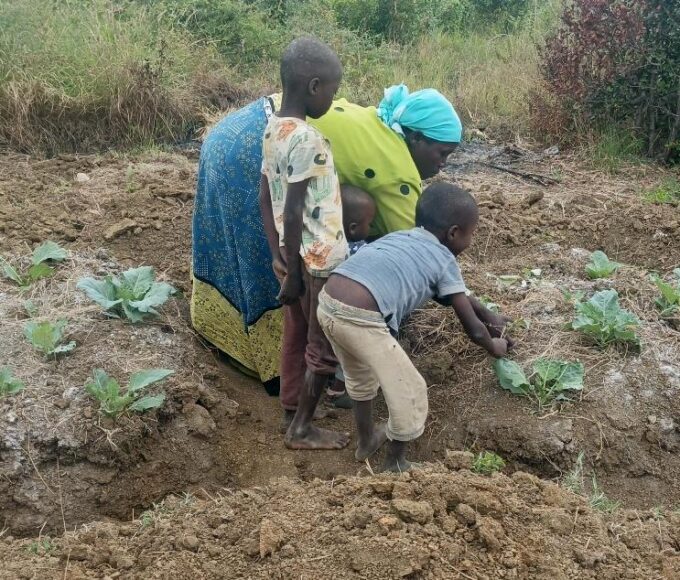
Permagardens offer a new start for drought-hit families in coastal Kenya
By Afia Agyapomaa Ofosu MBUGUNI, Kenya – For families in Mbuguni, a...
Uwimanimpaye Cyiza Marie ClemenceOctober 8, 2026 
Rwanda and Senegal deepen economic ties, with agriculture and standards in focus
KIGALI, Oct. 8, 2026 – Rwanda and Senegal have signed 11 agreements...
Uwimanimpaye Cyiza Marie ClemenceOctober 8, 2026 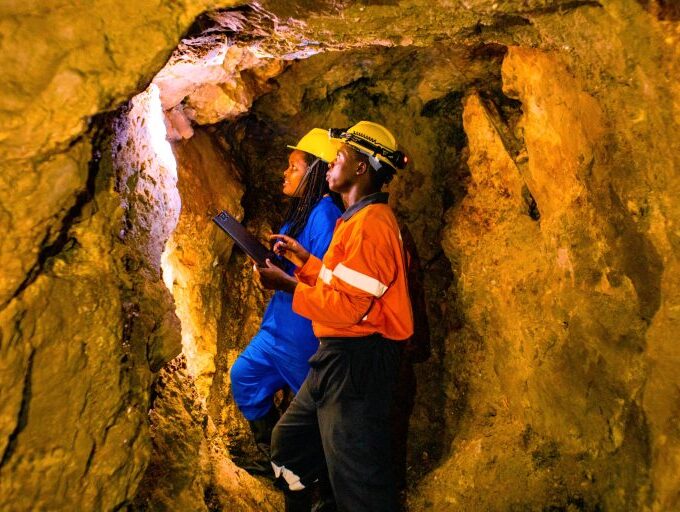

Proposed Climate Insurance Could Cushion Rwanda’s Mine Workers Against Rainy-Season Income Losses
A proposed climate insurance scheme could help protect mine and quarry workers...
Uwimanimpaye Cyiza Marie ClemenceSeptember 30, 2026
Leave a comment