

Rwanda seeks UNESCO recognition for Northern Province as Global Geopark
 Uwimanimpaye Cyiza Marie ClemenceJune 15, 20265 Mins read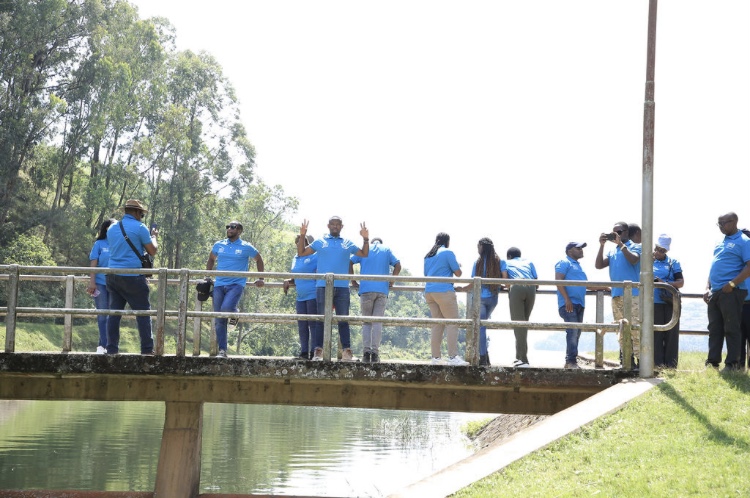
Rwanda is seeking UNESCO Global Geopark status for its Northern Province in a move that could diversify the country’s tourism offering beyond its internationally renowned mountain gorillas and position it as a destination for geological research, education and sustainable development.
The initiative, led by the Rwanda National Commission for UNESCO (CNRU) in partnership with the Rwanda Development Board (RDB), aims to secure international recognition for a region characterized by volcanic landscapes, lava caves, crater lakes, wetlands and geological formations linked to the evolution of the East African Rift System.
Officials say the proposed geopark would become Rwanda’s first UNESCO Global Geopark and could open new opportunities for scientific research, geotourism, environmental conservation and local economic development.
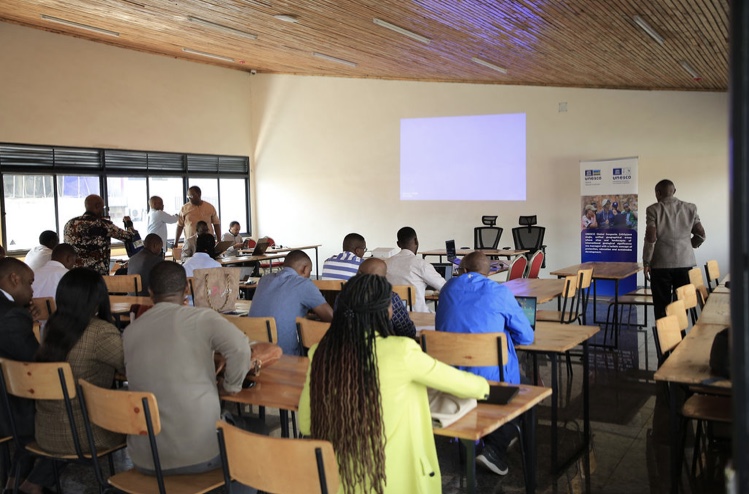
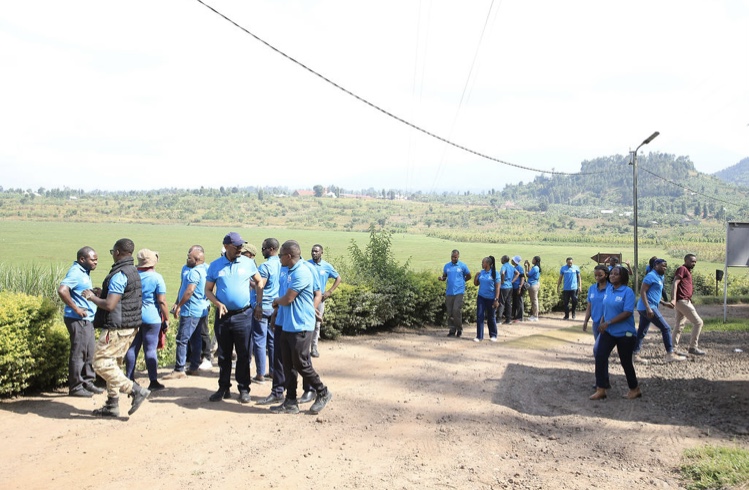
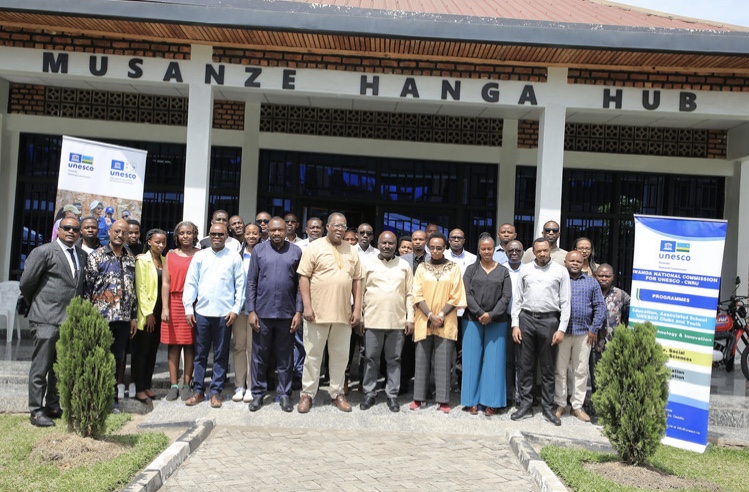
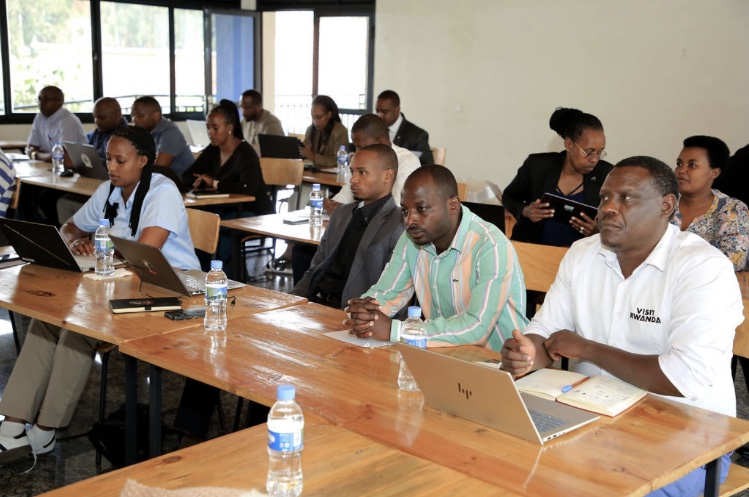
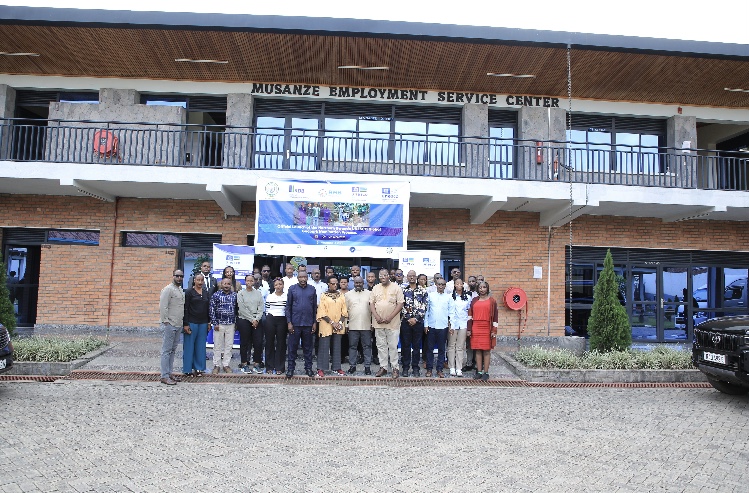
The nomination process was officially launched on June 11 in Musanze District following a field assessment conducted in late 2025 by UNESCO Global Geoparks expert Prof. Asfawossen Asrat Kassaye. After visiting key sites across Northern Rwanda, the expert concluded that the region possesses geological features of international significance and has the potential to meet UNESCO’s requirements for designation.
A landscape shaped by volcanoes
At the heart of the proposed geopark lies the Virunga volcanic chain, whose dramatic peaks dominate Rwanda’s northern horizon. The area includes Mount Muhabura and Mount Gahinga, the Musanze Caves, Lakes Burera and Ruhondo, the Rugezi Wetland and fertile volcanic soils that support intensive agriculture.
Scientists view these sites as more than scenic attractions. They represent a natural archive of Earth’s history, preserving evidence of geological processes that have shaped Central and East Africa over millions of years.
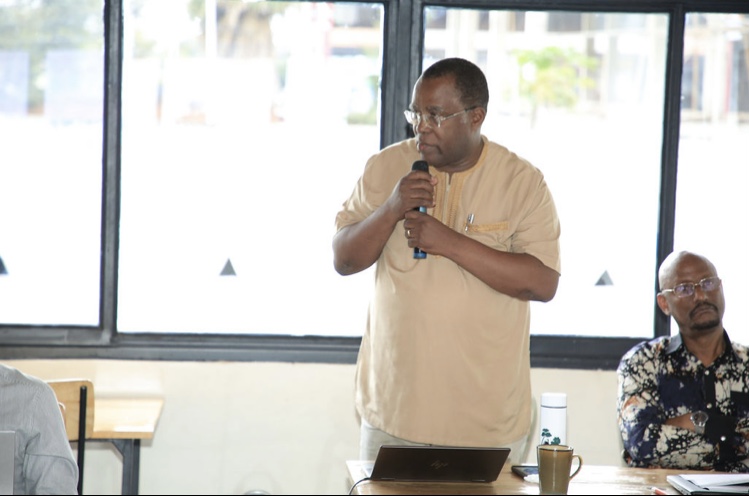
Telesphore Ngoga, RDB’s Policy Analyst for Biodiversity Conservation, said the region contains numerous natural phenomena that continue to attract scientific interest, including volcanic formations, mineral-rich springs, lava caves and unique landscapes created by past volcanic activity.
“There are many questions that these landscapes help answer about how the Earth evolved and how geological systems function,” he said. “At the same time, they create opportunities for educational tourism and scientific exploration.”
The area’s fertile volcanic soils have also drawn the attention of researchers. Agricultural production in districts such as Musanze, Burera, Nyabihu and Rubavu remains highly productive, with potatoes, maize and beans thriving in soils naturally enriched by volcanic activity.
More than a protected area
Unlike traditional protected areas focused primarily on conservation, UNESCO Global Geoparks are designed to integrate environmental protection with education, research and community development.
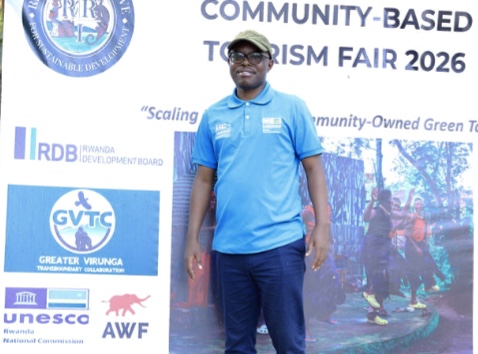
According to Ir. Dominique Mvunabandi, Director of Science, Technology and Innovation at the Rwanda National Commission for UNESCO, a geopark functions as “an open-air laboratory” where geological heritage, biodiversity, culture and local livelihoods are interconnected.
“The objective is not simply to preserve rocks or landscapes,” Mvunabandi said. “It is to use geological heritage as a foundation for education, scientific advancement, tourism and sustainable economic growth.”
He noted that Rwanda has already identified 16 sites with potential geopark value and hopes UNESCO will review the country’s application within the coming months.
Mvunabandi said international recognition would help showcase a side of Rwanda that remains largely unknown globally.
“Rwanda is known for its mountain gorillas, but there is much more that can tell the story of our country,” he said. “Our geological heritage has scientific value that can benefit not only Rwanda but the world.”
Communities at the centre
Officials say local communities will be central to the success of the initiative, both as custodians of the sites and as beneficiaries of future tourism and research activities.
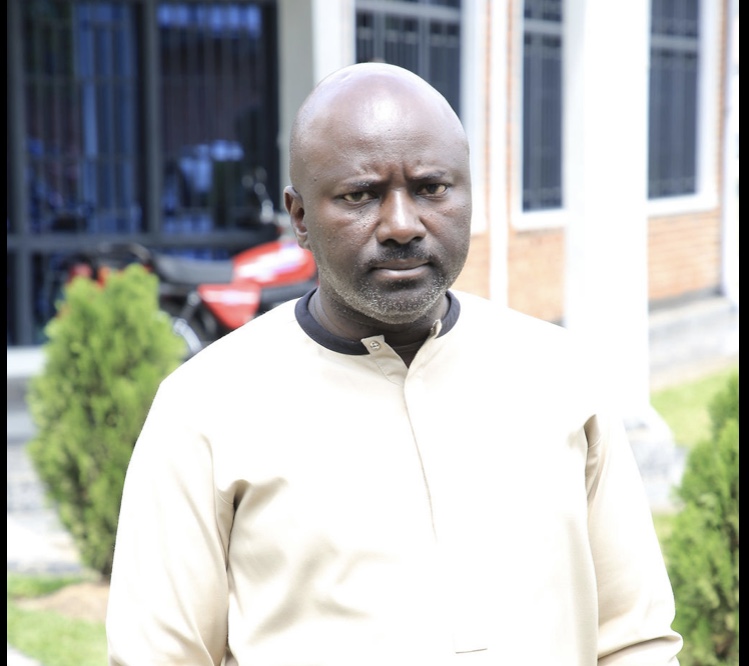
Maurice Mugabowagahunde, Governor of the Northern Province, described the project as a long-term investment in conservation and local development.
“Today, we are not merely launching a process aimed at obtaining UNESCO recognition,” he said during the launch. “We are initiating a vision dedicated to conserving and promoting our natural, geological and cultural heritage in a manner that generates tangible benefits for present and future generations.”
He said the province hopes the initiative will create jobs, stimulate entrepreneurship and strengthen community-based tourism.
Beyond its geological significance, the proposed geopark also includes sites linked to Rwanda’s cultural and historical heritage. Among them is Buranga, associated with Gihanga Ngomijana, the legendary founder of the Kingdom of Rwanda, as well as locations connected to traditional royal ceremonies.
Mugabowagahunde said local knowledge and cultural traditions would play an important role in strengthening Rwanda’s case for UNESCO recognition.
“Residents possess valuable knowledge about how people have interacted with these landscapes for generations,” he said. “That knowledge is an important part of the story we want to present to the world.”
Scientific value and global visibility
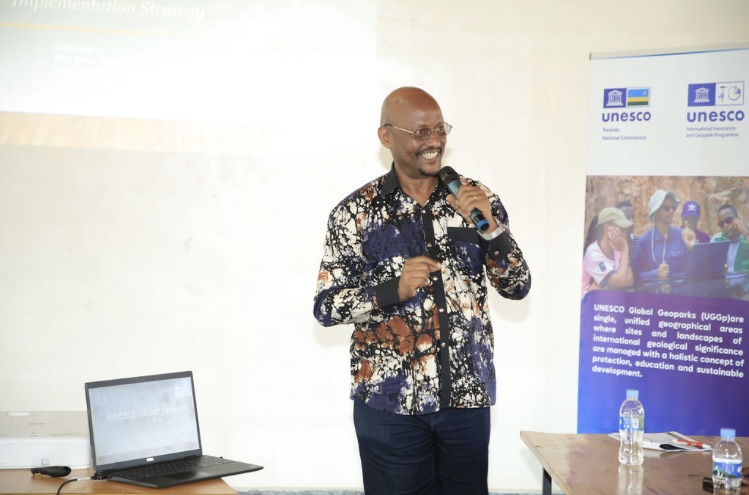
Prof. Digne Edmond Rwabuhungu, Dean of the School of Mining and Geology at the University of Rwanda and Chairperson of the National Geopark Committee, said UNESCO designation would elevate Rwanda’s geological heritage onto the global stage.
“When people think about Rwanda, they often think of mountain gorillas and wildlife tourism,” he said. “However, there is another extraordinary story embedded within our volcanic landscapes, caves, lakes and ancient rock formations that preserve millions of years of Earth’s history.”
Rwabuhungu said Northern Rwanda represents a unique natural laboratory for geologists and earth scientists studying volcanic systems and the East African Rift.
He added that UNESCO recognition could attract researchers, students and academic institutions from around the world.
“If this volcanic region becomes a UNESCO Global Geopark, within a few years geologists from different countries will be coming here to conduct research,” he said. “They will use local services, stay in local hotels and contribute to the economy while advancing scientific knowledge.”
He also emphasized the importance of protecting geological heritage before it is degraded or forgotten.
“A geopark provides a mechanism to identify, document and preserve these sites for future generations,” he said. “It is a way of safeguarding Earth’s history written in our landscapes.”
Heritage as a driver of development
Dr. Marie Christine Gasingirwa, Chairperson of the General Assembly of the Rwanda National Commission for UNESCO, said the initiative reflects UNESCO’s broader vision of linking conservation with sustainable development.
“UNESCO Global Geoparks demonstrate that natural heritage can serve as a driver of scientific knowledge, innovation, education, tourism and economic growth,” she said. “Most importantly, they ensure that local communities become active participants and beneficiaries in heritage conservation efforts.”
Gasingirwa said Northern Rwanda possesses exceptional assets capable of supporting a model of sustainable development that combines environmental stewardship with economic opportunity.
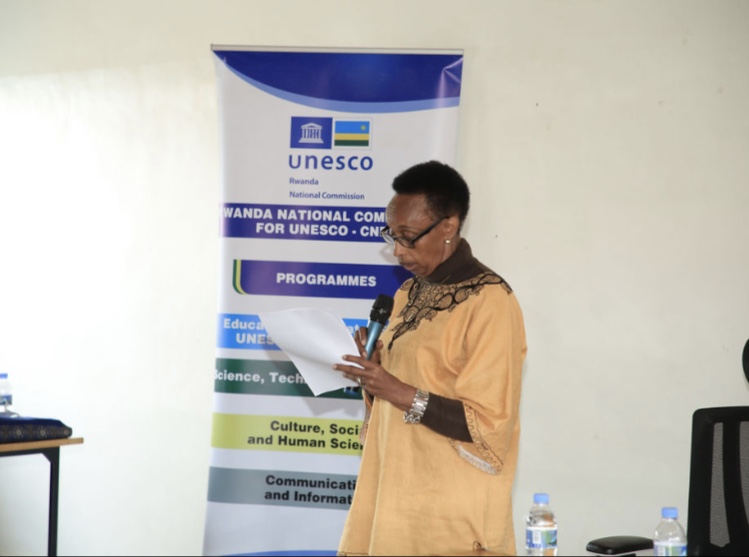
“If successfully implemented, this initiative can create new opportunities in research, education, employment and community development,” she said.
Looking beyond the Northern Province
While the Northern Province is the first area being considered for UNESCO Global Geopark status, experts say other parts of Rwanda also possess significant geological heritage.
Potential future geopark sites include Lake Kivu and its methane-rich waters, geothermal springs in Rubavu and Bugarama, and the ancient geological formations found within Nyungwe National Park.
Lake Kivu, located within the East African Rift Valley, is notable for its geological activity and proximity to natural hazards such as earthquakes, landslides and flooding. Nyungwe, meanwhile, contains some of the oldest rock formations in the region and a rich cultural history connected to natural resource use.
Officials say Rwanda’s growing focus on geological heritage could complement its established wildlife tourism industry while creating new streams of foreign exchange through research tourism, education and scientific collaboration.
If approved, Northern Rwanda would join UNESCO’s Global Geoparks Network, which includes more than 220 geoparks across over 50 countries.
For Rwanda, the designation would represent more than international recognition. It would signal the emergence of a new conservation and development model; one that places geological heritage alongside wildlife, culture and biodiversity as a cornerstone of the country’s future tourism and research economy.



Related Articles
Three Miners Missing After Flooding at Kayonza Mine in Rwanda
Three miners were missing this Sunday after water flooded an underground mine...
Uwimanimpaye Cyiza Marie ClemenceOctober 11, 2026 
Permagardens offer a new start for drought-hit families in coastal Kenya
By Afia Agyapomaa Ofosu MBUGUNI, Kenya – For families in Mbuguni, a...
Uwimanimpaye Cyiza Marie ClemenceOctober 8, 2026 
Rwanda and Senegal deepen economic ties, with agriculture and standards in focus
KIGALI, Oct. 8, 2026 – Rwanda and Senegal have signed 11 agreements...
Uwimanimpaye Cyiza Marie ClemenceOctober 8, 2026 

Proposed Climate Insurance Could Cushion Rwanda’s Mine Workers Against Rainy-Season Income Losses
A proposed climate insurance scheme could help protect mine and quarry workers...
Uwimanimpaye Cyiza Marie ClemenceSeptember 30, 2026
Leave a comment