




Rwanda and ASECNA Partner to Advance Quality, Safety, and Environmental Sustainability in African Aviation
 Uwimanimpaye Cyiza Marie ClemenceMay 9, 20263 Mins read
In a significant step toward improving aviation services across Africa, Rwanda Standards Board (RSB) and Agency for Aerial Navigation Safety in Africa and Madagascar (ASECNA) have signed a three-year cooperation agreement aimed at strengthening quality management systems, institutional capacity, and environmental responsibility within the aviation sector.
The agreement, signed in Kigali in the presence of Hon Prudence Sebahizi, the Rwandan Minister of Trade and Industry, establishes a framework under which RSB will provide ISO certification audit services to ASECNA across 18 African countries. The partnership reflects a growing commitment among African institutions to promote operational excellence, safer air transport systems, and environmentally responsible aviation operations.
Strengthening African aviation through standards
At the heart of the agreement is the implementation of three internationally recognized ISO standards that guide how aviation services are managed, delivered, and improved.

The first, ISO 9001 (Quality Management Systems), focuses on ensuring consistent, efficient, and customer-oriented service delivery. In the aviation context, it supports better organization of airport and air navigation services, improved responsiveness to passengers, and continuous improvement of operational performance.
The second, ISO 14001 (Environmental Management Systems), is central to the environmental dimension of this partnership. It provides a structured framework for organizations to identify, manage, and reduce their environmental impact. In aviation operations, this includes improving waste management, reducing emissions and pollution, optimizing energy use, and ensuring compliance with environmental regulations. As air transport continues to expand across Africa, ISO 14001 is increasingly seen as a key tool for making aviation more sustainable and climate-responsible.
The third, ISO 45001 (Occupational Health and Safety Management Systems), focuses on protecting workers and users by reducing risks and improving safety conditions within workplaces such as airports, training schools, and air navigation facilities.
Together, these standards are expected to improve not only service quality and safety but also the environmental footprint of aviation operations across the continent.
A continental audit programme across 18 countries
Under the agreement, Rwandan auditors and technical experts will conduct assessments across ASECNA facilities, including its headquarters in Senegal, 21 airports, and three aviation training schools. Over the next three years, the programme will evaluate compliance with ISO standards in operational procedures, customer service systems, environmental practices, and occupational safety measures.
The exercise will ultimately lead to certification decisions based on compliance levels, with institutions either receiving ISO certification or being given time-bound recommendations for improvement before certification is granted.
Leadership voices on quality, safety, and sustainability
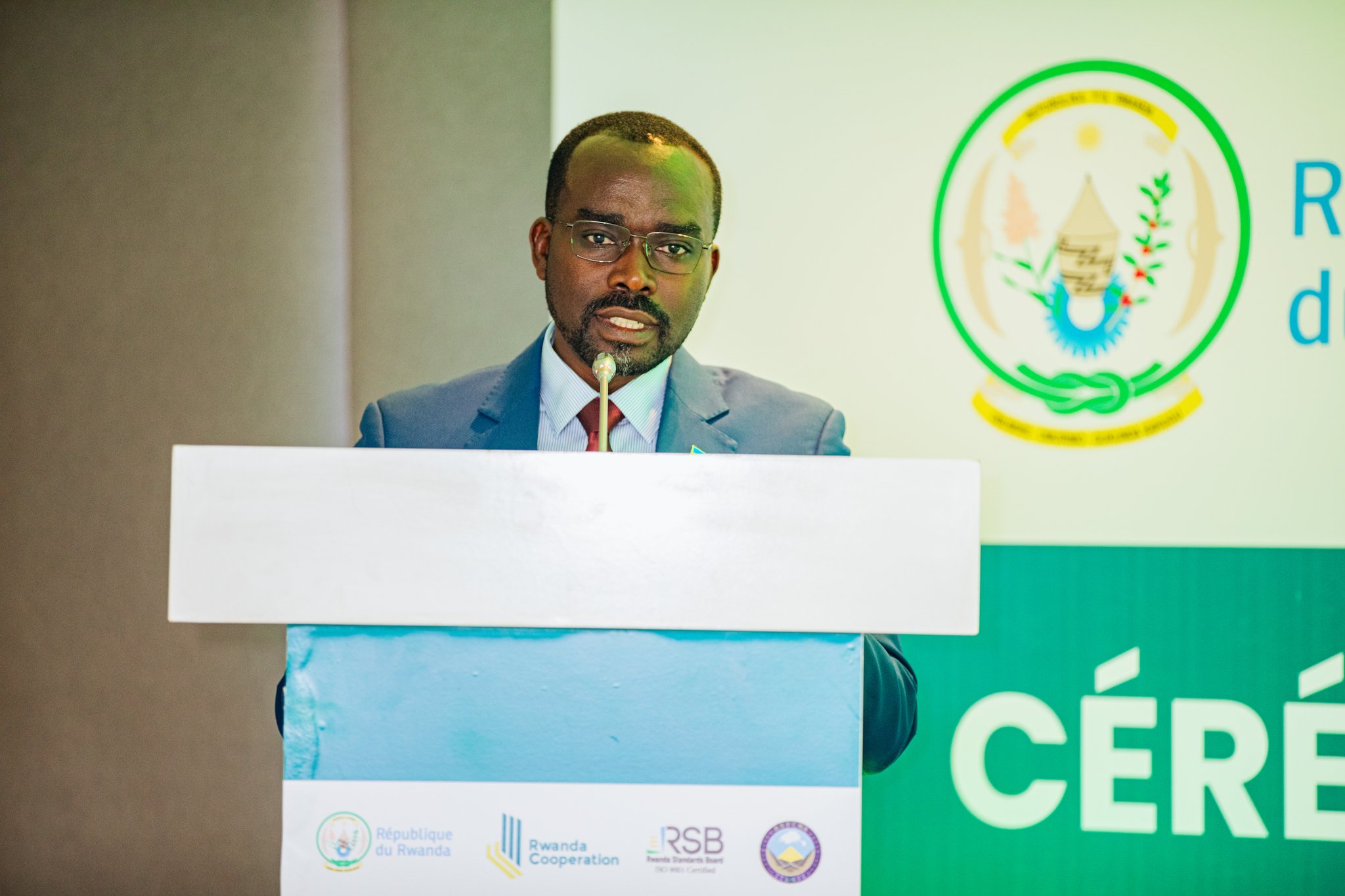
Speaking at the signing ceremony, Hon Minister Prudence Sebahizi emphasized the broader significance of the partnership, stating:
“The cooperation between RSB and ASECNA constitutes a major step in strengthening our shared commitment to quality, operational excellence, and continuous improvement of performance in services across our continent.”
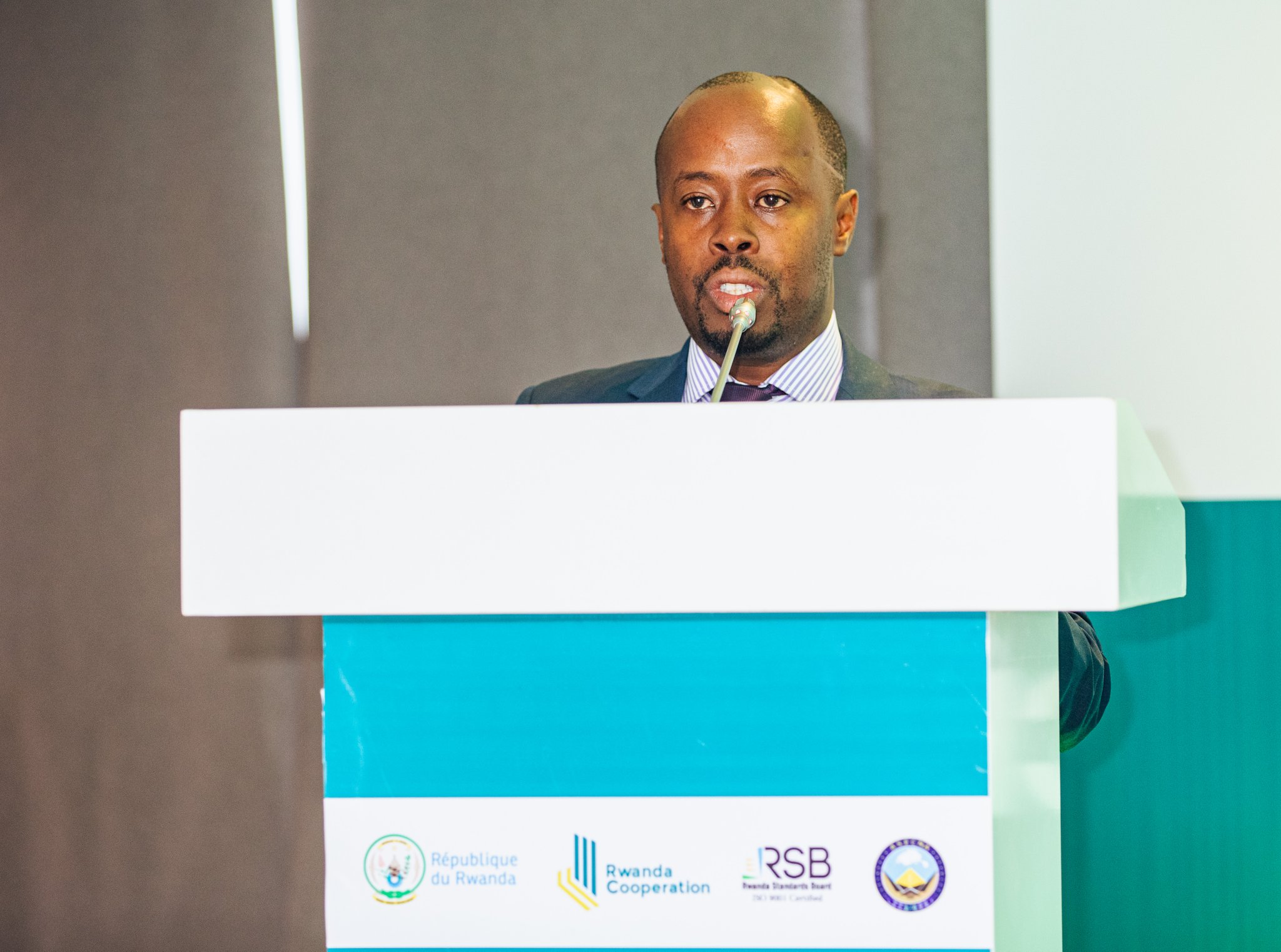
RSB Director General Raymond Murenzi highlighted the strategic nature of the agreement, noting:
“By signing this contract today, we formalize a professional relationship and therefore establish an act of trust, responsibility and a shared vision for a future where quality is a lever for development.”
He also emphasized that the partnership goes beyond service quality alone, explaining that the cooperation will progressively integrate environmental and safety standards alongside operational excellence.
According to Murenzi, while the first phase will prioritize ISO 9001 certification for quality management, the collaboration will later expand to include ISO 14001 on environmental management and ISO 45001 on occupational health and safety, reinforcing sustainable and responsible aviation operations across Africa.
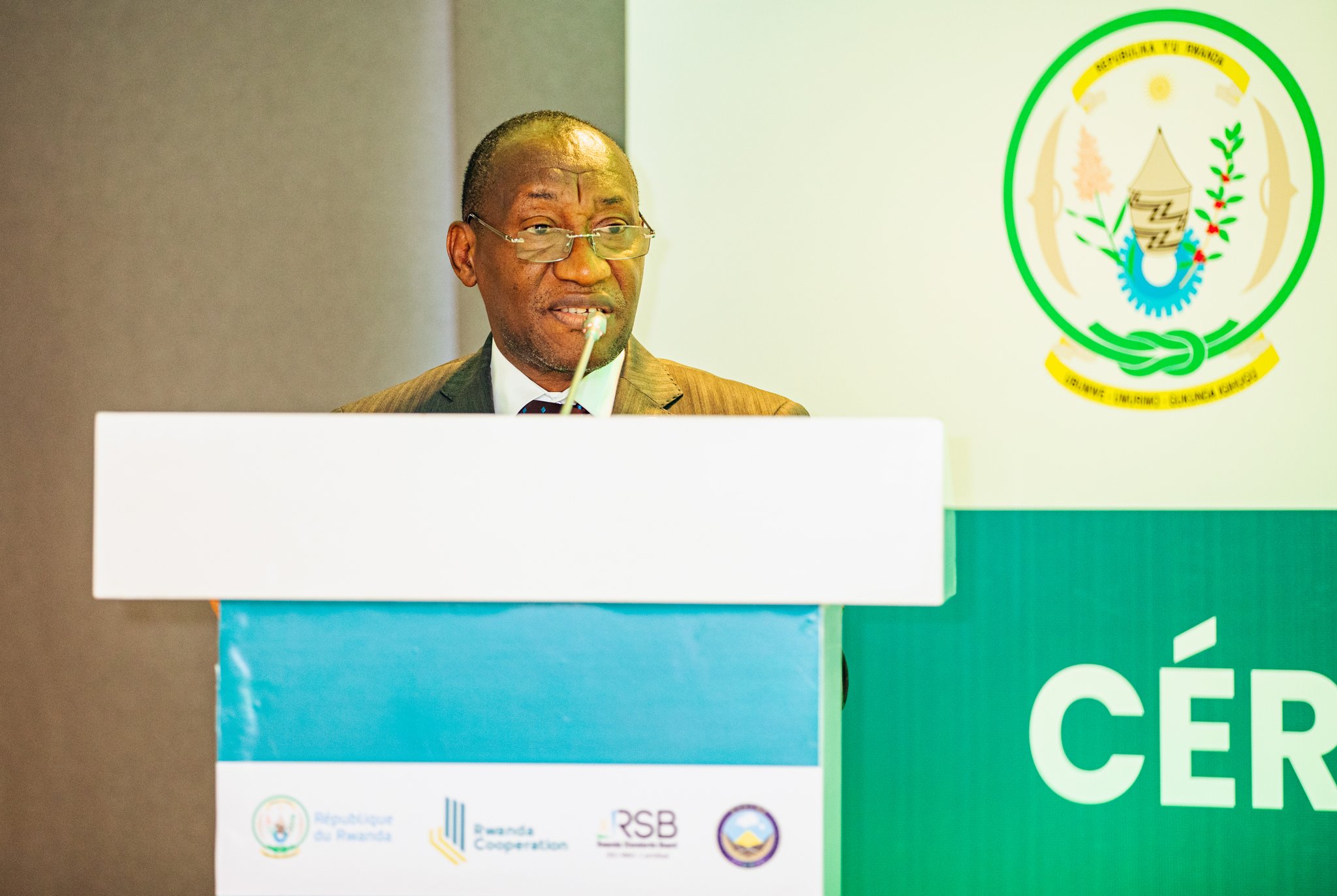
From the aviation safety perspective, Prosper Zo’o Minto’o, Director General of ASECNA underscored the importance of international standards in enhancing airspace safety:
“Strengthening aviation safety is our priority, and this cooperation with RSB reflects our commitment to implementing international standards such as ISO 9001 for a safer African airspace.”
A platform for South-South cooperation and environmental progress
The partnership has also been welcomed as a model of African-led collaboration. Rwanda Cooperation Initiative (RCI), which facilitated the technical exchange, described the agreement as a milestone in knowledge sharing across the continent.
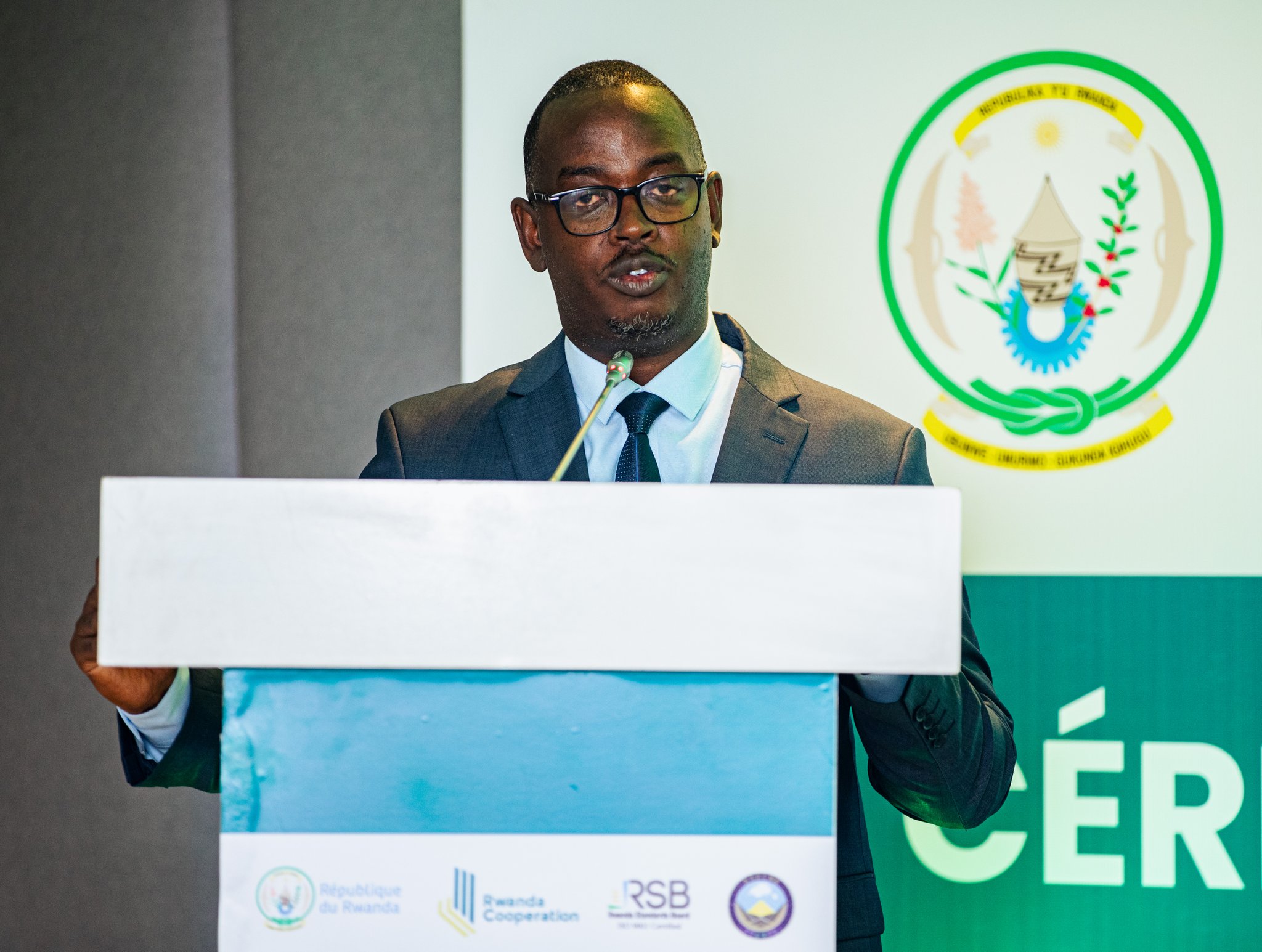
Its Chief Executive Officer, Richard Niwenshuti, noted:
“We are very pleased with this collaboration, which promotes cooperation between African institutions to contribute to knowledge exchange, strengthen capacities, and develop solutions through South-South cooperation.”
Toward greener and safer skies in Africa
Beyond improving efficiency and safety, this partnership places strong emphasis on environmental responsibility.
“By integrating ISO 14001 into aviation systems, the initiative encourages airports and air navigation services to reduce emissions, manage resources more efficiently, and adopt environmentally conscious operational practices.” Emphasized Prosper Zo’o Minto’o, Director General of ASECNA.
As African aviation continues to grow, this agreement positions environmental sustainability not as an optional consideration, but as a core pillar of modern aviation governance.
Ultimately, the collaboration between RSB and ASECNA demonstrates how quality standards, safety systems, and environmental management can work together to shape a more resilient, efficient, and sustainable aviation future for Africa.











Related Articles
Three Miners Missing After Flooding at Kayonza Mine in Rwanda
Three miners were missing this Sunday after water flooded an underground mine...
Uwimanimpaye Cyiza Marie ClemenceOctober 11, 2026 
Permagardens offer a new start for drought-hit families in coastal Kenya
By Afia Agyapomaa Ofosu MBUGUNI, Kenya – For families in Mbuguni, a...
Uwimanimpaye Cyiza Marie ClemenceOctober 8, 2026 
Rwanda and Senegal deepen economic ties, with agriculture and standards in focus
KIGALI, Oct. 8, 2026 – Rwanda and Senegal have signed 11 agreements...
Uwimanimpaye Cyiza Marie ClemenceOctober 8, 2026 

Proposed Climate Insurance Could Cushion Rwanda’s Mine Workers Against Rainy-Season Income Losses
A proposed climate insurance scheme could help protect mine and quarry workers...
Uwimanimpaye Cyiza Marie ClemenceSeptember 30, 2026
Leave a comment