




Extreme Heat Pushes Agrifood Systems to the Brink, New FAO-WMO Report Warns
 Uwimanimpaye Cyiza Marie ClemenceApril 26, 20263 Mins read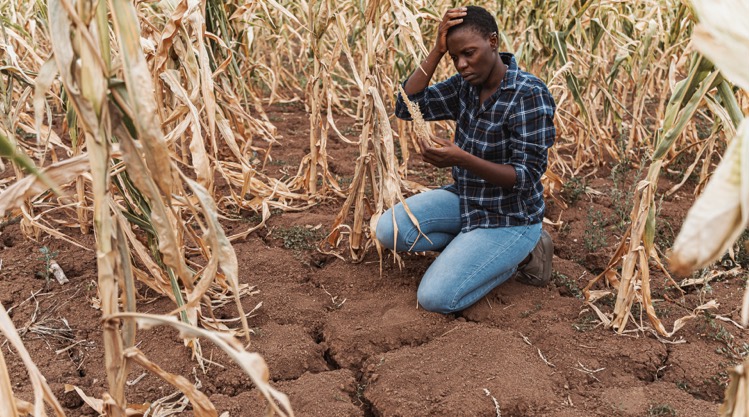
Extreme heat is rapidly emerging as one of the most serious threats to global agriculture, placing mounting pressure on crops, livestock, fisheries, ecosystems, and the people whose livelihoods depend on them.
A new joint report released by the Food and Agriculture Organization of the United Nations (FAO) and the World Meteorological Organization (WMO) warns that rising temperatures are pushing agrifood systems to the brink, with over a billion people already facing threats to their livelihoods, health, and labour productivity.
Published on Earth Day 2026, the report “Extreme Heat and Agriculture” offers a comprehensive assessment of how increasingly frequent, intense, and prolonged heat events are reshaping the conditions under which global food systems operate.
A Growing Climate Threat
According to the report, the frequency, intensity, and duration of extreme heat events have risen sharply over the past 50 years, and risks are expected to escalate further in the decades ahead.
“This work highlights how extreme heat is a major risk multiplier, exerting mounting pressure on crops, livestock, fisheries and forests, and on the communities and economies that depend upon them,” said FAO Director-General Qu Dongyu.
WMO Secretary-General Celeste Saulo emphasized that extreme heat is no longer a temporary climatic anomaly but a defining challenge for modern agriculture.
“Extreme heat is increasingly defining the conditions under which agrifood systems operate,” she said.
“More than simply an isolated climatic hazard, it acts as a compounding risk factor that magnifies existing weaknesses across agricultural systems. Early warnings and climate services like seasonal outlooks are vital to help us adapt to the new reality.”
Crops, Livestock, Fisheries and Workers Under Pressure
The report details how extreme heat affects every component of agrifood systems, with impacts varying depending on when and where heat events occur.
For livestock, heat stress begins at temperatures above 25°C for most common species, with chickens and pigs particularly vulnerable because they cannot cool themselves by sweating.
Aquatic systems are also under severe strain. Fish exposed to high water temperatures may suffer cardiac failure as warming waters reduce dissolved oxygen levels. In 2025, more than 90 percent of the global ocean experienced at least one marine heatwave, according to WMO’s State of the Global Climate 2025 report.
Crop productivity is similarly at risk. For most major agricultural crops, yields begin to decline when temperatures exceed 30°C, with more sensitive crops such as potatoes and barley affected at even lower thresholds.
Extreme heat also contributes to worsening wildfire conditions, with evidence showing a strong link between heatwaves and longer, more intense fire seasons.
Human Toll on Agricultural Labour
Beyond environmental and production impacts, the report highlights the growing human cost of extreme heat.
Agricultural workers, many of whom already operate in harsh outdoor conditions, face increasing exposure to dangerous temperatures that reduce labour productivity and threaten health.
The report projects that in much of South Asia, tropical Sub-Saharan Africa, and parts of Central and South America, the number of days each year that are simply too hot to work could rise to 250 days annually.
A “Risk Multiplier” Across Food Systems
The report stresses that the danger of extreme heat extends beyond direct temperature impacts.
Heat acts as a “risk multiplier,” worsening water stress, accelerating flash droughts, increasing wildfire risk, and fostering the spread of pests and diseases. It also draws attention to emerging hazards such as flash droughts rapid-onset drought events primarily driven by sudden temperature increases.
Adaptation Is Essential
To reduce vulnerability, the report calls for urgent innovation and adaptation across agrifood systems.
Recommended measures include:
•Selective breeding of heat-tolerant livestock and crops
•Adjusting crop choices to suit shifting climate conditions
•Changing planting windows
•Altering farm management practices to protect crops and agricultural activities from heat stress
The report identifies early warning systems and seasonal climate outlooks as especially critical tools for helping farmers prepare for and respond to extreme heat events.
Financial support mechanisms are also highlighted as essential enablers of adaptation, including:
•Cash transfers
•Insurance schemes
•Payment programs
•Shock-responsive social protection systems
A Call for Collective Action
The report concludes that safeguarding agriculture and global food security will require coordinated action far beyond individual farms.
“Protecting the future of agriculture and ensuring global food security will require not only building on-farm resilience but also exercising international solidarity and collective political will for risk sharing, and a decisive transition away from a high-emissions future,” the report states.
As climate change intensifies, the FAO and WMO warn that adapting agrifood systems to extreme heat is no longer optional; it is essential for the future of food security, rural livelihoods, and ecosystem resilience worldwide.



Related Articles
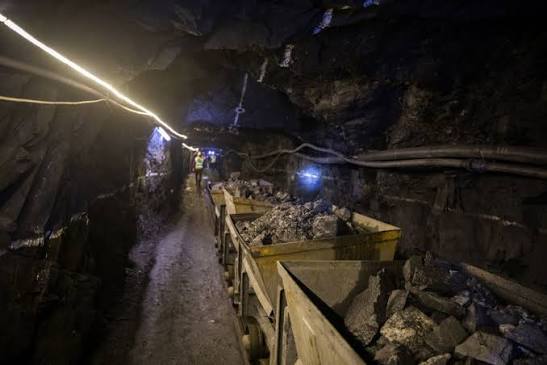
Three Miners Missing After Flooding at Kayonza Mine in Rwanda
Three miners were missing this Sunday after water flooded an underground mine...
Uwimanimpaye Cyiza Marie ClemenceOctober 11, 2026 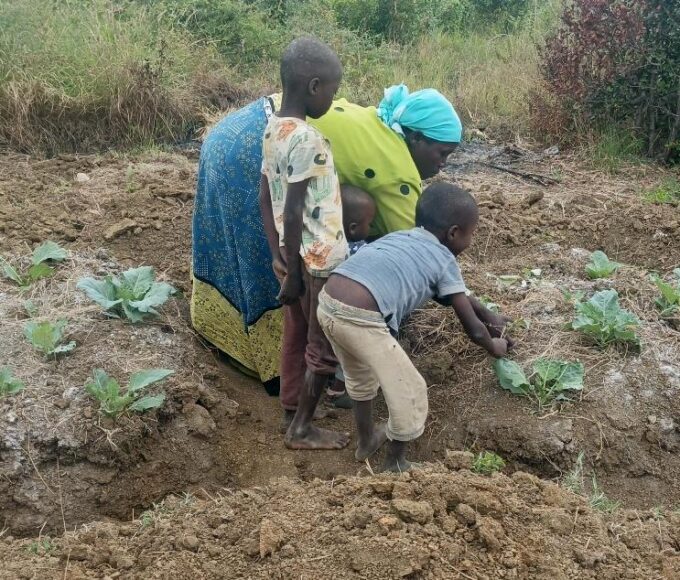
Permagardens offer a new start for drought-hit families in coastal Kenya
By Afia Agyapomaa Ofosu MBUGUNI, Kenya – For families in Mbuguni, a...
Uwimanimpaye Cyiza Marie ClemenceOctober 8, 2026 
Rwanda and Senegal deepen economic ties, with agriculture and standards in focus
KIGALI, Oct. 8, 2026 – Rwanda and Senegal have signed 11 agreements...
Uwimanimpaye Cyiza Marie ClemenceOctober 8, 2026 

Proposed Climate Insurance Could Cushion Rwanda’s Mine Workers Against Rainy-Season Income Losses
A proposed climate insurance scheme could help protect mine and quarry workers...
Uwimanimpaye Cyiza Marie ClemenceSeptember 30, 2026
Leave a comment