


Rwanda’s circular food platform turns recommendations into action as four-year project closes
 Uwimanimpaye Cyiza Marie ClemenceAugust 16, 20265 Mins read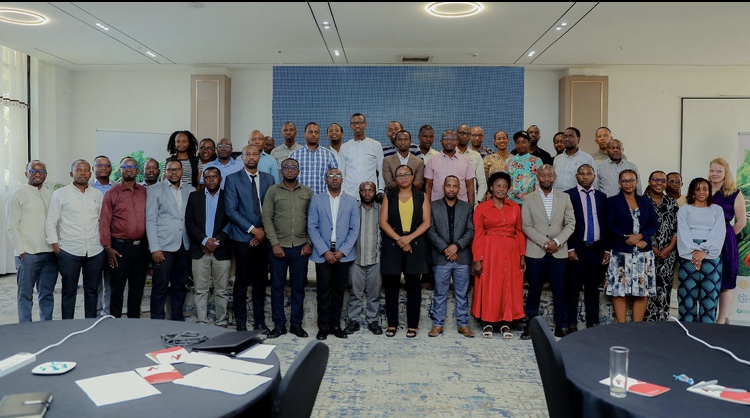
For Dominique Xavio Imbabazi, getting his organic soil-improvement products through Rwanda’s quality certification process was a long and difficult journey.
The problem, he said, was partly that the regulatory framework did not clearly cover the type of products his business was making.
At the time, regulations available through the Rwanda Agriculture and Animal Resources Development Board (RAB) focused on what were classified as “organic fertilizer specifications”, while his products were considered “organic soil improvers”.
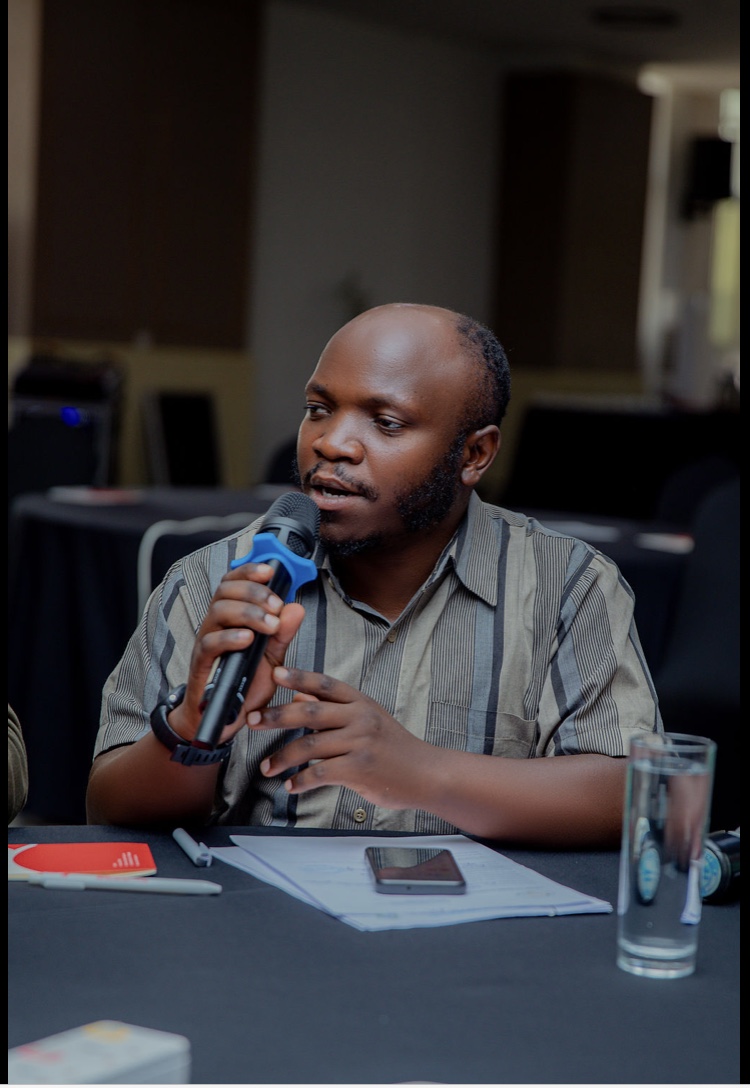
That difference became a practical obstacle when he sought testing and certification from the Rwanda Standards Board (RSB).
“They would tell you that the results they were getting did not correspond with what the quality standards required, and therefore say that the organic fertilizer we were producing did not meet the standards,” Xavio said.
He described the process as frustrating and lengthy. He said he repeatedly raised the issue with senior officials whenever he had an opportunity, hoping to find a way for the standards to reflect the products being developed by emerging circular businesses.
Eventually, those complaints led somewhere.
As the Circular Food Systems for Rwanda (CIRF) project brought businesses, regulators and policymakers together through its multi-stakeholder platform, Xavio said he was eventually contacted by RSB and invited to work on standards relevant to organic fertilizers.
“Finally, I received a call from RSB asking me to come so that we could work together on quality standards for organic fertilisers,” he said.
For Xavio, the experience showed the value of putting businesses and regulators around the same table.
“It was not only difficult for me,” he said, noting that many businesses participating in the CIRF project also ended up producing organic fertilizer.
“I believe this journey did not only benefit me, but also the businesses that started alongside me and those that joined us later.”
His experience provided a concrete example of the kind of challenge Rwanda’s circular food businesses face as they seek to turn waste and other resources into commercially viable products.
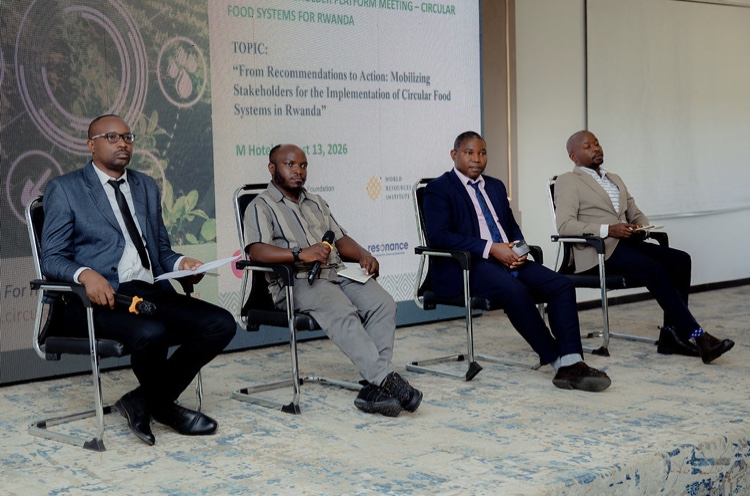
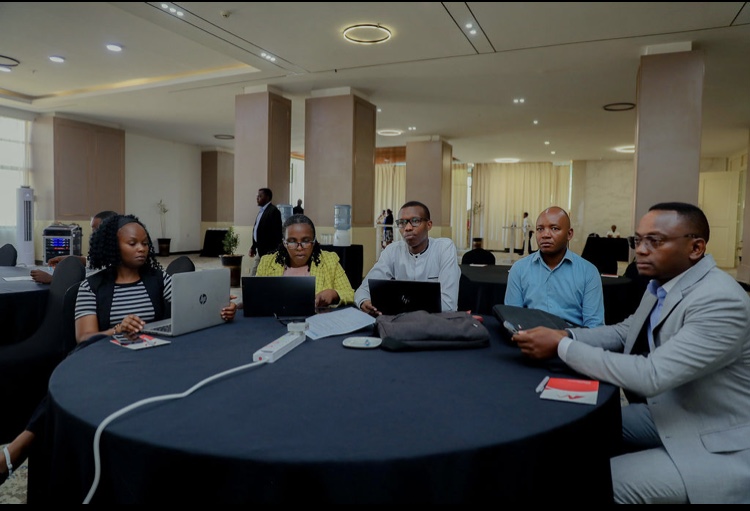
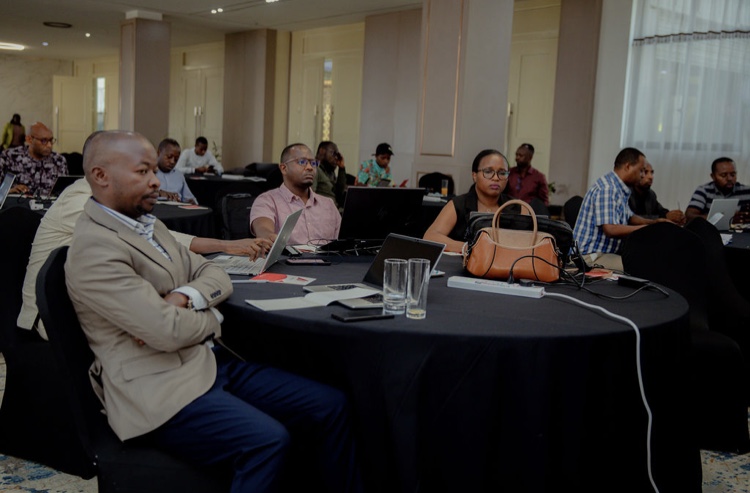
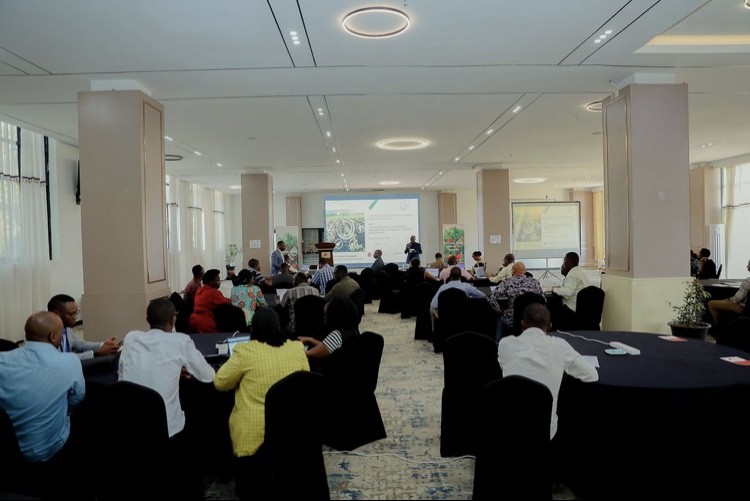
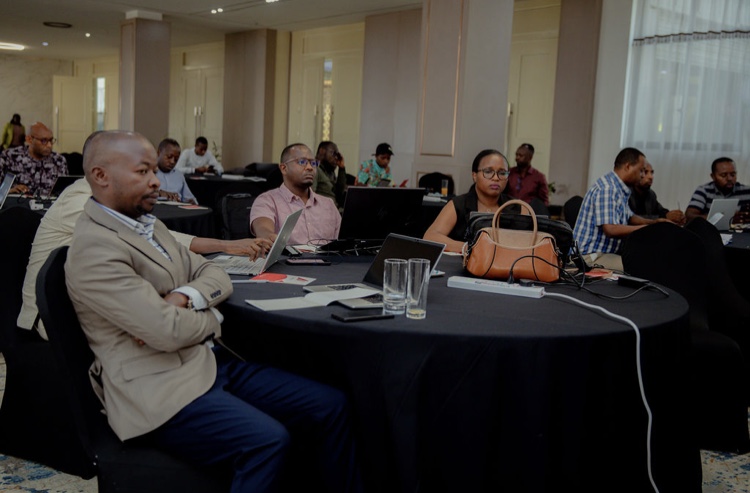
The issue was at the heart of the ninth and final Multi-Stakeholder Platform meeting for the CIRF project, held in Kigali on Aug. 13, where government institutions, businesses, financial institutions, development partners, researchers and civil society representatives reviewed four years of work and discussed what should happen after the project ends.
The platform, which has met quarterly, has focused on issues including circular economy principles, standards and certification, access to finance, regulatory alignment and collaboration between stakeholders.
Its final meeting carried a simple message: years of recommendations now need to translate into action.
“We need to move from recommendation to action,” said Dr. Christian Sekomo Birame, NIRDA Director General.
The meeting was intended to review progress on earlier recommendations, identify remaining gaps and agree on priority actions, responsibilities and timelines for the next phase.
From regulation to finance
For businesses, standards and certification have been only one part of the challenge.
Daniel Nkubito, coordinator of the Cleaner Production and Climate Innovation Centre, said the project supported small and medium-sized enterprises with technical advice, including how to process organic fertilizer from waste, as well as access to technology and certification support.
The centre also worked to connect businesses with banks and investors, helped them prepare funding proposals and sought green-finance opportunities for eligible companies.
Once businesses had products ready and met certification requirements, the centre also helped connect them to potential buyers, he said.
The project’s experience suggests that circular businesses need more than technical solutions. They also need financing, appropriate regulation, certification and access to markets to turn those solutions into viable enterprises.
Gloria Kantengwa of the World Resources Institute (WRI), which has worked on the project since 2021, said one of the major achievements was progress on standards and conformity assessment.
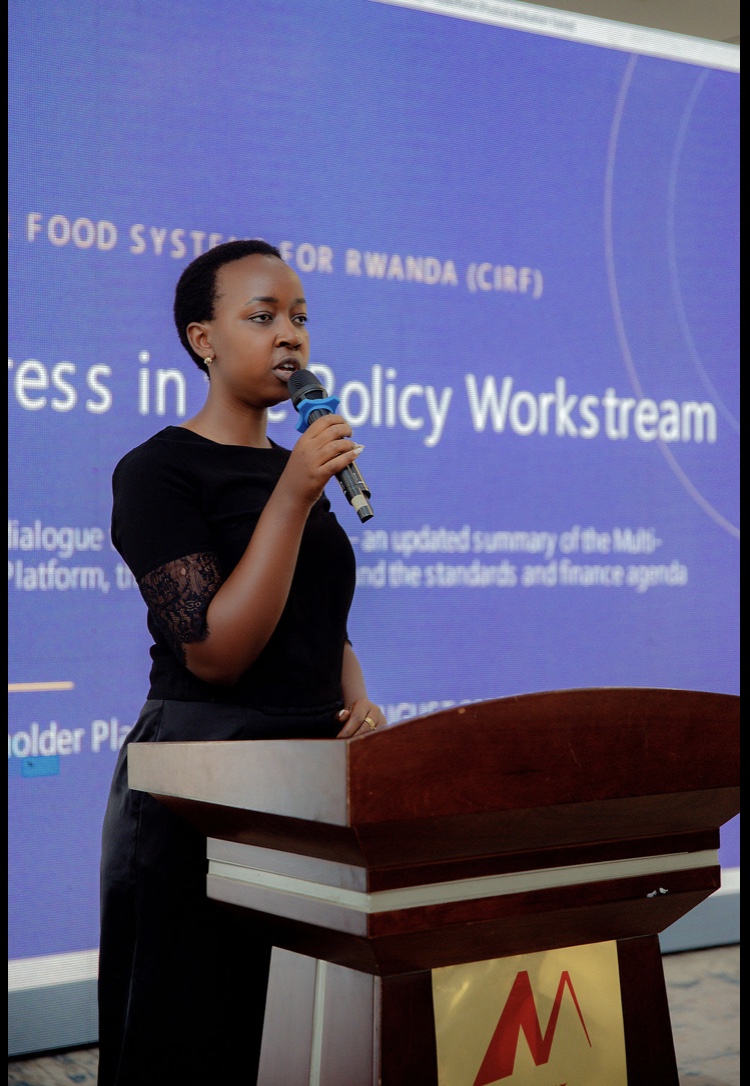
When the project began, circularity was gaining attention but there were limited country-level standards specifically addressing circular businesses in the agri-food sector, she said.
Through consultations with national quality institutions, the project supported work on circularity and conformity assessment, as well as organic inputs and related guidelines.
Gloria said the project also documented businesses’ experiences in obtaining certification and is packaging those lessons into a certification toolkit that can help other companies navigate the process.
At the company level, she pointed to businesses developing new products, producing commercially viable compost and pellets, gaining customers and establishing links with other organisations.
What happens after CIRF?
The bigger question at the final meeting was how to preserve those gains once the project ends.
The CIRF concept note identifies institutionalization as a central priority, with the platform expected to be embedded within existing national structures rather than disappear with the project.
Gloria said the platform’s work will move into the National Circular Economy Forum, with an agriculture or food cluster providing a new home for the discussions.
She said the next phase would also expand support to more businesses. The current project has worked with 20 companies, while the new approach is expected to reach 50.
“The work will continue,” she said, explaining that what is ending is the current funding phase rather than the broader work on circular food systems.
Daniel Nkubito said the SMEs supported through CIRF would also continue to be engaged through the new platform arrangement under Rwanda’s National Circular Economy Action Plan and Roadmap.
The intention is to take lessons from the past four years and apply them across other circular-economy platforms, he said.
A broader food-system challenge
Government officials stressed that building a circular food system is about more than recycling waste.
DG Kwitonda Philippe, the co-chair of this platform representing the Ministry of Environment, said Rwanda still faces challenges across the food chain, including farming practices, productivity, post-harvest storage, processing infrastructure and connecting small farmers to markets.
“When we talk about the food system, it is the whole chain,” he said.
He said Rwanda needs to increase productivity per hectare, improve storage and processing capacity and maintain momentum towards a food system that is productive, resilient, inclusive, climate-smart and sustainable.
Rather than viewing the end of the CIRF project as an endpoint, Philippe said its achievements should form the basis of the next phase.
“We are not just ending, but I think we are now starting,” he said.
Dr. Christian Sekomo Birame, NIRDA Director General also urged stakeholders to maintain the collaboration created through the platform, saying the transition to circular food systems requires continued cooperation between government, the private sector, financial institutions, development partners, academia and civil society.
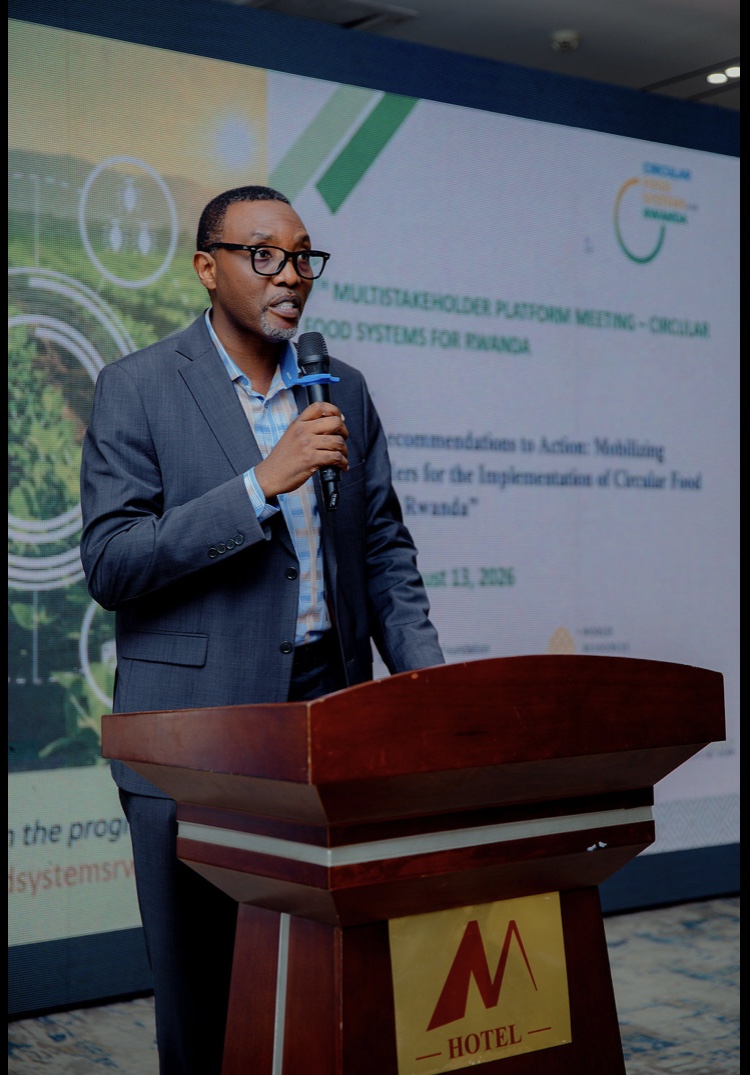
The CIRF concept note says the final MSP was expected to produce a consolidated action plan with priorities, responsible stakeholders and implementation timelines, while also securing a framework for the platform’s long-term sustainability.
For entrepreneurs such as Xavio, that continuity matters.
His long road to certification shows how a regulatory gap that may appear technical on paper can become a major obstacle for a small business trying to bring a circular product to market.
It also shows what can happen when the businesses facing those obstacles have a direct channel to the institutions responsible for addressing them.
For Rwanda’s circular food ambitions, the next test will be whether those conversations can continue producing practical changes, and whether the lessons of the past four years can be taken to many more businesses.



Related Articles
Three Miners Missing After Flooding at Kayonza Mine in Rwanda
Three miners were missing this Sunday after water flooded an underground mine...
Uwimanimpaye Cyiza Marie ClemenceOctober 11, 2026 
Permagardens offer a new start for drought-hit families in coastal Kenya
By Afia Agyapomaa Ofosu MBUGUNI, Kenya – For families in Mbuguni, a...
Uwimanimpaye Cyiza Marie ClemenceOctober 8, 2026 
Rwanda and Senegal deepen economic ties, with agriculture and standards in focus
KIGALI, Oct. 8, 2026 – Rwanda and Senegal have signed 11 agreements...
Uwimanimpaye Cyiza Marie ClemenceOctober 8, 2026 

Proposed Climate Insurance Could Cushion Rwanda’s Mine Workers Against Rainy-Season Income Losses
A proposed climate insurance scheme could help protect mine and quarry workers...
Uwimanimpaye Cyiza Marie ClemenceSeptember 30, 2026
Leave a comment