


Conservationists and Farmers in Rwanda Seek Balance Between Agriculture and Bee Protection
 Uwimanimpaye Cyiza Marie ClemenceMay 26, 20263 Mins read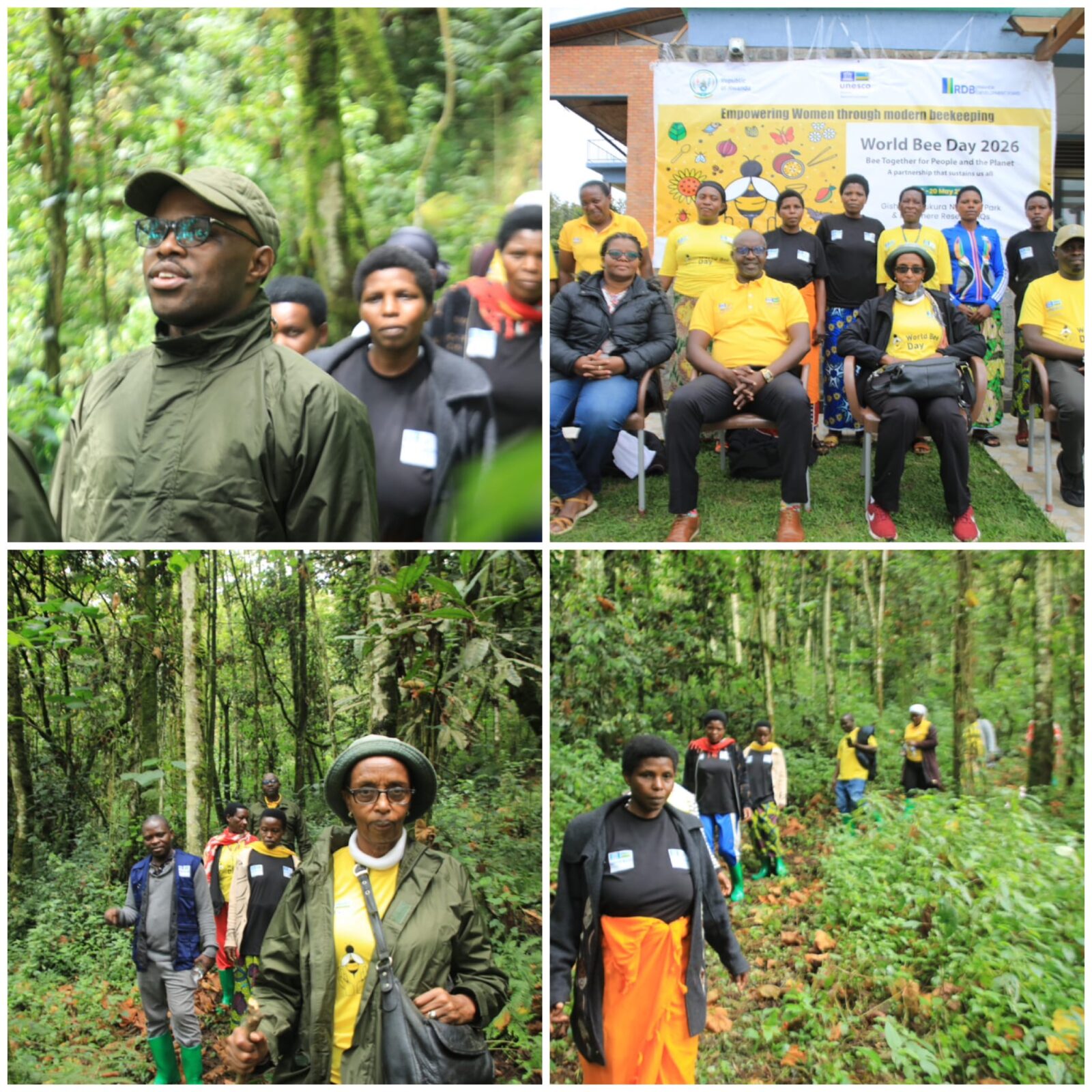
RUTSIRO, Rwanda- Researchers, conservationists, development partners, government representatives and local stakeholders in western Rwanda are calling for better alignment between agriculture and biodiversity protection, amid growing concerns over pesticide use, climate change and declining bee populations.
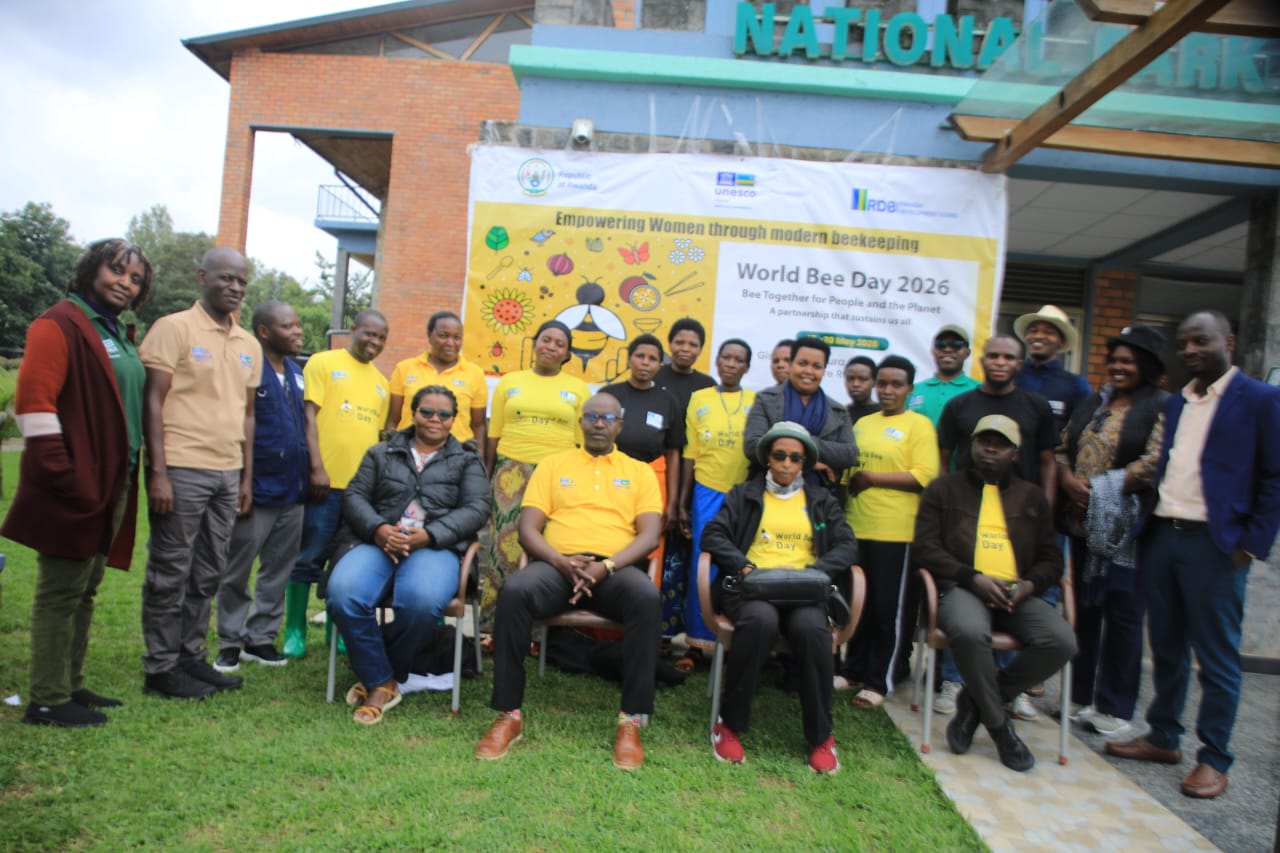
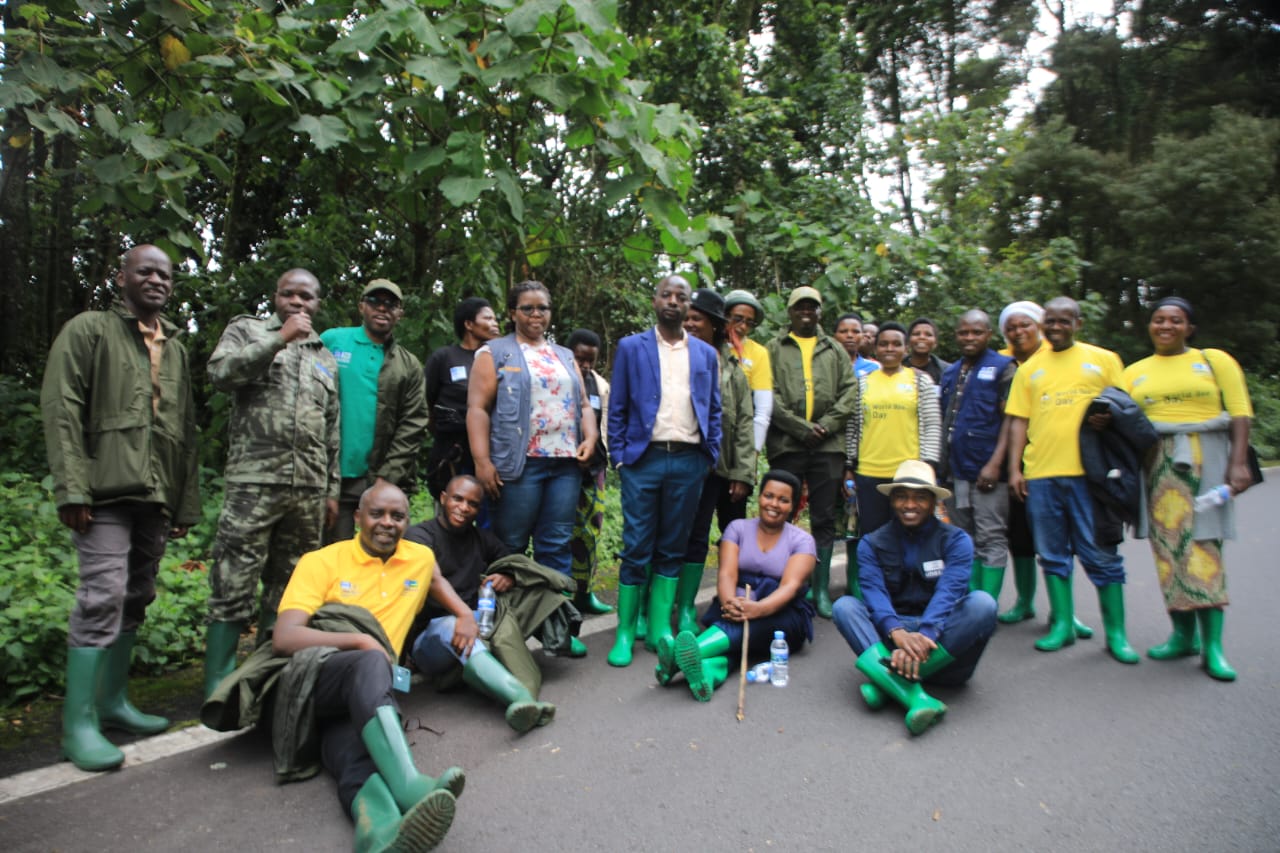
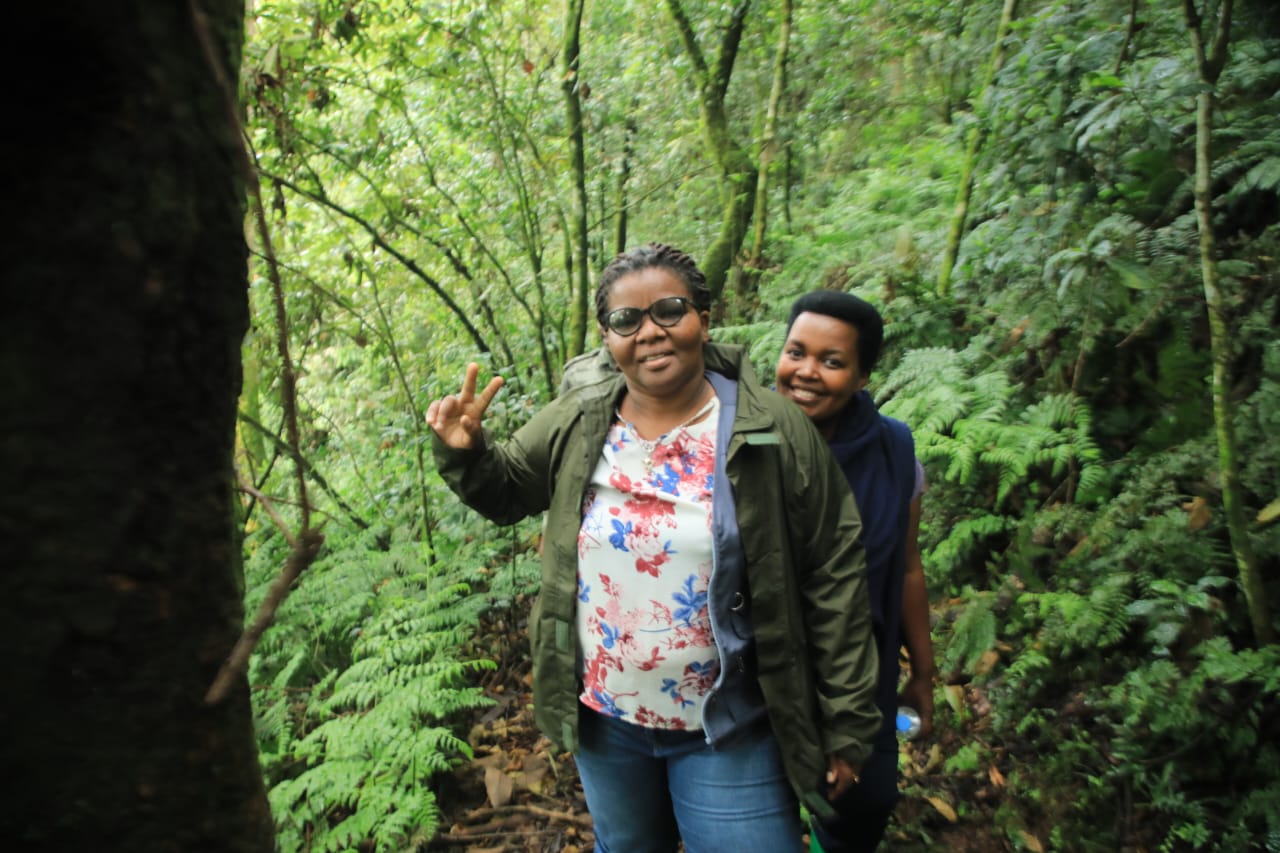
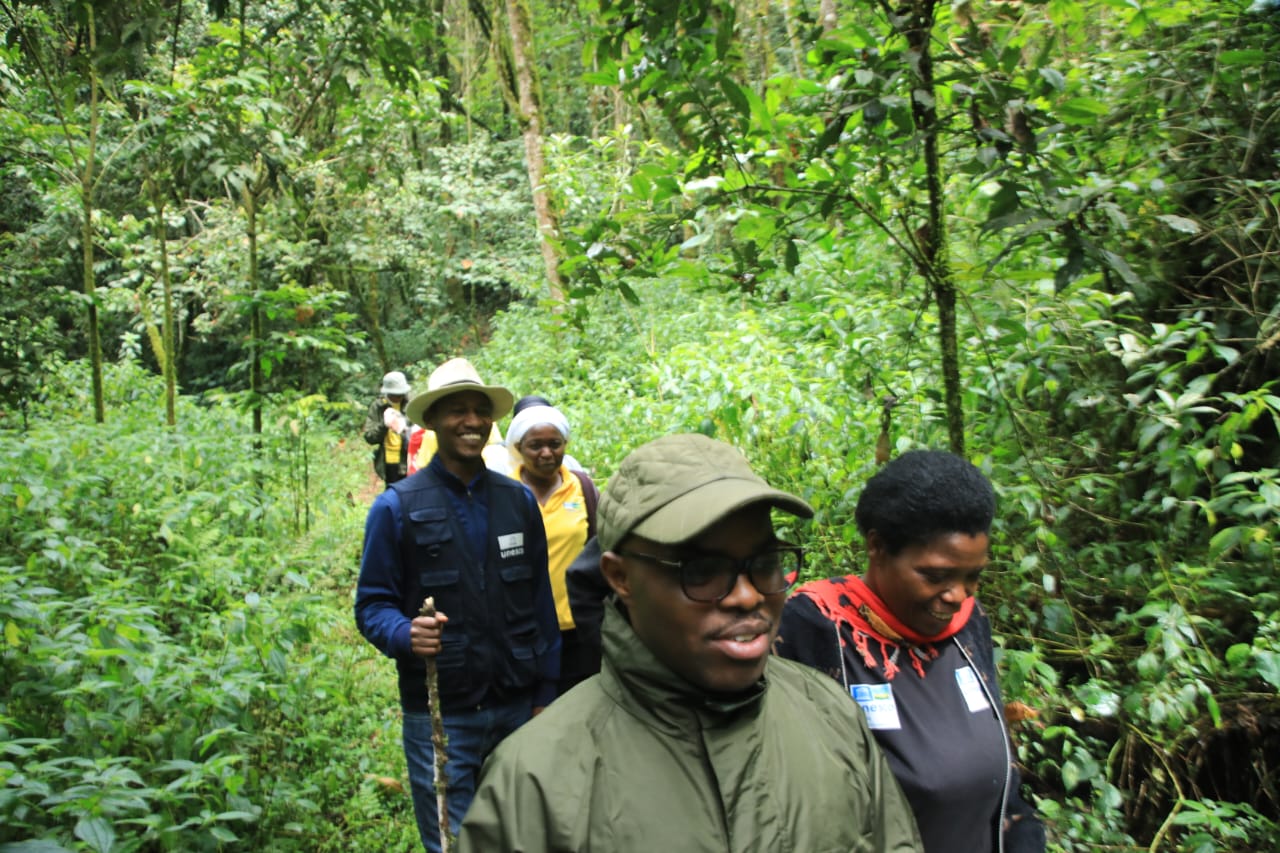
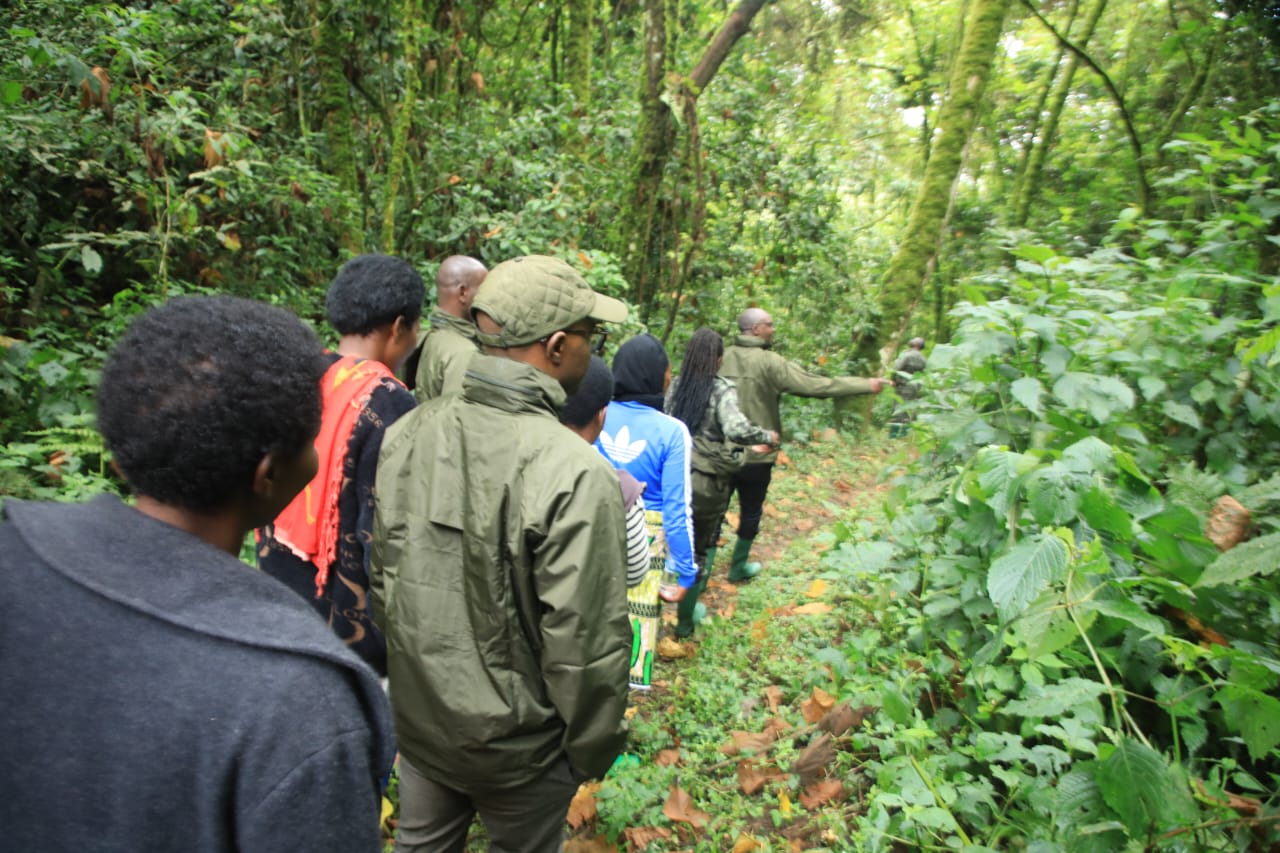
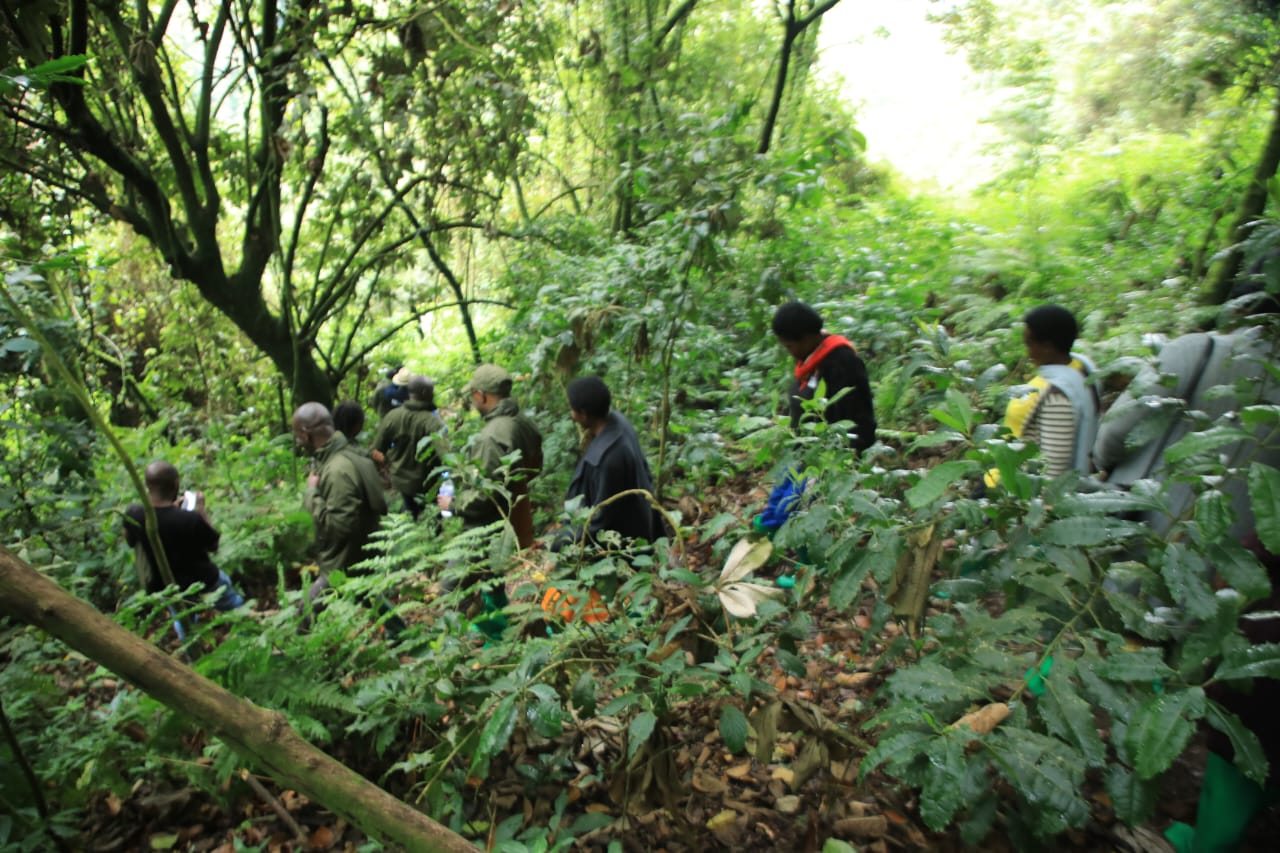
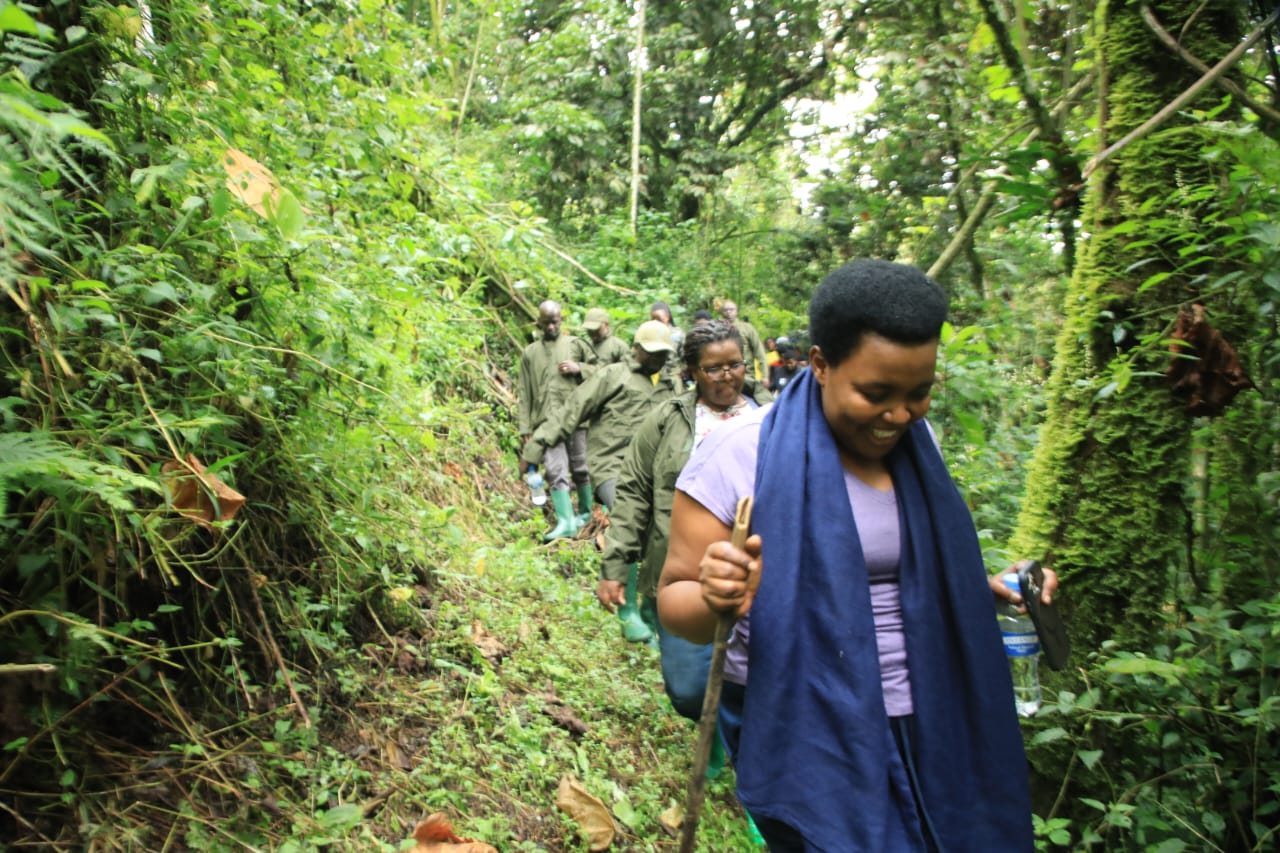
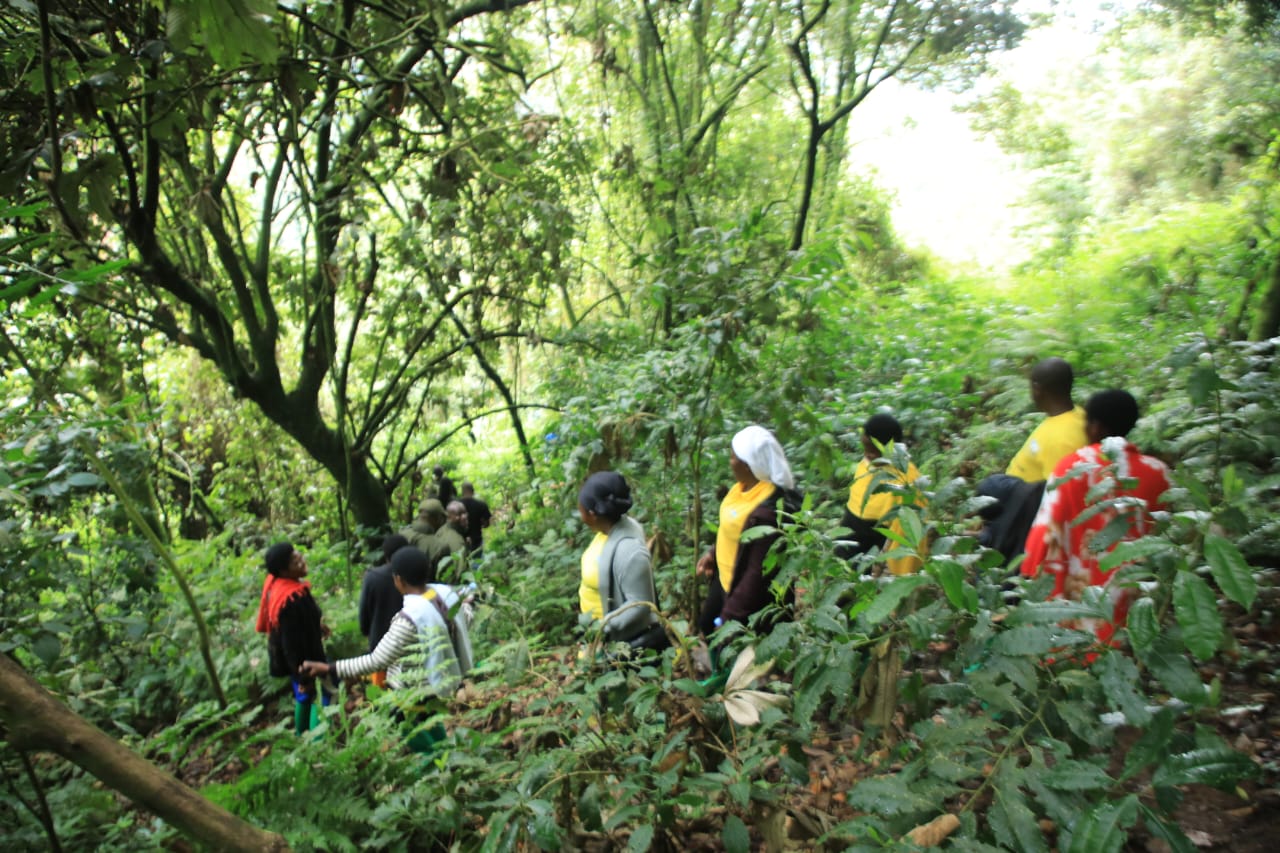
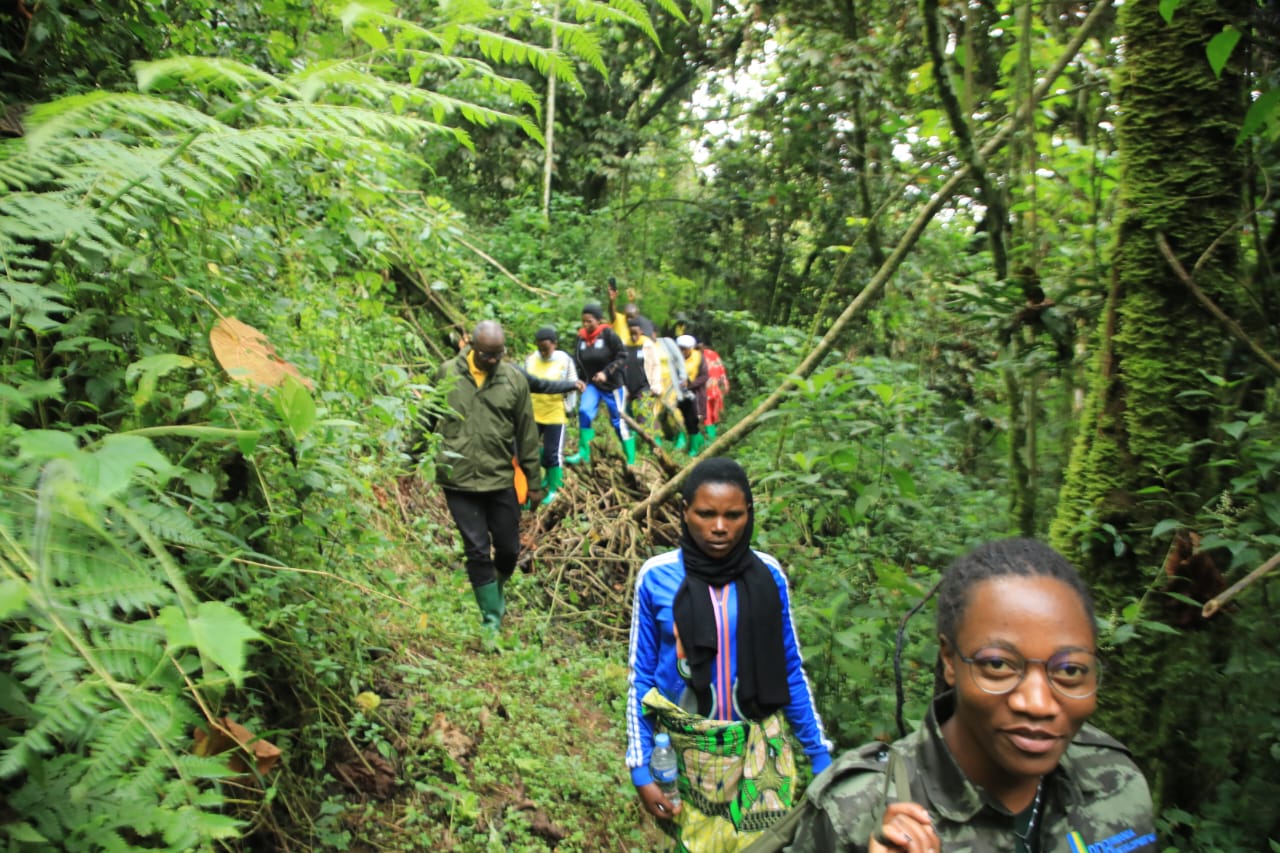
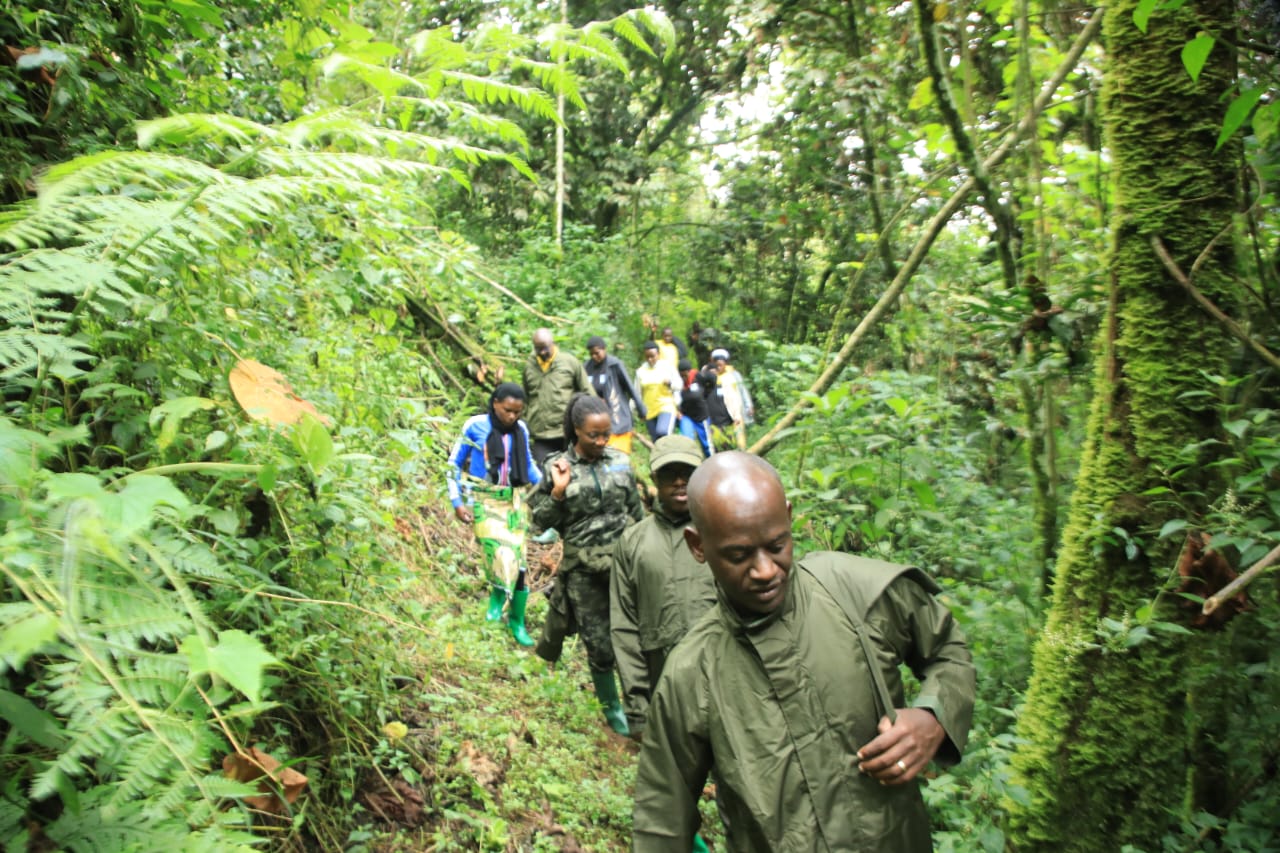
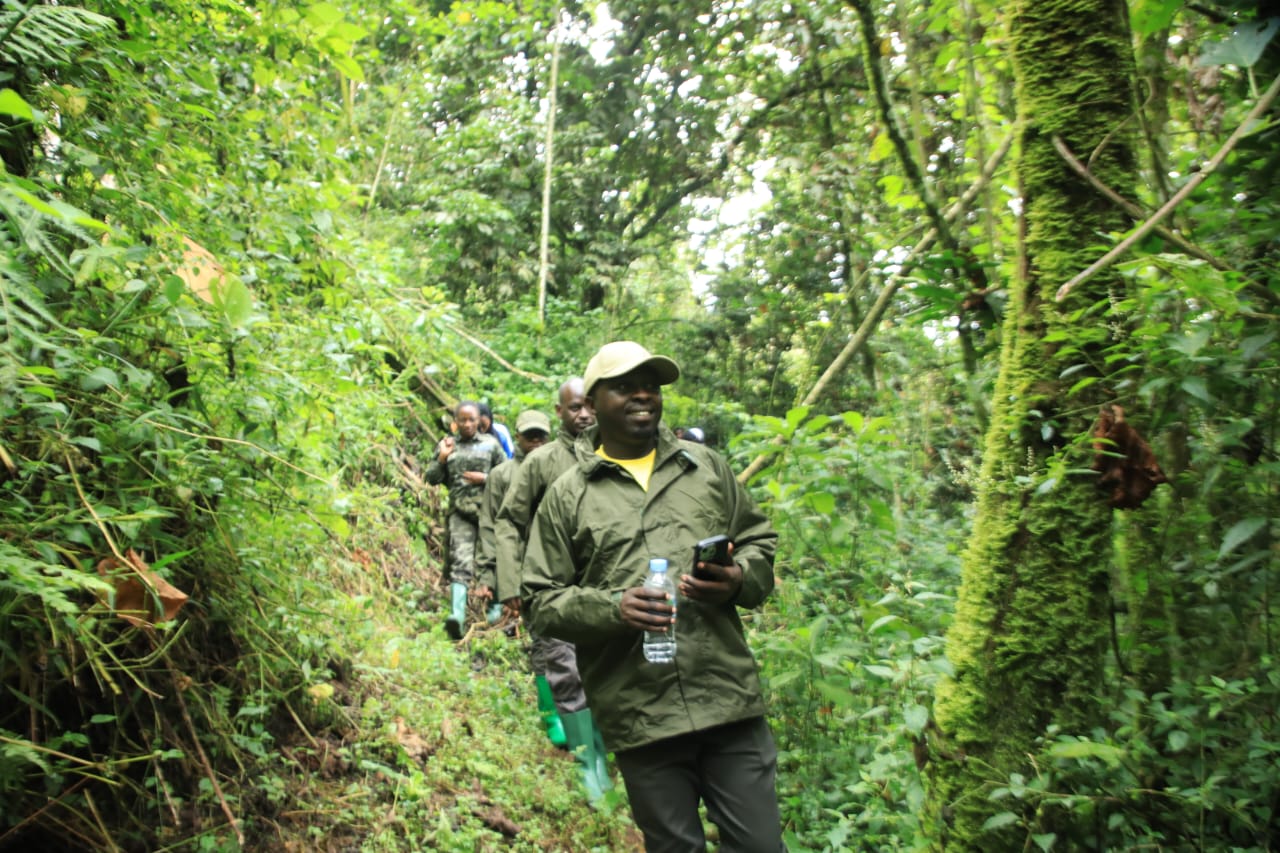
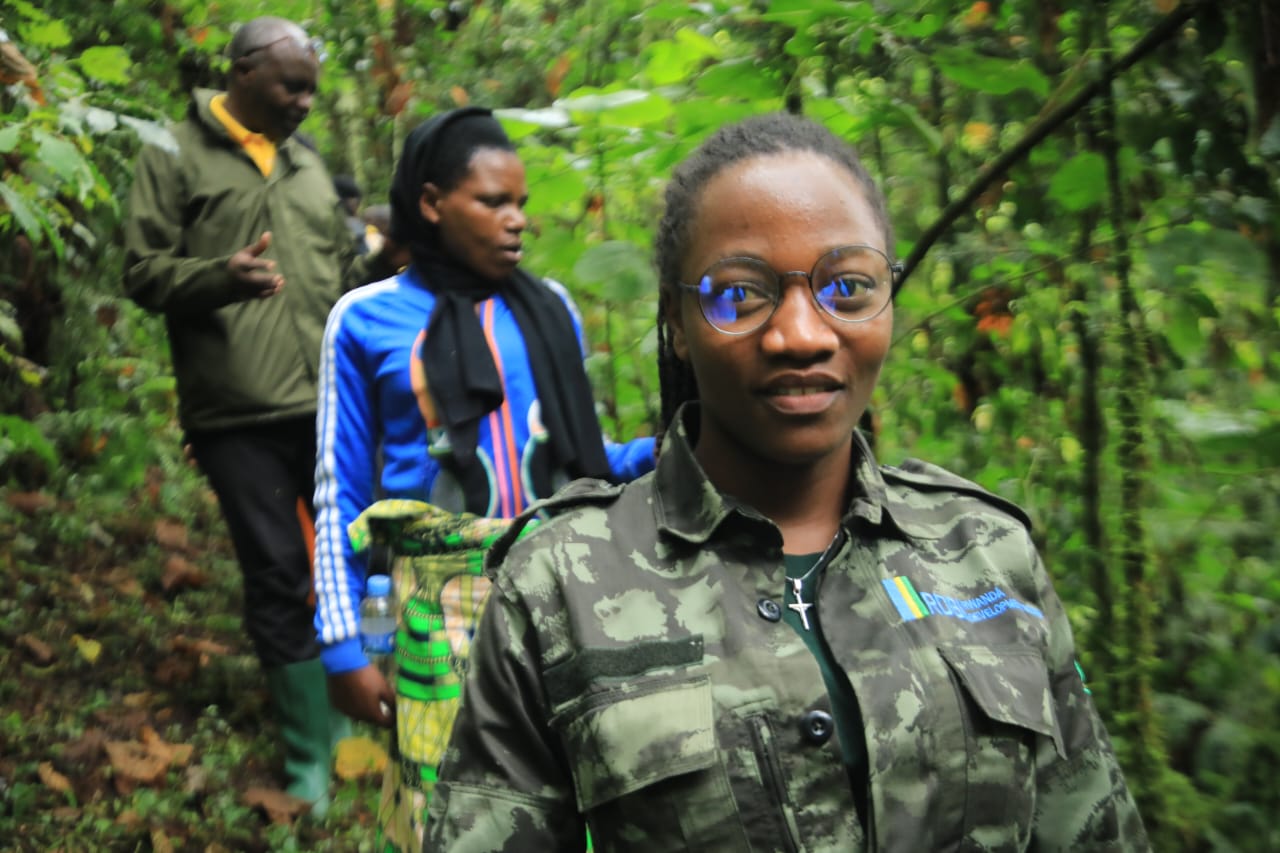
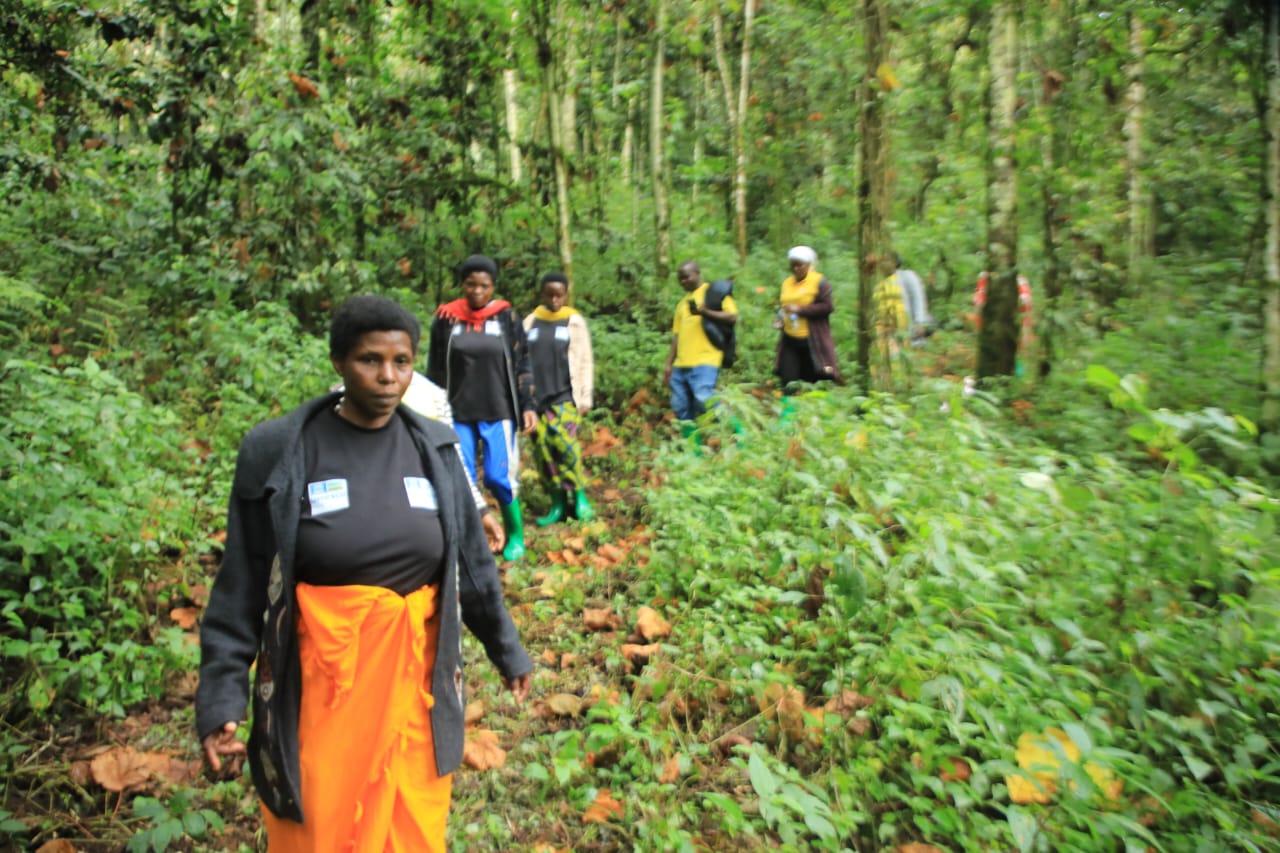
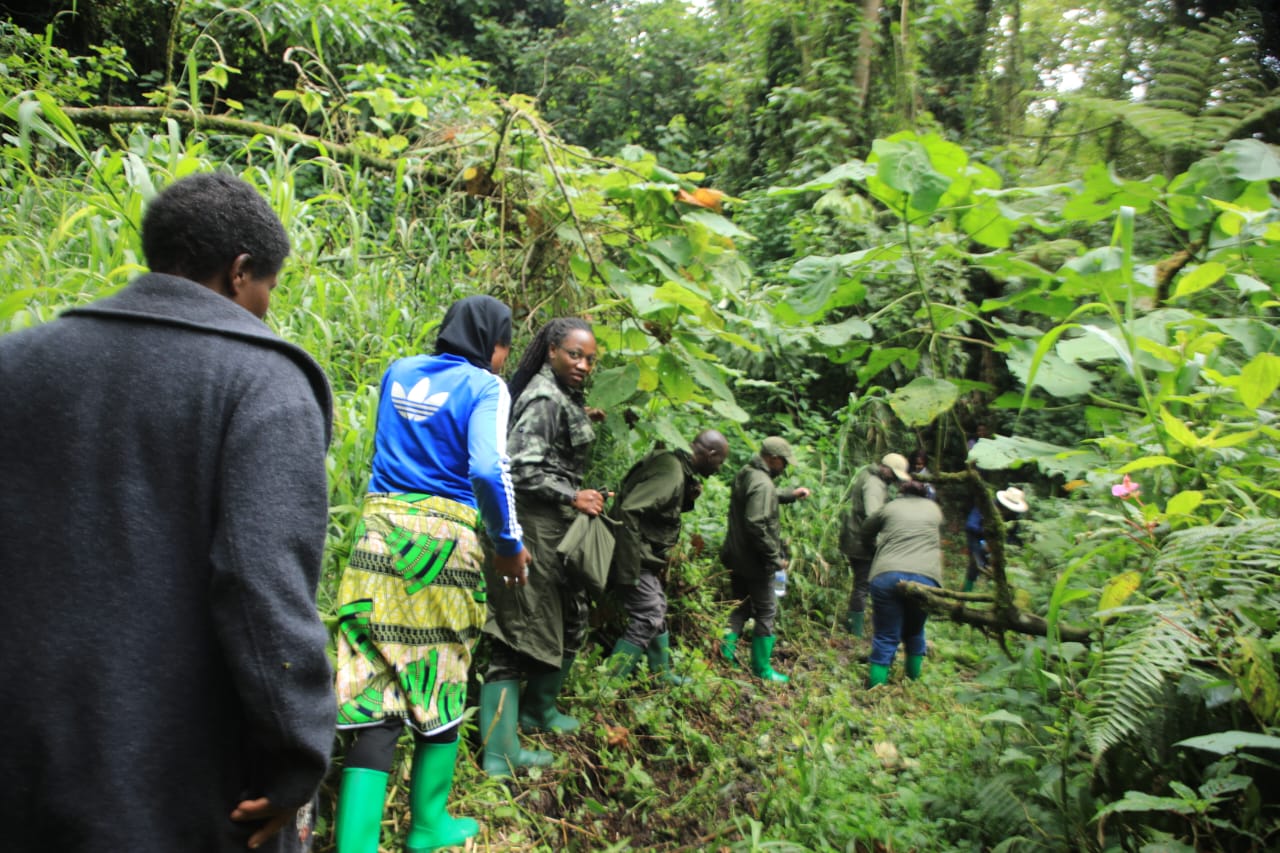
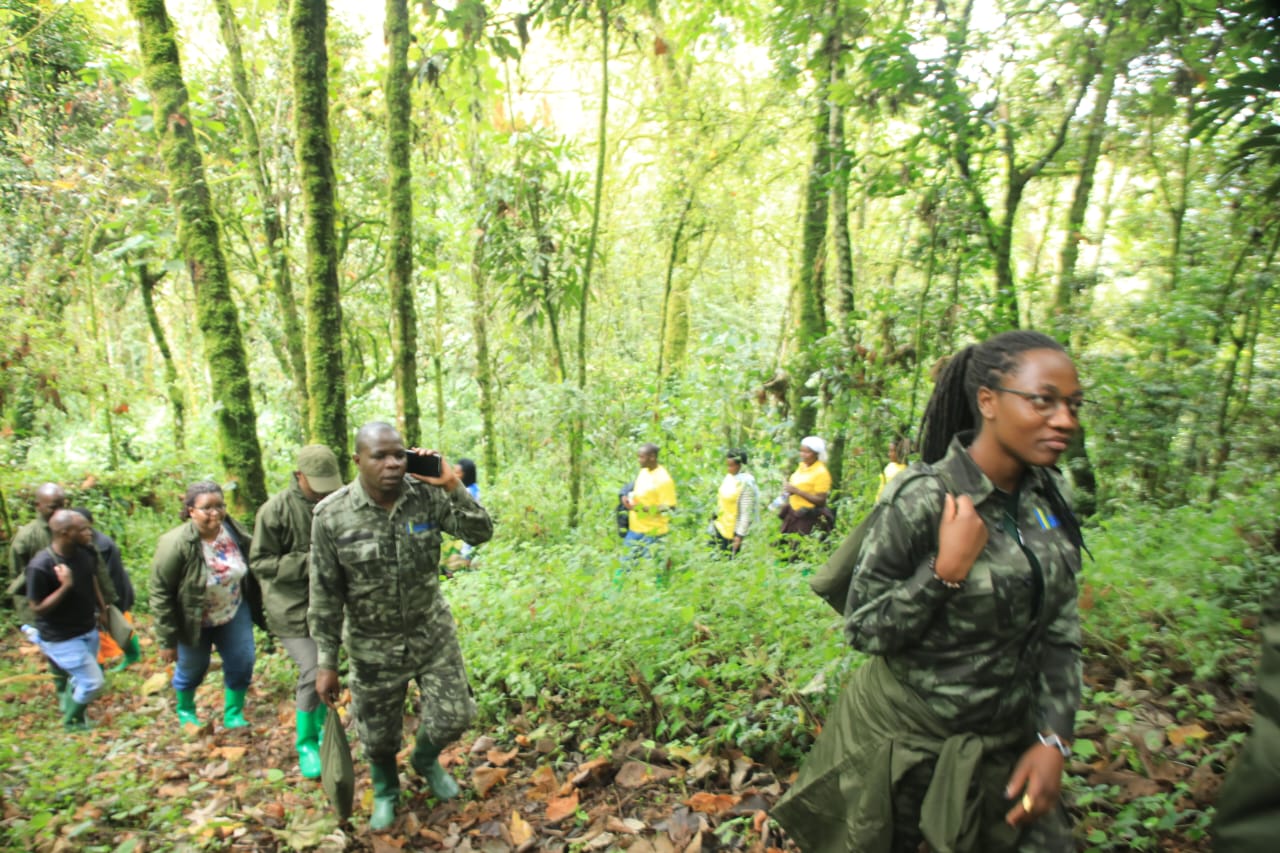
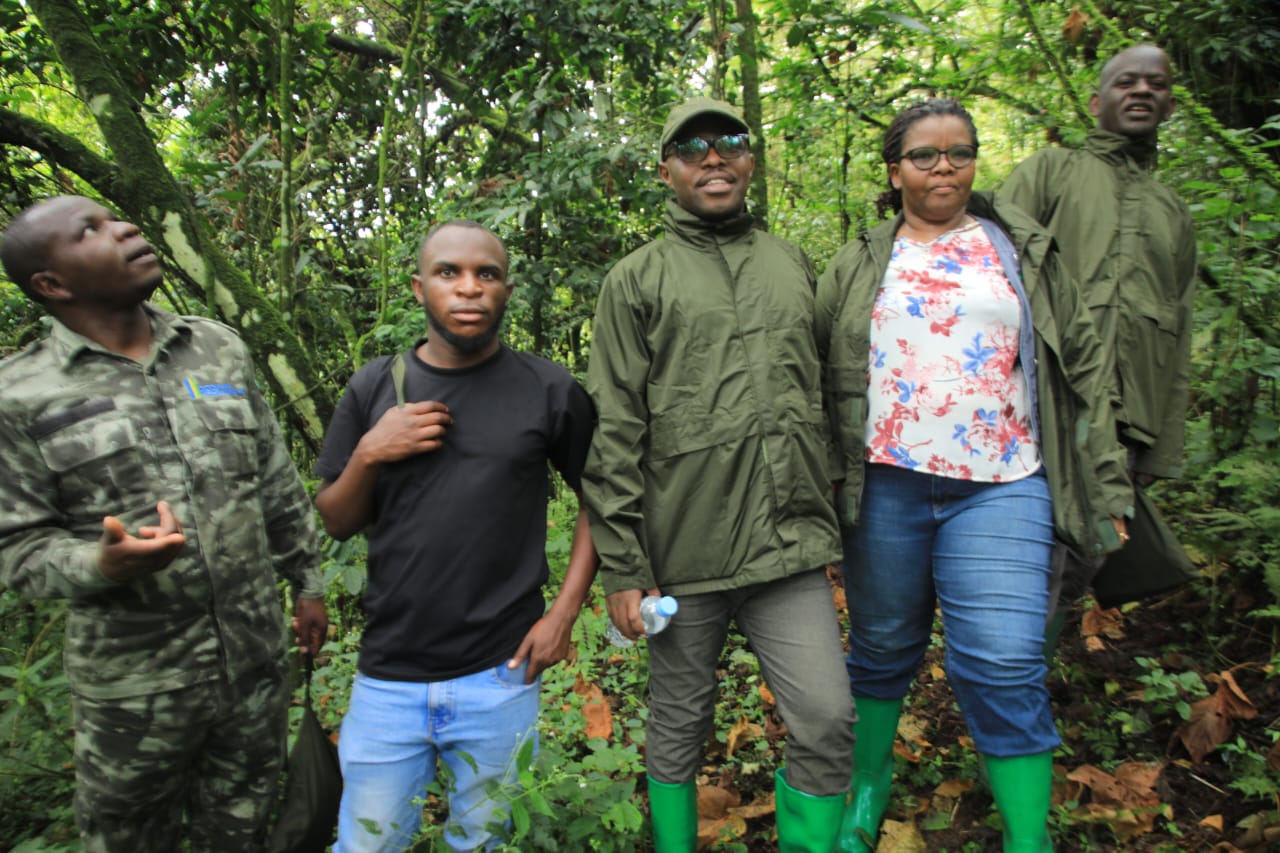
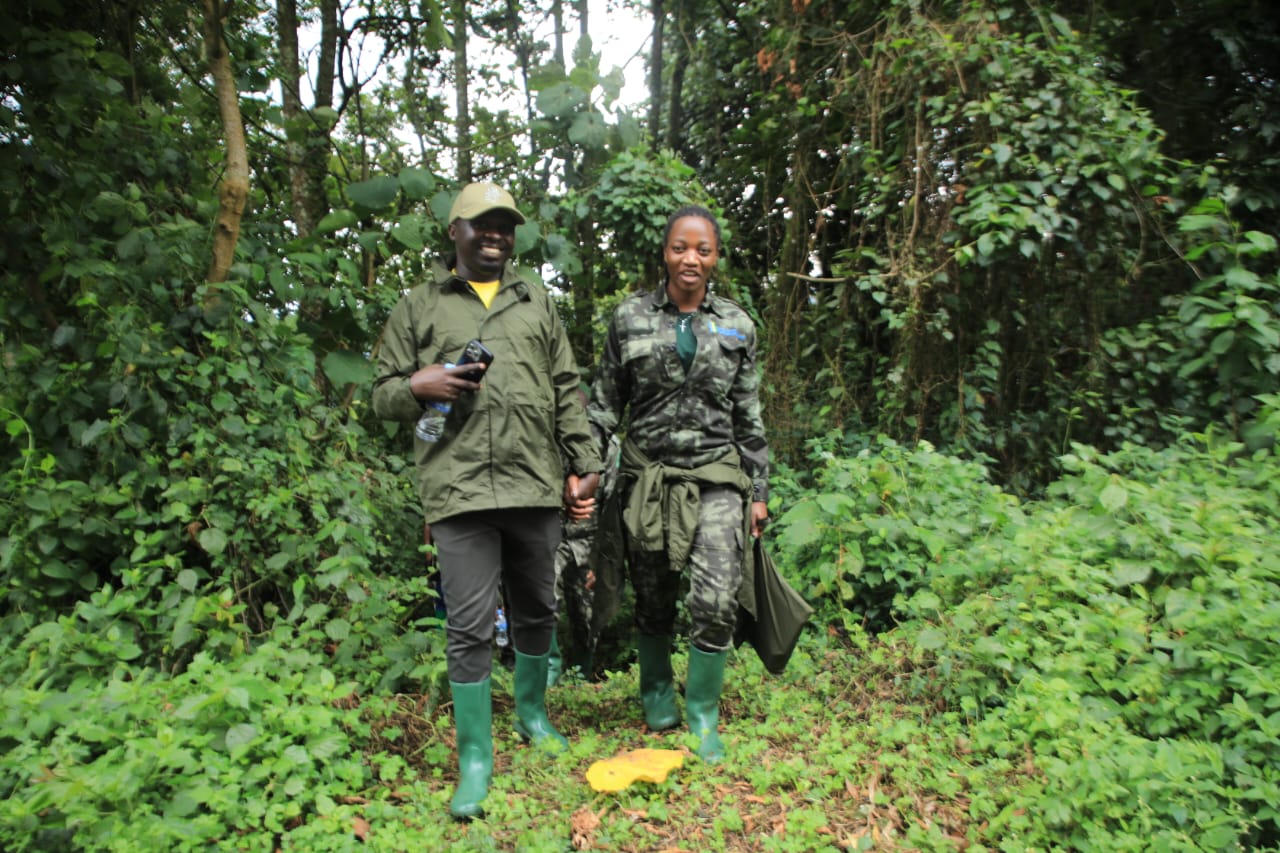
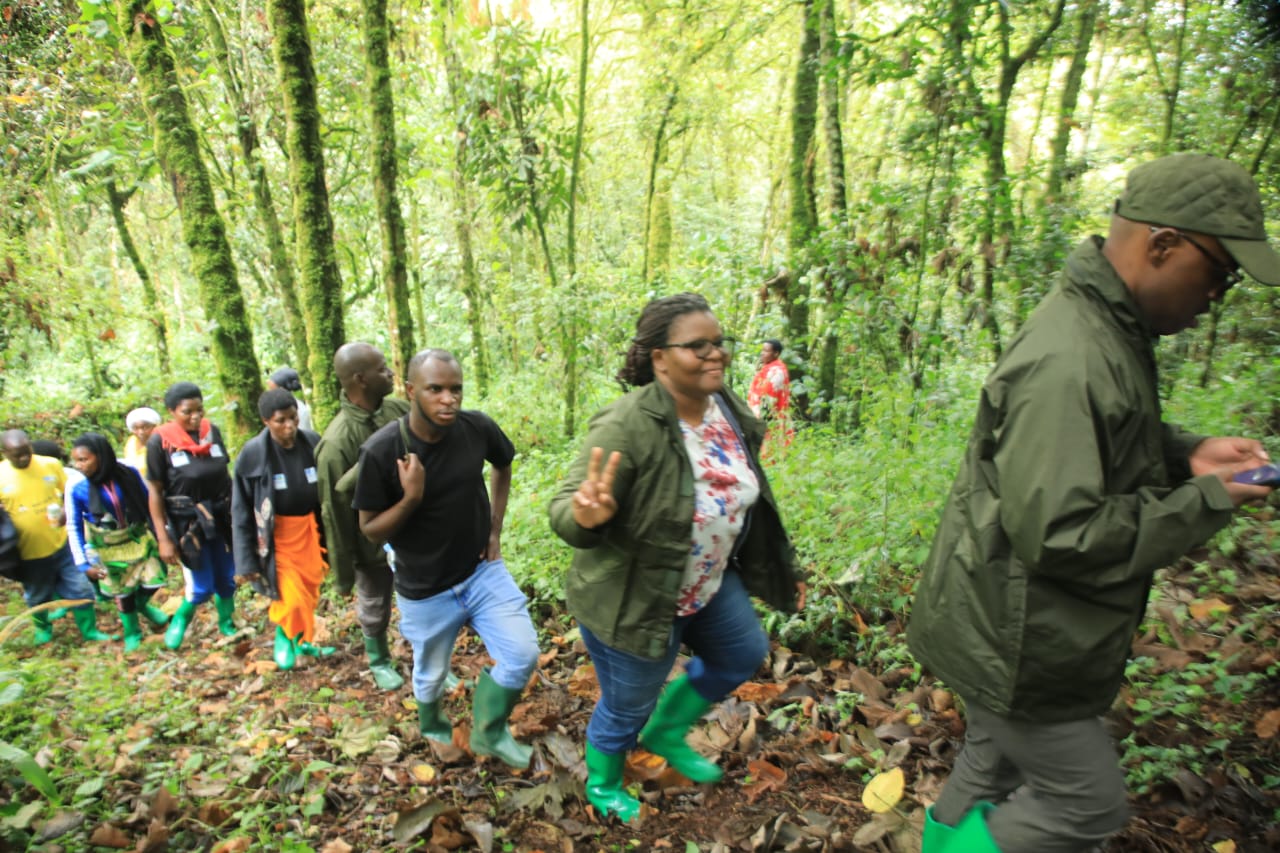
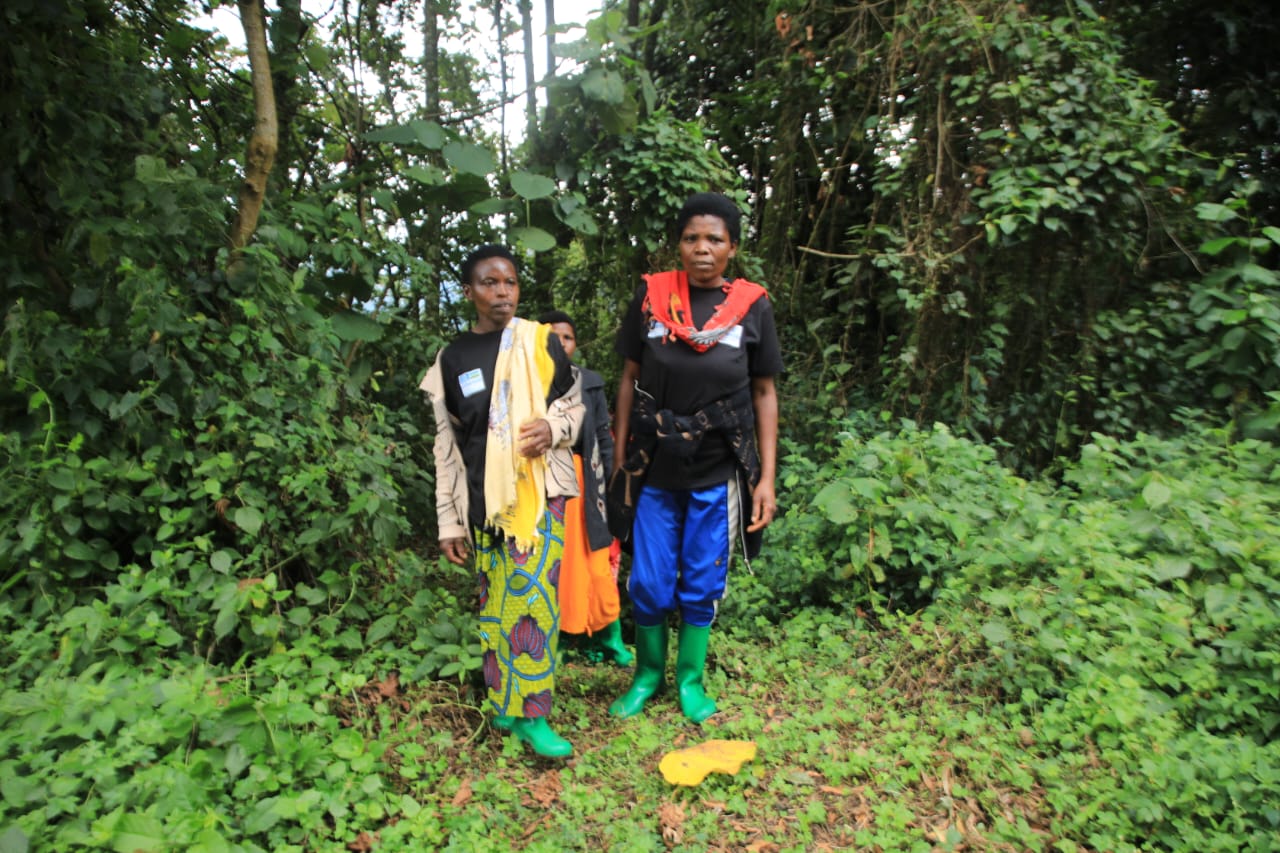
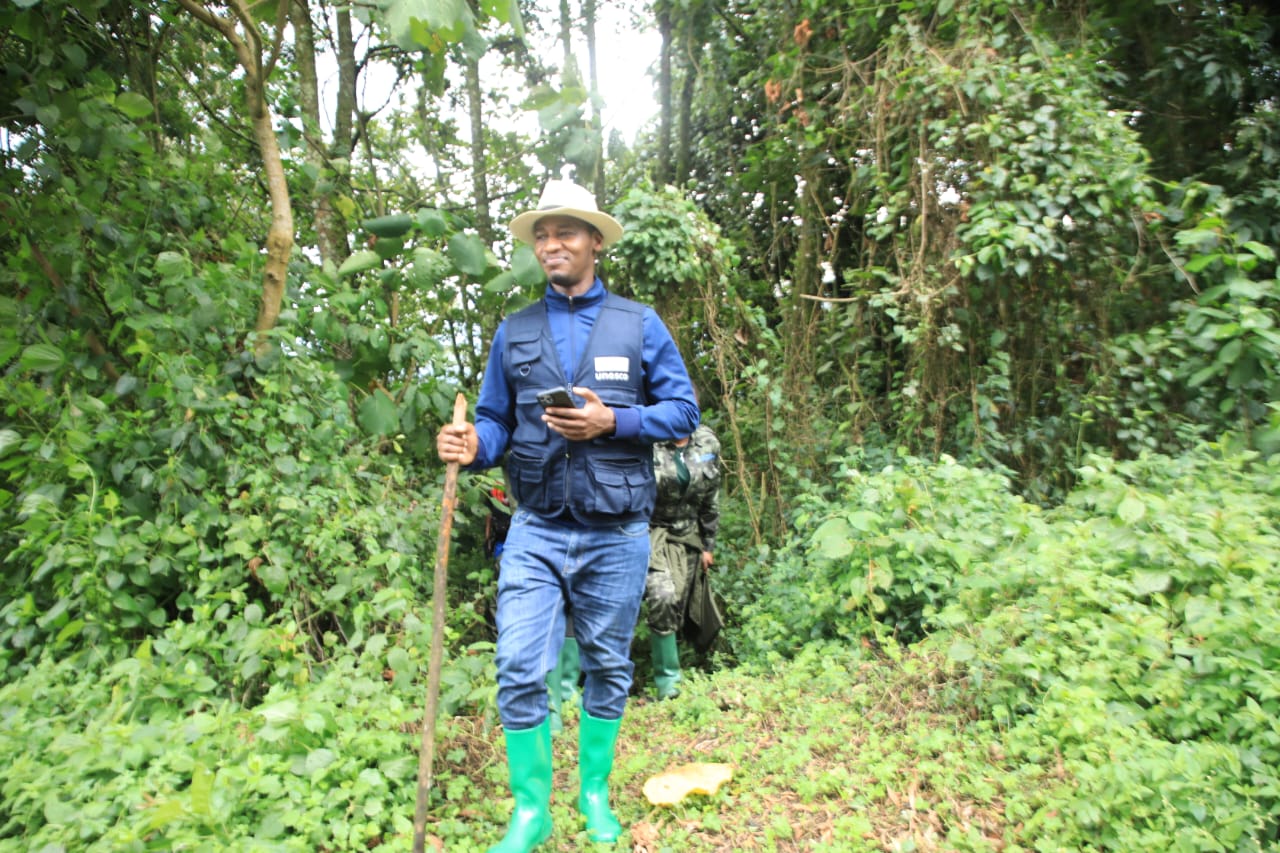
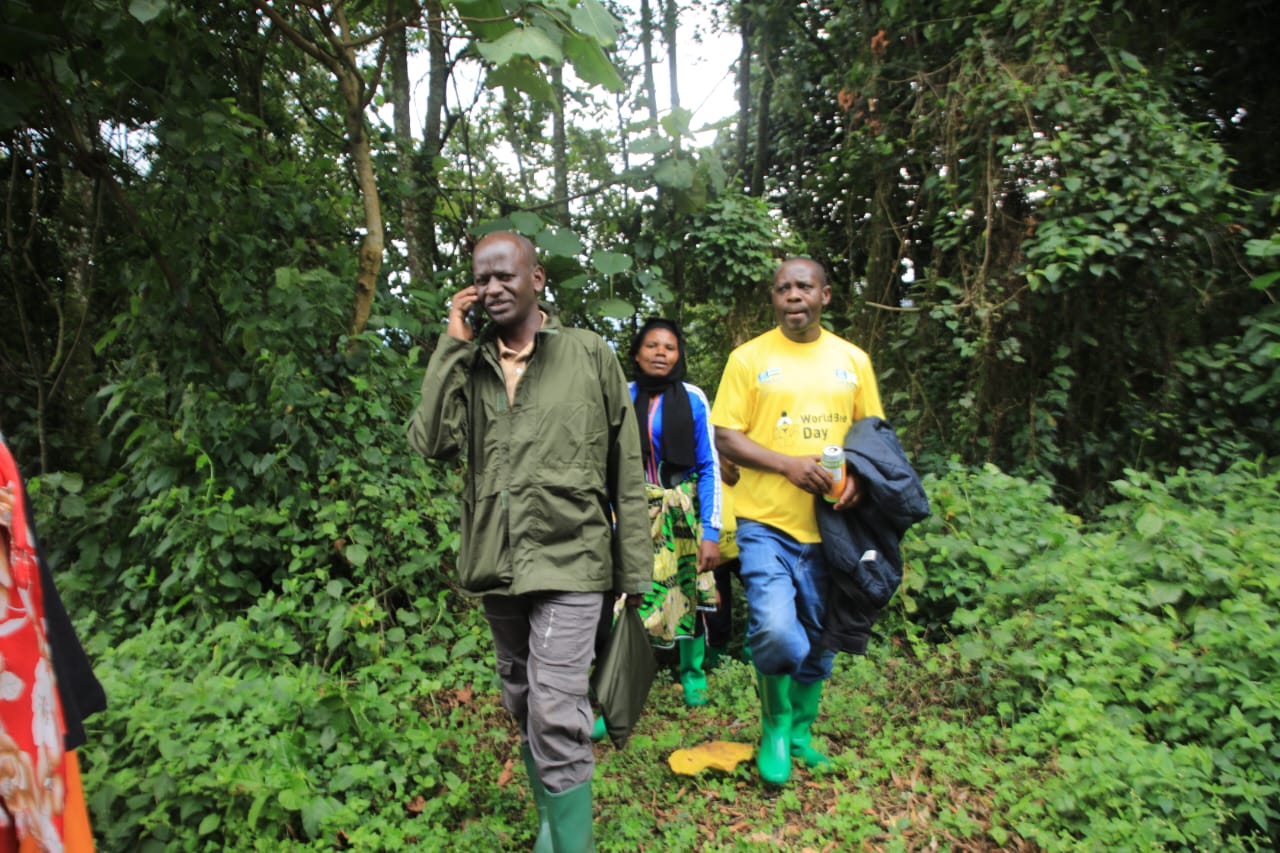
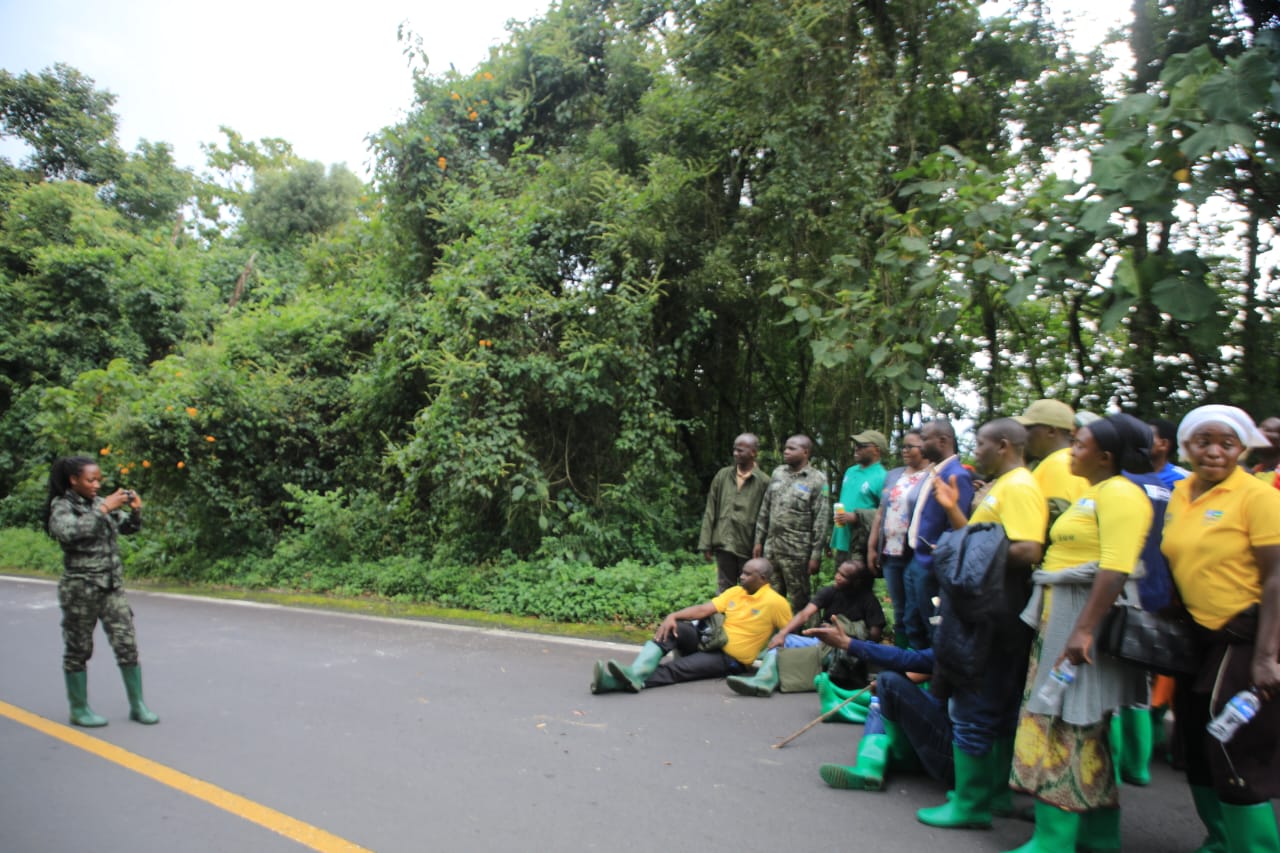
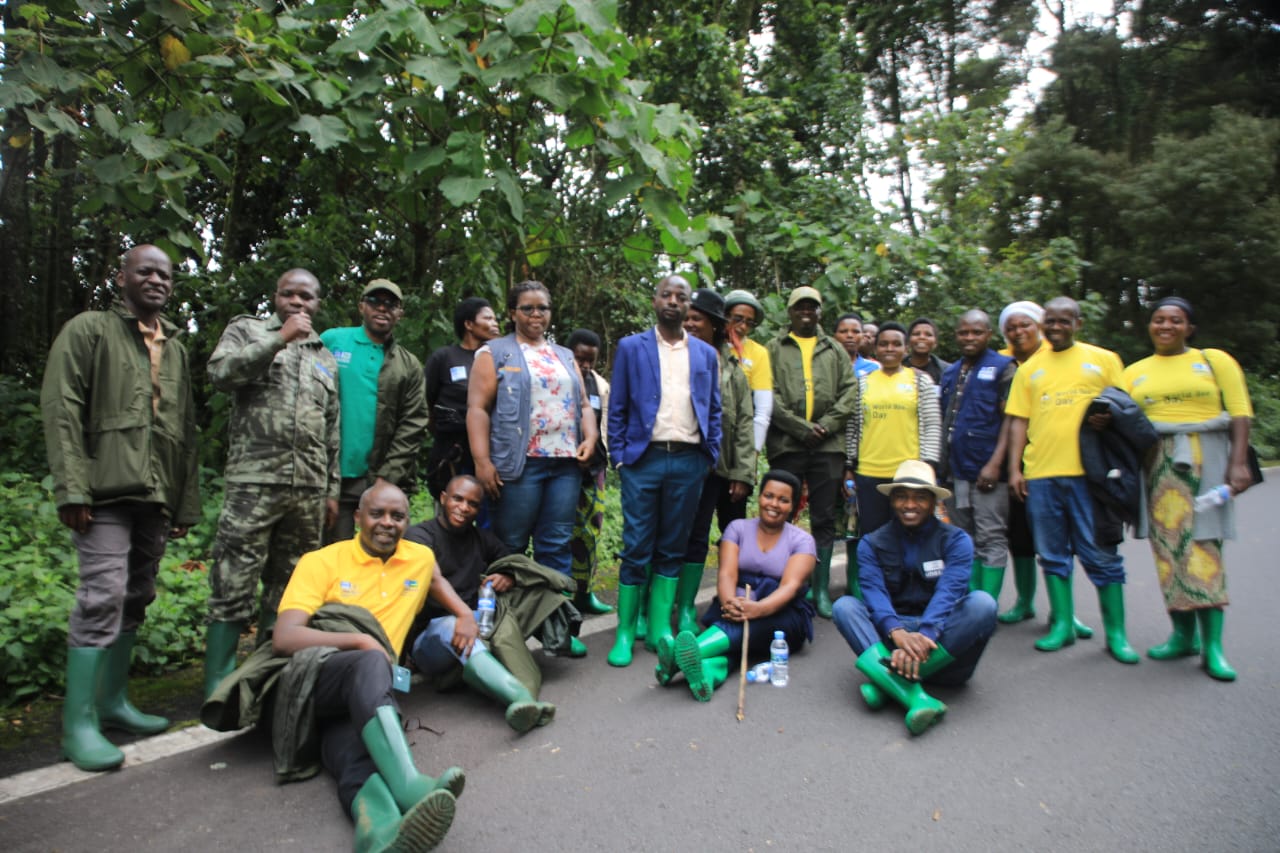
The discussions took place at Gishwati-Mukura Biosphere Reserve during a World Bee Day commemoration, where participants examined how farming systems and environmental conservation can coexist to protect pollinators critical to food production and rural livelihoods.
Emmanuel Uwizeyimana, Vice Mayor of Rutsiro District in charge of Economic Development said beekeeping should be fully recognized as an economic activity capable of supporting households and contributing to long-term development.
“Even though the bee is small, it represents wealth,” he said, comparing honey to what are often referred to as ‘green gold’ (tea) and ‘red gold’ (coffee).
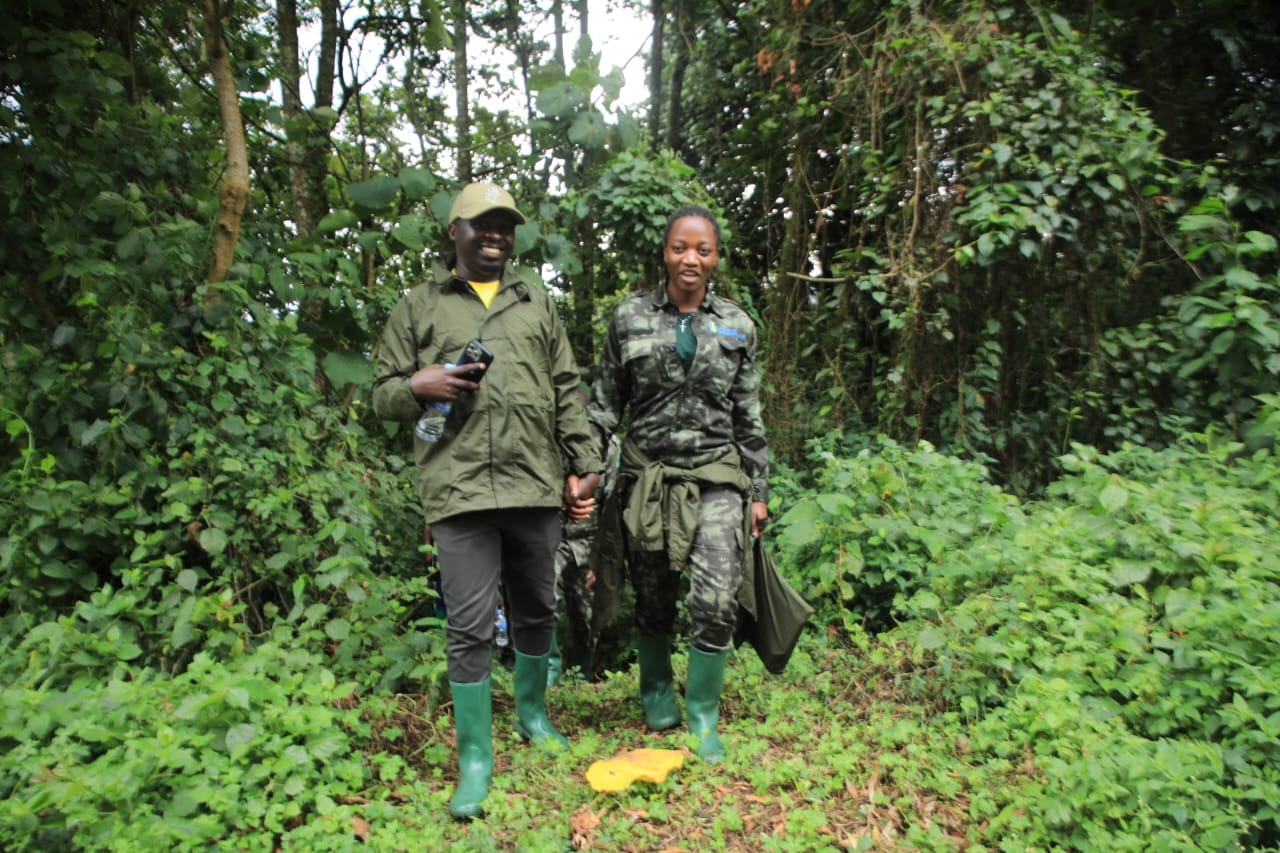
He raised concerns about pesticide use near beekeeping areas, citing repeated complaints from local beekeepers.
“People call me saying farmers are cultivating near apiaries and spraying chemicals. I ask myself how we can reconcile agriculture and beekeeping,” he said, urging stronger coordination between the two sectors.
He also questioned how communities in a resource-rich district could still face high poverty levels, despite assets such as Lake Kivu, fertile land and the Gishwati-Mukura ecosystem.
Ir. Dominique Mvunabandi, Director of the Science, Technology and Innovation Unit at the Rwanda National Commission for UNESCO, said beekeeping has become a key driver of both livelihoods and conservation in the area.
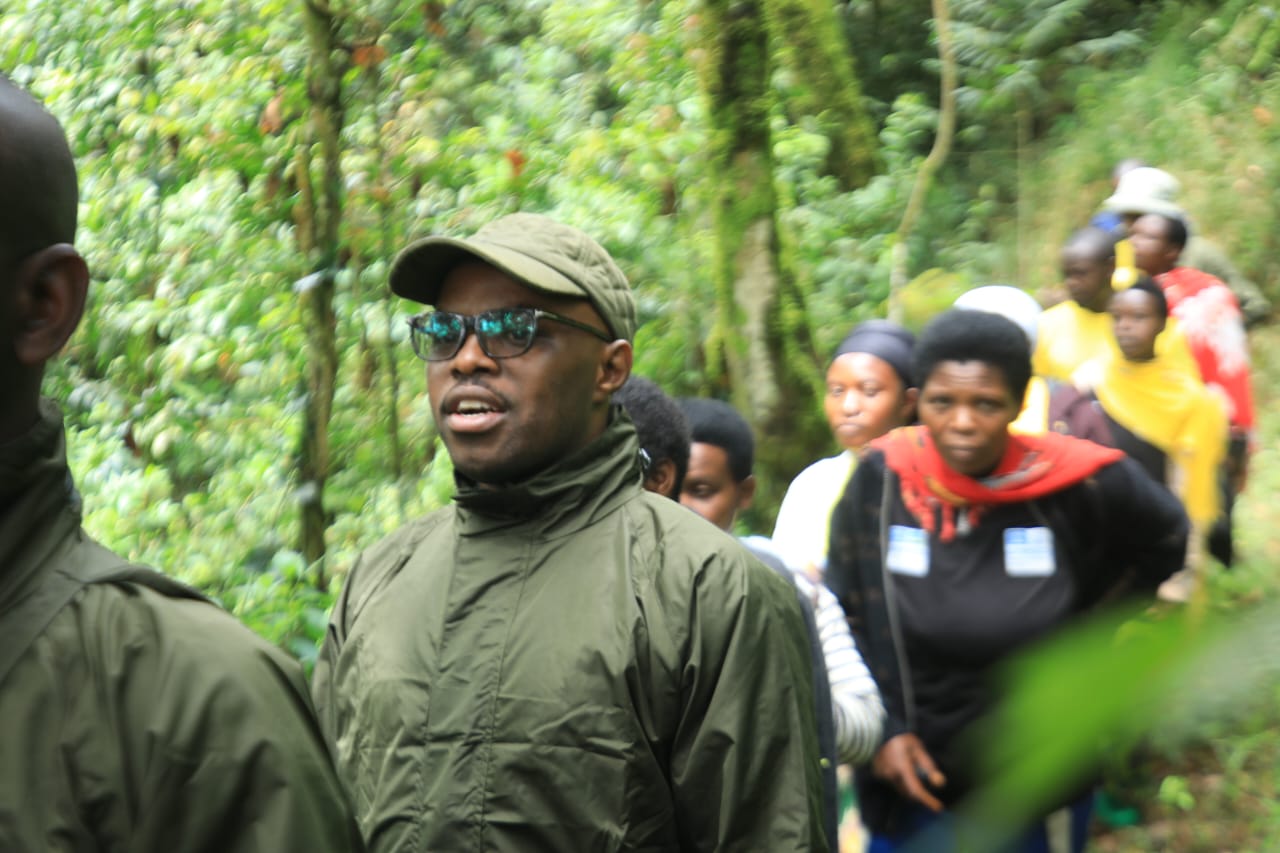
“The event showed how shifting from traditional to modern beekeeping has transformed women’s lives, increasing their productivity and income,” he said, adding that conservation and economic development are increasingly linked in biosphere reserves.
Representing the Ministry of Agriculture and Animal Resources (MINAGRI), Mathilde Mukasekuru, an Animal Products Supply Chain Analyst at MINAGRI said the country is working to promote farming systems that reduce environmental harm, including conservation agriculture and improved pesticide management.
She said some harmful chemicals have already been removed from the market under national consumer protection and environmental safety measures.
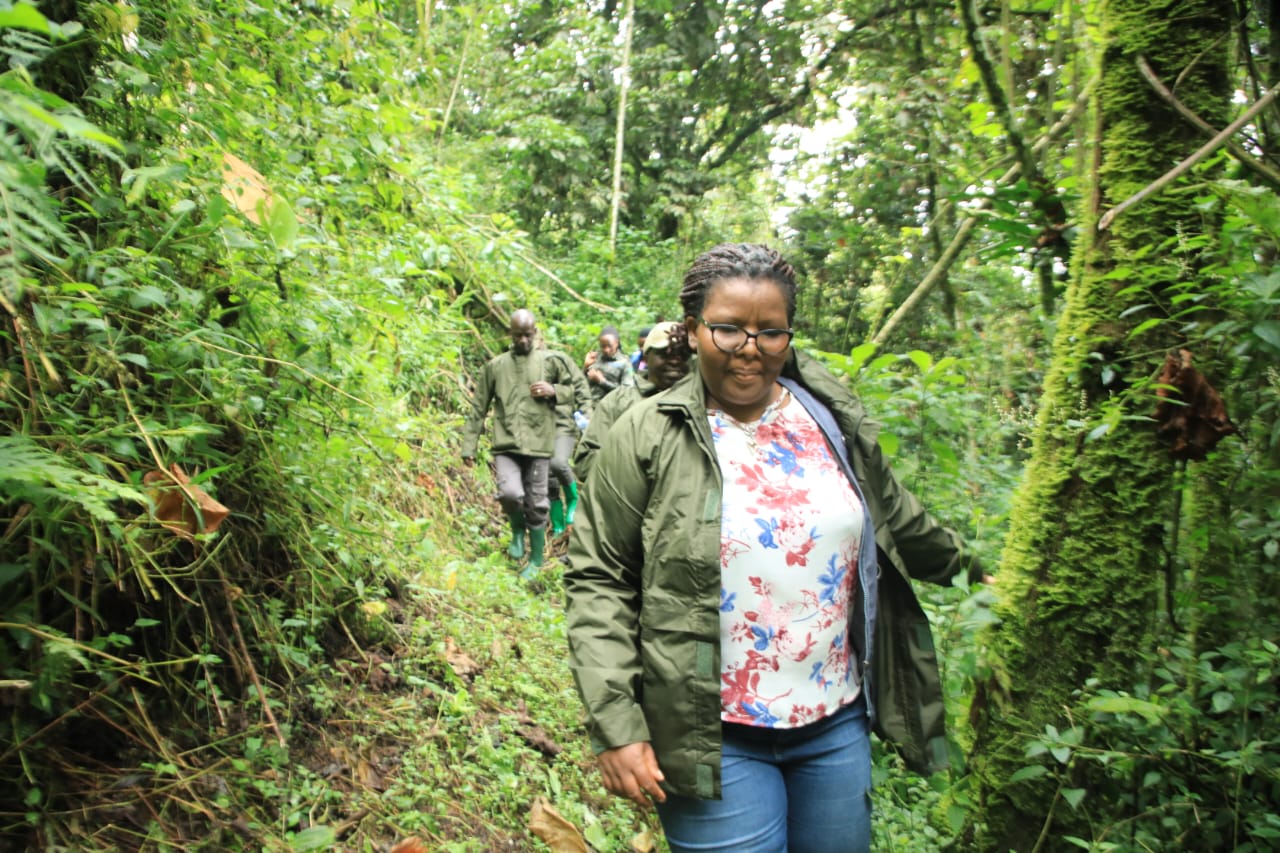
Turikunkiko Ezechiel, Research and Monitoring Warden in Gishwati-Mukura said the Gishwati-Mukura Biosphere Reserve plays a dual role in conservation and livelihoods, noting that Rwanda has two biosphere reserves, though one is less widely recognized as such.
He said beekeeping has historically been undervalued despite its contribution to ecosystems and cultural practices.
“In our culture, honey is part of tradition and even marriage customs,” he said, adding that bees should be seen as central to both human and environmental wellbeing.
Dr. Marie Christine Gasingirwa, Chairperson of Rwanda’s National Commission for UNESCO said protecting bees also requires a broader understanding of pollinators and ecological systems beyond honeybees alone.
“Pollinators are not only bees; there are also other pollinators that work during the night,” she said, warning that pesticide use timed around bee activity does not fully solve the problem of ecosystem exposure.
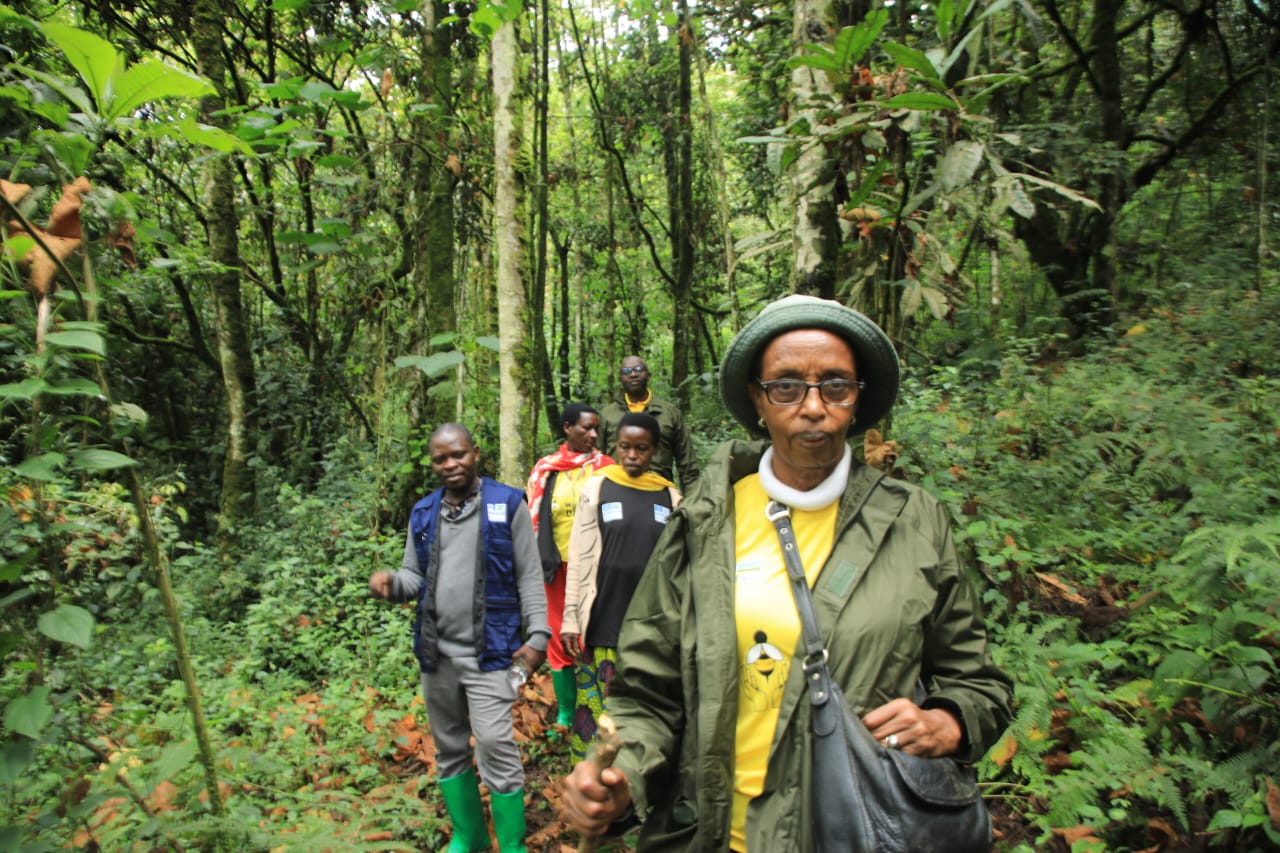
She emphasized the importance of education, research and community participation in developing long-term solutions.
“Solutions cannot come from one person alone,” she said, calling for stronger inclusion of local knowledge in development programmes.
The event also highlighted ongoing efforts supported by UNESCO and Guerlain through the “Women for Bees” programme, which trains and equips women beekeepers in the Gishwati-Mukura landscape.
Beneficiaries said the initiative has helped improve skills, confidence and income generation, while strengthening awareness of environmental protection.
One beneficiary Uwamahoro Devotha, a beekeeper in Rutsiro District and a member of the CODACE cooperative, said the programme changed how she viewed beekeeping and her role in it.
“I became a beekeeper in 2019 after receiving training from UNESCO, which helped us understand that beekeeping is a form of livestock farming like any other,” she said.
She added that the training gave women confidence and practical skills to manage beekeeping independently.
“If I own two beehives, I feel the same pride as someone who owns two cows,” she said, noting that women are now actively involved in a profession once considered male-dominated.
Organisers and participants concluded by calling for continued collaboration between farmers, researchers, conservation actors and institutions to ensure agricultural development does not come at the expense of biodiversity.




Related Articles
Three Miners Missing After Flooding at Kayonza Mine in Rwanda
Three miners were missing this Sunday after water flooded an underground mine...
Uwimanimpaye Cyiza Marie ClemenceOctober 11, 2026 
Permagardens offer a new start for drought-hit families in coastal Kenya
By Afia Agyapomaa Ofosu MBUGUNI, Kenya – For families in Mbuguni, a...
Uwimanimpaye Cyiza Marie ClemenceOctober 8, 2026 
Rwanda and Senegal deepen economic ties, with agriculture and standards in focus
KIGALI, Oct. 8, 2026 – Rwanda and Senegal have signed 11 agreements...
Uwimanimpaye Cyiza Marie ClemenceOctober 8, 2026 

Proposed Climate Insurance Could Cushion Rwanda’s Mine Workers Against Rainy-Season Income Losses
A proposed climate insurance scheme could help protect mine and quarry workers...
Uwimanimpaye Cyiza Marie ClemenceSeptember 30, 2026
Leave a comment