



Turning Climate Commitments into Action: Voices from Rwanda on the Environment and Climate Change Mainstreaming Strategy
 Uwimanimpaye Cyiza Marie ClemenceMarch 10, 20266 Mins read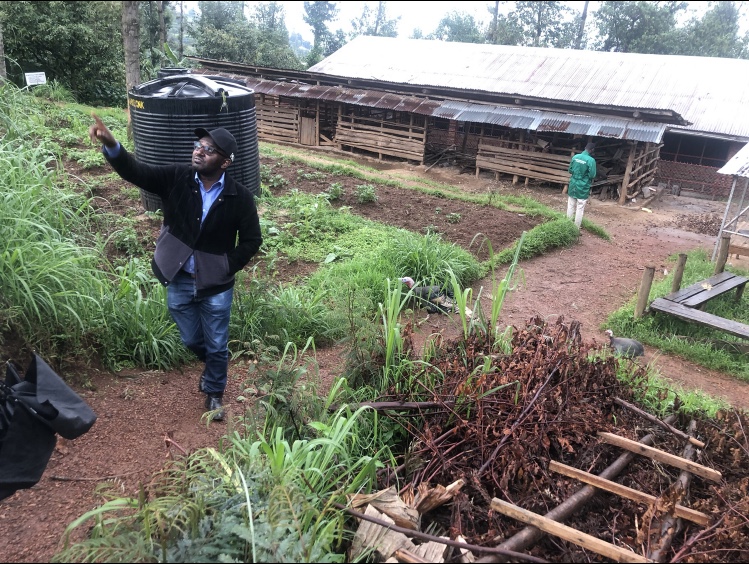
Rwanda has taken another step in strengthening its climate and environmental governance with the validation of the Environment and Climate Change Mainstreaming Strategy (ECCMS) 2024–2029, a framework designed to ensure environmental protection and climate resilience are embedded in planning, budgeting, and implementation across sectors and levels of government.
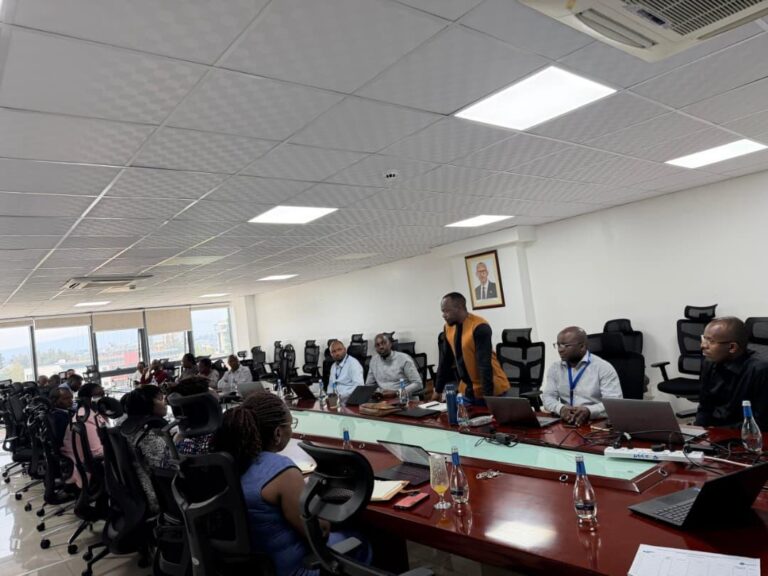
The strategy was validated during a multi-stakeholder workshop convened by the Rwanda Environment Management Authority in partnership with the Global Green Growth Institute in December 2025. The event brought together representatives from government institutions, development partners, civil society organizations, and the private sector to review and refine the strategy before implementation.
Jean Pierre Munyeshyaka from the Global Green Growth Institute said supporting the development of the strategy was a natural step in Rwanda’s climate journey.
“GGGI supports countries like Rwanda in transitioning to a green growth economic model. With our unique in-country presence and role as a trusted advisor, we provide policy advice, technical support, and help mobilize green investments,” he explained. “Supporting the development of Rwanda’s Environment and Climate Change Mainstreaming Strategy is crucial to achieving the country’s ambitious climate goals under its NDCs and Green Growth and Climate Resilience Strategy.”
Munyeshyaka noted that as Rwanda moves from climate commitments to practical implementation, mainstreaming provides a framework that enables institutions to integrate sustainability into daily operations.
“It ensures climate action is integrated into national planning, budgeting, and implementation rather than treated in isolation,” he said. “This approach also enables proactive responses to growing climate risks while unlocking opportunities for green investment, job creation, and sustainable urban development aligned with Vision 2050.”
By integrating climate and environmental considerations into national, sectoral, and district planning systems, the strategy aims to ensure sustainability becomes part of everyday development decisions rather than a standalone issue. The framework aligns with Rwanda’s broader development agenda, including the National Strategy for Transformation Phase II and the country’s climate commitments under the Paris Agreement.
While the strategy provides a national framework, its real impact will depend on how effectively it is implemented on the ground. Perspectives from planners, journalists, farmers, youth innovators, and women’s organizations reveal both the opportunities and challenges involved in translating policy commitments into tangible results.
Closing the Gap Between Policy and Practice
The ECCMS was designed to address a long-standing challenge in planning systems: the gap between climate commitments and everyday implementation.
Environmental protection and climate resilience have long been recognized in national policies. However, they were not always consistently reflected in project appraisals, budgeting processes, or performance reports.
A consultant who supported the development of the strategy explained that this gap was one of the main reasons the ECCMS was developed.
“The big gap was that environment and climate issues were recognised in policy, but they were not consistently reflected in day-to-day planning and budgeting,” the consultant said. “Many plans mentioned climate change, yet project appraisals, budgets and performance reports did not clearly show what was being done, where the money was going, or what results were achieved.”
According to the consultant, the strategy is designed to ensure that environmental and climate priorities are systematically integrated into government systems.
“This strategy is designed to close that gap, to make sure every major plan and budget systematically considers environmental risks, climate resilience and biodiversity, and that this can be seen and tracked in government systems.”
Stakeholder feedback also played a major role in shaping the strategy.
“Sector ministries and districts pushed us to make the strategy practical, with fewer pillars and clearer responsibilities, instead of a long wish-list,” the consultant explained.
By embedding climate action across government systems, the strategy supports Rwanda’s broader ambition to build a climate-resilient and low-carbon economy.
Local Governments: Where Policy Meets Reality
For local governments, mainstreaming environment and climate change into district planning requires both stronger coordination and improved technical understanding.
A district planner who attended one of the workshops on ECCMS said the capacity-building sessions on the strategy were particularly valuable.
“It is very important to bring us together and guide us,” he explained. “In local government, the way we work is largely influenced by what is prioritized at the central level. If there is no strategy or clear guidance from central government highlighting certain issues, we usually focus on the priorities that are already included in planning, monitoring, and reporting frameworks.”
According to the planner, limited information had previously made environmental integration more difficult.
“Sometimes the information we have is very limited. When you lack information, mainstreaming environment and climate change becomes difficult. This session was very useful, and now I feel more prepared even during implementation.”
He also acknowledged that environmental considerations were often not included in district planning in the past.
“To be honest, in many cases they were not included. Districts are ranked according to certain indicators, and we tend to focus on those that are highly ranked.”
He cited gender indicators as an example, noting that districts consistently prioritize them because they are closely monitored through national accountability mechanisms such as the Gender Monitoring Office.
“If environment and climate change indicators are also ranked as priorities, districts will integrate them into planning, reporting, and monitoring.”
He also emphasized the need for stronger coordination among national institutions before policies reach districts.
“Policies should first be coordinated at the central level so that institutions speak with one voice. When districts receive different instructions from different agencies, it creates confusion and sometimes forces us to redo work.”
Strengthening Public Accountability Through Journalism
The strategy also creates opportunities to strengthen public accountability and access to information.
Nyirangaruye Clementine, a Rwandan journalist, believes integrating environmental priorities into national policies provides reliable sources of information for the media.
“When environmental issues are embedded in national policies, they generate concrete information such as reports, budgets, and planning documents that journalists can rely on when producing analytical and evidence-based stories,” she explained.
She also highlighted the importance of reports produced by institutions such as the Rwanda Environment Management Authority in helping citizens understand progress.
“These reports show where programs have reached and what still needs to be implemented. This allows citizens to access factual information and better understand the country’s progress.”
Youth Innovation and Climate-Smart Agriculture
Young innovators are also helping shape Rwanda’s climate-smart future.
Jean Claude Niyomugabo, co-founder of Agirite, a youth-led organization that uses social media to provide practical agronomy, market, and risk information to farmers, focuses on improving farmer decision-making and trust in advisory services.
Currently pursuing a Master’s degree in Agricultural Systems Technology at the University of Nebraska–Lincoln in the United States, his work explores how digital tools and artificial intelligence can support farmers under increasing climate stress.
According to Niyomugabo, several forms of policy and institutional support would help smallholder farmers adapt more effectively.
These include climate-aware extension services with trained advisors, demonstration plots, and farmer field schools that focus on the practical decisions farmers must make each season.
Reliable access to resilient inputs is also critical, including stress-tolerant seeds, soil testing services, soil health support, and livestock health services.
He also emphasized treating soil and water as productivity infrastructure through water harvesting, erosion control, terracing, agroforestry, and small-scale irrigation where feasible.
Early warning systems must also be practical and actionable.
“Alerts should come with clear steps and timely access to inputs and advice,” he said.
Women as Leaders of Climate Resilience
Women’s organizations also see the ECCMS as an important step toward more inclusive climate action.
Grâce Nayiravugwa from Réseau Des Femmes said the validation of the strategy reinforces the organization’s ongoing work.
“The validation of the ECCMS officially reinforces and legitimizes our work,” she explained. “It recognizes rural women as key actors in environmental protection and climate change adaptation and clarifies the integration of gender equality.”
The organization will continue implementing its own environment and climate change strategy with a gender perspective alongside the national framework.
Nayiravugwa emphasized that women play crucial roles in building climate resilience in rural communities. These roles include sustainable farming practices, agroecology, and promoting clean cooking energy that helps protect forests.
Farmers as Agents of Change
Farmers practicing climate-smart agriculture also see strong potential if the strategy translates into practical support.
Isaac Mubashankwaya, founder of CAPCN and an agroforestry practitioner, said access to affordable financial services and small grants would allow farmers to expand tree planting and invest in value-addition activities.
“If environmental protection and climate resilience are strongly integrated into district planning and budgeting, my farm could become a model farm in the district,” he explained.
Such farms could demonstrate best practices, attract other farmers, NGOs, and government institutions to learn from them, and strengthen both productivity and long-term sustainability.
However, Mubashankwaya noted that several challenges remain, including limited coordination between environmental and agricultural services, inconsistent technical support, and insufficient access to reliable climate information.
A Collective Path Toward Climate Resilience
The success of Rwanda’s Environment and Climate Change Mainstreaming Strategy will depend on several key factors.
As the consultant who supported the strategy noted, three elements will be critical: strong leadership and ownership across government institutions, aligning financial resources with climate commitments, and effective monitoring and learning systems.
“If we get these elements right,” the consultant said, “Rwanda can keep growing while protecting people, biodiversity and natural resources.”
If effectively implemented, the strategy could help transform Rwanda’s climate commitments into tangible improvements for communities, ecosystems, and the country’s sustainable development journey.




Related Articles
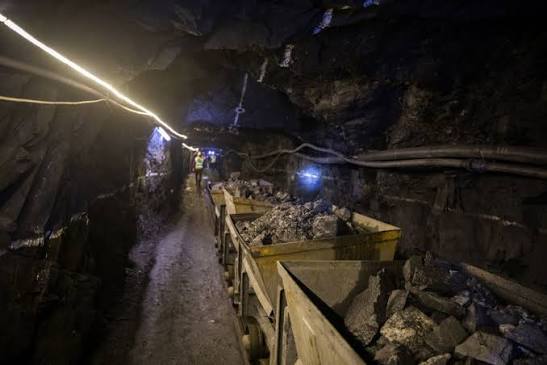
Three Miners Missing After Flooding at Kayonza Mine in Rwanda
Three miners were missing this Sunday after water flooded an underground mine...
Uwimanimpaye Cyiza Marie ClemenceOctober 11, 2026 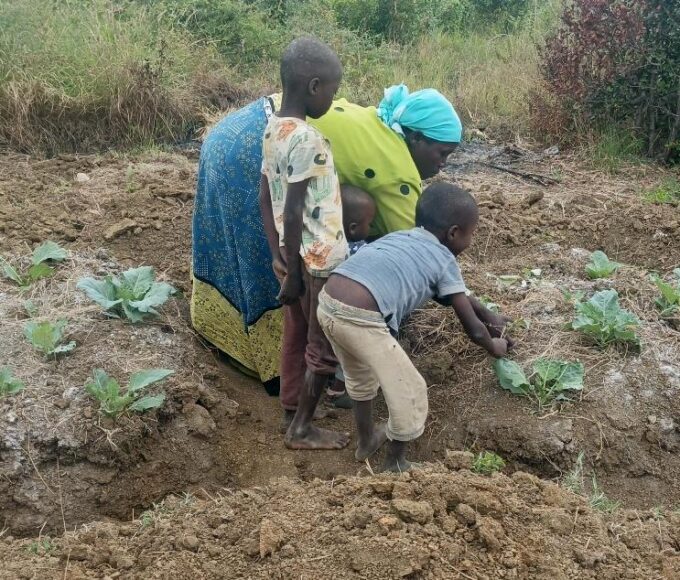
Permagardens offer a new start for drought-hit families in coastal Kenya
By Afia Agyapomaa Ofosu MBUGUNI, Kenya – For families in Mbuguni, a...
Uwimanimpaye Cyiza Marie ClemenceOctober 8, 2026 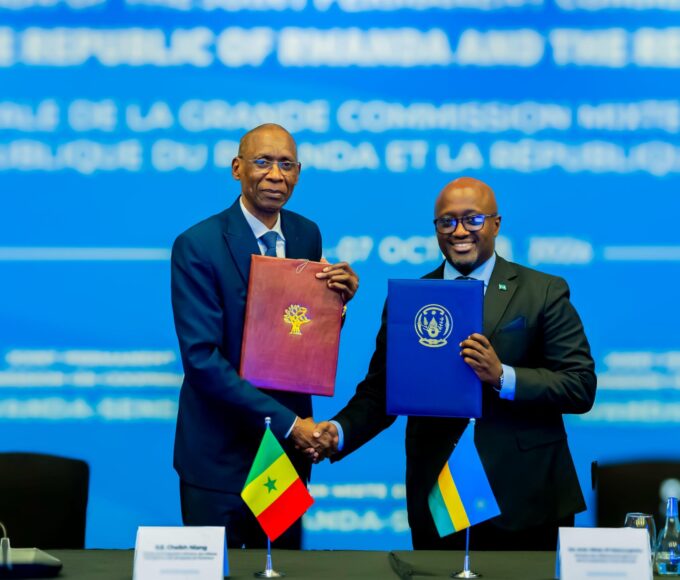
Rwanda and Senegal deepen economic ties, with agriculture and standards in focus
KIGALI, Oct. 8, 2026 – Rwanda and Senegal have signed 11 agreements...
Uwimanimpaye Cyiza Marie ClemenceOctober 8, 2026 

Proposed Climate Insurance Could Cushion Rwanda’s Mine Workers Against Rainy-Season Income Losses
A proposed climate insurance scheme could help protect mine and quarry workers...
Uwimanimpaye Cyiza Marie ClemenceSeptember 30, 2026
Leave a comment