




The SFERE Clean Cooking Awareness Campaign: Advancing Solutions Through Community Engagement
 Uwimanimpaye Cyiza Marie ClemenceMarch 3, 20263 Mins read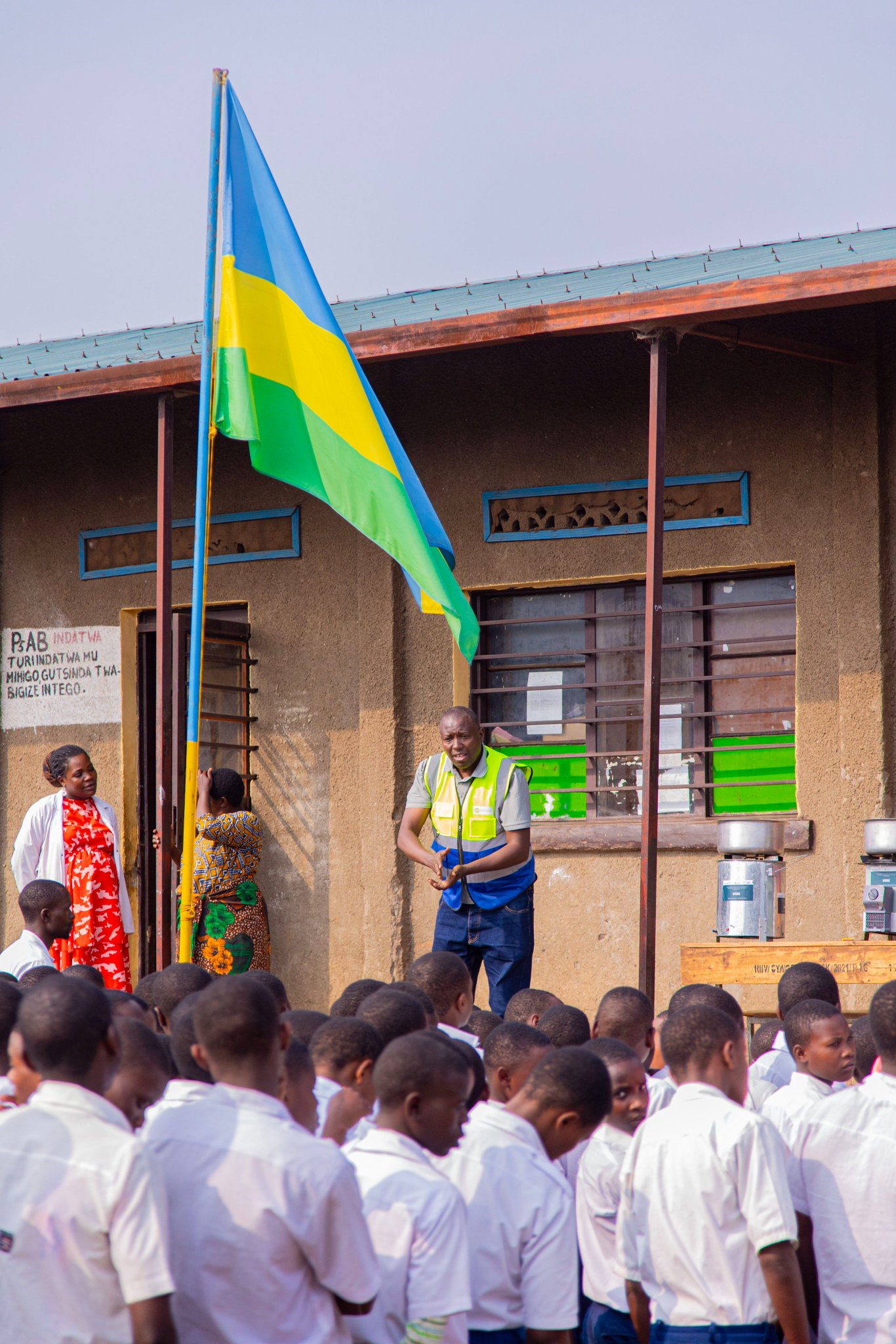
Progress in clean cooking is happening one step at a time through meaningful engagement with communities in Rubavu and Rutsiro Districts.
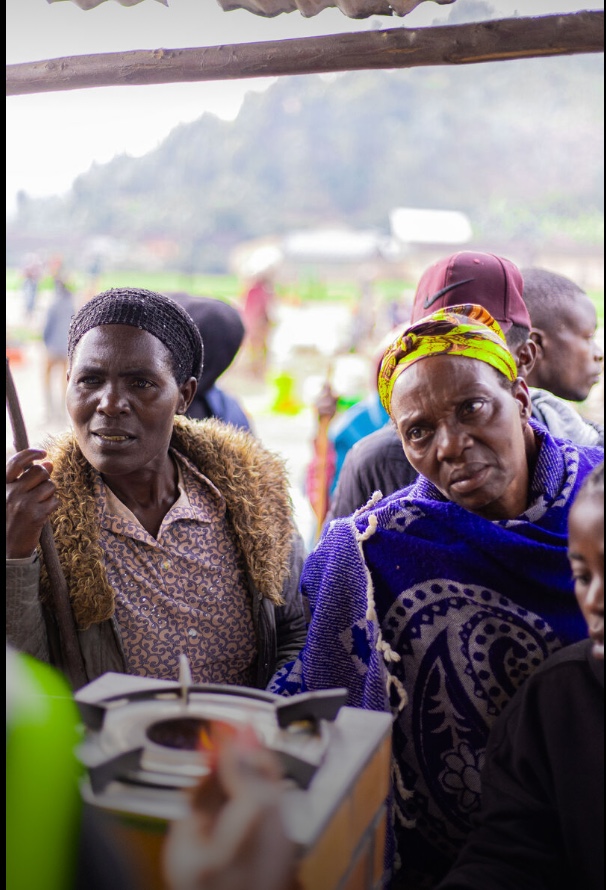
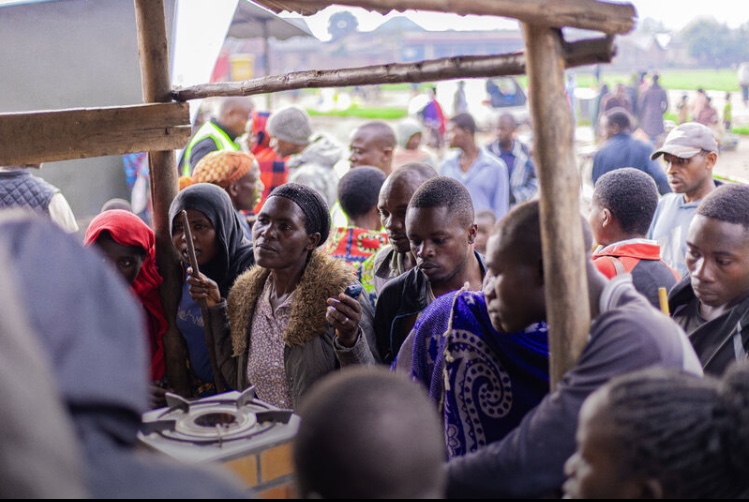
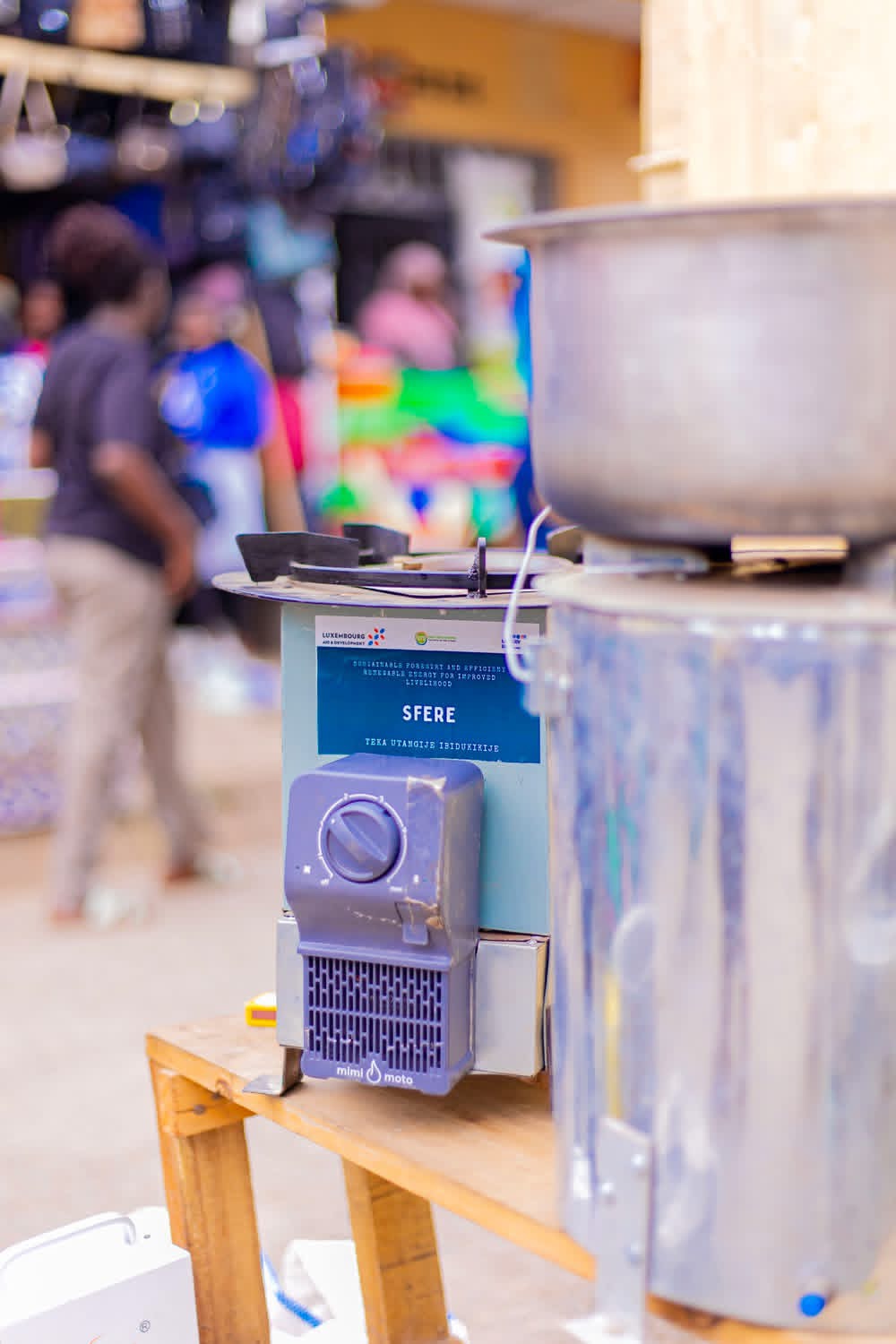
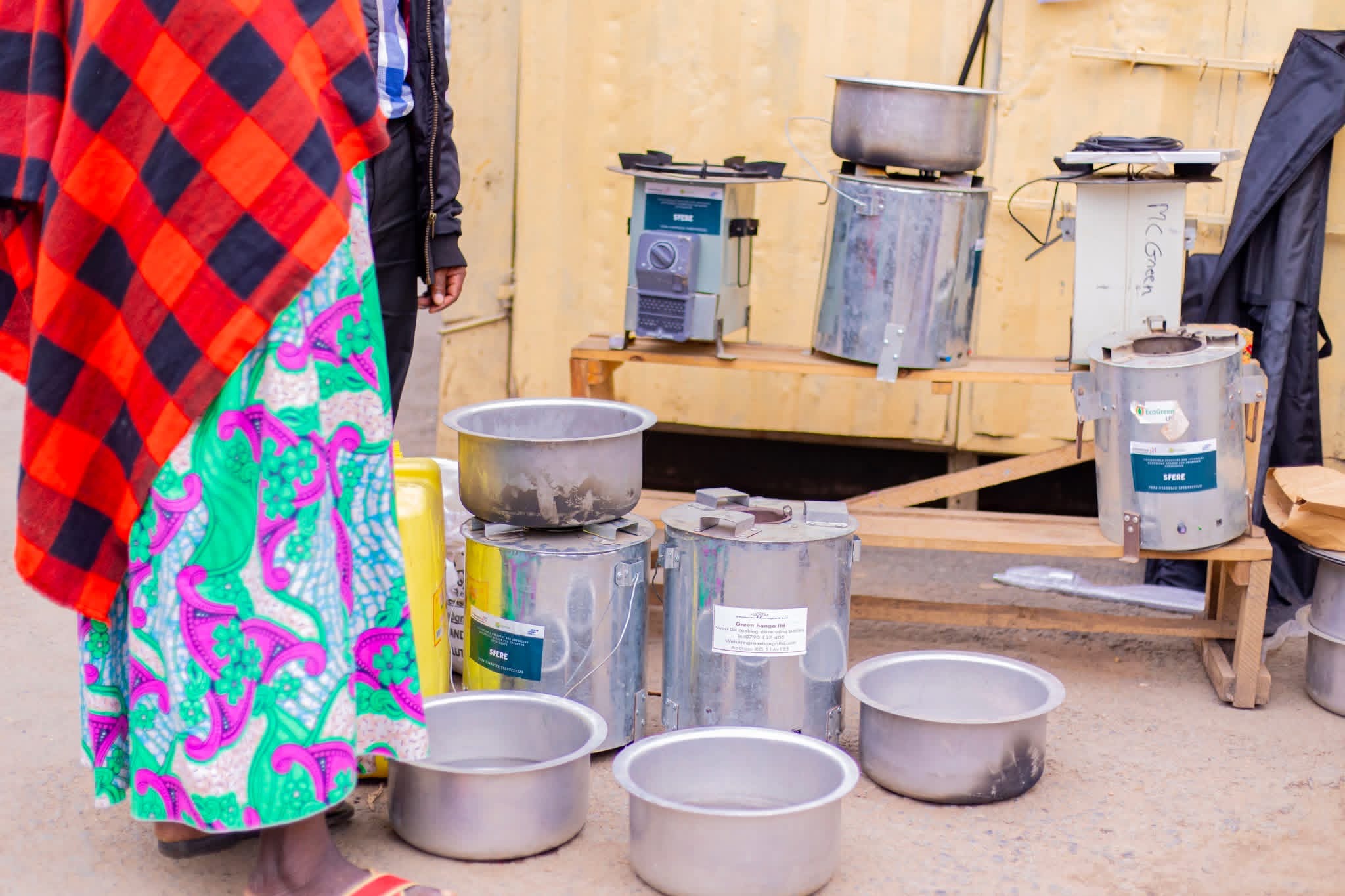
Over the past week, the SFERE campaign brought practical clean cooking solutions directly to households, helping families learn how improved cookstoves powered by clean pellet fuel can make daily cooking safer, more efficient, and healthier.
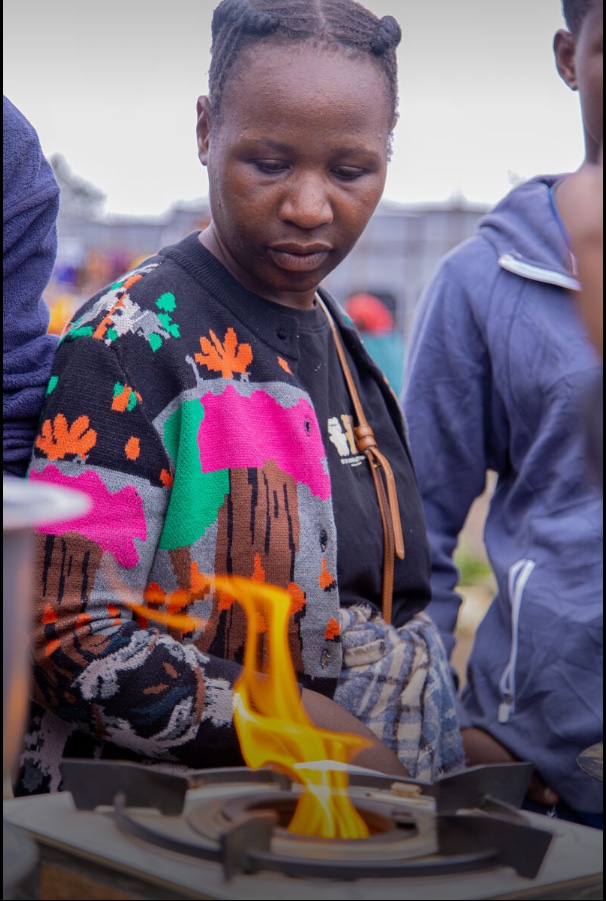
As part of the SFERE project, over 14,000 modern cookstoves will be distributed in Rubavu and Rutsiro to support cleaner energy use, protect forests, and address environmental challenges.
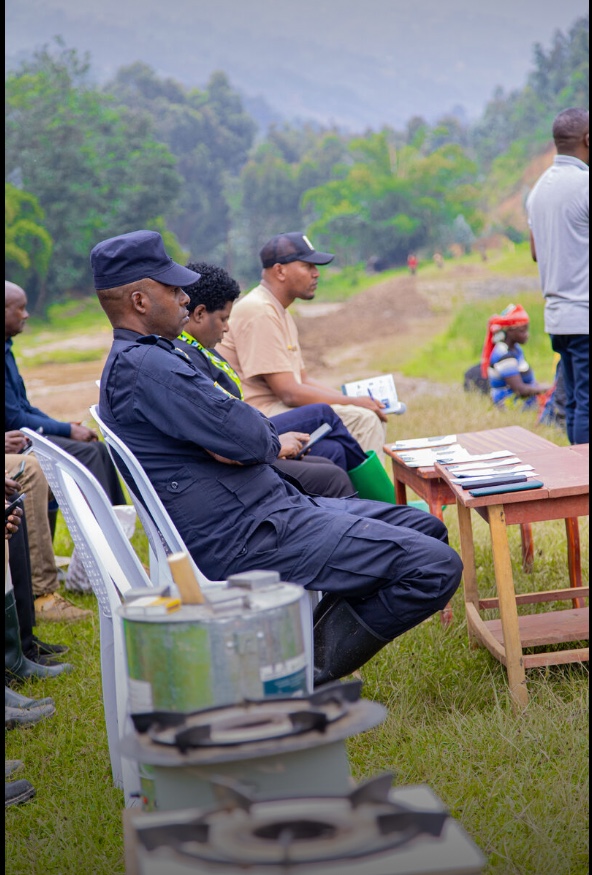
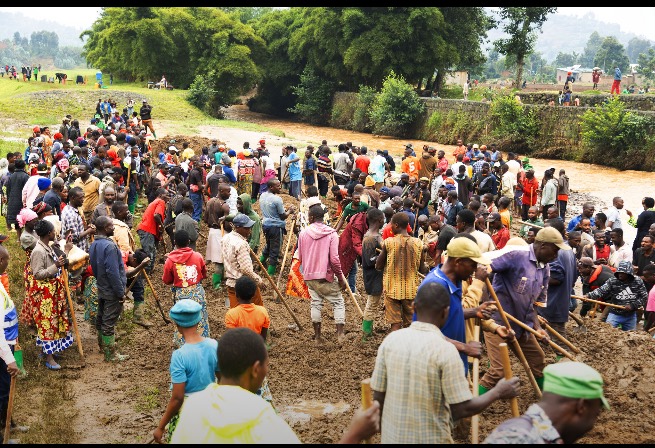
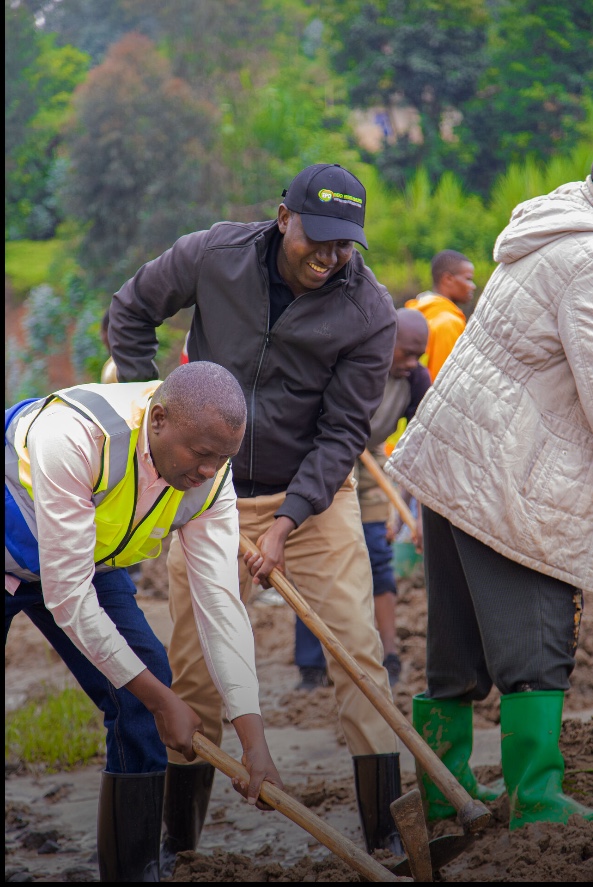
The launch coincided with February’s Umuganda work in both districts. The Rutsiro event brought together Dr. Utumatwishima Jean Népo Abdallah, Rwanda’s Minister of Youth and Arts; Members of Parliament Etienne Mvano and Germaine Mukabarisa; local leaders; and community members, demonstrating strong multisector support.
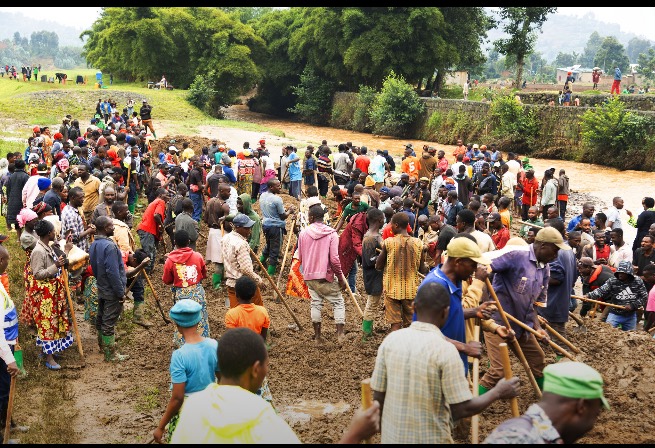
In Rubavu, the final outreach took place in Mukondo Cell, Nyundo Sector during the Saturday Umuganda. Parents, local leaders, and residents came together, and the event was honored by district leadership including the Mayor, the District Police Commander, and a representative from the Western Province Governor’s Office, underscoring that clean cooking is not just a household concern but a public priority.
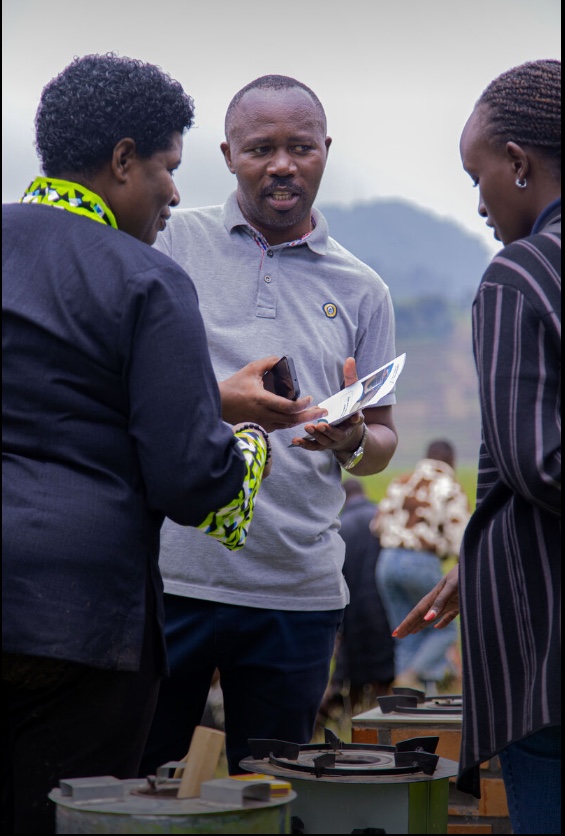
At the Rubavu gathering, Serge Wilson Muhizi, CEO of EPD Rwanda, introduced the SFERE Project, explained why clean cooking matters for health, the environment, and household wellbeing, and demonstrated how the stoves work in practice. Parents actively participated, asking how to access the cookstoves, how long they last, and what financial and daily benefits families can expect.
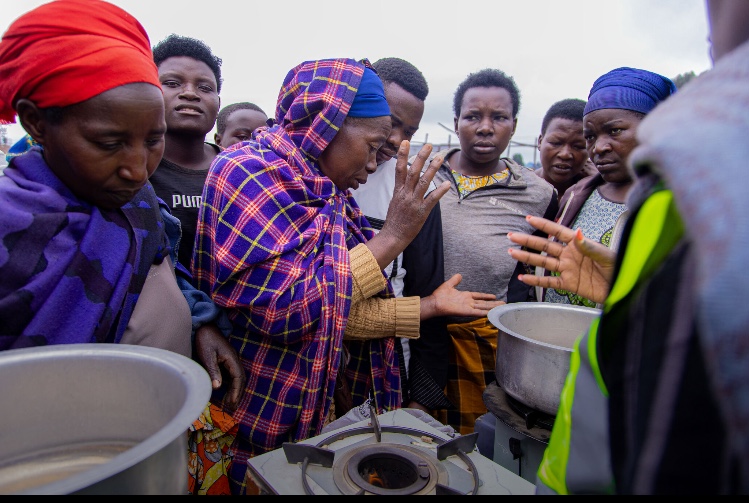
During demonstrations, residents also learned about the cost advantages of the new system. Organizers explained that households will receive the improved cookstoves at no cost under the project and will only need to purchase the pellet fuel. The pellets have been made affordable, costing 5,000 Rwandan francs per week, which is significantly lower than what many families currently spend on traditional fuels.
One woman from Rubavu, who preferred to remain anonymous, asked:
“We have heard that these stoves are free, but we want to be sure. Are they truly free, or will they still be too expensive for us to afford?”
Organizers confirmed that the stoves are provided free as part of the SFERE initiative and that fuel costs have been minimized to support uptake.
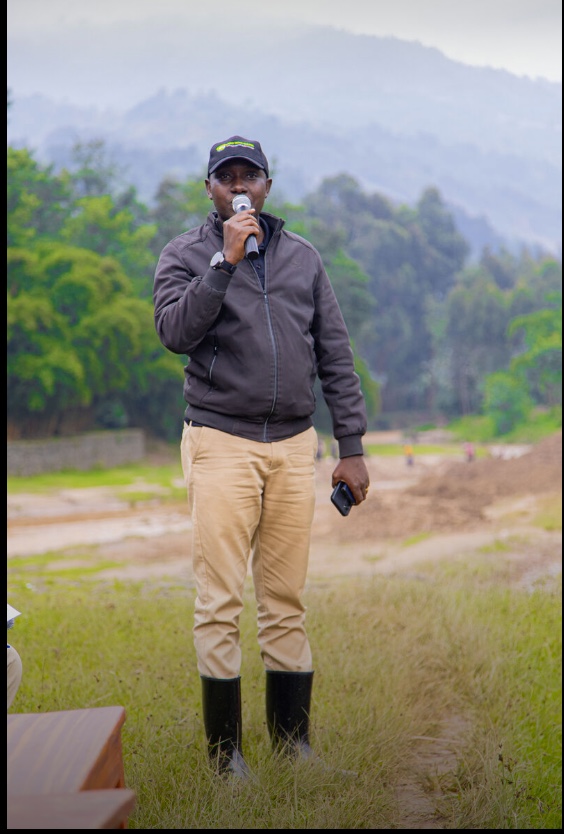
Addressing broader affordability concerns, Serge Wilson Muhizi added:
“We understand that the price of these stoves may seem expensive for some families. That is precisely why this project includes financial support mechanisms, including subsidies, to ensure they are accessible to these communities.”
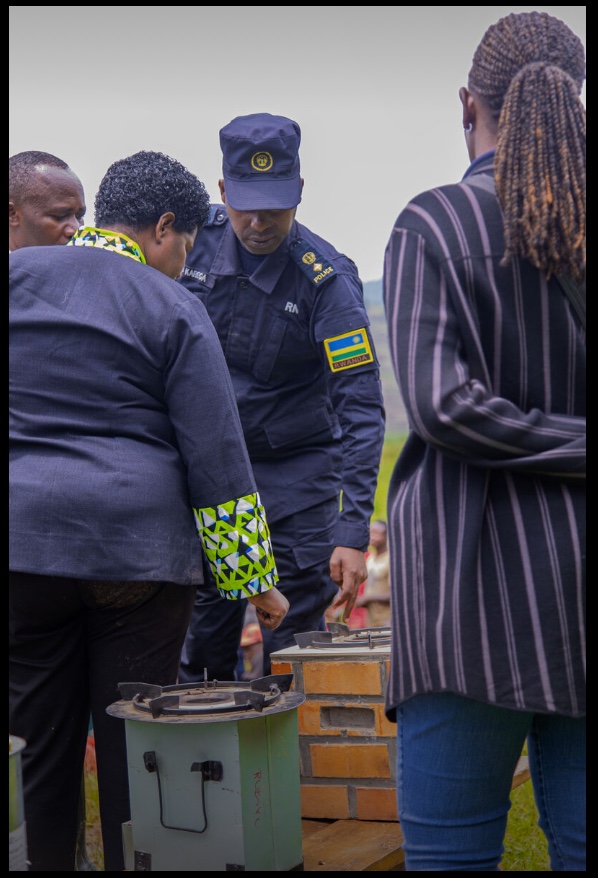
Mayor Prosper Murindwa emphasized the health benefits of cleaner cooking, especially for women who are traditionally the primary cooks:
“Smoke from traditional cooking methods is especially harmful to women, who spend the most time near the stove. Prolonged exposure can damage the respiratory system and may even contribute to cancer. With these improved stoves, we protect women’s health and we may also see more men confidently participating in cooking and supporting their families.”
Families were shown that by switching from traditional fuels such as charcoal or firewood, they could save significant money over time. On average, a household can save up to 225 Rwandan francs per cooking session by using the new pellet stoves compared with conventional charcoal use, an important benefit for many low- and middle-income households.
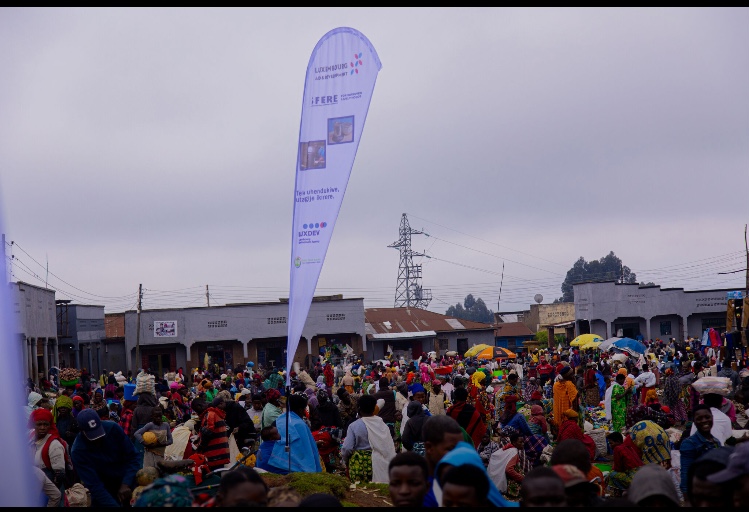
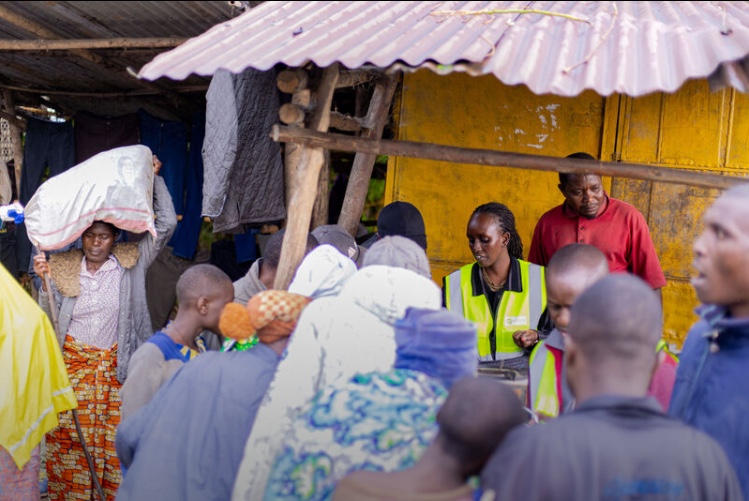
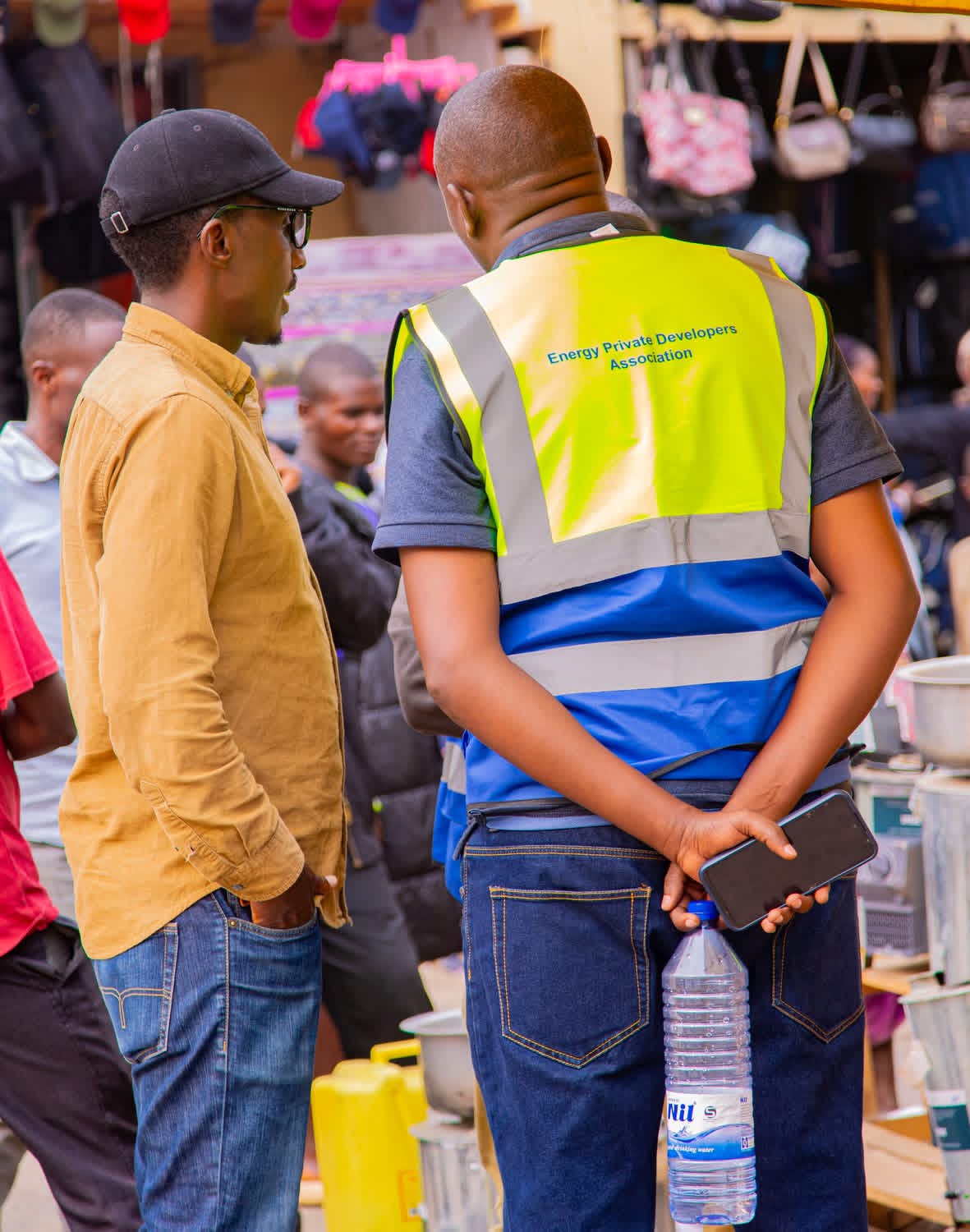
Throughout the week, the campaign reached communities through market activations at Mahoko, Gahenerezo, Mu Cyondo–Kamuhoza, Karukogo, and Rugerero; school engagements at Mukondo Primary & Secondary, GS Stella Maris, GS Busigari, and GS Shwemu; and community outreach during Umuganda.
Key outcomes included strong community interest in clean cooking technologies, increased awareness of health and environmental benefits, clear demand from parents and vendors seeking access to the stoves, and open dialogue between communities, leaders, and implementers.
This campaign supports Rwanda’s broader climate action goals. Under its updated national climate strategy, the country has committed to reducing greenhouse gas emissions by 38 % by 2030, contributing to environmental protection and sustainable energy use. 
The success of the SFERE campaign demonstrates that when people understand solutions that improve their lives, they want them. From markets to schools to Umuganda gatherings, clean cooking is steadily becoming a practical reality for households across Rubavu and Rutsiro Districts.

Other Pictures:









Related Articles
Three Miners Missing After Flooding at Kayonza Mine in Rwanda
Three miners were missing this Sunday after water flooded an underground mine...
Uwimanimpaye Cyiza Marie ClemenceOctober 11, 2026 
Permagardens offer a new start for drought-hit families in coastal Kenya
By Afia Agyapomaa Ofosu MBUGUNI, Kenya – For families in Mbuguni, a...
Uwimanimpaye Cyiza Marie ClemenceOctober 8, 2026 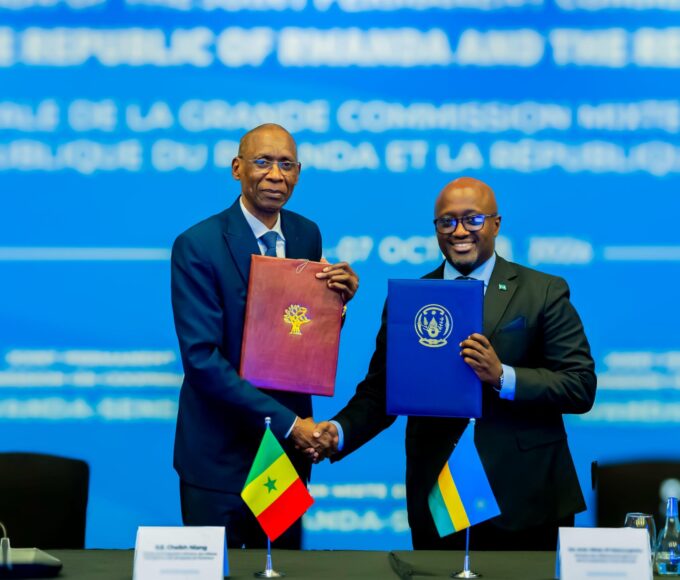
Rwanda and Senegal deepen economic ties, with agriculture and standards in focus
KIGALI, Oct. 8, 2026 – Rwanda and Senegal have signed 11 agreements...
Uwimanimpaye Cyiza Marie ClemenceOctober 8, 2026 

Proposed Climate Insurance Could Cushion Rwanda’s Mine Workers Against Rainy-Season Income Losses
A proposed climate insurance scheme could help protect mine and quarry workers...
Uwimanimpaye Cyiza Marie ClemenceSeptember 30, 2026
Leave a comment