




Powering Food, Restoring Land: How Renewable Energy and Regenerative Agriculture Are Transforming Rwanda’s Farms
 Uwimanimpaye Cyiza Marie ClemenceFebruary 26, 20263 Mins read
Across Rwanda’s rolling hills, a quiet revolution is underway. It begins in the soil, extends through solar-powered irrigation lines, and reaches markets via cold storage units that preserve fresh produce. At the heart of this transformation is a bold idea: food security and clean energy must advance hand in hand.
Through the Power for Food Partnership (P4FP), Rwanda is pioneering an integrated approach that connects Regenerative Agriculture (RA) with the Productive Use of Renewable Energy (PURE). Funded by the IKEA Foundation and launched at the Africa Food Systems Forum in Dakar in 2025, the initiative is reshaping not only how crops are grown but how farming systems function.
Working closely with national institutions such as the Ministry of Agriculture and Animal Resources and the Ministry of Infrastructure, P4FP is being implemented across six districts in Rwanda’s Western and Eastern Provinces. Its mission is clear: build resilient, productive, and climate-smart agricultural systems powered by renewable energy.
The Challenge: Productivity, Losses, and Energy Gaps
Agriculture remains the backbone of Rwanda’s economy, yet farmers face persistent challenges. A significant share of horticultural produce is lost before reaching markets. Irrigation access is limited, leaving farmers dependent on rainfall. Diesel-powered systems are expensive and environmentally unsustainable.
These interconnected challenges require integrated solutions.
The RA–PURE nexus recognizes that healthy soils alone are not enough. Farmers also need reliable, affordable energy to irrigate crops, power cold storage, and run agro-processing equipment. By combining regenerative farming practices with renewable energy technologies, P4FP addresses both environmental sustainability and economic resilience.
Regenerative Agriculture: Healing the Soil
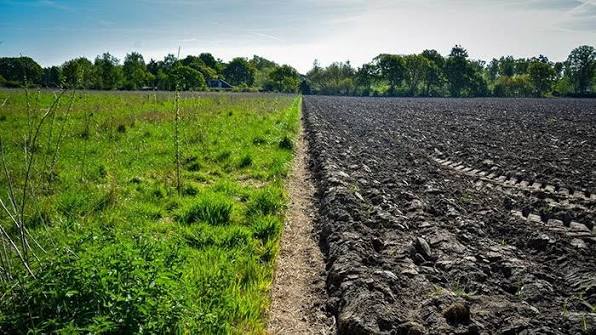
Regenerative Agriculture focuses on restoring soil health, increasing biodiversity, and strengthening ecosystems. Through practices such as composting, crop rotation, agroforestry, managed grazing, and reduced tillage, farmers rebuild soil fertility while improving water retention and long-term productivity.
This approach shifts agriculture away from extractive methods toward systems that regenerate natural resources. Farmers adopting these practices report improved yields and greater resilience to climate variability, a critical advantage in an era of unpredictable weather.
But soil restoration is only part of the solution.
Renewable Energy: Powering Productivity
Renewable energy is unlocking new possibilities across the agricultural value chain.
Members of the Energy Private Developers (EPD) are demonstrating how solar technologies reduce post-harvest losses and boost farm incomes. Solar-powered irrigation systems enable year-round production. Solar cold rooms preserve fresh produce, allowing farmers to sell at better prices rather than rush products to market. Solar-powered milling and agro-processing systems improve efficiency while lowering operating costs.
As Emmanuel Ndagijimana of EPD explains:
“Transforming agriculture through renewable energy is not just about technology. It is about empowering farmers with reliable tools that reduce losses, increase incomes, and build resilience.”
His words capture the initiative’s essence: renewable energy is not an end in itself. It is a tool to strengthen livelihoods, stabilize incomes, and protect the environment.
Youth, Women, and Green Opportunity
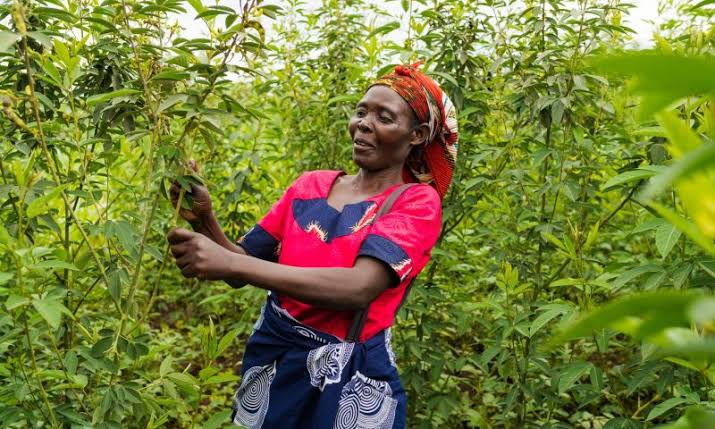
The benefits of the RA–PURE approach extend beyond farms. Renewable energy-powered agriculture is creating new green jobs from solar installation and maintenance to cold-chain management and agro-processing.
Young entrepreneurs are discovering opportunities in clean energy value chains. Women-led farming and energy enterprises gain tools that reduce labor burdens and expand business potential. By linking sustainability with economic empowerment, P4FP is reshaping rural development pathways.
This is climate action grounded in practical realities; tangible systems that work for communities, not abstract commitments.
A Systems Approach to Lasting Change
What sets the RA–PURE model apart is its systemic vision. It addresses policy alignment, institutional collaboration, financing, social norms, and local capacity-building alongside technological innovation.
Rather than treating agriculture and energy as separate sectors, P4FP views them as mutually reinforcing systems. In doing so, it advances a broader transformation; aligning food security, renewable energy access, environmental stewardship, and inclusive growth.
Powering Food Security with Renewable Energy
Every solar irrigation pump reduces reliance on fossil fuels.
Every compost heap restores degraded soil.
Every cold storage unit prevents food waste.
Together, these actions build a more resilient, climate-smart Rwanda.
The integration of regenerative agriculture and renewable energy shows that sustainable development is not about trade-offs. It is about coordination, partnership, and vision.
As Rwanda scales the RA–PURE nexus, one message is clear: the future of farming is not only about growing more food. It is about growing it sustainably; powered by clean energy, rooted in healthy soil, and driven by empowered communities.



Related Articles
Rwanda puts carbon markets at centre of climate finance push ahead of CMAS 2026
Rwanda is preparing to put carbon markets at the centre of its...
Uwimanimpaye Cyiza Marie ClemenceSeptember 21, 2026 
Rwanda seeks to keep mercury out of gold mining as illegal operations pose monitoring challenge
Rwanda has made significant progress in keeping mercury out of artisanal and...
Uwimanimpaye Cyiza Marie ClemenceSeptember 10, 2026 
From food waste to business: Rwanda’s CIRF project looks beyond five years
Rwanda is seeking to build on lessons from a five-year programme that...
Uwimanimpaye Cyiza Marie ClemenceSeptember 6, 2026 

Kwita Izina puts Rwanda’s conservation model under the environmental spotlight
The naming of 22 baby mountain gorillas in Rwanda this week was...
Uwimanimpaye Cyiza Marie ClemenceSeptember 6, 2026
Leave a comment