



LEAD-ESD Change Projects Begin Taking Root Across Rwanda
 Uwimanimpaye Cyiza Marie ClemenceDecember 23, 20254 Mins read
Two months after the LEAD-ESD workshop brought teachers together in Kigali, Change Projects are beginning to take shape across Teacher Training Colleges in Rwanda. While most of the initiatives are still in their early stages, teachers and students are already moving from discussion to action, testing ideas, learning through practice, and rethinking how schools can care for their environment.
Across institutions, similar priorities are emerging: reducing waste, planting trees, greening school compounds, and helping students understand their role in environmental protection.
Rethinking Waste: From What Is Thrown Away to What Is Reused
At several Teacher Training Colleges, waste is no longer seen only as something to discard, but as a resource for learning.
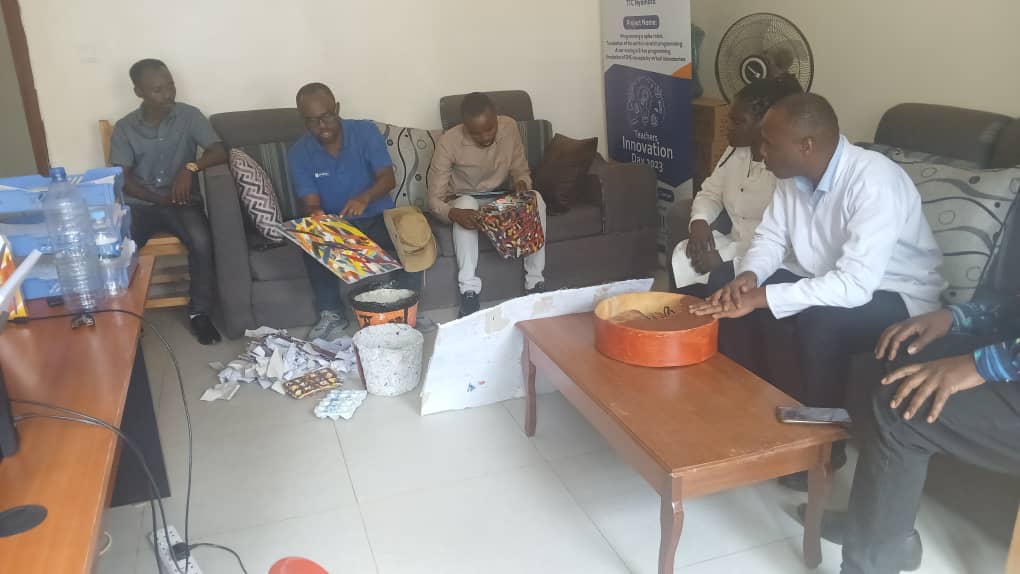
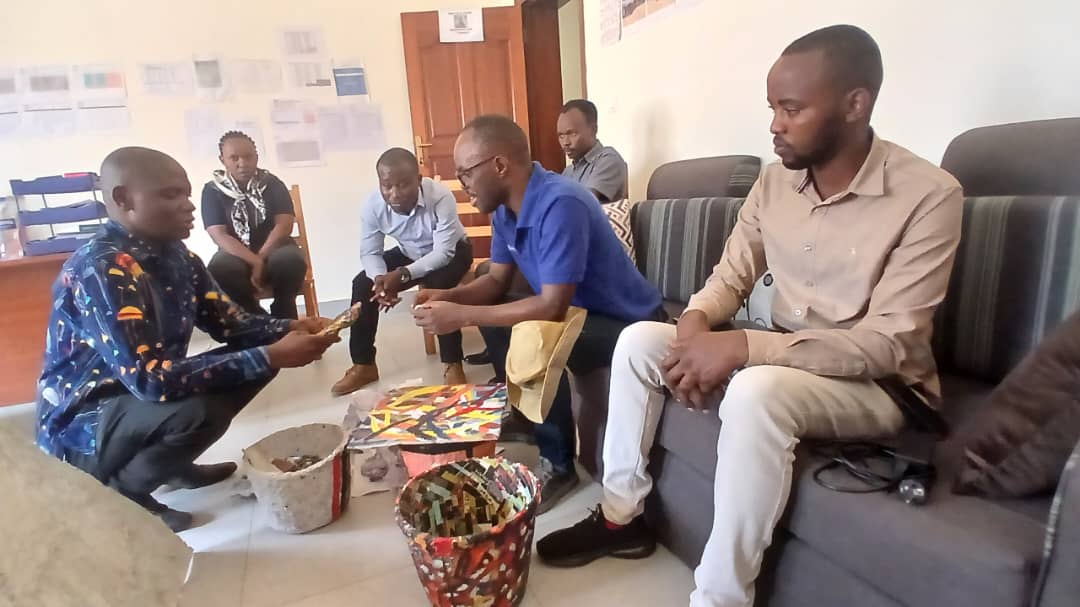
At TTC Rubengera, students collect used papers and plastic bottles and turn them into teaching and learning materials.
Irasubiza Joshua, a student in Science and Mathematics Education and a representative of the Environment and Protection Club, explained how the project has changed daily practice at the school.
“Our project is about waste management. We collect used papers and bottles and use them to make teaching materials. After exams, there are many papers at school. Instead of throwing them away, we reuse them.”
For Joshua, the project also carries a broader message.
“We have learned that protecting the environment is very important because it is the source of life. It gives us fresh air and food. When we protect the environment, we also protect our school.”
As a future teacher, he hopes these lessons will extend beyond the classroom.
“After finishing school, I expect to become a teacher, but also a volunteer for environmental protection. A teacher can educate many people, even a whole country.”
Eric Sibodufitimana, Director of Studies at TTC Rubengera, said the initiative fits naturally into the college’s role of training future teachers.
“We collect used papers and keep them. During weekends, teachers and students sit together to make teaching aids from these materials. Since we train nursery and primary school teachers, these teaching aids are later used during internships in nearby primary schools.”
He added that the process encourages collaboration.
“Students from different subjects; science, social studies, languages; work together, guided by the curriculum, and then use the materials during micro-teaching.”
Similar efforts are underway at TTC De la Salle and TTC Nyamata, where teachers and students have started collecting used buckets, boxes, bottles, jerrycans, and plastic bags to make teaching materials and keep the school environment clean.
At TTC Nyamata, waste is also sorted into organic and non-organic materials. Organic waste is composted and later used as fertilizer for vegetable gardens, fruit trees, wind-breaking trees, grass, and flowers.
Planting for Protection, Food, and Fresh Air
Tree planting has become another key focus across participating schools, driven by local environmental needs and concerns for student well-being.
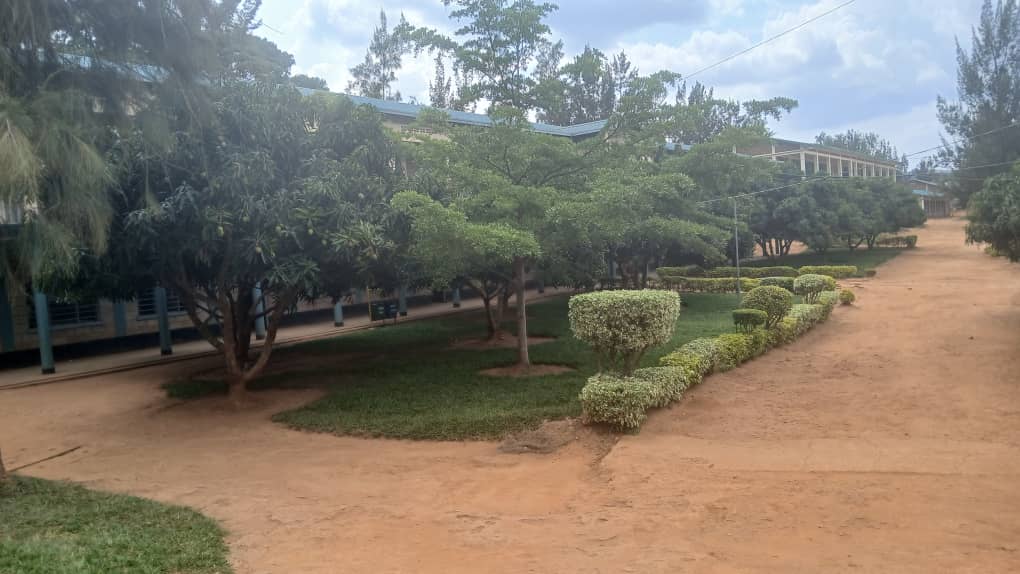
At TTC Muhanga, more than 500 trees have already been planted within the school compound.
Habumuremyi Elyse, a teacher at TTC Muhanga, said the project responds directly to the school’s surroundings.
“We are in a mountainous region where strong winds can damage crops. Planting trees helps reduce these effects.”
The school is also preparing to establish a vegetable garden.
“We want to address the lack of vegetables at school and help students have a balanced diet. This also links to the Sustainable Development Goals that we are studying.”
Mwiseneza Janvier, a Social Studies student who helps facilitate the project, described his role.
“I help other learners plant trees, mulch them, and water them. The project will give fresh air to our school and help reduce carbon dioxide. It also prepares us to teach environmental sustainability in the future.”
At TTC Save, the focus is on planting fruit-bearing trees, especially avocado trees.
Jean Damascene Kabanza, a tutor and team leader, explained the thinking behind the project.
“The main purpose is to make our school green and to provide food that can support students’ nutrition. If production increases, we may also be able to share or sell some within the surrounding community.”
He said students have shown strong commitment.
“Because the project is linked to the Sustainable Development Goals, students appreciated it and returned from holidays ready to continue planting.”
At TTC Zaza, avocado tree planting has also become a hands-on learning activity.
Gildas Irarora, a tutor at TTC Zaza, said the project combines environmental protection with practical education.
“Avocado fruit is rare in this area. Planting trees helps protect the environment, prevent erosion, and provide food. We wanted students to learn through practical activities.”
Student ownership has been clear.
“Even during a short dry season, students took the initiative to water the trees. This showed they understood why the project matters.”
Students shared their own reflections.
Habineza Enock said simply:
“I can encourage other people to plant many trees.”
For Kabera Nancy Ornella, the experience was personal.
“It was my first time planting a tree, and I loved it. Now I go back to see how it is growing, I water it, and I protect it. Trees give us fresh air and shade, and without them, life would be difficult.”
Learning Sustainability in Practice
Across participating institutions including TYC Rubengera, TTC Rubengera, TTC Muhanga, TTC Save, TTC Zaza, TTC De la Salle, TTC Nyamata, TTC Matimba, TTC Mwezi, and TTC Bicumbi — a shared approach is emerging: students are learning sustainability by practicing it.
Although the projects are still young, teachers report early signs of change. Students are taking initiative, working together, and beginning to see environmental protection as part of their daily responsibilities, not just a topic in class.
The Change Projects may still be growing, but they are already showing how education can play a practical role in building environmental awareness — one action, one tree, and one reused material at a time.




Related Articles
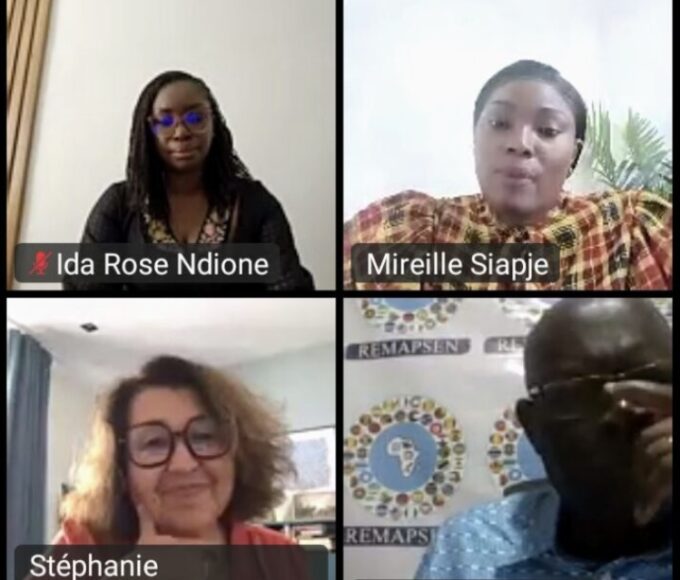
REMAPSEN webinar highlights Africa’s challenges in shifting global health landscape
KIGALI, June 4 (REMAPSEN) – The African Media Network for Health and...
Uwimanimpaye Cyiza Marie ClemenceJune 6, 2026 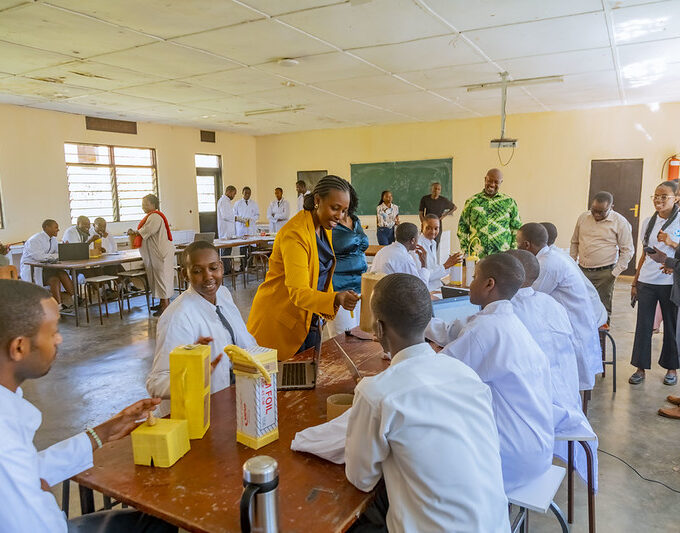
Rwanda Launches Practical Exams Aimed at Building Skills for Community and Environmental Solutions
KIGALI, Rwanda – Rwanda’s Ministry of Education has officially launched the 2025/2026...
Uwimanimpaye Cyiza Marie ClemenceJune 3, 2026 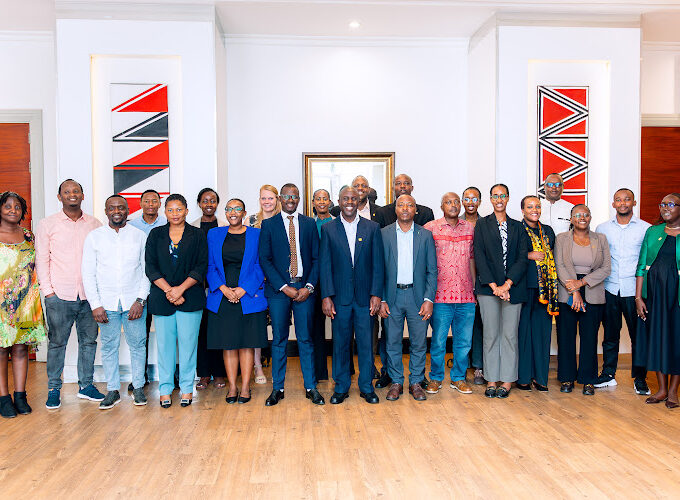
Rwanda Seeks to Scale Circular Food Systems Through New Multi-Stakeholder Platform
KIGALI, Rwanda – Rwanda is seeking to accelerate the transition to a...
Uwimanimpaye Cyiza Marie ClemenceJune 3, 2026 

Global temperatures likely to remain at record levels through 2030, WMO says
Global temperatures are expected to remain at or near record highs over...
Uwimanimpaye Cyiza Marie ClemenceJune 1, 2026
Leave a comment