



“Unsafe Meat Can Lead to Zoonotic Diseases,”- Dr. Gaspard Simbarikure
 Uwimanimpaye Cyiza Marie ClemenceMarch 24, 20263 Mins read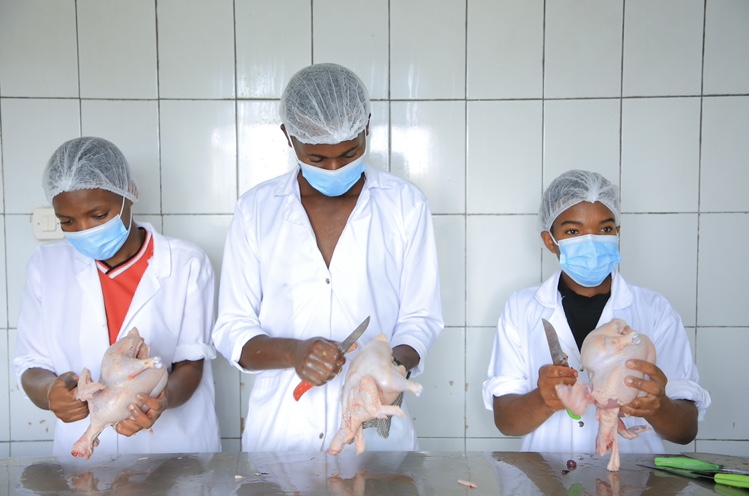
In Burera District, a visit to a modern poultry processing facility reveals more than just how chickens are prepared; it reflects Rwanda’s broader effort to improve food safety, create jobs, and empower young people.
Implemented in partnership with the Mastercard Foundation, TradeMark Africa, and the International Trade Centre, the initiative reflects Rwanda’s continued commitment to building a competitive, standards-driven economy. Launched in 2024, the VIBE program is being implemented by the Rwanda Standards Board, the Rwanda Inspectorate Competition and Consumer Protection Authority, and the National Agricultural Export Development Board, working together to strengthen quality assurance, promote safe food systems, and support export readiness.
The visit is part of the VIBE Program (Value Added Initiative to Boost Employment), a five-year initiative implemented by institutions such as the Rwanda Standards Board, Inspectorate Rwanda, and Rwanda Agriculture and Animal Resources Inspection and Certification Services, in partnership with the Mastercard Foundation, TradeMark Africa, and the International Trade Centre. Together, they are working toward a simple but critical goal: ensuring that the meat consumed by Rwandans is safe.
A Persistent Concern: Meat Without Traceability
Despite ongoing progress, one concern remains. A significant portion of meat consumed in Rwanda still comes from animals slaughtered in unregulated or unknown locations.
This lack of traceability makes it difficult for consumers to know whether the meat they are buying meets safety standards. When proper inspection and hygiene are not followed, the consequences can be serious not only for individuals, but for public health. Unsafe meat can carry parasites and pathogens, including tapeworms (tenia), which are transmitted from animals to humans, highlighting the real risk of zoonotic diseases.
Creating Opportunities While Raising Standards
At N&N (the Burera facility), Benitha Niyogisubizo is among those benefiting from this shift.
“Thanks to the good leadership of our country and partners that prioritize youth empowerment, I am now playing my part to serve over 700 poultry farmers through this slaughterhouse.”
The facility now works with hundreds of farmers and employs more than 20 people, including young staff who secured stable jobs as operations expanded.
Entrepreneur Jean Marie Vianney Ndabarinze also experienced this transformation firsthand:
“I used to slaughter chickens using traditional methods, but they were found to be unhygienic and destroyed twice. I decided to invest in a modern slaughterhouse.”
With support from the program, his business now processes hundreds of chickens under improved hygienic conditions, restoring both productivity and trust.
Why Proper Slaughtering Matters
Authorities stress that meat meant for sale must be processed in certified facilities. According to Jane Nyamvumba:
“Some people slaughter animals on their own, while others operate facilities that do not meet standards. We urge them to come forward so we can help them meet quality requirements.”
Unregulated slaughtering environments increase the risk of contamination and disease, including tapeworms, which is why enforcement measures are in place, including penalties for non-compliance.
At the same time, officials recognize that not all households have easy access to modern facilities. In such cases, consulting a veterinarian remains strongly advised.
Understanding the Risk
The process that ensures meat safety begins long before it reaches consumers.
Dr. Gaspard Simbarikure explained:
“Inspection starts with ante-mortem checks to ensure the animal is healthy and not under medication. After slaughter, post-mortem inspection is conducted to identify any disease or abnormality that could make the meat unsafe. The meat must be handled hygienically and chilled for at least 24 hours before it is consumed. When people consume meat that has not been properly inspected, they expose themselves to diseases that can pass from animals to humans, including parasites like tapeworms.”
A Shift in Mindset
Across the country, awareness is gradually changing behavior. Consumers and vendors are increasingly choosing meat from certified slaughterhouses. In communities such as Rubavu and Burera, informal slaughtering practices are declining, replaced by safer, regulated systems. Families also report feeling more confident about including chicken in their meals.
“It has given us confidence. Now we can buy chicken that is properly prepared and share it with our families without worry,” said one resident.
Looking Forward
Data from Rwanda Agriculture and Animal Resources Inspection and Certification Services shows that certified slaughterhouses process large numbers of animals every month. At the same time, unsafe meat continues to be intercepted and removed from the market.
Through continued awareness and investment, the VIBE program is helping bridge the gap between traditional practices and modern standards.
Building Trust Through Safety
At its heart, this effort is about more than regulation. It is about protecting lives. It is about building trust in what people eat. And it is about creating opportunities for a new generation.
Because in the end, safe meat is not just a standard; it is a necessity.



Related Articles

ChangeNOW 2026 in Paris: Where Belief Turns into Action for a Sustainable Future
As the curtains fell on ChangeNOW 2026, the atmosphere was anything but...
Uwimanimpaye Cyiza Marie ClemenceApril 6, 2026 
ChangeNOW 2026 Opens in Paris with an Inspiring and Eye-Opening First Day
Under the spectacular glass dome of the Grand Palais, the first day...
Uwimanimpaye Cyiza Marie ClemenceMarch 31, 2026 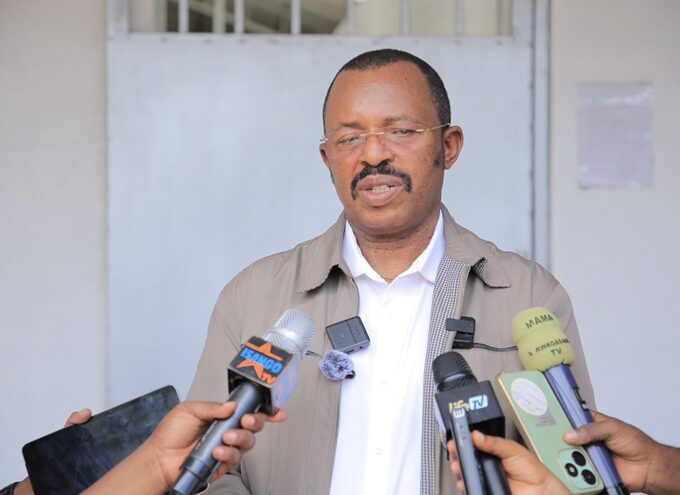
VIBE Campaign Launches to Boost Food Quality and Job Creation in Rwanda
The Government of Rwanda has officially launched a nationwide awareness campaign under...
Uwimanimpaye Cyiza Marie ClemenceMarch 23, 2026 

10 Takeaways from Ghana’s Science Media Training
By Afia Agyapomaa Ofosu For many journalists, covering science can feel intimidating....
Uwimanimpaye Cyiza Marie ClemenceMarch 21, 2026
Leave a comment