



Study Flags Safety Risks and Weak Compliance in Rwanda’s Mining Sector
 Uwimanimpaye Cyiza Marie ClemenceOctober 31, 20233 Mins read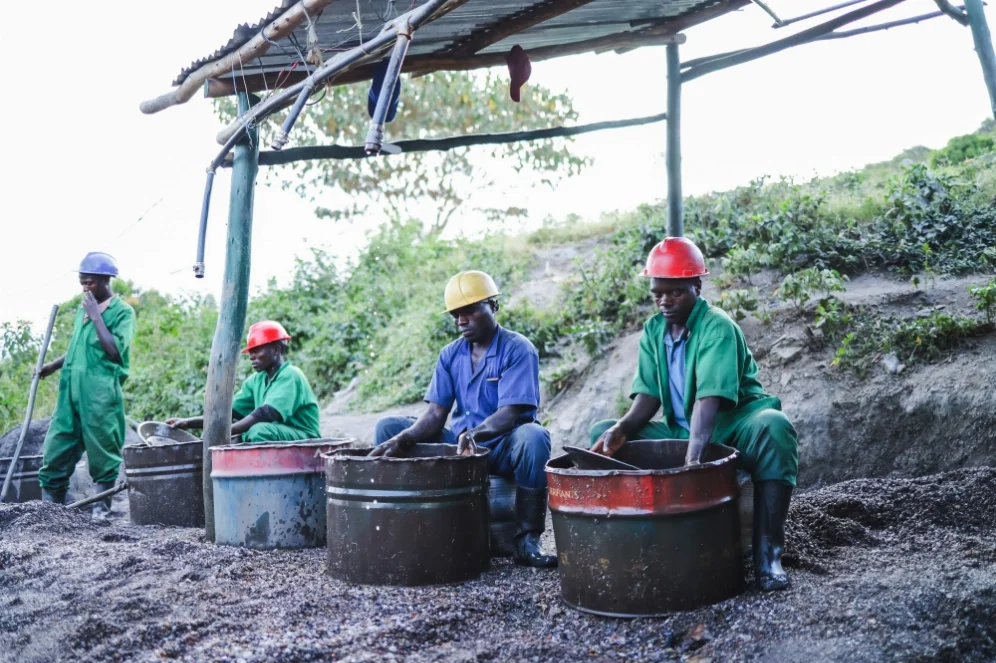
Nearly half of the workplace hazards assessed in Rwanda’s mining sector pose a high risk to workers, while compliance with occupational safety and health requirements remains low, according to a study by the Rwanda Extractive Industry Workers Union (REWU).
The assessment examined 13 categories of workplace hazards and found that six, or 46%, presented a high level of risk. The remaining seven, representing 54%, were classified as medium-risk hazards.
The study was conducted by REWU with funding from the Belgian Development Agency, Enabel, which supports efforts to improve health and safety practices in the mining industry.
Among the hazards requiring urgent attention were falling rocks, collapses at mining faces, landslides, slips, heavy loads and awkward working positions. Exposure to excessive dust and noise, poor lighting and pressure associated with working conditions were also identified as concerns.
The findings point to challenges extending beyond physical hazards to the implementation of workplace safety regulations and the protection of miners’ welfare.
Compliance gaps remain
The assessment reviewed 31 legal requirements governing occupational safety, health and working conditions. Only six requirements, equivalent to 19%, recorded high compliance, while 10, or 32%, had medium compliance. The remaining 15 requirements, accounting for 48%, were classified as having low compliance.
The report put the sector’s overall compliance score at 49.5%, placing it in the low-compliance category.
Areas of concern included inadequate provision of separate sanitation facilities for men and women, limited accessibility for persons with disabilities, and gaps in workplace emergency preparedness.
The study also identified weaknesses in annual occupational safety training, regular medical examinations for employees and workplace risk assessments. Compliance with requirements for social security contributions was another concern.
Other areas with low compliance included the development of occupational safety and health policies, written employment contracts for workers who had completed more than 90 consecutive days with an employer, and properly trained workplace safety committees.
The report further highlighted shortcomings in the recording and reporting of occupational injuries, diseases and deaths to the Rwanda Social Security Board (RSSB) and labour inspectors.
Requirements relating to salary payments through banks or recognised financial institutions, fire prevention and firefighting equipment, and written safety instructions presented in language workers could understand were also among the areas needing improvement.
Dust, noise and heat pose health risks
Beyond accidents and structural failures underground, the study warned that prolonged exposure to hazardous working conditions could have lasting consequences for miners’ health.
Excessive dust, particularly dust containing silica, can cause silicosis, an incurable lung disease associated with long-term exposure to respirable crystalline silica.
The report recommended measures to reduce miners’ exposure, including wet drilling and the use of water sprays during mineral extraction, loading and crushing. It also called for adequate ventilation to prevent workers from inhaling dangerous dust.
Repeated or prolonged exposure to excessive noise was identified as a risk to hearing, while heat stress was another occupational hazard requiring attention.
To reduce heat-related risks, the study recommended ensuring workers have ready access to drinking water and other suitable fluids to replace water lost through sweating.
It also called for measures to prevent geological failures, reduce the risks associated with flooding and unexpected water inflows, and provide adequate lighting in working areas.
Sanitation facilities, the report said, should be available within convenient reach of workplaces.
Mining accounts for a large share of workplace injuries
The findings come amid an increase in recorded occupational injuries in Rwanda.
Statistics from RSSB showed that workplace injuries rose from 754 in the 2017/2018 financial year to 1,467 in 2022/2023. The report also noted that benefits paid in connection with occupational injuries had doubled over the five-year period.
Rwanda’s labour inspection report for 2022/2023 indicated that the mining sector accounted for 66% of occupational injuries recorded across all economic activities.
The figures underline the importance of preventive measures in an industry where workers may face multiple risks, including falling rocks, unstable ground, hazardous dust and inadequate ventilation.
Globally, the International Labour Organization has estimated that more than 2.3 million women and men die each year from occupational accidents and work-related diseases, with work-related illnesses accounting for almost two million of those deaths.
Union calls for stronger enforcement
REWU said the study was intended to provide evidence that could support efforts to improve working conditions and strengthen the protection of miners.
André Mutsindashyaka, the union’s secretary-general, said the organisation had often encountered difficulties obtaining concrete evidence to support its concerns about mining accidents.
He said the findings would strengthen the union’s advocacy and help relevant institutions identify problems and develop appropriate responses.
Narcisse Dushimimana, head of the Mining Regulation and Inspection Department at the Rwanda Mines, Petroleum and Gas Board (RMB), said the assessment could help authorities address recognised problems for which detailed evidence had previously been lacking.
He said some of the challenges identified were more common in mines where traditional mining practices remained prevalent, partly because of limited investment.
Patrick Kananga, chief labour officer at the Ministry of Public Service and Labour, also pointed to shortcomings in compliance with labour laws and concerns about working conditions.
He highlighted the limited participation of women in mining, linking it partly to inadequate facilities and support for their needs in the workplace.
Kananga said promoting more professional mining operations, encouraging investment and bringing in qualified mining engineers could help improve how mining activities are managed.
The study’s findings place workplace safety, regulatory compliance and investment among the issues requiring attention as Rwanda continues to develop its mineral sector.
Source: TNT




Related Articles
Three Miners Missing After Flooding at Kayonza Mine in Rwanda
Three miners were missing this Sunday after water flooded an underground mine...
Uwimanimpaye Cyiza Marie ClemenceOctober 11, 2026 
Permagardens offer a new start for drought-hit families in coastal Kenya
By Afia Agyapomaa Ofosu MBUGUNI, Kenya – For families in Mbuguni, a...
Uwimanimpaye Cyiza Marie ClemenceOctober 8, 2026 
Rwanda and Senegal deepen economic ties, with agriculture and standards in focus
KIGALI, Oct. 8, 2026 – Rwanda and Senegal have signed 11 agreements...
Uwimanimpaye Cyiza Marie ClemenceOctober 8, 2026 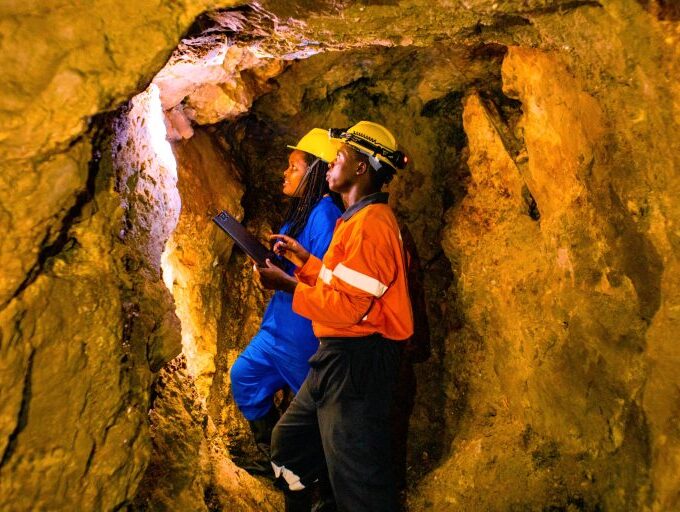

Proposed Climate Insurance Could Cushion Rwanda’s Mine Workers Against Rainy-Season Income Losses
A proposed climate insurance scheme could help protect mine and quarry workers...
Uwimanimpaye Cyiza Marie ClemenceSeptember 30, 2026
Leave a comment