



New biodiversity outlook seeks to turn regional knowledge into conservation action
 Uwimanimpaye Cyiza Marie ClemenceSeptember 23, 20263 Mins read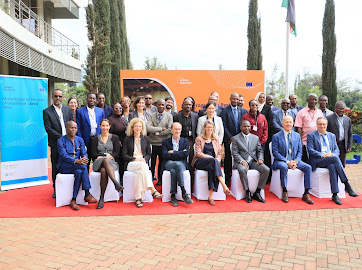
NAIROBI, Kenya, Sept. 22, 2026 -A new regional biodiversity publication covering 24 countries in Eastern and Southern Africa is seeking to help close a persistent gap in conservation: turning scientific and environmental data into information that can inform policy and action.
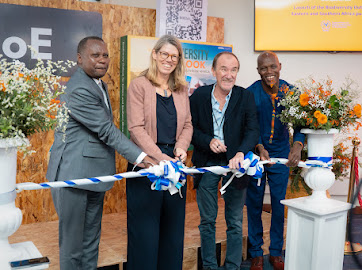
The Biodiversity Outlook for Eastern & Southern Africa (BOESA) was launched in Nairobi on Tuesday by the Regional Centre for Mapping of Resources for Development (RCMRD), in collaboration with the European Union.
The publication brings together biodiversity information, regional perspectives and practical experiences to support a deeper understanding of the region’s biodiversity and the measures needed to conserve it.
Its launch comes as countries work towards the 2030 targets of the Kunming-Montreal Global Biodiversity Framework (KMGBF), the global framework adopted in 2022 to guide efforts to halt and reverse biodiversity loss.
It also comes less than a month before the 17th Conference of the Parties to the Convention on Biological Diversity (COP17), scheduled to take place in Yerevan, Armenia, from Oct. 19–30.
COP17 will include the first global review of collective progress in implementing the KMGBF, putting greater emphasis on the evidence available to assess progress, identify gaps and guide further action.
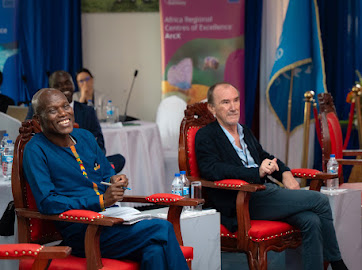
For Sanne Willems, Regional Partnerships at the Delegation of the European Union to Kenya, generating research is only part of the challenge.
“We have seen many programmes over the years conduct incredibly valuable research, but we often lack the next step of translating it into policy and, therefore, into action,” Willems said during the launch.
“Collecting data is not enough,” she said, adding that the programme is working to make information accessible to young people and decision-makers while strengthening countries’ capacity to act on the information collected.
Turning biodiversity knowledge into action
BOESA is intended to make biodiversity information more accessible to a broad range of users, including policymakers, conservation practitioners, researchers, development partners and communities.
The need for accessible regional information comes as biodiversity management increasingly requires countries to look beyond individual ecosystems and national boundaries.
Eastern and Southern Africa encompasses diverse landscapes and ecosystems, including forests, wetlands, grasslands, freshwater systems, agricultural areas and coastal and marine environments. Decisions affecting one part of these systems can have implications beyond administrative or national borders.
By bringing together information and experiences from across 24 countries, BOESA aims to provide a shared resource for understanding biodiversity and supporting conservation planning.
Dr Emmanuel Nkurunziza, Director General of RCMRD, said the publication reflects the importance of combining data, knowledge and regional experience in biodiversity decision-making.
“BOESA reflects the importance of bringing together data, knowledge and regional experiences to support informed decisions for biodiversity conservation,” Nkurunziza said.
“By making this information more accessible, we aim to support policymakers, conservation practitioners, researchers, development partners and communities in advancing nature-positive action across the region,” he added.
The publication was launched during the Regional Workshop on Integrated Landscape-Seascape Modelling for Climate Resilience Development in East Africa, held in Nairobi from Sept. 22–24.
Its development falls under the RCoE-ESA initiative and builds on RCMRD’s work in geospatial information, Earth observation and knowledge-sharing to address environmental challenges and support sustainable development.
These tools can help provide a broader picture of changes across landscapes and ecosystems, particularly as countries seek to understand biodiversity pressures and track progress towards international commitments.
Looking ahead to COP17
The launch also comes at a significant point in the implementation of the KMGBF.
The framework sets global biodiversity goals and 2030 targets covering areas including ecosystem conservation and restoration, sustainable use of biodiversity, reducing pollution and mobilising resources for biodiversity action.
The first global review of collective progress at COP17 is expected to provide an important assessment of how countries are advancing those commitments.
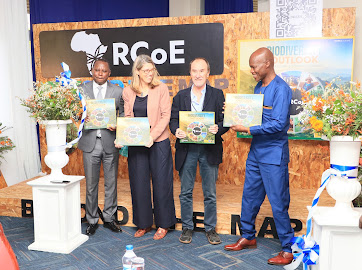
In that context, regional resources such as BOESA can help connect global biodiversity targets with information and experiences from individual countries and landscapes.
The publication is also intended to promote shared learning and stronger collaboration among governments, researchers, conservation organisations, development partners and communities.
For the region, the challenge extends beyond producing more biodiversity data. It also involves ensuring that existing knowledge is accessible and useful to those making decisions about land, water, agriculture, forests and other natural resources.
BOESA seeks to contribute to that process by bringing regional biodiversity knowledge into a format that can support decision-making and conservation action.
For more photos, please click here


Related Articles
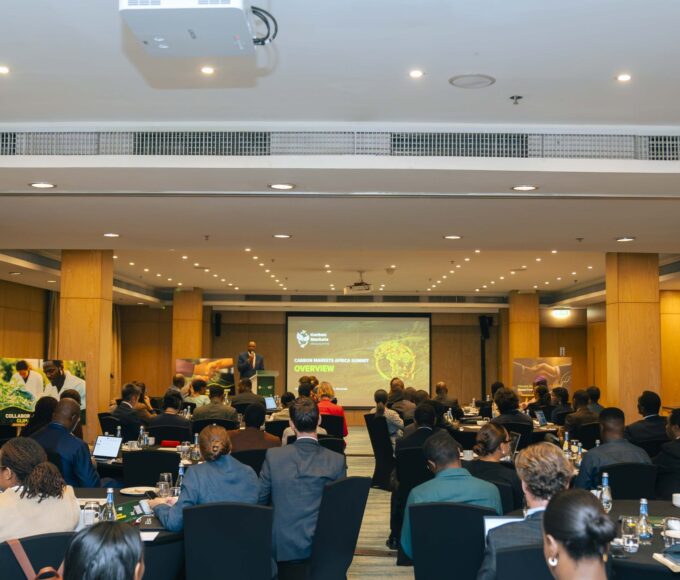
Rwanda puts carbon markets at centre of climate finance push ahead of CMAS 2026
Rwanda is preparing to put carbon markets at the centre of its...
Uwimanimpaye Cyiza Marie ClemenceSeptember 21, 2026 
Rwanda seeks to keep mercury out of gold mining as illegal operations pose monitoring challenge
Rwanda has made significant progress in keeping mercury out of artisanal and...
Uwimanimpaye Cyiza Marie ClemenceSeptember 10, 2026 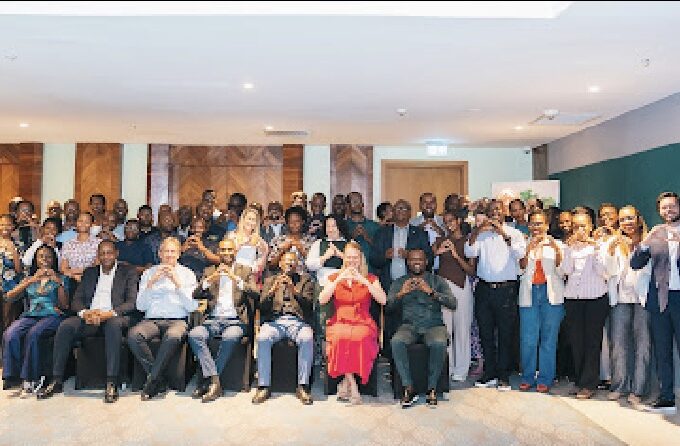
From food waste to business: Rwanda’s CIRF project looks beyond five years
Rwanda is seeking to build on lessons from a five-year programme that...
Uwimanimpaye Cyiza Marie ClemenceSeptember 6, 2026 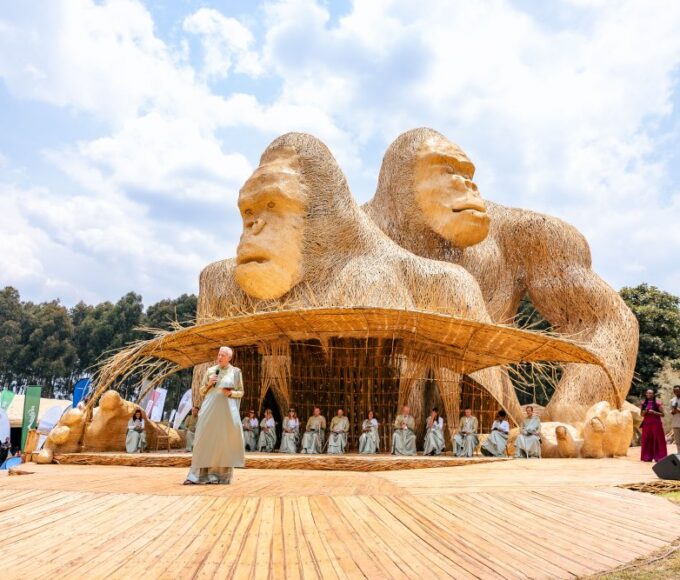

Kwita Izina puts Rwanda’s conservation model under the environmental spotlight
The naming of 22 baby mountain gorillas in Rwanda this week was...
Uwimanimpaye Cyiza Marie ClemenceSeptember 6, 2026
Leave a comment