



Permagardens Give African Households Another Way to Grow Food at Home
 Uwimanimpaye Cyiza Marie ClemenceAugust 17, 20264 Mins read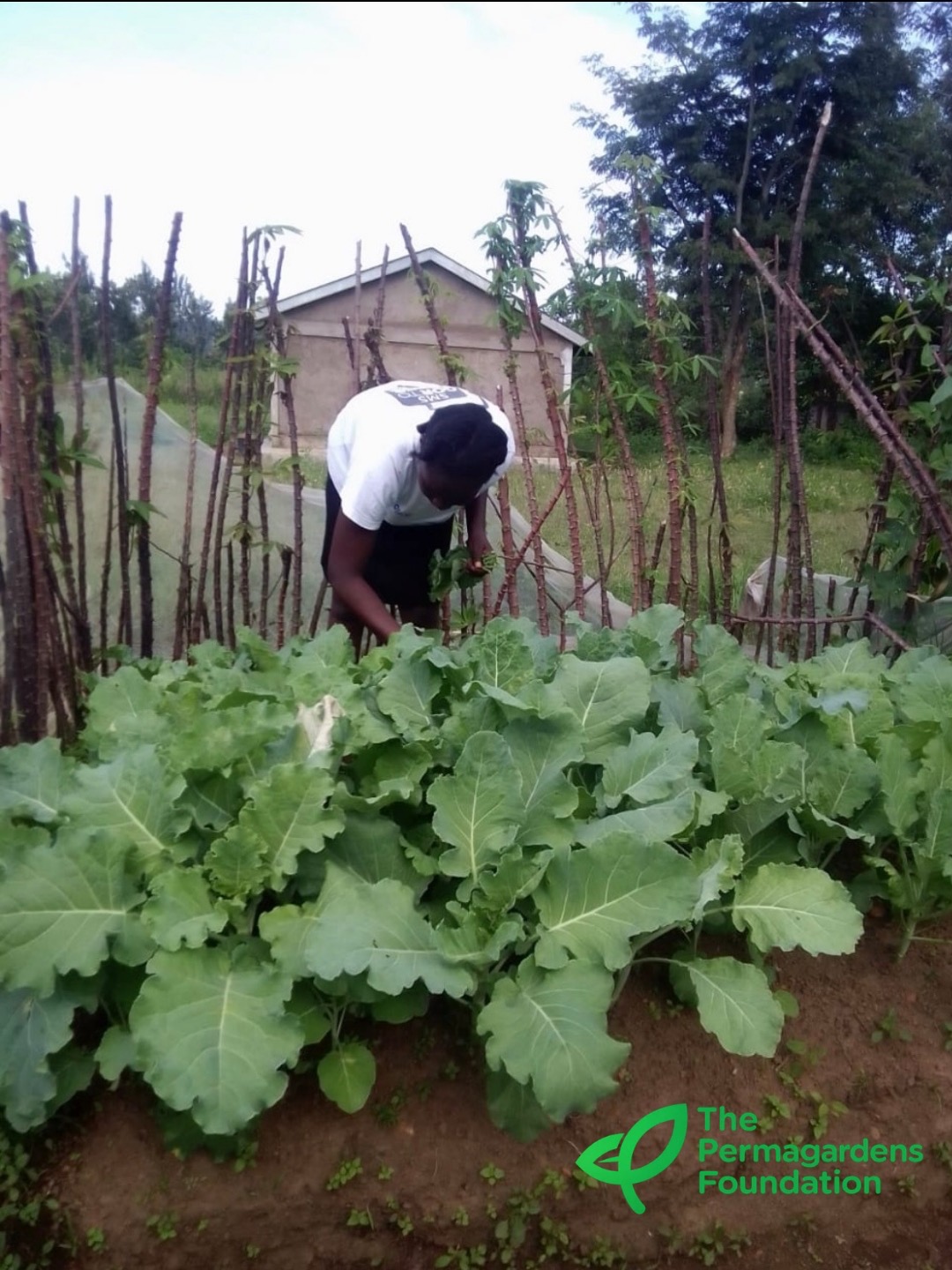
By Afia Agyapomaa Ofosu
For Mukeshimana Clarisse, fresh vegetables for the family meal are now only a few steps away.
Living in Murehe, in Rwanda’s Rwamagana District, Clarisse grows vegetables in a Permagarden established near her home. The garden has changed how she gets some of the food her family eats, reducing the need to travel to buy vegetables.
“The Permagarden has helped me have easy access to fresh vegetables close to my home instead of walking a long distance to get them,” she said.
Her experience is shared by households in communities in Rwanda, Kenya and Mali that are using small plots around their homes to produce vegetables and improve access to food.
The Permagardens Foundation trains households to establish gardens designed to remain productive over several growing seasons. The approach includes the use of compost or animal manure to improve soil fertility, natural pest-management methods and crop rotation.
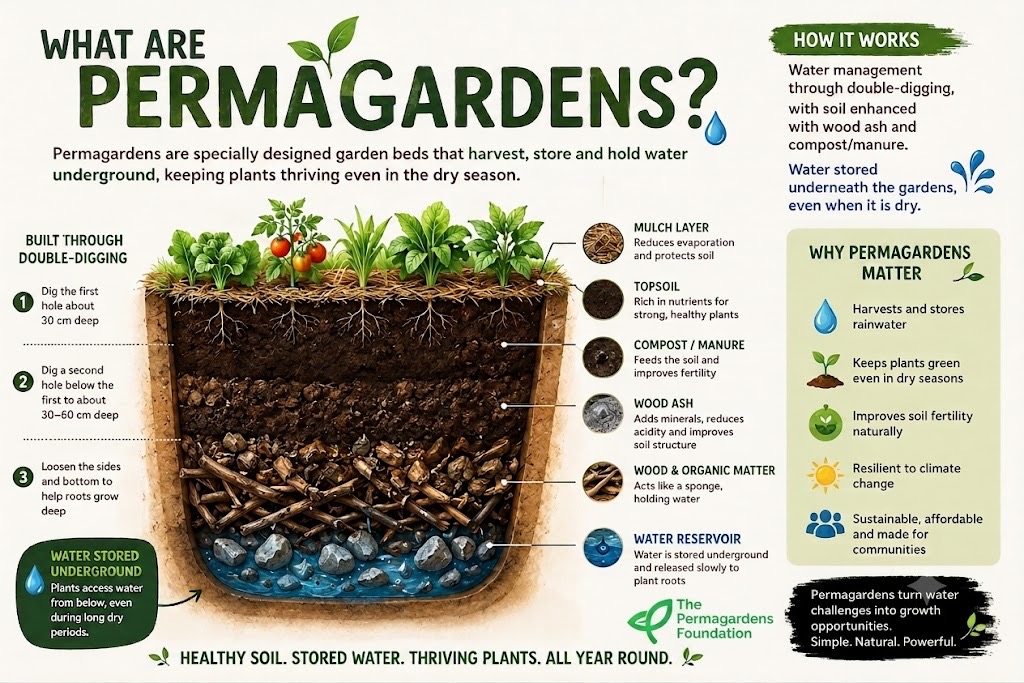
Unlike seasonal vegetable plots that may need to be rebuilt, the gardens are intended to remain in place and be maintained over time.
Clarisse said that durability has been one of the biggest differences from the gardens she used to cultivate.
“Other gardens I used to build would only last for a year or a few months, and then I had to make a new one. The Permagarden is a very permanent garden,” she said.
Her routine now involves cleaning the garden, tending the vegetables, replanting and moving crops between beds.
“I simply maintain it by cleaning it, tending the vegetables, and replanting them by rotating crops from one bed to another,” she said.
The Foundation’s post-gardening survey of 160 households across four communities in Kenya and Rwanda found that many participants felt confident about maintaining their gardens over the long term.
In Rwanda’s Southern Province, 90% of surveyed households said they were very confident they could maintain their Permagardens. The figure was 80% in Homabay County in Kenya, and 75% in both Gakenke District in Rwanda and Kwale County in Kenya.
Growing food through dry periods
For households that depend partly on what they grow themselves, periods of dry weather can make food production more difficult.
Permagarden participants in several communities say their gardens have helped them continue producing vegetables despite challenging local conditions.
In Zinzi Village in Kenya’s Kwale County, Fatuma Damawi, a mother of nine, including three children under five, grows tomatoes, bell peppers and collard greens in her garden.
The vegetables provide her family with food grown close to home using techniques she learned through Permagarden training.
In Mali, Om Bai Singh faced a different obstacle when he introduced the first Permagarden in his village in June 2025.
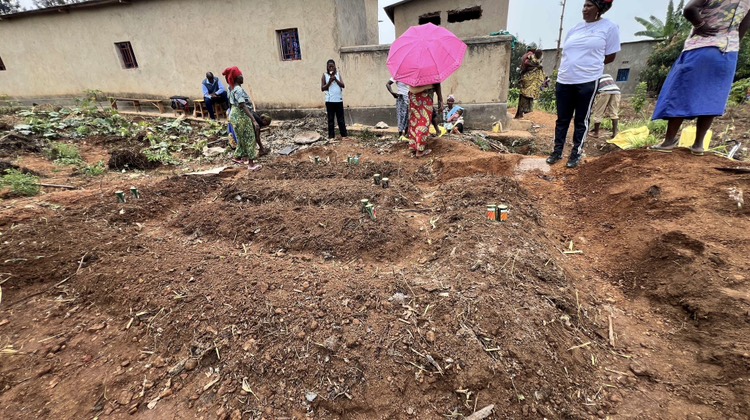
The area’s rocky terrain made some residents doubtful that vegetables could be grown successfully.
“When we set up the Permagarden, people wondered what it was and how it would work because our village has rocky terrain,” Singh said.
“But we put in the hard work, and the vegetables did grow.”
Singh said his family was able to harvest vegetables for about 10 months of the year, with the hottest months of May and June being the main exception. Producing some of their own food also reduced the family’s spending at local markets, he said.
The experience encouraged Singh to help other households establish their own gardens.
The Foundation’s survey showed that many participating households also reported being able to grow food during dry periods.
In Homabay, 98% of surveyed households said they were able to grow food during the dry season. The figure was 95% in Rwanda’s Southern Province and 86% in both Kwale Coastal and Gakenke.
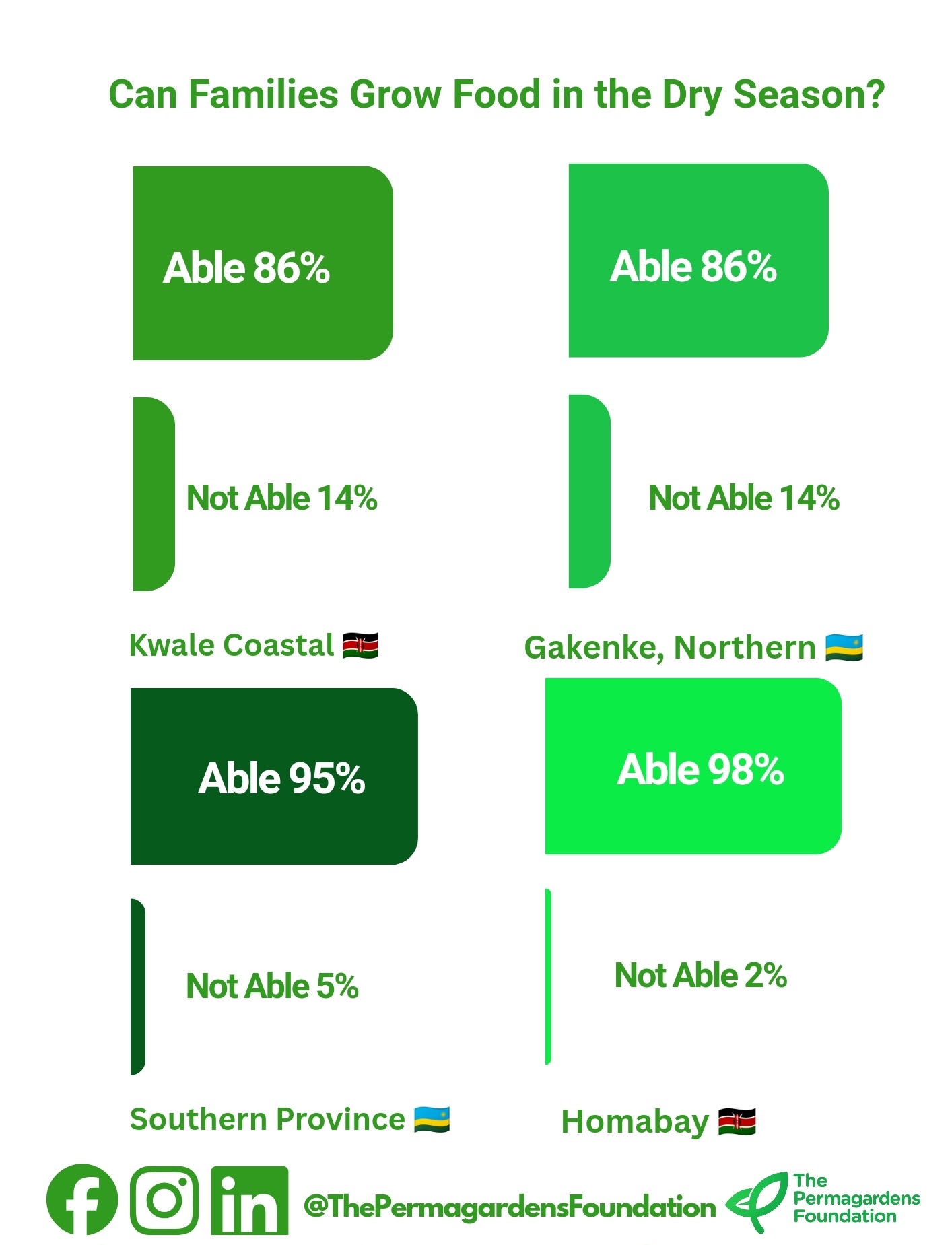
While the survey reflects the experiences of participating households rather than food-security conditions across the wider communities, the results point to the potential of household gardens to support food production during periods of limited rainfall.
Vegetables within reach
The most immediate change for many households can be seen at home, where vegetables can be harvested when needed rather than bought at the market.
In Rwanda’s Southern Province, 83% of surveyed households described fresh, nutritious vegetables as highly available. The figure was 76% in Kwale Coastal and 75% in Homabay.
In Gakenke, 50% of households said vegetables were highly available, while another 49% said they were available. Only 1% reported that vegetables were unavailable.
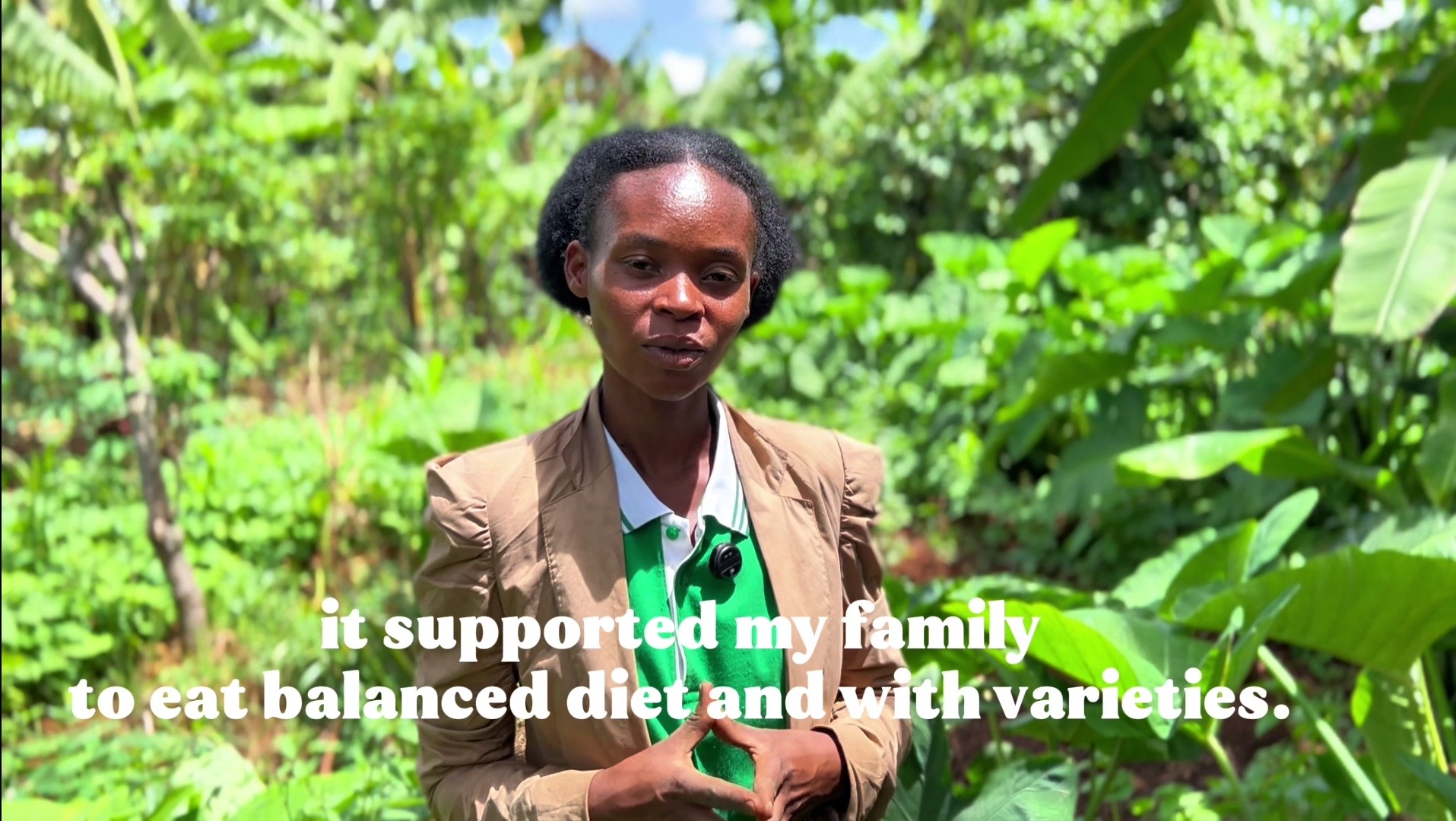
The Foundation also found that between 93% and 95% of participating households said they were no longer worried about having enough food, while between 5% and 7% continued to have concerns.
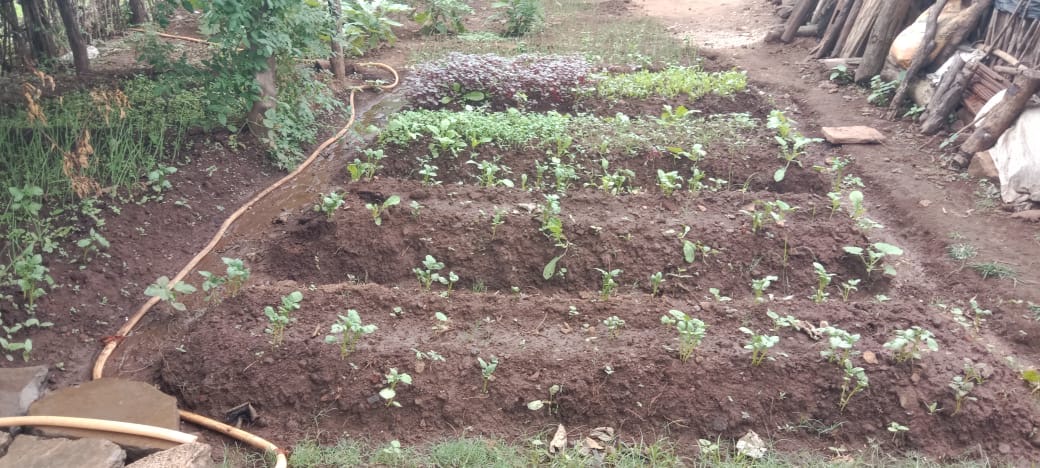
For households with limited income, producing even part of their vegetable needs at home can reduce the amount of money spent on food and shorten the distance between the farm and the family table.
More than a vegetable garden
The reported benefits do not end with the harvest.
Peter Otiende, director of global initiatives and lead researcher at The Permagardens Foundation, said some families had used money saved through home food production for other household needs.
He said women in some communities had joined table-banking groups, while some families had used savings to buy shoes for their children or livestock that could provide another source of income.
Such changes, Otiende said, could also contribute to greater economic independence for women by giving them more control over food production and household spending.
“Our analysis confirms our initial statement that Permagardens are able to produce between 40 and 50 percent of the food used at home for an average family,” he said.
The Permagarden model is being introduced in communities in Kenya, Rwanda, Mali and elsewhere as households look for practical ways to grow food on small areas of land.
Its approach is relatively simple: improve the soil, make efficient use of available space, maintain the garden and keep crops in production through successive growing seasons.
For Clarisse, the result is something she can see every day without leaving home.
A short walk from her kitchen now takes her to a source of vegetables for her family, turning a small piece of land into part of the household food supply.
The writer is a science journalist.
Email: prissyof@yahoo.com



Related Articles
Three Miners Missing After Flooding at Kayonza Mine in Rwanda
Three miners were missing this Sunday after water flooded an underground mine...
Uwimanimpaye Cyiza Marie ClemenceOctober 11, 2026 
Permagardens offer a new start for drought-hit families in coastal Kenya
By Afia Agyapomaa Ofosu MBUGUNI, Kenya – For families in Mbuguni, a...
Uwimanimpaye Cyiza Marie ClemenceOctober 8, 2026 
Rwanda and Senegal deepen economic ties, with agriculture and standards in focus
KIGALI, Oct. 8, 2026 – Rwanda and Senegal have signed 11 agreements...
Uwimanimpaye Cyiza Marie ClemenceOctober 8, 2026 

Proposed Climate Insurance Could Cushion Rwanda’s Mine Workers Against Rainy-Season Income Losses
A proposed climate insurance scheme could help protect mine and quarry workers...
Uwimanimpaye Cyiza Marie ClemenceSeptember 30, 2026
Leave a comment