



Rwanda adopts new operational framework to accelerate circular economy implementation
 Uwimanimpaye Cyiza Marie ClemenceJune 27, 20263 Mins read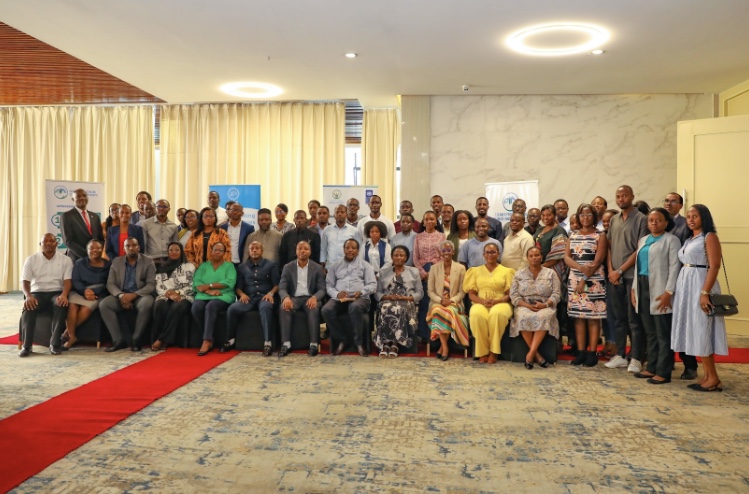
Rwanda has adopted a new operational framework aimed at accelerating implementation of its national circular economy agenda, bringing together government institutions, businesses, development partners, researchers and civil society to strengthen coordination and unlock green investment opportunities.
The framework was validated during the National Circular Economy Forum held on Thursday, June 25, and organised by the National Industrial Research and Development Agency (NIRDA) through the Cleaner Production and Climate Innovation Centre (CPCIC). It establishes structured multi-stakeholder engagement platforms designed to improve collaboration across priority sectors and drive implementation of the National Circular Economy Action Plan and Roadmap launched in 2022.
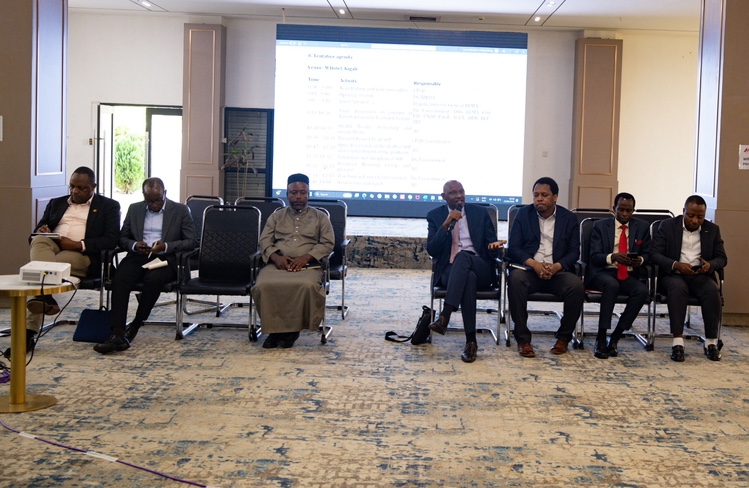
Officials described the move as a significant transition from policy formulation to practical implementation, positioning the circular economy as a key pillar of Rwanda’s sustainable development agenda.
“The circular economy is no longer a narrative or a mental agenda. This is now becoming a development strategy of our country,” NIRDA Director General Dr. Christian Sekomo Birame said in his opening remarks.
He said delivering on Rwanda’s ambitions would require coordinated action from government institutions, the private sector, academia, development partners and local communities.
Rwanda Environment Management Authority (REMA) Deputy Director General Faustin Munyazikwiye said the circular economy had become central to Rwanda’s strategy for achieving sustainable economic growth while responding to climate change.
“The Government of Rwanda recognises the circular economy as a pathway towards resource efficiency, climate resilience, industrial competitiveness and job creation,” he said.
Munyazikwiye noted that climate change continues to impose significant economic costs on the country, with estimates indicating Rwanda loses between five and seven percent of its Gross Domestic Product annually due to climate-related impacts.
“We need to shift from business as usual,” he said. “The National Circular Economy Forum was conceived precisely to bring stakeholders together to find solutions, minimise waste, improve efficiency and unlock opportunities.”
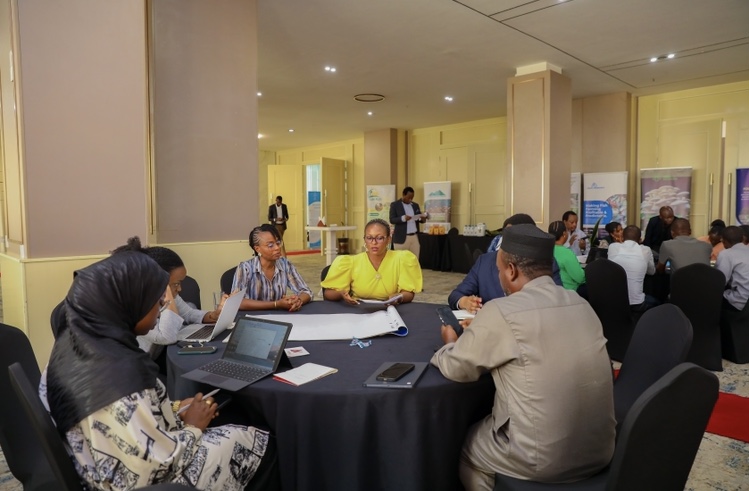
The newly adopted Standard Operating Procedures establish thematic platforms under the National Circular Economy Forum, bringing together policymakers, regulators, private-sector actors, financial institutions, researchers, development partners, civil society organisations and faith-based organisations.
Under the framework, the platforms will meet regularly to identify policy gaps, generate evidence-based recommendations, mobilise investment and monitor implementation of Rwanda’s Circular Economy Roadmap. The framework aligns with Vision 2050, Rwanda’s Nationally Determined Contributions (NDCs), the African Circular Economy Alliance and the United Nations Sustainable Development Goals.
Throughout the forum, participants emphasised that stronger partnerships would be essential to help businesses adopt circular production models while overcoming barriers such as limited access to finance, technical capacity and markets.
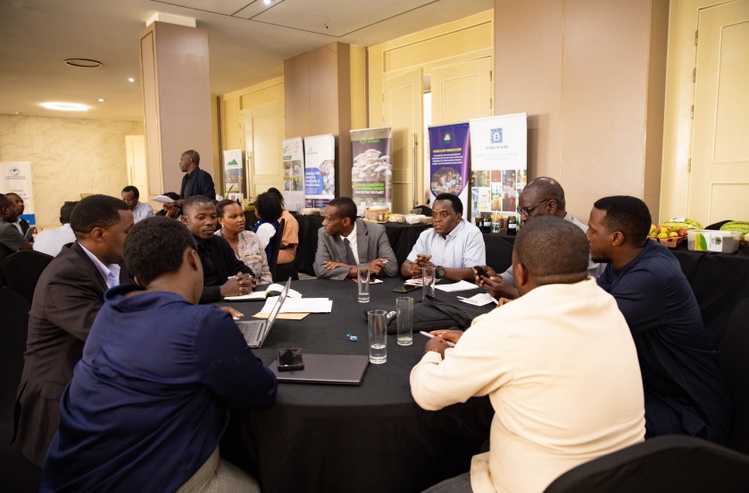
Speaking on behalf of the World Resources Institute (WRI), Rwanda Country Director Eric Ruzigamanzi said collaboration among government, businesses, researchers and development partners would be critical in translating the roadmap into tangible results.
“The circular economy presents Rwanda with an opportunity to build a more resilient, competitive and inclusive economy. Since 2022, WRI has been proud to support this journey by working with partners to strengthen circular food systems through regenerative agriculture, reducing food loss and waste, and promoting innovations that transform organic waste into valuable products such as compost, animal feed and renewable energy,” Ruzigamanzi said.
“Today’s validation of this operational framework is an important milestone because implementation requires strong coordination. These multi-stakeholder platforms will help identify policy gaps, improve access to finance, strengthen collaboration between businesses and regulators, and accelerate investments that create jobs while protecting natural resources.”
Ruzigamanzi added that Rwanda’s experience demonstrates that building a circular economy is not solely an environmental agenda but also an economic opportunity capable of delivering sustainable growth and improving livelihoods.
The Rwanda Green Fund (FONERWA) highlighted financing opportunities available through its Ireme Invest programme, noting that it has supported 14 private-sector companies operating in the circular economy over the past two years through concessional financing, grants and equity investments aimed at helping young enterprises scale commercially.
Private-sector participants showcased practical examples of circular business models already generating economic and environmental benefits, including enterprises converting coffee husks into fuel briquettes and agricultural waste into organic compost that improves soil fertility and coffee productivity.
Representatives from academia and faith-based organisations also committed to supporting public awareness campaigns aimed at changing attitudes towards waste management and resource efficiency.
The University of Rwanda said its Master’s programme in Circular Economy, introduced following the launch of the national roadmap in 2022, is expected to graduate its first cohort this year, helping build the technical expertise required to support the country’s transition.
Closing the forum, organisers said the validated operational framework provides the institutional foundation needed to move decisively from planning to implementation.
“The success of this framework will depend on partnership, innovation and sustained commitment,” organisers said, calling on all stakeholders to work together to accelerate Rwanda’s transition to a circular economy.




Related Articles
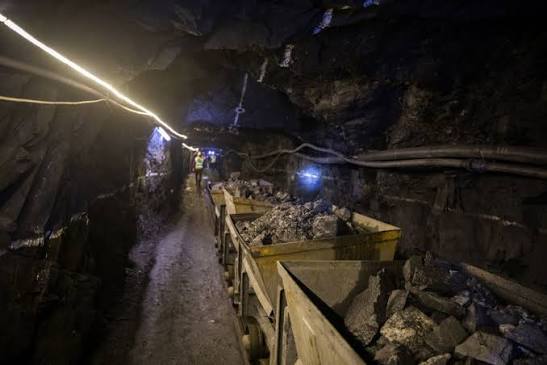
Three Miners Missing After Flooding at Kayonza Mine in Rwanda
Three miners were missing this Sunday after water flooded an underground mine...
Uwimanimpaye Cyiza Marie ClemenceOctober 11, 2026 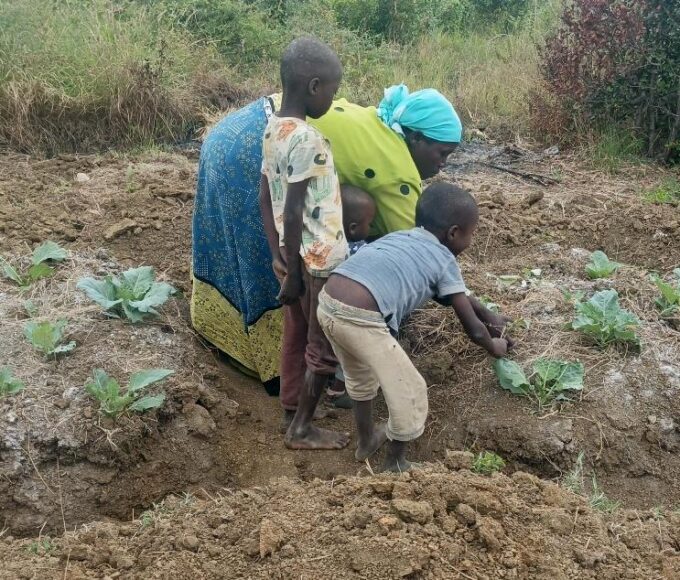
Permagardens offer a new start for drought-hit families in coastal Kenya
By Afia Agyapomaa Ofosu MBUGUNI, Kenya – For families in Mbuguni, a...
Uwimanimpaye Cyiza Marie ClemenceOctober 8, 2026 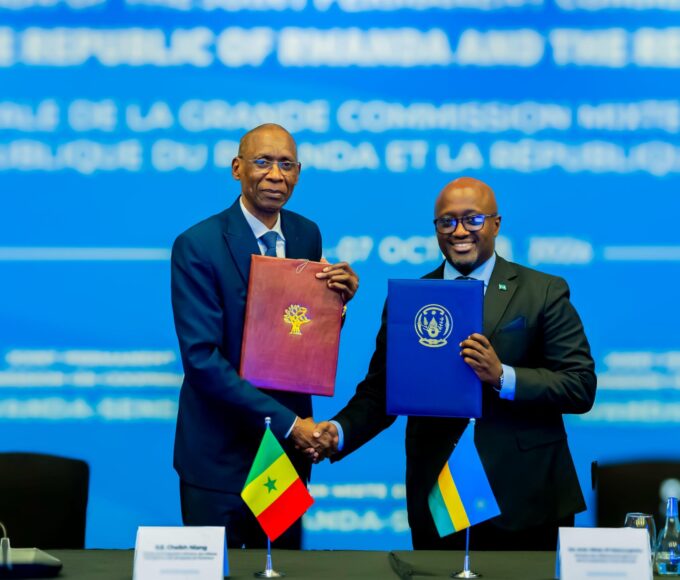
Rwanda and Senegal deepen economic ties, with agriculture and standards in focus
KIGALI, Oct. 8, 2026 – Rwanda and Senegal have signed 11 agreements...
Uwimanimpaye Cyiza Marie ClemenceOctober 8, 2026 

Proposed Climate Insurance Could Cushion Rwanda’s Mine Workers Against Rainy-Season Income Losses
A proposed climate insurance scheme could help protect mine and quarry workers...
Uwimanimpaye Cyiza Marie ClemenceSeptember 30, 2026
Leave a comment