




Africa Moves From Carbon Market Readiness to Delivery as CMAS 2026 Heads to Rwanda
 Uwimanimpaye Cyiza Marie ClemenceMay 19, 20263 Mins read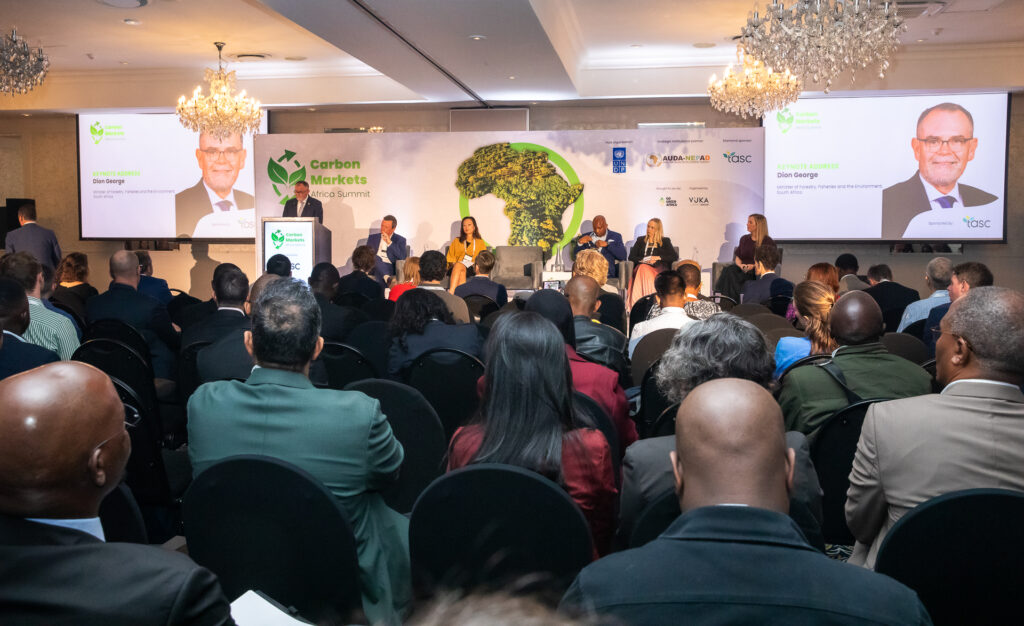
Africa’s carbon market ambitions are entering a new phase; one defined less by preparation and more by implementation, investment, and execution. Against a backdrop of growing global demand for credible carbon credits and increasing momentum around Article 6 of the Paris Agreement, Rwanda is preparing to host one of the continent’s most significant climate finance gatherings yet.
The Carbon Markets Africa Summit (CMAS) 2026 will take place in Kigali from 13–15 October 2026, bringing together policymakers, investors, project developers, buyers, and market enablers at a pivotal moment for the global carbon economy.
Organisers say the summit reflects a broader shift underway across Africa, where governments and institutions are increasingly positioning carbon markets not simply as environmental instruments, but as vehicles for economic development, investment mobilisation, and long-term resilience.
Held under the theme “Africa’s Carbon Markets on the Global Stage: Delivering a Strong Pipeline of Projects, Capital and Transactions at Scale,” the summit aims to move discussions beyond policy frameworks toward tangible market activity and financing outcomes.
The event is supported by Rwanda’s Ministry of Environment in partnership with the United Nations Development Programme (UNDP), the African Development Bank (AfDB), the Development Bank of Southern Africa (DBSA), and AUDA-NEPAD, alongside private sector partners including SGS and Anthesis.
Rwanda’s selection as host reflects the country’s growing reputation as one of Africa’s most advanced carbon market jurisdictions. The country has been actively engaging with Article 6 mechanisms under the Paris Agreement while pursuing strategies to attract climate finance and scale credible carbon projects.
“Rwanda has made a deliberate choice to position carbon markets as a tool for climate action, investment mobilisation and long-term development,” said Dr. Bernadette Arakwiye, Rwanda’s Minister of Environment. “Hosting CMAS 2026 reflects our commitment to building credible and investable carbon projects that deliver real value for our economy, communities and climate goals.”
For many African countries, carbon markets are increasingly being viewed as a strategic financing mechanism capable of unlocking capital for sustainable development while supporting national climate commitments.
Olufunso Somorin, Regional Principal Officer for Climate Change and Green Growth at the African Development Bank, said the summit comes at a critical time for the continent.
“The Summit provides a timely platform for African countries to shape the future of carbon markets in line with the continent’s development priorities,” Somorin said. “There is growing momentum to build credible, high-integrity markets that deliver real value.”
The Development Bank of Southern Africa also highlighted the growing importance of private capital in enabling Africa’s climate transition.
“As Africa transitions to a low-carbon economy, the mobilisation of private capital is needed at scale to support climate mitigation activities and build climate-resilient infrastructure,” said Kumesh Naidoo, Carbon Markets Lead at the DBSA.
Naidoo noted that the DBSA has expanded its support for carbon market development through financial instruments, project pipeline development, and technical capacity-building initiatives.
At the same time, international institutions continue to emphasise the importance of integrity and transparency within emerging carbon markets. Increased scrutiny from global buyers and regulators has intensified pressure on project developers and governments to ensure environmental credibility while also delivering measurable social and economic benefits.
Maxwell Gomera, UNDP Resident Representative in South Africa and Director of the Africa Sustainable Finance Hub, said Africa’s natural capital presents a unique opportunity to drive both sustainability and economic sovereignty.
“High-quality carbon markets offer Africa a unique opportunity to translate its vast natural capital into tangible economic value — mobilising finance at scale while empowering countries to pursue development pathways that are both sustainable and sovereign,” he said.
Unlike many climate-focused conferences that remain largely policy-oriented, CMAS 2026 is positioning itself as a market-enabling platform focused on facilitating actual transactions and investment partnerships.
According to organisers, the programme will include Article 6 and CORSIA workshops, investor and buyer roundtables, curated project showcases, deal rooms, and solution-focused sessions addressing common bottlenecks such as early-stage project finance, monitoring and verification capacity, and practical implementation challenges around authorisation processes.
“We are deliberately shifting the focus from readiness to delivery,” said Emmanuelle Nicholls, Group Director: Green Economy at VUKA Group, the summit organisers. “CMAS brings policy, capital and projects into the same space to support real transactions and long-term market credibility.”
As global carbon markets continue evolving from voluntary commitments toward increasingly compliance-driven demand, Africa’s ability to supply high-integrity carbon projects at scale is expected to play an increasingly influential role in shaping the future of climate finance.
With Kigali preparing to host the summit in October, CMAS 2026 may prove to be more than just another industry gathering. It could become a defining moment in Africa’s transition from carbon market potential to carbon market delivery.




Related Articles

Rwanda seeks to keep mercury out of gold mining as illegal operations pose monitoring challenge
Rwanda has made significant progress in keeping mercury out of artisanal and...
Uwimanimpaye Cyiza Marie ClemenceSeptember 10, 2026 
From food waste to business: Rwanda’s CIRF project looks beyond five years
Rwanda is seeking to build on lessons from a five-year programme that...
Uwimanimpaye Cyiza Marie ClemenceSeptember 6, 2026 
Kwita Izina puts Rwanda’s conservation model under the environmental spotlight
The naming of 22 baby mountain gorillas in Rwanda this week was...
Uwimanimpaye Cyiza Marie ClemenceSeptember 6, 2026 

Rwanda energy conference to seek investment, regional partnerships as Africa transition accelerates
Rwanda will host the sixth Renewable Energy for Sustainable Growth (RE4SG) Conference...
Uwimanimpaye Cyiza Marie ClemenceSeptember 6, 2026
Leave a comment