




3.5 Million Investment Announced to Advance Precision Medicine in Africa at World Health Summit Regional Meeting in Nairobi
 Uwimanimpaye Cyiza Marie ClemenceMay 19, 20263 Mins read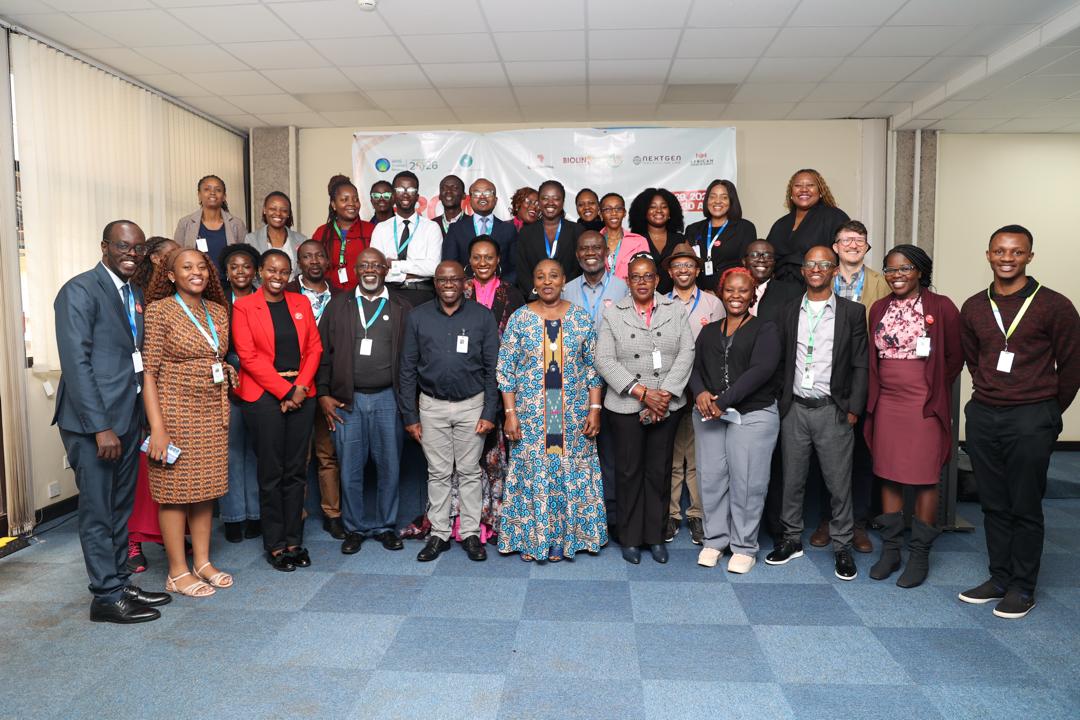
A major South-South partnership aimed at accelerating genomics and precision medicine in Africa was officially unveiled on May 18, 2026, during the World Health Summit Regional Meeting in Nairobi, Kenya.
The initiative, led by Biolinx Africa, YTO Foundation, and Nextgen Molecular Lab, is backed by a local investment of $3.5 million and the acquisition of an advanced NovaSeq X Plus sequencing platform. The partners say the collaboration will significantly expand Africa-led genomic research and bring precision medicine closer to African populations, beginning with Kenya and Côte d’Ivoire.
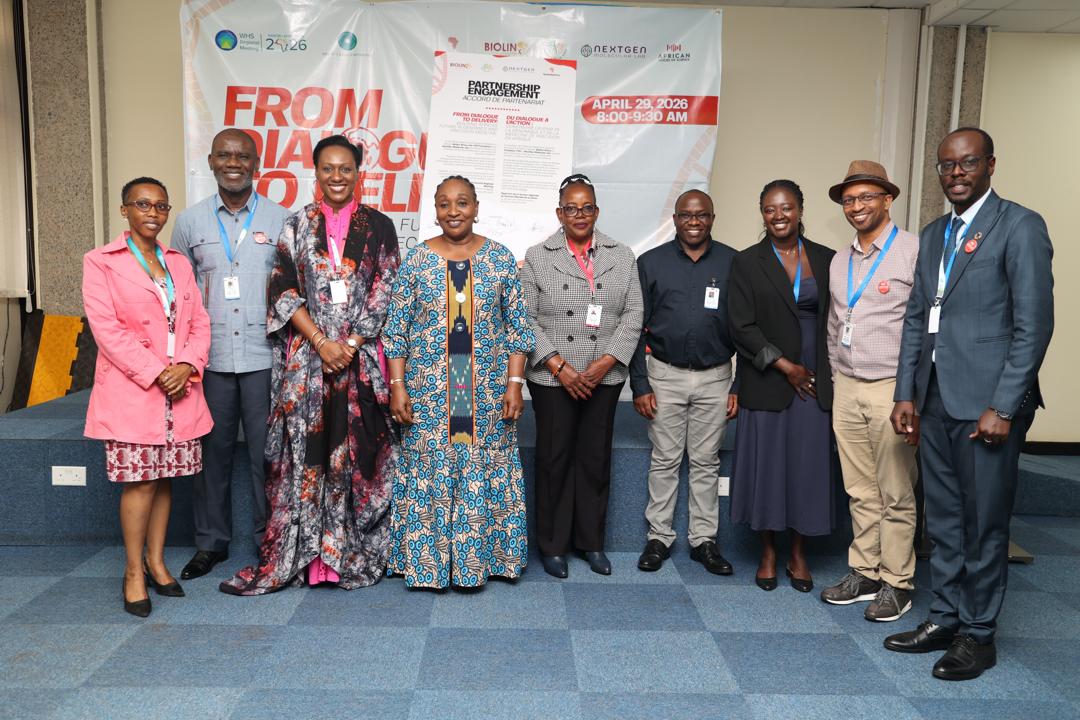
The announcement was made during a closed high-level roundtable titled “From Dialogue to Implementation: Building Africa’s Future in Genomics and Precision Medicine.” Held on the sidelines of the World Health Summit Regional Meeting 2026, the session convened genomic researchers, government regulators, development finance partners, investors, and global health organizations to address barriers to sustainable genomic infrastructure across the continent.
Building Genomic Capacity in Africa
The first phase of the partnership will focus on strengthening sequencing capacity, supporting African-led genomic data production and analysis, and establishing a 24-month implementation roadmap anchored in Kenya and Côte d’Ivoire.
At the heart of the initiative is the NovaSeq X Plus platform, described by Illumina as a high-throughput sequencing system designed for intensive genomic applications. The technology is expected to play a central role in scaling genomic infrastructure and enabling broader access to precision medicine tools in Africa.
Africa is home to the world’s greatest human genetic diversity, yet African populations remain significantly underrepresented in global genomic studies and reference databases. Experts warn that this gap contributes to real clinical consequences, including misdiagnoses, inaccurate interpretation of test results, and less effective treatments for African patients.
At the same time, genomics and precision medicine are gaining momentum in African health policy discussions. AUDA-NEPAD has identified genomics as a scientific priority for the continent, while Africa CDC reports that six African countries have already launched national genomics strategies, with eleven others preparing to do so. In February 2026, the World Health Organization Executive Board adopted a resolution on precision medicine calling for increased investment in genomics, pharmacogenomics, laboratory infrastructure, genomic databases, and bioinformatics.
“From Conversation to Operational Capacity”
Dr. Robert Karanja described the partnership as a shift from discussion to implementation.
“Genomics in Africa must move from conversation to operational capacity. This partnership is about aligning infrastructure, investment, and African scientific leadership behind a concrete implementation agenda,” he said.
Professor David Téa Okou emphasized the importance of generating data that better reflects African populations.
“African populations remain underrepresented in the genomic landscape that increasingly shapes priorities in prevention, diagnosis, treatment, and research,” he noted. “This partnership aims to strengthen local capacity and generate more relevant data for African patients, ultimately improving patient care. Better data, better care.”
For Dr. George Michuki, the collaboration could also help transform cancer treatment and drug response management across the continent.
“We are seeing how pharmacogenomics can help explain differences in treatment response and support more personalized oncology care,” he said. “The next step is to bring these tools closer to routine clinical decision-making and gradually integrate them into treatment protocols and coverage discussions.”
African Scientific Networks Driving Collaboration
The partnership also highlights the growing influence of African scientific networks in fostering cross-border collaboration.
Dr. Karanja and Prof. Téa Okou are both members of African Voices of Science (AVoS), an initiative launched in 2020 by Speak Up Africa to amplify African researchers and health experts while promoting African-led health solutions and investments.
According to the partners, the two leaders first connected through the AVoS network, making this collaboration a direct result of the initiative’s efforts to strengthen scientific cooperation across the continent.
Fara Fara Ndiaye stressed the importance of ensuring that Africa’s health systems are built on data that truly represents its populations.
“Africa cannot build equitable health systems using data that does not represent its people,” she said. “African Voices of Science exists to connect scientists, build partnerships, and create the conditions for African-led solutions to emerge. This partnership demonstrates what becomes possible when African experts are given the space to lead.”
The partners describe the initiative as a long-term platform for collaboration in genomics and precision medicine, with Kenya and Côte d’Ivoire serving as initial anchor countries and plans for broader continental expansion as infrastructure and partnerships continue to grow.



Related Articles

Rwanda seeks to keep mercury out of gold mining as illegal operations pose monitoring challenge
Rwanda has made significant progress in keeping mercury out of artisanal and...
Uwimanimpaye Cyiza Marie ClemenceSeptember 10, 2026 
From food waste to business: Rwanda’s CIRF project looks beyond five years
Rwanda is seeking to build on lessons from a five-year programme that...
Uwimanimpaye Cyiza Marie ClemenceSeptember 6, 2026 
Kwita Izina puts Rwanda’s conservation model under the environmental spotlight
The naming of 22 baby mountain gorillas in Rwanda this week was...
Uwimanimpaye Cyiza Marie ClemenceSeptember 6, 2026 

Rwanda energy conference to seek investment, regional partnerships as Africa transition accelerates
Rwanda will host the sixth Renewable Energy for Sustainable Growth (RE4SG) Conference...
Uwimanimpaye Cyiza Marie ClemenceSeptember 6, 2026
Leave a comment