


Monitoring the Pulse of the Planet: Inside the GAW Symposium 2026 in Geneva
 Uwimanimpaye Cyiza Marie ClemenceApril 16, 20263 Mins read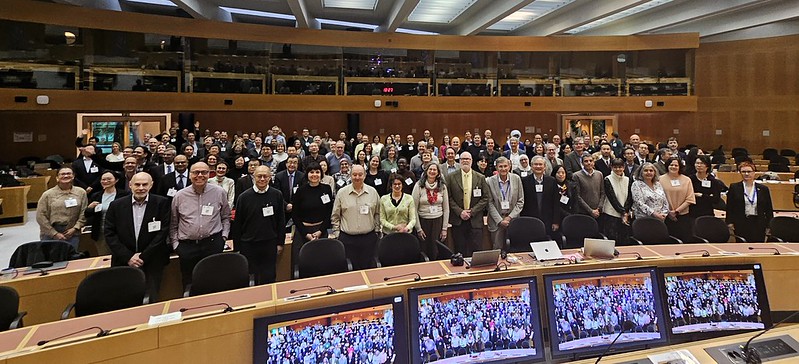
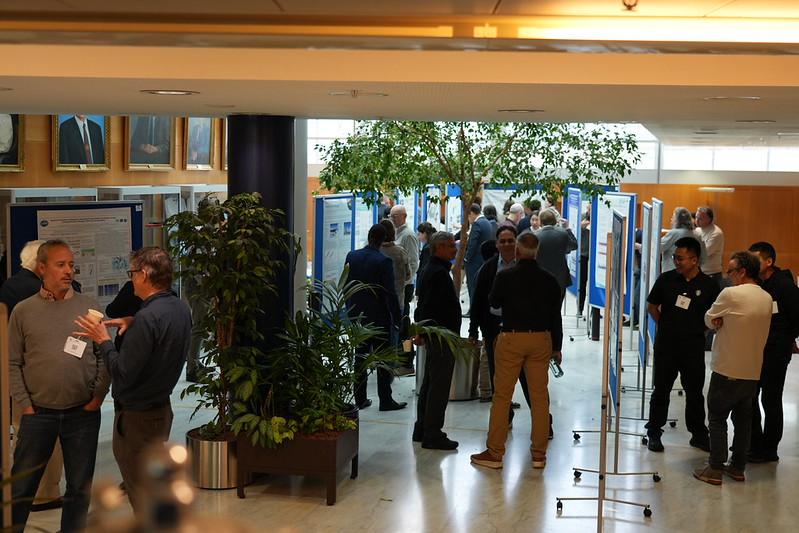
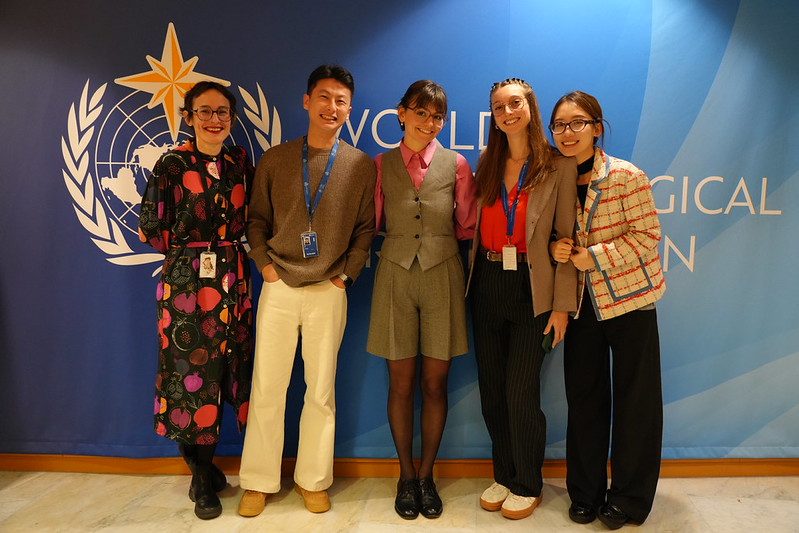
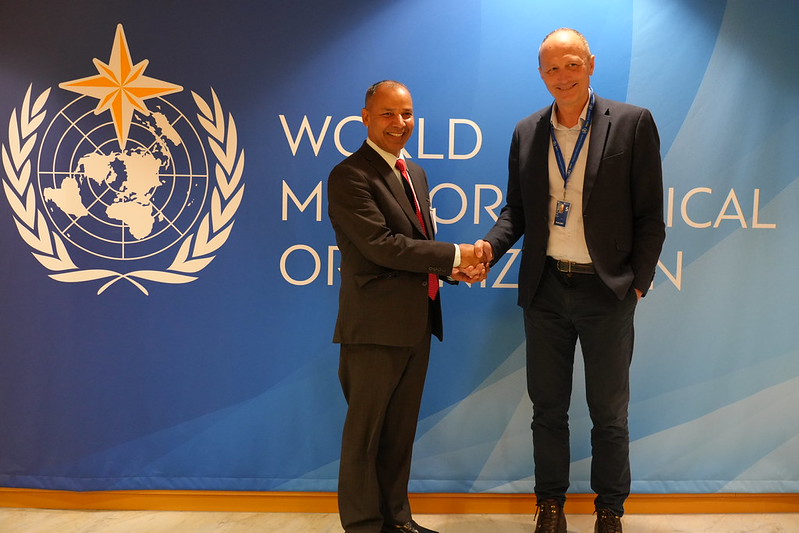
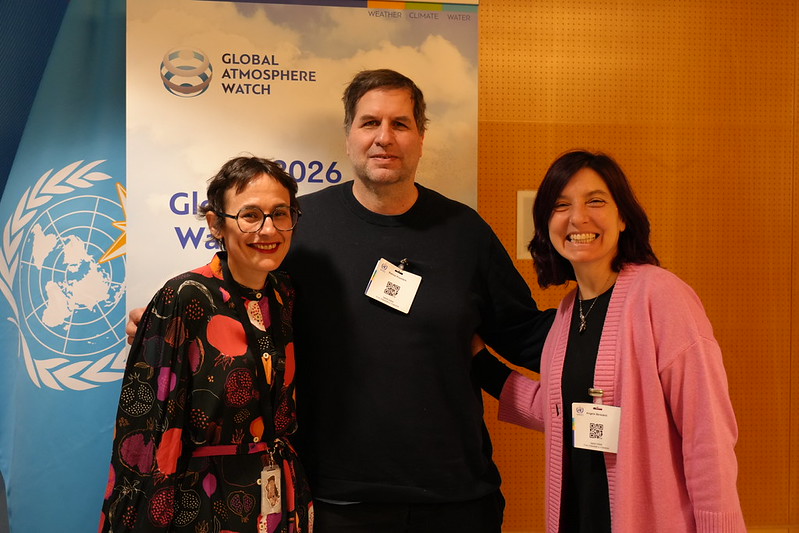
This week in Geneva, the World Meteorological Organization is hosting the Global Atmosphere Watch (GAW) Symposium 2026; bringing together scientists, experts, and institutions from across the globe.
Taking place from 13 to 17 April 2026, the symposium has gathered nearly 300 participants from more than 70 countries, both in person and online. It marks the first in-person GAW Symposium in almost a decade and serves as a key moment to reflect, connect, and look ahead.
Understanding What’s in the Air and Why It Matters
At the heart of the WMO Global Atmosphere Watch (GAW) programme is a simple but critical mission: to understand the composition of the atmosphere and how it is changing.
Through a global network of observation stations from polar regions to mountain peaks and remote islands; scientists continuously monitor greenhouse gases, aerosols, and ozone. This data helps us better understand climate change, air quality, and their impacts on ecosystems and human life.
But the challenge goes beyond observation; it’s about making that knowledge useful.
From Science to Action
A key message emerging from the symposium is clear: scientific knowledge must translate into practical solutions.
Across sessions, experts are discussing how atmospheric science can support:
• early warning systems for hazards like wildfires and dust storms
• improved air quality forecasting
• climate mitigation and adaptation strategies
• protection of agriculture, biodiversity, and public health
The focus is not only on understanding the atmosphere, but on using that understanding to inform decisions and protect communities.
A Week of Dialogue and Collaboration
Each day of the symposium brings a different perspective:
• Day 1 explored core science topics, including atmospheric processes, pollution, and regional challenges such as those in Africa.
• Day 2 focused on strengthening regional coordination and future directions, including carbon cycle research and AI applications.
• Day 3 moved into hands-on working sessions, where experts collaborated on concrete topics like data systems, air quality, and capacity building.
• Day 4 highlighted partnerships and funding connecting science with policy, business, and communication strategies.
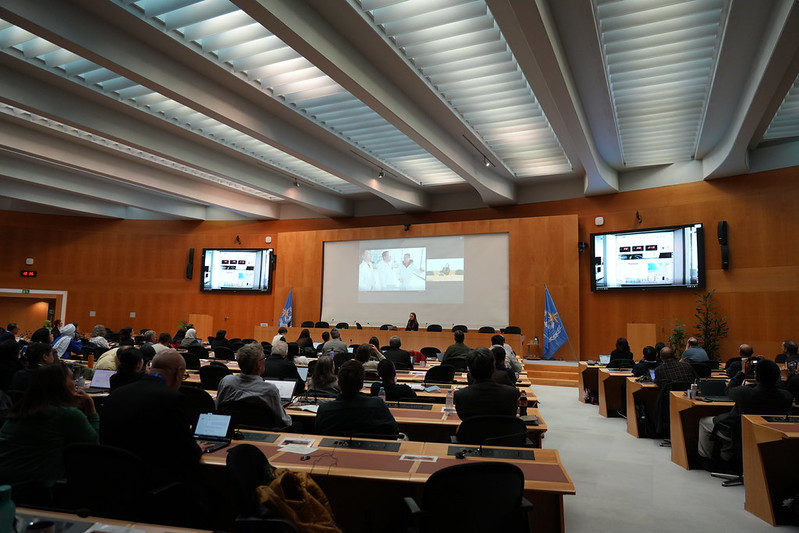
Looking Ahead: From Discussion to Direction
As the symposium moves into its final day, the focus shifts toward the future.
Day 5 will bring everything together, with key discussions feeding directly into the next Global Atmosphere Watch Implementation Plan. Sessions will highlight priorities such as capacity building, data management, greenhouse gases, air quality, and urban pollution before turning to next steps for the 2028–2031 roadmap.
The closing discussions will also address the future of science and innovation within WMO, marking an important transition from dialogue to long-term action.
Being There: A Personal Glimpse
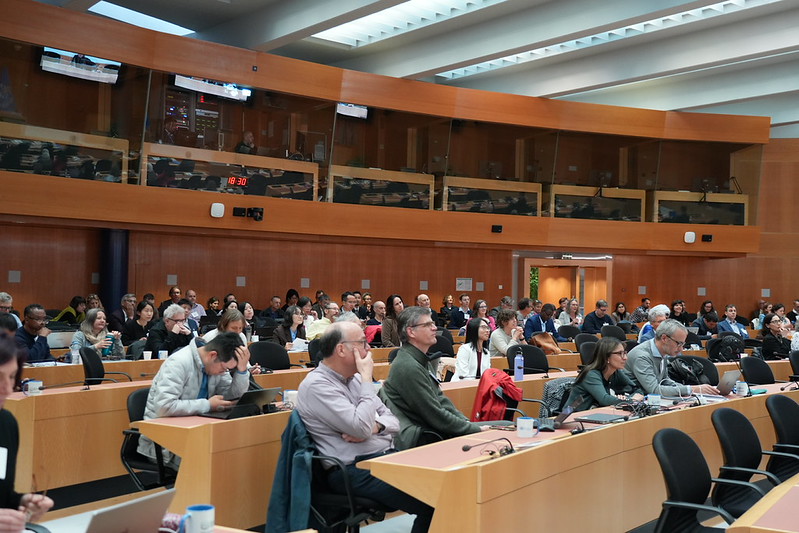
Experiencing the symposium firsthand, what stands out most is the sense of collaboration.
The event is dynamic, well organized, and genuinely engaging. Across sessions, scientists are unpacking how atmospheric changes affect nearly every aspect of our lives from health and agriculture to biodiversity and climate systems.
Experts from major institutions including national meteorological services, international organizations, and research centers are not only presenting their work, but also exchanging ideas and building connections.
It feels less like a traditional conference and more like a space where global cooperation is actively taking shape.
Final Thought
One thing becomes evident from this week in Geneva:
Understanding the atmosphere is essential, but turning that understanding into action is what truly matters.
And here, at the GAW Symposium 2026, that transformation is already underway.
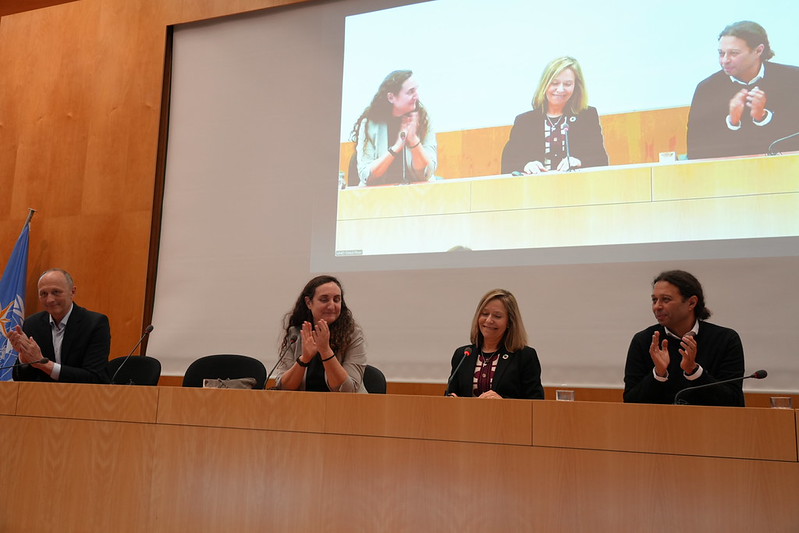
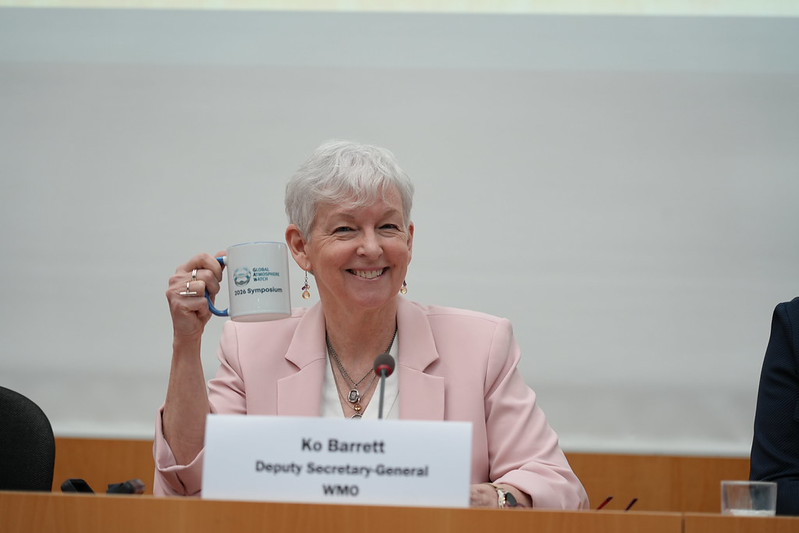
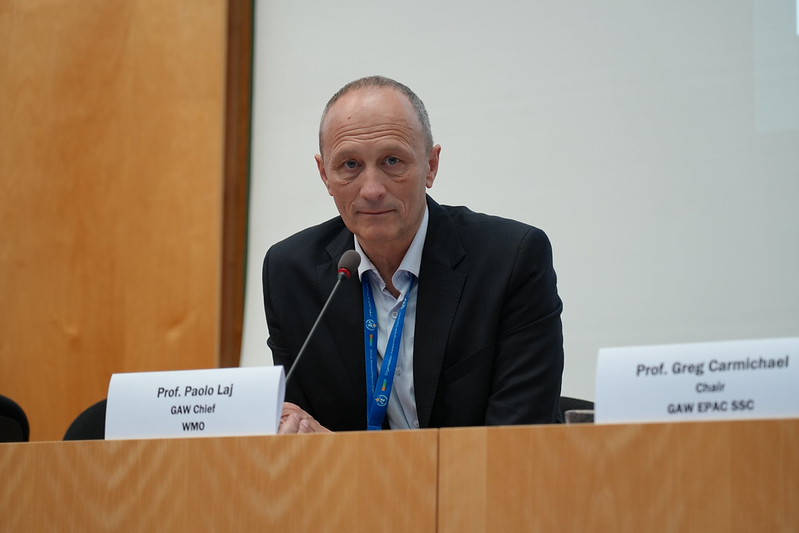
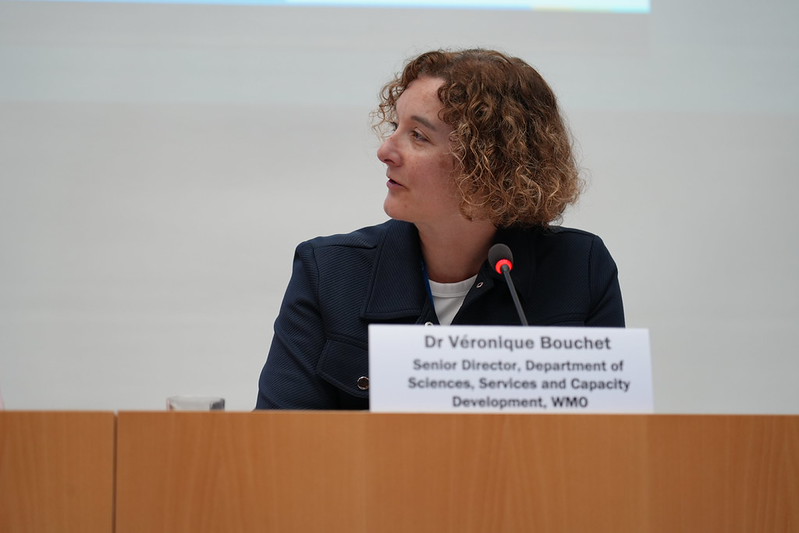
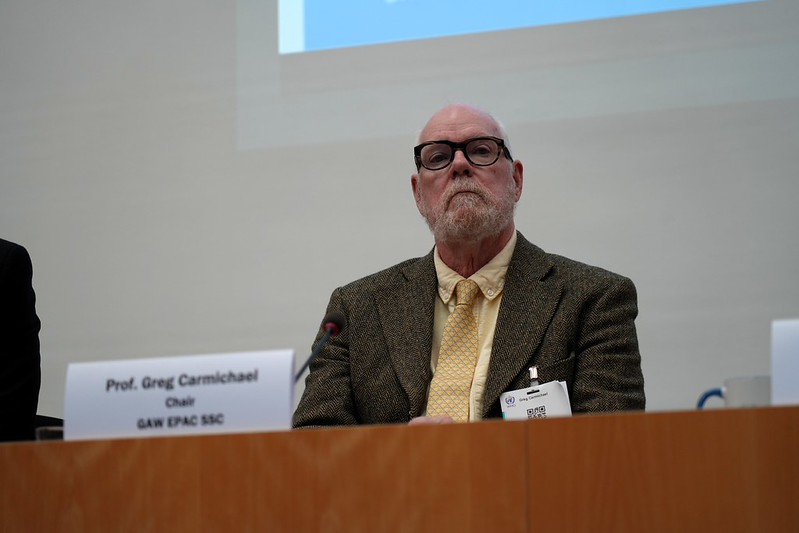
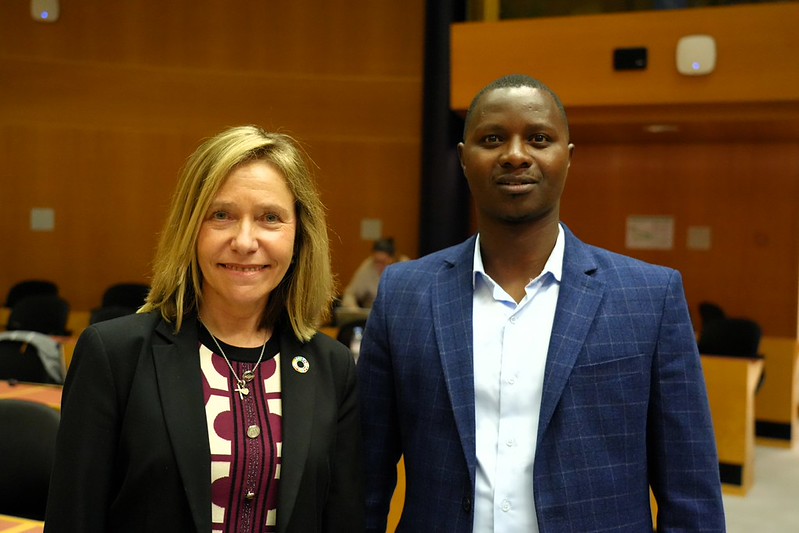
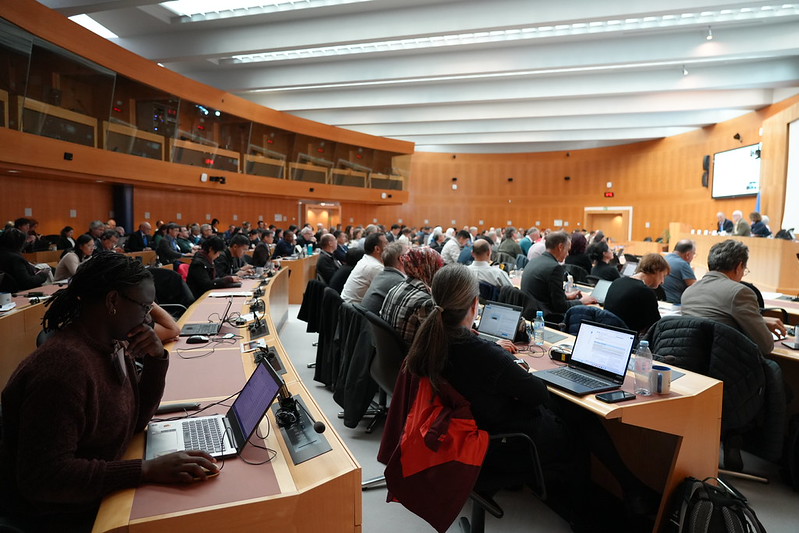
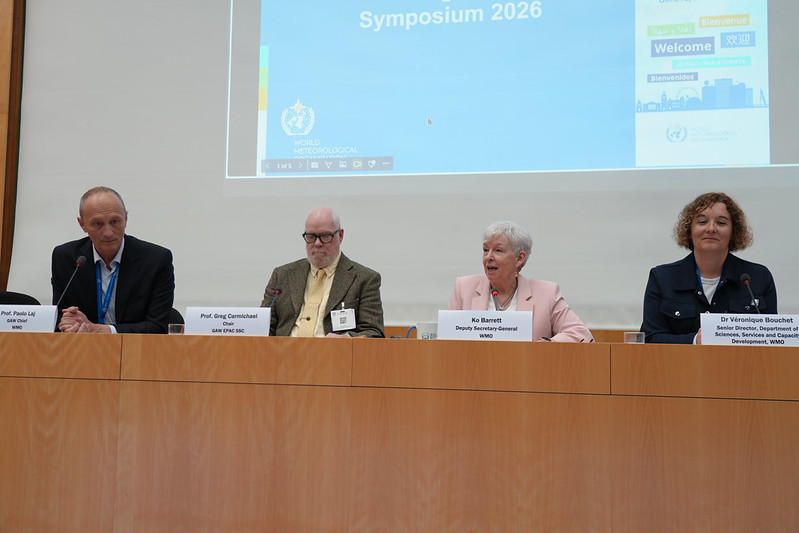
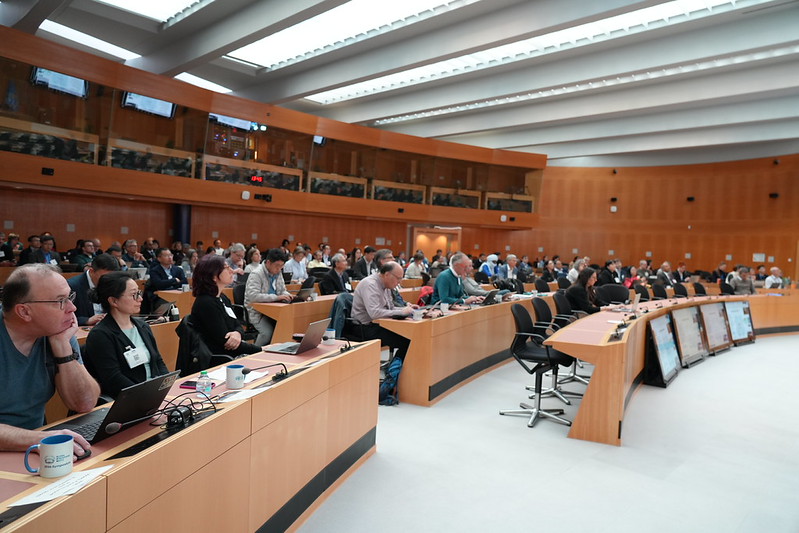
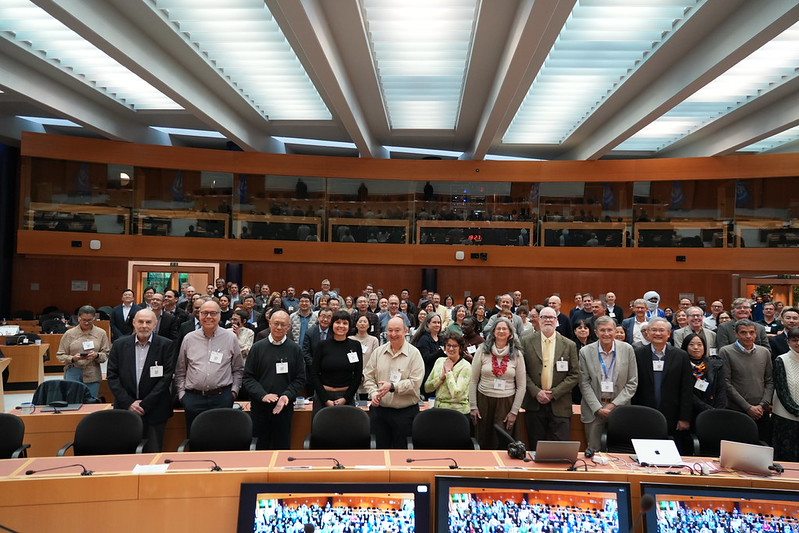
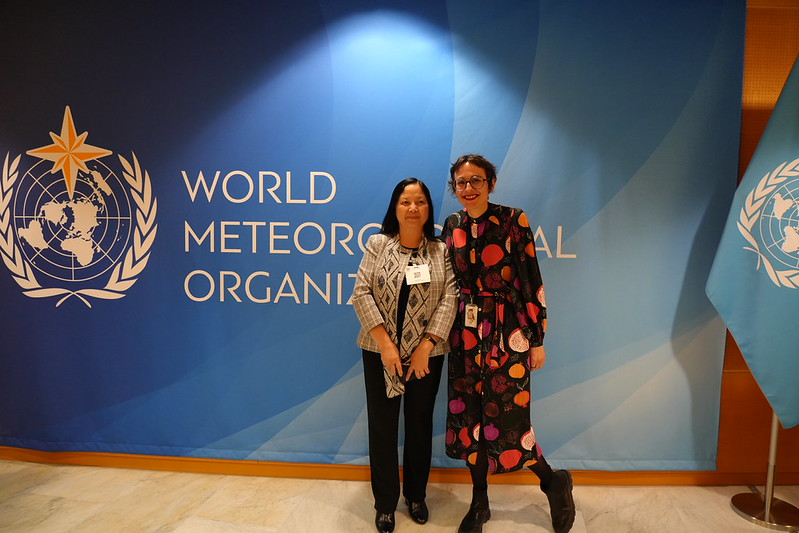
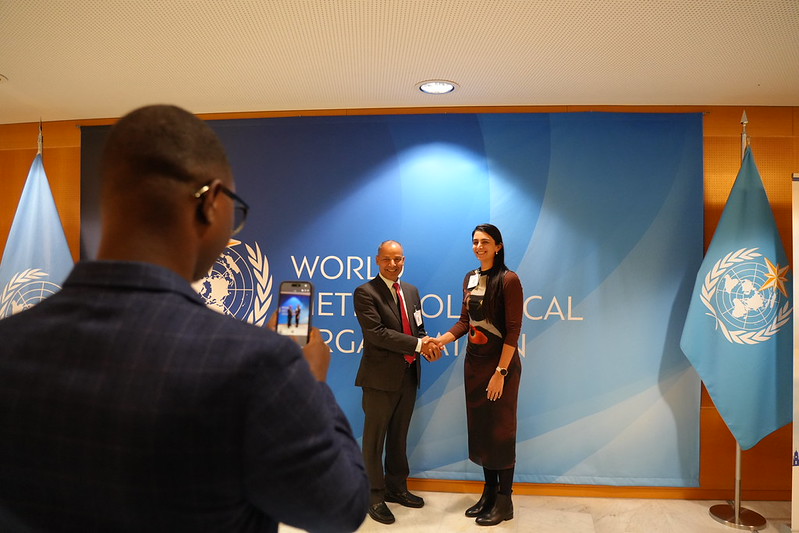
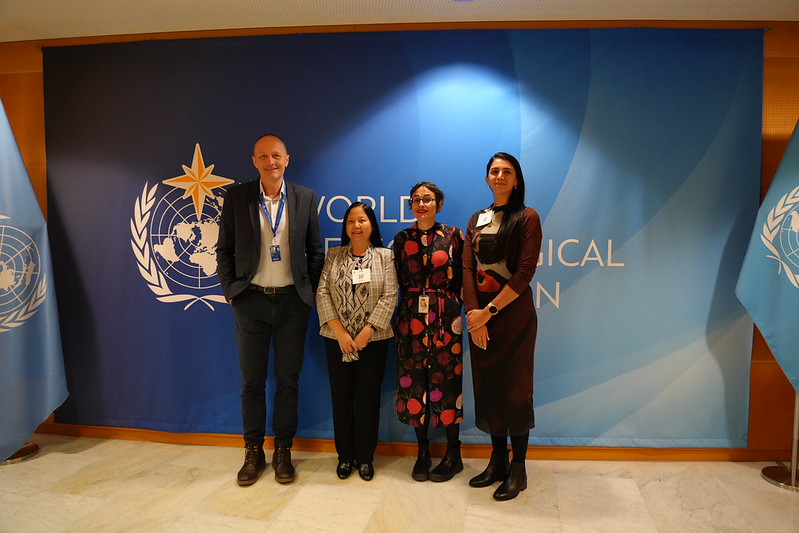
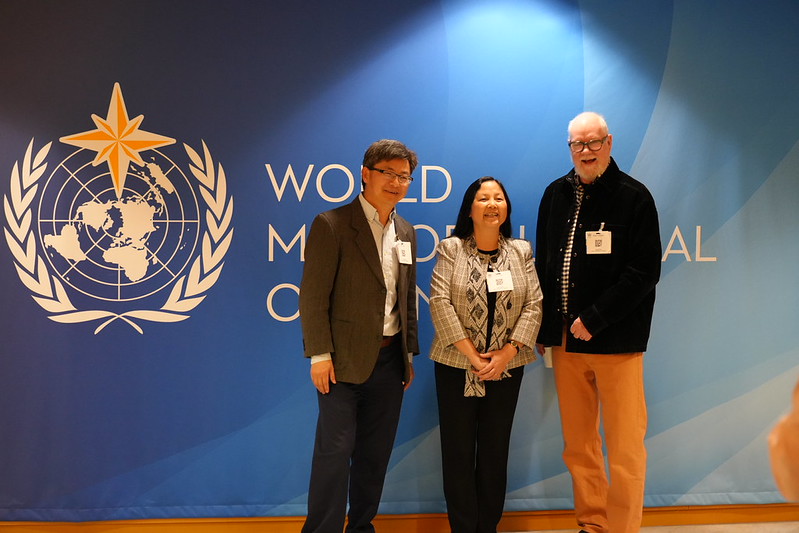
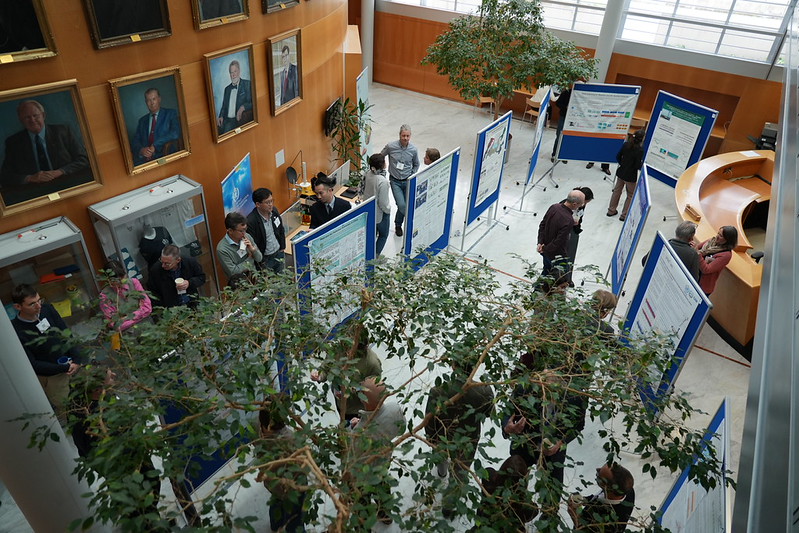
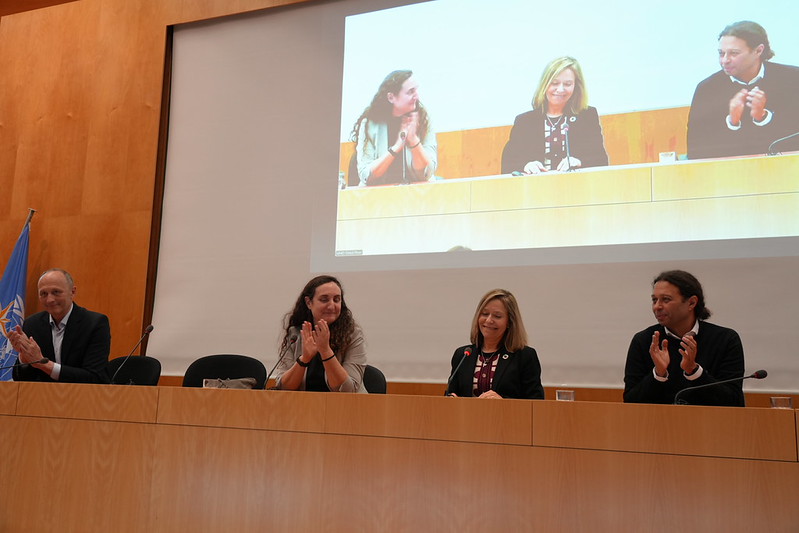
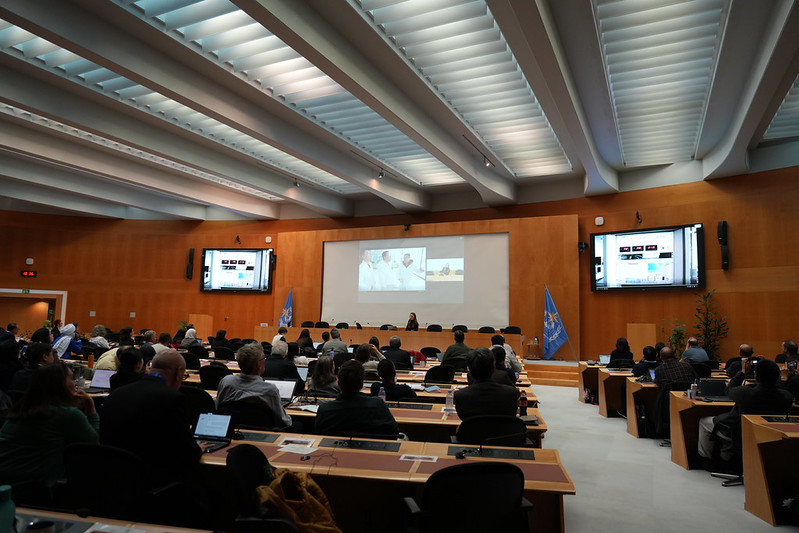
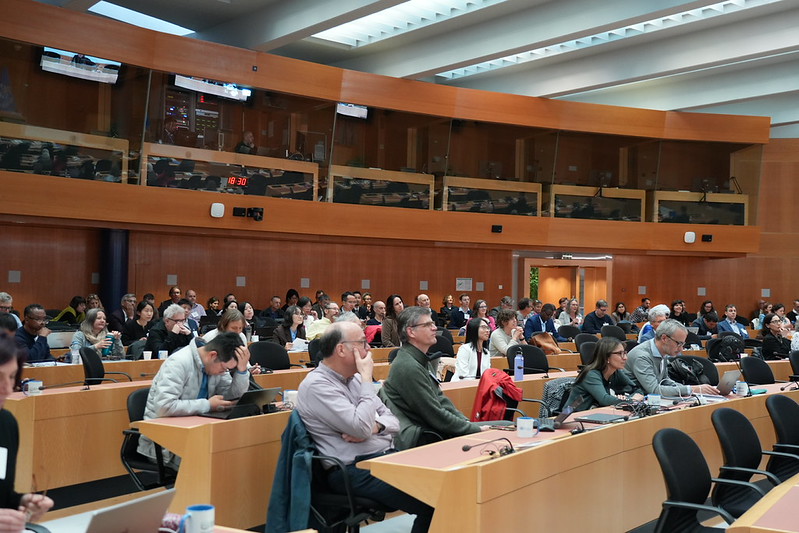
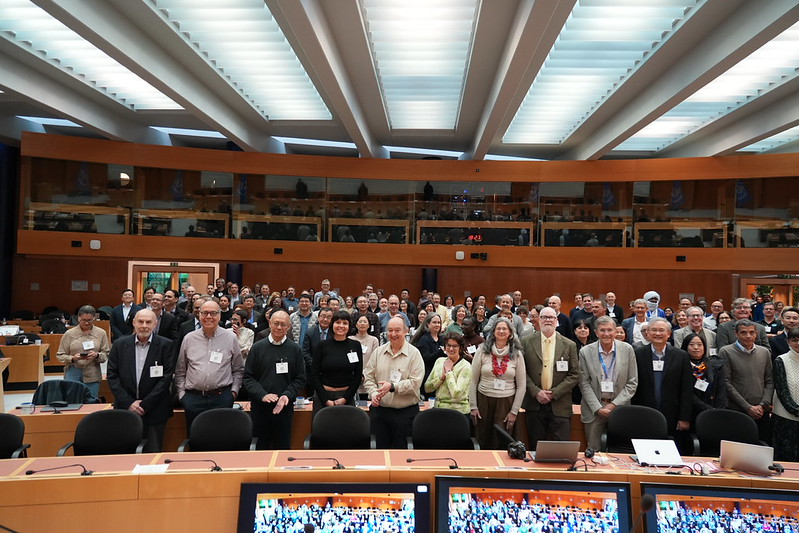
For more photos, click here.
All Photos: Photo Credit WMO




Related Articles
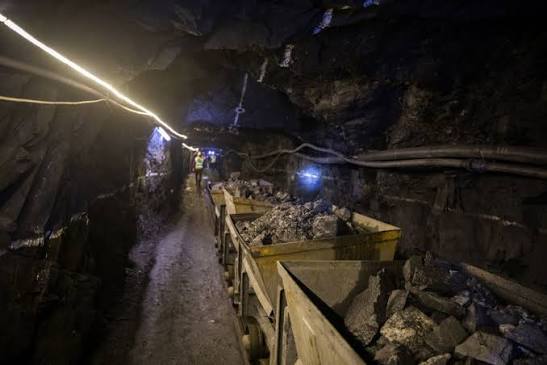
Three Miners Missing After Flooding at Kayonza Mine in Rwanda
Three miners were missing this Sunday after water flooded an underground mine...
Uwimanimpaye Cyiza Marie ClemenceOctober 11, 2026 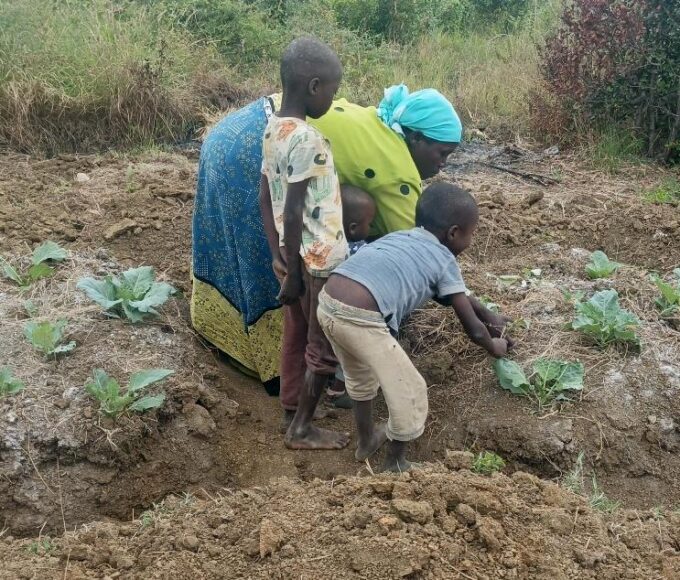
Permagardens offer a new start for drought-hit families in coastal Kenya
By Afia Agyapomaa Ofosu MBUGUNI, Kenya – For families in Mbuguni, a...
Uwimanimpaye Cyiza Marie ClemenceOctober 8, 2026 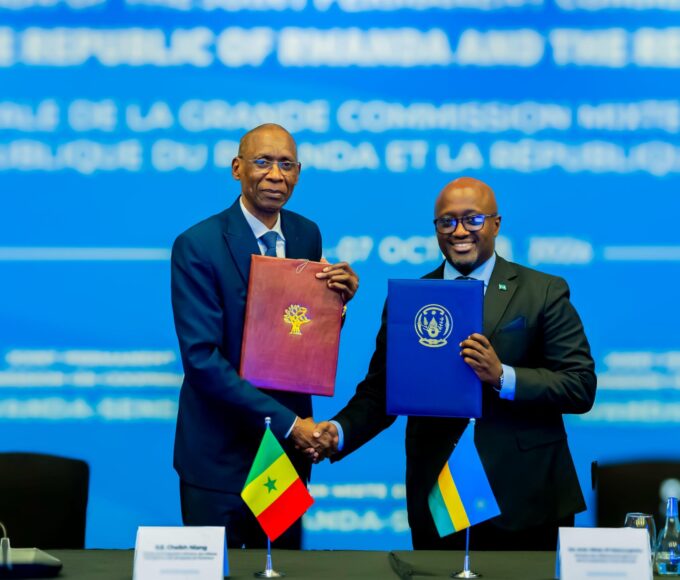
Rwanda and Senegal deepen economic ties, with agriculture and standards in focus
KIGALI, Oct. 8, 2026 – Rwanda and Senegal have signed 11 agreements...
Uwimanimpaye Cyiza Marie ClemenceOctober 8, 2026 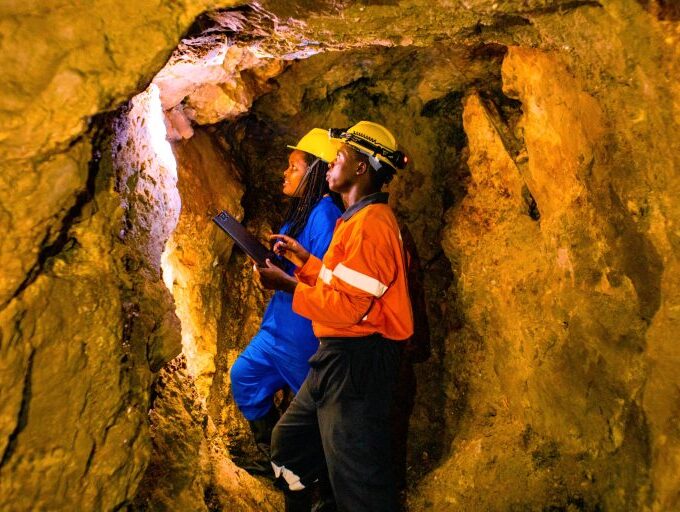

Proposed Climate Insurance Could Cushion Rwanda’s Mine Workers Against Rainy-Season Income Losses
A proposed climate insurance scheme could help protect mine and quarry workers...
Uwimanimpaye Cyiza Marie ClemenceSeptember 30, 2026
Leave a comment