



Why Animals Are a Key Piece of Africa’s Disaster Resilience Puzzle
 Uwimanimpaye Cyiza Marie ClemenceFebruary 16, 20263 Mins read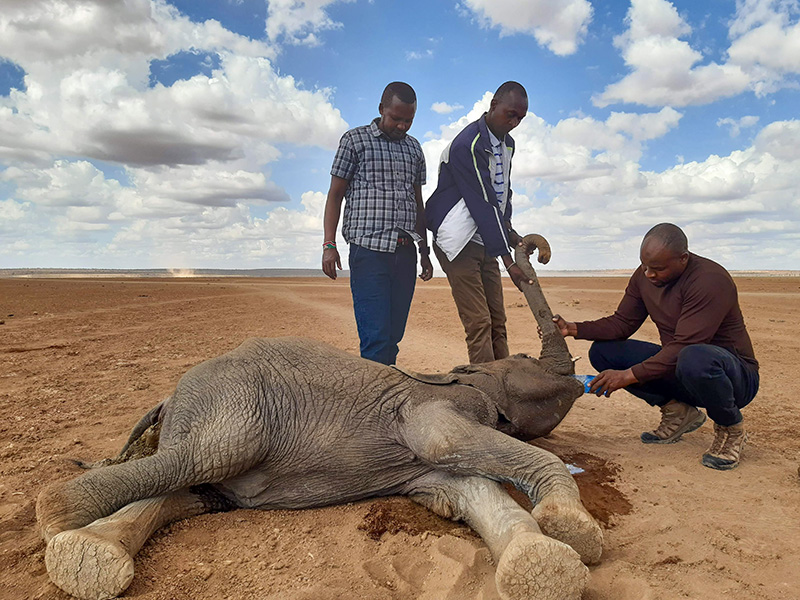
Across Africa, people and animals have coexisted for centuries, not just sharing the land but depending on one another for survival and prosperity. Whether it’s a smallholder family in rural Ethiopia whose goats feed them and pay for school fees, or pastoralist communities in the Horn of Africa who move with their cattle across dry plains, animals are deeply woven into daily life.
But when disaster strikes; whether drought, floods, or disease outbreaks; animals too often get left out of preparedness strategies. Ignoring the needs of livestock, working animals, pets, and wildlife weakens the very systems communities rely on, making disasters even harder to recover from.
Animals and African Lives: A Strong Connection
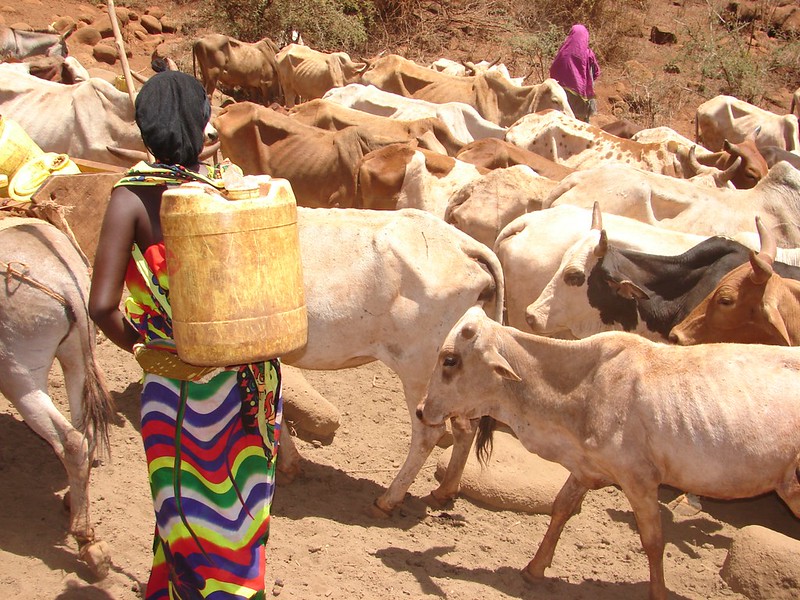
In many parts of Africa, livestock are not luxury goods, they are lifelines. Around 70% of rural households depend on livestock for food, income and social security.
When animals die during droughts or other extreme events, the consequences ripple through families and entire regions:
•Economic shocks: Losses in livestock and working animals reduce household income and slow down recovery.
•Food security threats: Many communities depend on animal products; milk, meat, eggs as key nutrition sources.
•Social disruption: Animals often represent savings and cultural value, so their loss affects identity and cohesion within families and communities.
The recent severe drought in parts of Kenya illustrates this reality. In the Horn of Africa, prolonged dry conditions have devastated pastures, leading to mass livestock deaths. In northeast Kenya alone, drought has contributed to hunger for more than 2 million people and widespread loss of cattle and goats, making recovery even more difficult.
Why Excluding Animals Weakens Resilience
Disaster preparedness is not just about human safety; it’s about sustaining the systems that support life and livelihood. When animals are left out of planning, several risks grow:
Food and Income Loss
Livestock are a major source of livelihood for millions of Africans. In rural markets and pastoral economies alike, livestock provides essential cash flow when crops fail or markets tighten. Without animals, families can lose their primary means of earning a living.
Interconnected Health Risks
African regional bodies, like the Intergovernmental Authority on Development (IGAD), are now prioritizing coordinated systems that integrate human, animal, and environmental health to improve disease surveillance and response. This One Health approach helps detect and manage health threats before they spiral into crises.
Diseases that spread between animals and people (zoonoses) can intensify after disasters, especially if displaced animals and humans end up in close contact or if sanitation breaks down. Preparedness that includes animal health systems reduces these risks.
Ecosystem and Wildlife Impacts
Africa’s ecosystems from savannas to wetlands, support both wildlife and human communities. Disasters can disrupt habitats, forcing wildlife into conflict with people and increasing pressures on already fragile environments. Prepared efforts that consider wildlife movement and habitat protection help sustain long-term ecological balance.
Examples of Animal Integration in African DRR Efforts
Some local and regional initiatives offer ideas of how progress can be made:
•In Kenya, groups working on animal safety and disaster preparedness are collaborating with local governments and veterinarians to improve how animals are protected when emergencies occur.
•Regional cooperation across East and Southern Africa is working to integrate animal and environmental monitoring into broader disease surveillance systems; a step toward more resilient response frameworks.
•Continental policy forums on disaster risk reduction, such as meetings hosted by the African Union, are increasingly bringing diverse sectors together to strengthen resilience actions, offering platforms where animal welfare and ecosystem concerns can be connected to broader planning.
What Needs to Change in Africa’s Disaster Planning
To strengthen resilience for all Africans people and animals alike, several key shifts are needed:
1. Inclusion of Animals in National DRR Plans
Government disaster plans should explicitly include animals from livestock to pets and wildlife; with clear measures for evacuation, shelter, and health support.
2. Investment in Preparedness Systems
Rather than only funding emergency response, more resources should go into early warning systems, animal health infrastructure, and community training before disasters strike.
3. Promote One Health Approaches
Plans that connect human, animal, and environmental health are now gaining momentum. This holistic perspective is essential not just for managing disease risks but also for protecting livelihoods that span sectors.
4. Community-Led Preparedness
Local leaders, animal owners, veterinarians, and pastoral groups should be supported with knowledge, tools, and funding to plan and act before crises occur.
Resilience Is About Strengthening Systems — Not Just Saving Lives
In Africa, building resilience means honouring the deep relationships people have with the animals around them. When livestock, working animals, pets and wildlife are included in preparedness strategies:
•Families can recover more quickly after shocks.
•Public health can be better protected.
•Ecosystems can be more resilient to change.
Disasters may be increasing in frequency and severity across the continent. But when communities are empowered with inclusive planning that values all life; human and animal; vulnerability becomes less inevitable.
Source:
www.preventionweb.net


Related Articles

Rwanda Culture Center Links Traditional Music to Conservation of Native Trees
In Rwanda, preserving a traditional musical instrument may require protecting something that...
Uwimanimpaye Cyiza Marie ClemenceAugust 10, 2026 
From German Lessons to New Opportunities: Rwandan Students Celebrate ECL Certificates
For a group of Rwandan students, receiving a German-language certificate this week...
Uwimanimpaye Cyiza Marie ClemenceAugust 10, 2026 
The Science Behind Accra’s Deadly Floods
By Afia Agyapomaa Ofosu The rain arrived without much warning, falling steadily...
Uwimanimpaye Cyiza Marie ClemenceAugust 4, 2026 

How Solar Irrigation Is Transforming Avocado Farming in Rwanda’s Dry East
On the sun-scorched hills of Rwanda’s Eastern Province, where prolonged droughts and...
Uwimanimpaye Cyiza Marie ClemenceJuly 31, 2026
Leave a comment