



Leaders Call for Stronger Monitoring to Turn Ecosystem Restoration Commitments into Results
 Uwimanimpaye Cyiza Marie ClemenceJanuary 29, 20263 Mins read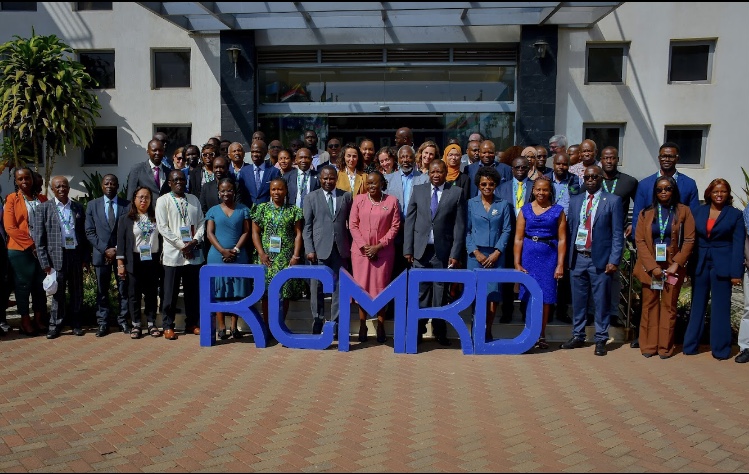
Nairobi, Kenya — 27 January 2026
Country and regional leaders, alongside technical experts, have underscored the urgent need to strengthen monitoring and reporting systems to ensure ecosystem restoration efforts deliver measurable results.
The call was made during the Subregional Workshop on Biodiversity Monitoring and Reporting in relation to Target 2 of the Kunming–Montreal Global Biodiversity Framework (KMGBF), held in Nairobi, Kenya, from 27–30 January 2026. The workshop was convened by the Food and Agriculture Organization of the United Nations (FAO), the Regional Centre for Mapping of Resources for Development (RCMRD), and the Secretariat of the Convention on Biological Diversity (CBD), with technical support from the Society for Ecosystem Restoration (SER) and the Center for International Forestry Research and World Agroforestry (CIFOR-ICRAF).
Participants emphasized that achieving restoration goals depends not only on action on the ground, but also on robust monitoring, reporting, and data-driven decision-making.
From commitments to measurable outcomes
Opening the workshop, Kenya’s Cabinet Secretary for Environment, Climate Change and Forestry, Dr. Deborah Mulongo Barasa, stressed the importance of translating restoration commitments into tangible results. She noted that ecosystem restoration plays a central role in addressing biodiversity loss, climate change, and sustainable development, but warned that progress cannot be demonstrated without credible monitoring and reporting systems.
“Restoration is about giving nature a chance to recover and in doing so, protecting livelihoods, securing water, supporting food production, and building resilience to climate change. But restoring ecosystems is not enough. We also need to be able to explain what we are doing, show what is working, and learn from what is not. The next few years will determine whether restoration commitments become reality or remain promises on paper,” said Dr. Barasa.
Subregional cooperation and shared challenges
Patrick Mucheleka, Chairperson of the RCMRD Governing Council and Permanent Secretary, Ministry of Lands and Natural Resources of Zambia, highlighted the value of subregional cooperation in delivering global biodiversity commitments. While countries differ in ecological and socio-economic contexts, he noted that many share common challenges related to data availability, technical capacity, and reporting requirements.
“Across our region, we all face similar challenges, land under pressure, ecosystems that are stretched, and communities that depend directly on nature for their livelihoods. We also share the same responsibility: to turn our restoration commitments into real action,” Mucheleka said.
Partnerships to accelerate implementation
In a video message, Astrid Schomaker, Executive Secretary of the Convention on Biological Diversity, emphasized the critical role of partnerships in addressing biodiversity loss, land degradation, climate change, pollution, and waste.
“We need all hands on deck. The world needs a whole-of-government and whole-of-society acceleration in the implementation of the Global Biodiversity Framework,” she said.
The workshop brought together policymakers and technical experts from 11 countries in Eastern and Southern Africa: Comoros, Eswatini, Ethiopia, Kenya, Madagascar, Rwanda, Somalia, South Sudan, Uganda, United Republic of Tanzania, and Zambia. Discussions focused on accelerating implementation of Target 2 of the KMGBF, which aims to ensure that by 2030, at least 30 per cent of degraded areas of terrestrial, inland water, and coastal and marine ecosystems are under effective restoration.
Strengthening regional scientific and technical support
The meeting also marked the official launch of RCMRD’s role as a Subregional Technical and Scientific Cooperation Support Centre, along with the establishment of its Steering Committee. In this role, RCMRD will support countries in Eastern and Southern Africa by providing coordinated scientific, technical, and data-driven assistance to accelerate implementation of the KMGBF.
“With its new role as a Subregional Technical and Scientific Cooperation Support Centre, RCMRD is ready to support countries with the data, tools, and coordination needed to deliver on Target 2,” said Dr. Emmanuel Nkurunziza, RCMRD Director General.
Strengthening and working through regional technical and scientific cooperation support centres is a core objective of FAO’s Target 2 Road Map. Through initiatives such as AIM4NatuRe (Accelerating Innovative Monitoring for Nature Restoration), FAO is supporting these and other centres as key entry points for coordinated, regionally grounded assistance to countries on ecosystem restoration monitoring and reporting.
The workshop also brought together participants from four other Subregional TSC Support Centres in Africa; the Central African Forest Commission (COMIFAC), Ecological Monitoring Centre (CSE), Sahara and Sahel Observatory (OSS), and the South African National Biodiversity Institute (SANBI); as well as representatives of major groups, including women, youth, and Indigenous Peoples.
Story by Abby C. Sum


Related Articles
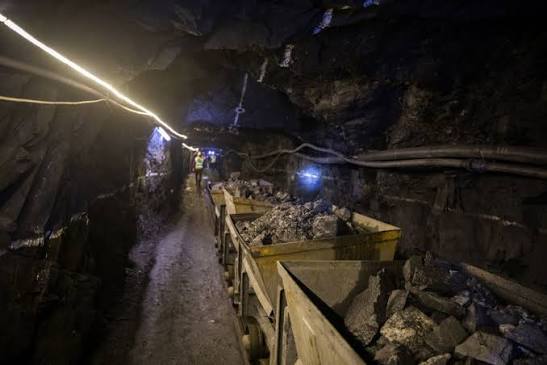
Three Miners Missing After Flooding at Kayonza Mine in Rwanda
Three miners were missing this Sunday after water flooded an underground mine...
Uwimanimpaye Cyiza Marie ClemenceOctober 11, 2026 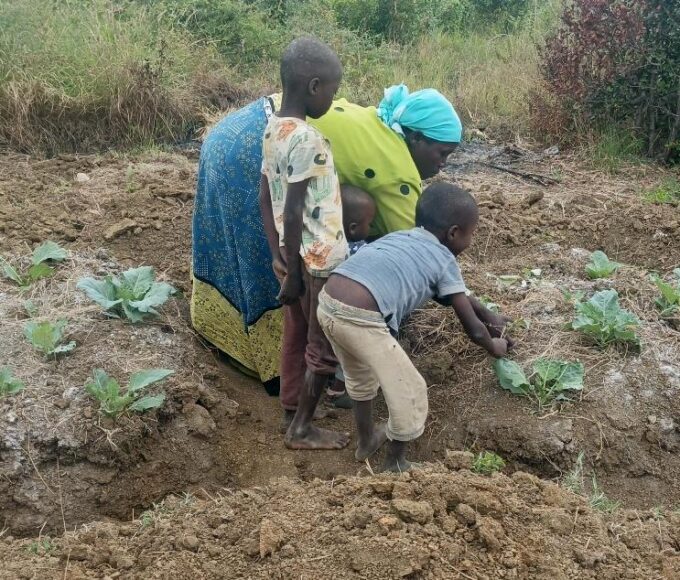
Permagardens offer a new start for drought-hit families in coastal Kenya
By Afia Agyapomaa Ofosu MBUGUNI, Kenya – For families in Mbuguni, a...
Uwimanimpaye Cyiza Marie ClemenceOctober 8, 2026 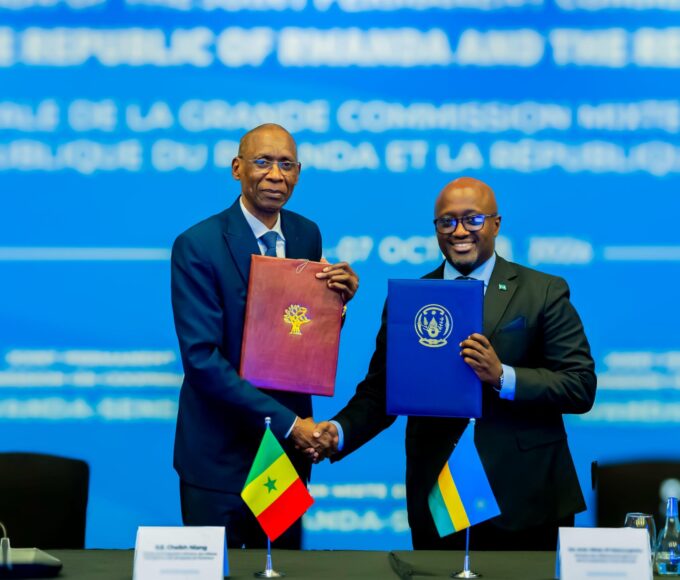
Rwanda and Senegal deepen economic ties, with agriculture and standards in focus
KIGALI, Oct. 8, 2026 – Rwanda and Senegal have signed 11 agreements...
Uwimanimpaye Cyiza Marie ClemenceOctober 8, 2026 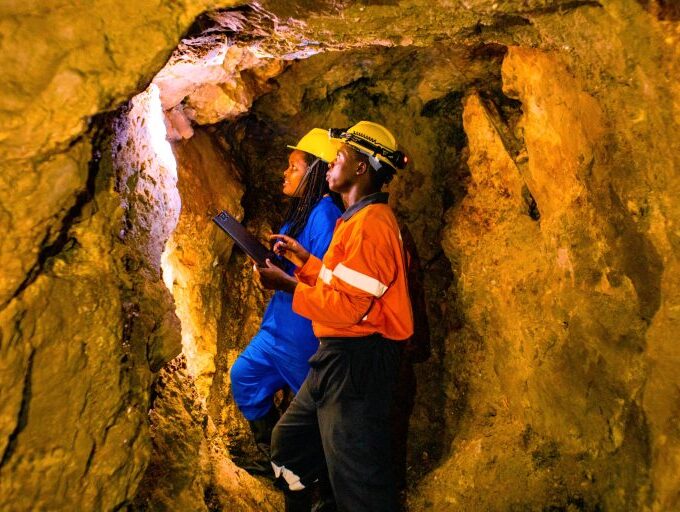

Proposed Climate Insurance Could Cushion Rwanda’s Mine Workers Against Rainy-Season Income Losses
A proposed climate insurance scheme could help protect mine and quarry workers...
Uwimanimpaye Cyiza Marie ClemenceSeptember 30, 2026
Leave a comment