




10 Takeaways from Ghana’s Science Media Training
 Uwimanimpaye Cyiza Marie ClemenceMarch 21, 20262 Mins read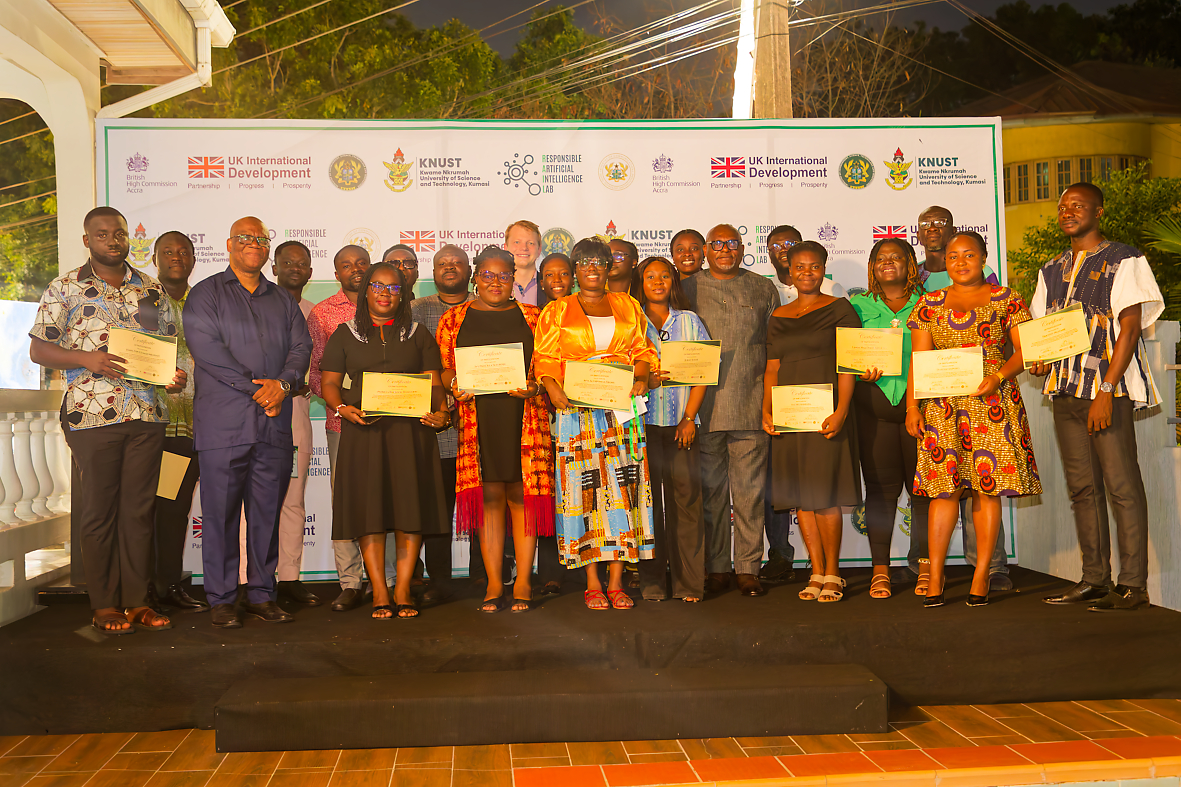
By Afia Agyapomaa Ofosu
For many journalists, covering science can feel intimidating. Research papers are often packed with technical language, complex data, and unfamiliar processes. Yet science and technology continue to shape how we live, farm, innovate, and solve everyday challenges. With this in mind, I joined 24 other journalists from across Ghana for the 2026 Capacity Building for Media Excellence in Science, Technology, and Innovation (STI) Reporting training, held at the Central Hotel in Accra.
The training brought together journalists, scientists, and innovation experts in a shared learning space. It was organized through a partnership between Kwame Nkrumah University of Science and Technology (KNUST), the Responsible Artificial Intelligence Laboratory (RAIL), the British High Commission in Accra, and UK International Development. Over several days, we didn’t just sit through presentations; we engaged, asked questions, and explored how to tell science stories in ways that connect with everyday people.
Here are ten key takeaways from the experience:
1. Make science relatable
One of the biggest lessons was the importance of translating complex ideas into simple, everyday language. When people can see how science applies to their lives whether in farming, health, or business; it becomes relevant.
2. Journalists are more than storytellers
Science journalists play a crucial role in connecting research to society. We help bridge the gap between discovery and the people who benefit from it.
3. Engage directly with scientists
Building relationships with researchers and understanding their work environments adds depth, accuracy, and credibility to reporting.
4. Let key questions guide your story
Every science story should clearly answer: What is the discovery? Why does it matter? Who does it affect? And what happens next?
5. Verify before you amplify
Not all research is credible. It is important to watch for red flags such as bias, weak evidence, or unclear sources, and rely on well-reviewed, trustworthy studies.
6. Simplify without losing meaning
Science should be easy to understand, but not oversimplified. Clarity should never come at the expense of accuracy.
7. Uphold strong ethical standards
Accuracy, balance, transparency, independence, and accountability remain the foundation of responsible journalism.
8. Understand the research process
Having a basic grasp of how research is conducted from laboratory work to trials helps journalists ask better questions and avoid one-sided reporting.
9. Build trust with scientists
Some researchers hesitate to engage with the media due to fear of misrepresentation. Building trust encourages more open and productive conversations.
10. Use AI responsibly
AI can support reporting, but it must be used carefully. Cross-checking information across multiple sources is essential to maintain accuracy.
The training left one message clear: science journalism goes beyond reporting findings. It is about making knowledge accessible, building trust between scientists and society, and ensuring innovation reaches the people it is meant to serve.
The writer is a science journalist
E-mail: prissyof@yahoo.com


Related Articles
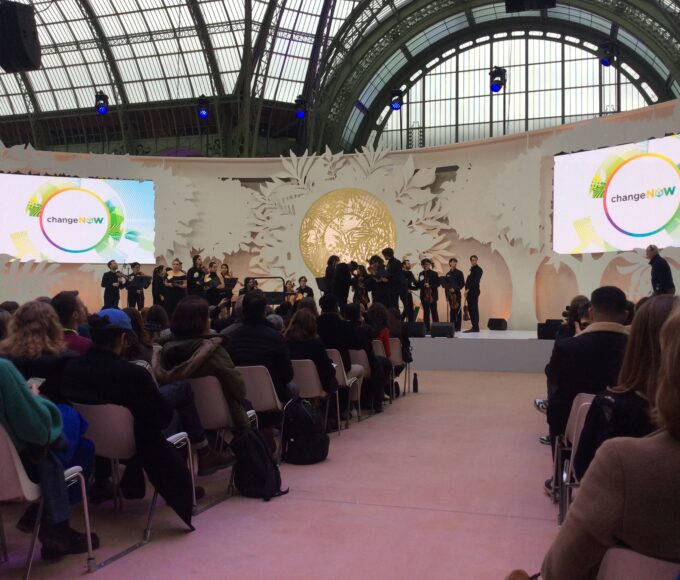
ChangeNOW 2026 in Paris: Where Belief Turns into Action for a Sustainable Future
As the curtains fell on ChangeNOW 2026, the atmosphere was anything but...
Uwimanimpaye Cyiza Marie ClemenceApril 6, 2026 
ChangeNOW 2026 Opens in Paris with an Inspiring and Eye-Opening First Day
Under the spectacular glass dome of the Grand Palais, the first day...
Uwimanimpaye Cyiza Marie ClemenceMarch 31, 2026 
“Unsafe Meat Can Lead to Zoonotic Diseases,”- Dr. Gaspard Simbarikure
In Burera District, a visit to a modern poultry processing facility reveals...
Uwimanimpaye Cyiza Marie ClemenceMarch 24, 2026 

VIBE Campaign Launches to Boost Food Quality and Job Creation in Rwanda
The Government of Rwanda has officially launched a nationwide awareness campaign under...
Uwimanimpaye Cyiza Marie ClemenceMarch 23, 2026
Leave a comment