




Worm Tea: A Natural Path to Farming Without Harmful Chemicals
 Uwimanimpaye Cyiza Marie ClemenceJanuary 6, 20266 Mins read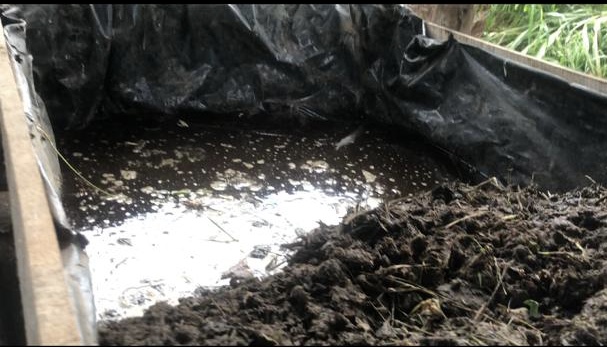
For much of his early farming life, Isaac Mubashankwaya believed chemical fertilizers and pesticides were the only way to grow crops successfully.
He used them as a matter of necessity, following common practice among farmers. But as he became aware of their impact on soil life and environmental health, he chose to move away from chemical inputs and explore organic alternatives despite the uncertainty that came with that decision.
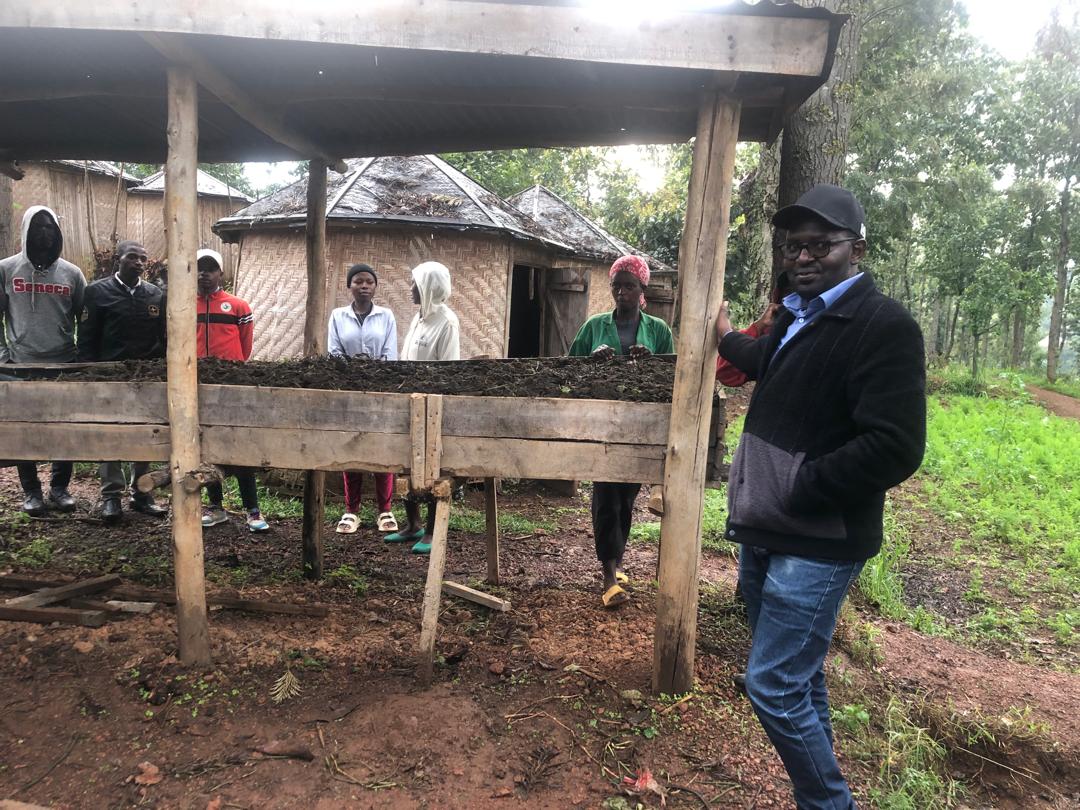
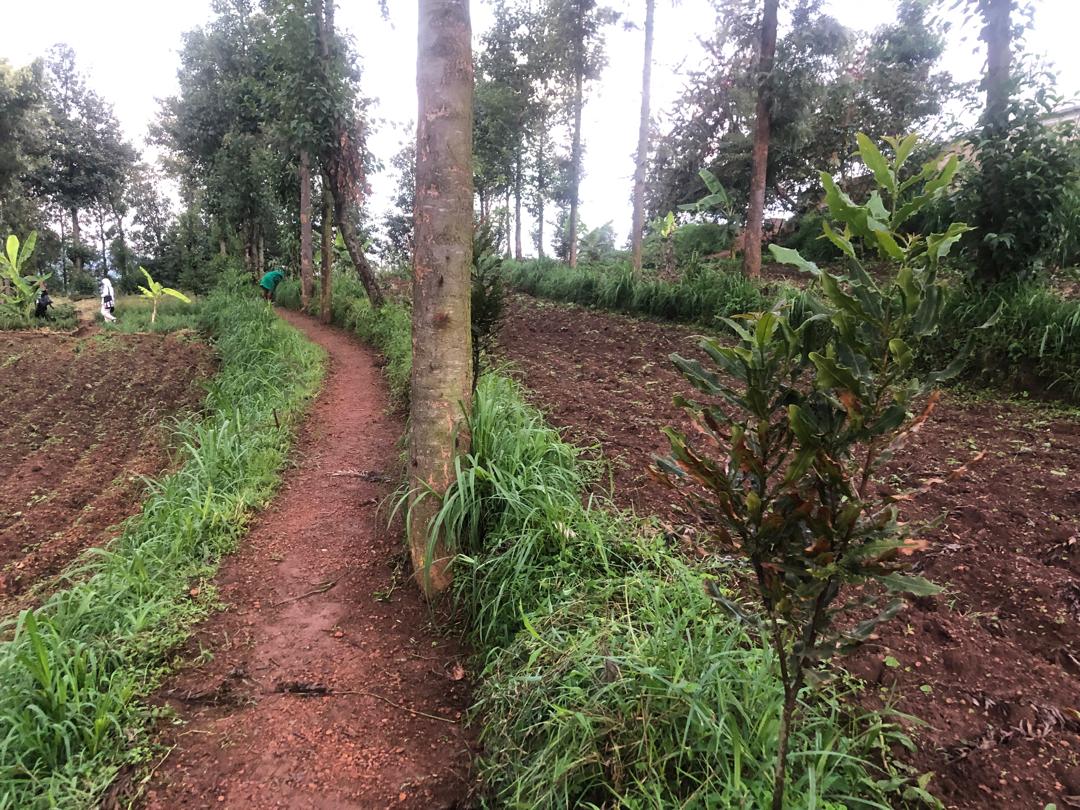
Today, Isaac Mubashankwaya is the founder of the Center for Agroecological Practices and Conservation of Nature (CAPSN), located in Kibari Cell of Byumba Sector, northern Rwanda. On his farm, he practices agroecology and agroforestry, combining crop production with soil restoration and biodiversity conservation. The farm serves both as a source of food and as a learning space where organic methods, composting, and ecological pest management are tested and demonstrated.
“After shifting, I planted potatoes with only organic fertilizer, and nothing grew. I felt like I had lost everything, like I was living and not living at the same time,” he added.
That early failure could have ended his experiment. Instead, it sparked a quiet but profound transformation in his approach to agriculture. Determined not to return to chemical inputs, Isaac began building a different kind of farm; one rooted in ecology, nature, and circular waste reuse.
He collected organic manure from neighboring farms, mixed compost, experimented, and learned. Over three years, the soil on his farm slowly regained fertility. By the fourth year, yields began to rise.
As soil fertility returned, Isaac began using worm tea, an organic practice long known in agroecology, integrating it into his agroforestry system to support plant health and productivity.
Worm Tea: A Living Brew
Worm tea also called vermicompost tea (VCT), is not simply compost or “liquid manure.” It is a living brew of microbes, nutrients, and biological compounds produced when worms break down organic waste. Used properly, it acts both as a natural fertilizer and a biopesticide, offering a sustainable alternative to synthetic chemicals.
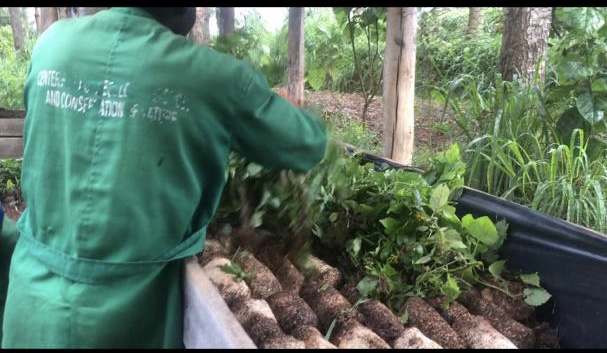
On Isaac’s farm, the process is deliberate:
- Worms are fed with plant residues, prunings from agroforestry trees, crop leftovers, and waste from mushroom cultivation.
- Their bedding is kept moist and well-managed.
- As liquid accumulates from inputs and watering, he collects it, mixes it with water, aerates it to multiply beneficial microbes, then dilutes and applies it as a foliar spray or soil drench.
During a visit to Isaac’s farm, we tasted ripe, sweet ground-cherries bursting with flavor, nurtured by healthy soil sustained by compost, worms, and weekly application of worm tea.
“The worm tea is enough on its own to protect crops. It strengthens plants naturally, without harming beneficial insects or the soil,” said Isaac Mubashankwaya.
What Worm Tea Brings and Why It Works
The benefits of worm tea are increasingly supported by research and agronomic practice.
A 2025 study from Florida International University in Miami in USA, found that worm tea significantly enhanced soil nutrient status, boosted crop yield, and helped suppress pest infestation in corn compared to untreated controls.
Nutrients such as nitrogen, phosphorus, and potassium become more available through vermicompost, while beneficial microbes enhance soil water retention, structure, and disease resistance.
“Worm tea doesn’t kill pests directly but strengthens plants so they are less attractive to insects and recover faster from damage. Combined with intercropping, mulching, and biological control, it forms a complete, low-risk integrated pest-management system,” explained Theogene Ntakirutimana, agronomist with the Green Gicumbi Project.
Worm tea is rich in soluble nutrients, micronutrients, organic acids, enzymes, vitamins, humic acids, and phytohormones; all in forms plants can quickly absorb. This speeds growth and boosts plant vigor.
In crops such as cereals, vegetables, and legumes, warm tea has significantly improved growth, yield, and nutrient content. The study noted dramatic increase in maize cob yield under moderate worm tea concentrations compared to no-fertilizer controls.
Benard Bwambale, National Coordinator at Food Safety Coalition of Uganda, underscored what soils lose when chemicals replace soil life.
“If today it rains, you should see worms coming out from the soil. If we don’t see them, there is a problem. Continuous use of chemicals destroys those soil-life populations, and the longer we use chemicals, the greater the risk of losing soil fertility.”
Beyond nutrients, worm tea helps rebuild soil’s biological foundation by improving structure, aeration, water infiltration, and microbial diversity, reviving the “soil food web.”
Pest and Disease Suppression: A Natural Biocontrol
One of worm tea’s most promising potentials is its ability to reduce pest pressure without synthetic pesticides. Several studies show that properly applied vermicompost tea suppresses pathogens and insect pests, boosts plant immunity, and reduces disease incidence.
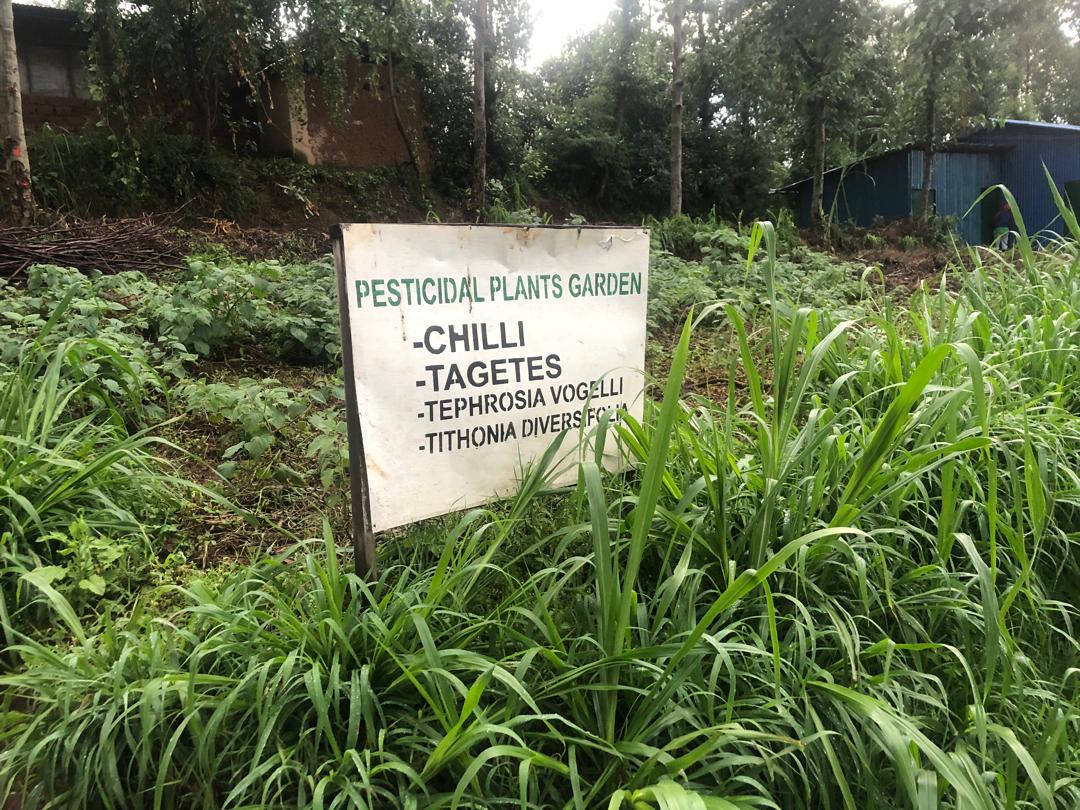
“Organic pest-management approaches, including vermicompost extracts, maintain pest populations below damaging thresholds while enhancing soil health and biodiversity. They require patience and skill, but in the long term, they strengthen agroecosystem resilience and reduce ecological risks,” strengthened Dr. Venuste Nsengimana, conservation biologist at the University of Rwanda.
Because worm tea is natural and biodegradable, it leaves no toxic residues, doesn’t pollute water, and doesn’t kill pollinators or soil organisms; making it central to regenerative and biodiversified farming.
How Worm Tea Is Made: A Simple, Low-Cost Practice
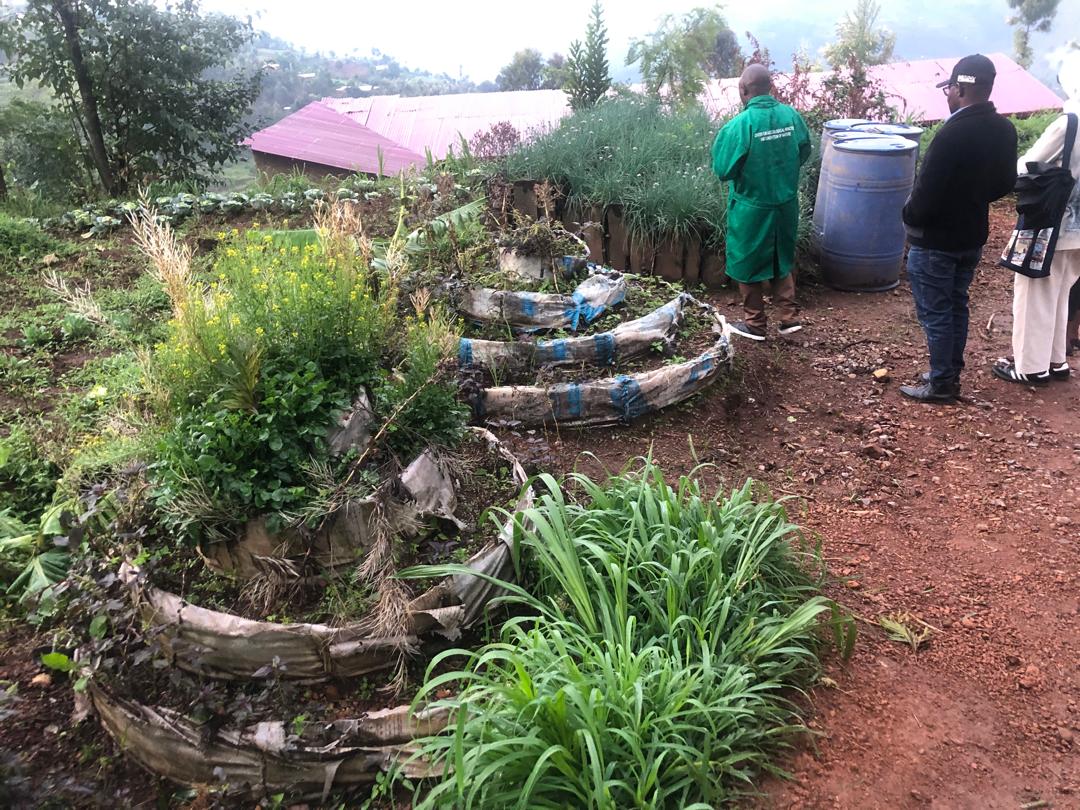
Isaac’s method is practical, affordable, and easily scalable. Using simple materials like worms, compost, water, and basic container, he produces a nutrient-rich brew without expensive equipment, which he applies to his crops to nourish the soil and strengthen plants.
On Isaac’s farm, this modest arrangement of wood, a basin, and worm beds has become the backbone of a circular, waste-free system: plants feed worms, worms feed plants; nothing is wasted.
Challenges, Limits, and Realistic Expectations
Worm tea is powerful, but not magical.
“The quality of the worm tea depends on what waste you feed, how well worms are cared for, matters a lot. Bad compost or poorly managed worm beds may produce low-quality tea, or even pathogens if hygiene is poor,” stated Isaac, adding that overuse or too-concentrated tea can stress plants.
Isaac emphasized variability: results depend on climate, crop type, soil conditions, and timing. worm tea requires consistency, patience, and experimentation especially for farmers transitioning from synthetic inputs.
Even so, for many smallholders, the ecological and economic benefits far outweigh the drawbacks.
Beyond Byumba: A Global Need for Change
Worldwide, decades of chemical-intensive agriculture have brought benefits but also soil degradation, biodiversity loss, water pollution, and health risks. Overuse of agrochemicals has harmed pollinators, reduced soil fertility, and undermined sustainability.
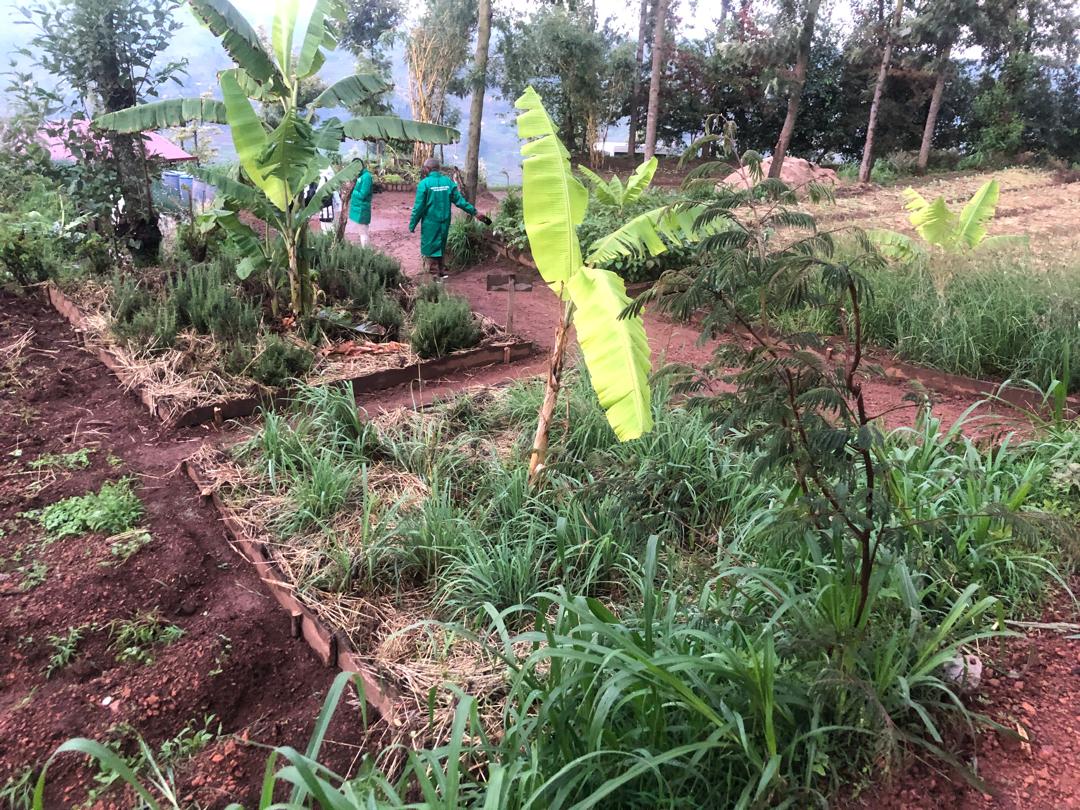
Worm tea and other agroecological methods offer a regenerative alternative. They support circular resource use, ecological balance, and resilience, especially for small farms.
Fred Kwizera, Program Manager for Sustainable Agriculture in Solid Africa, affirmed this shift:
“We operate our farms using permaculture practices or conservation agriculture practices … we produce food through a way where we are able to produce for our kitchens but also conserve our environment,” he said. “This farm is purely organic. It’s possible to farm without synthetic fertilizers and pesticides.”
Though Rwanda still uses some chemical inputs, there is growing political will to reduce or eventually eliminate them.
During a World Bees Day interview, Dr. Solange Uwituze, Deputy Director General at Rwanda Agriculture and Animal Resources Development Board (RAB) at the time (now Minister of State for Agriculture and Animal Resources, MINAGRI), noted steps being taken:
“We’ve banned highly hazardous chemical pesticides. We recommend spraying after noon, when bees are less active. We also promote beekeeping along forest edges.”
On World Bee Day, Dr. Marie Christine Gasingirwa, Chairperson of Rwanda’s National Commission for UNESCO, highlighted the crucial role of agricultural extension officers:
“They convey farmers’ concerns and aspirations,” she said, “and help implement better practices in return.”
But she warned that changing spray schedules is not enough:
“These chemicals harm more than pests,” she explained. “They kill pollinators; both day and night-foraging species that are essential to our food. We are losing them. There’s no safe time to spray. We need to rethink the practice entirely.”
Dr. Gasingirwa reiterated both the role of extension officers and the responsibility of farmers themselves:
“We can’t force farmers to change,” she said. “But we can help them understand.”
A Quiet Revolution in Byumba
For Isaac Mubashankwaya, worm tea is not just an experiment. It is proof that farming without depleting soil is possible; productive, nourishing, and sustainable.
As more farmers confront soil degradation, climate stress, and pollution, his farm offers a living example: waste becomes fertilizer, worms become allies, soil becomes alive again.
Worm tea may lack the glamour of chemical fertilizers. It does not promise instant results. But it offers something far more valuable: life — living soil, living plants, living ecosystems.
Worm tea can bring fertility, resilience, and health. For smallholders, agroforestry practitioners, and communities dependent on the land, such living solutions may be the most powerful revolution of all.
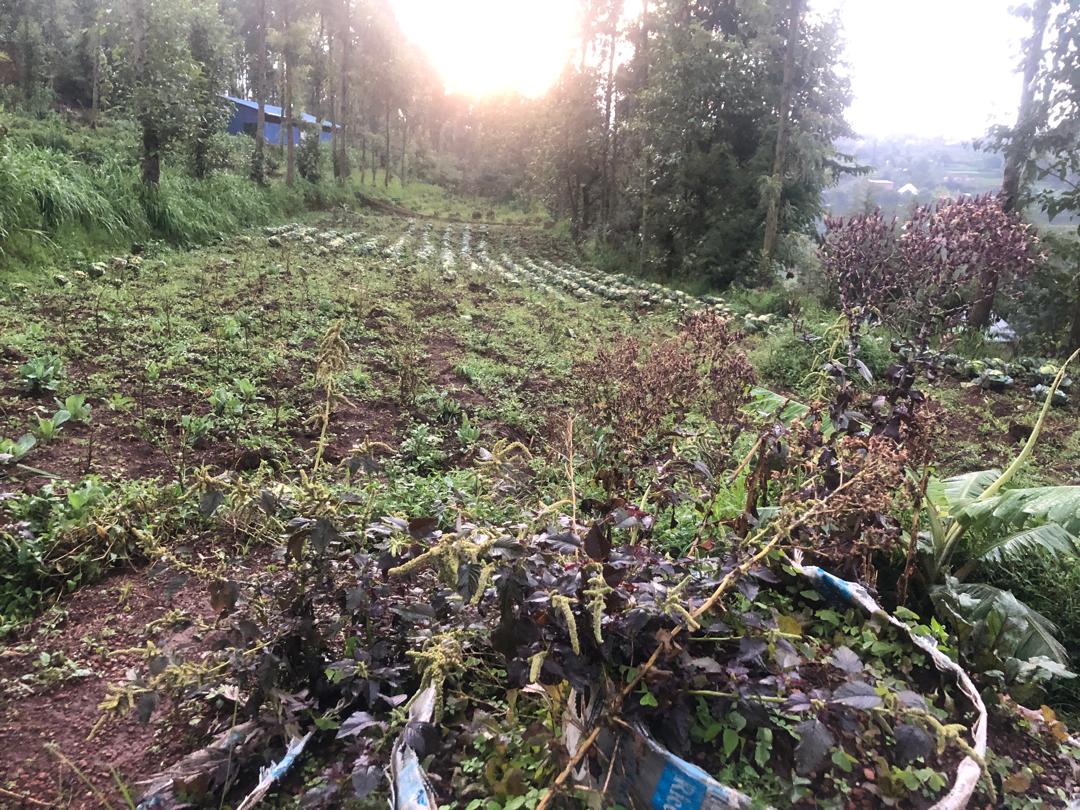
In Isaac’s fields under trees, among worms and compost pits; a gentle, ecological, circular future of farming is already growing.




Related Articles
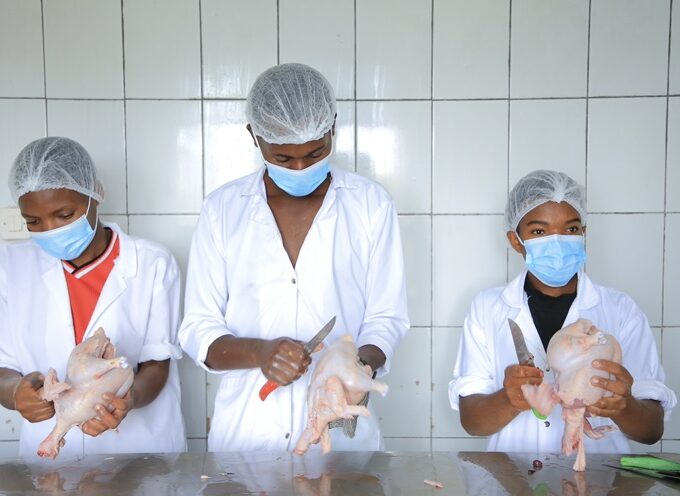
“Unsafe Meat Can Lead to Zoonotic Diseases,”- Dr. Gaspard Simbarikure
In Burera District, a visit to a modern poultry processing facility reveals...
Uwimanimpaye Cyiza Marie ClemenceMarch 24, 2026 
VIBE Campaign Launches to Boost Food Quality and Job Creation in Rwanda
The Government of Rwanda has officially launched a nationwide awareness campaign under...
Uwimanimpaye Cyiza Marie ClemenceMarch 23, 2026 
10 Takeaways from Ghana’s Science Media Training
By Afia Agyapomaa Ofosu For many journalists, covering science can feel intimidating....
Uwimanimpaye Cyiza Marie ClemenceMarch 21, 2026 

Turning Climate Commitments into Action: Voices from Rwanda on the Environment and Climate Change Mainstreaming Strategy
Rwanda has taken another step in strengthening its climate and environmental governance...
Uwimanimpaye Cyiza Marie ClemenceMarch 10, 2026
Leave a comment