



Strengthening Rwanda’s SMEs for Circular Food Systems: Embedding Circularity Beyond Project Implementation for Long-Term Transformation
 Uwimanimpaye Cyiza Marie ClemenceFebruary 27, 20266 Mins read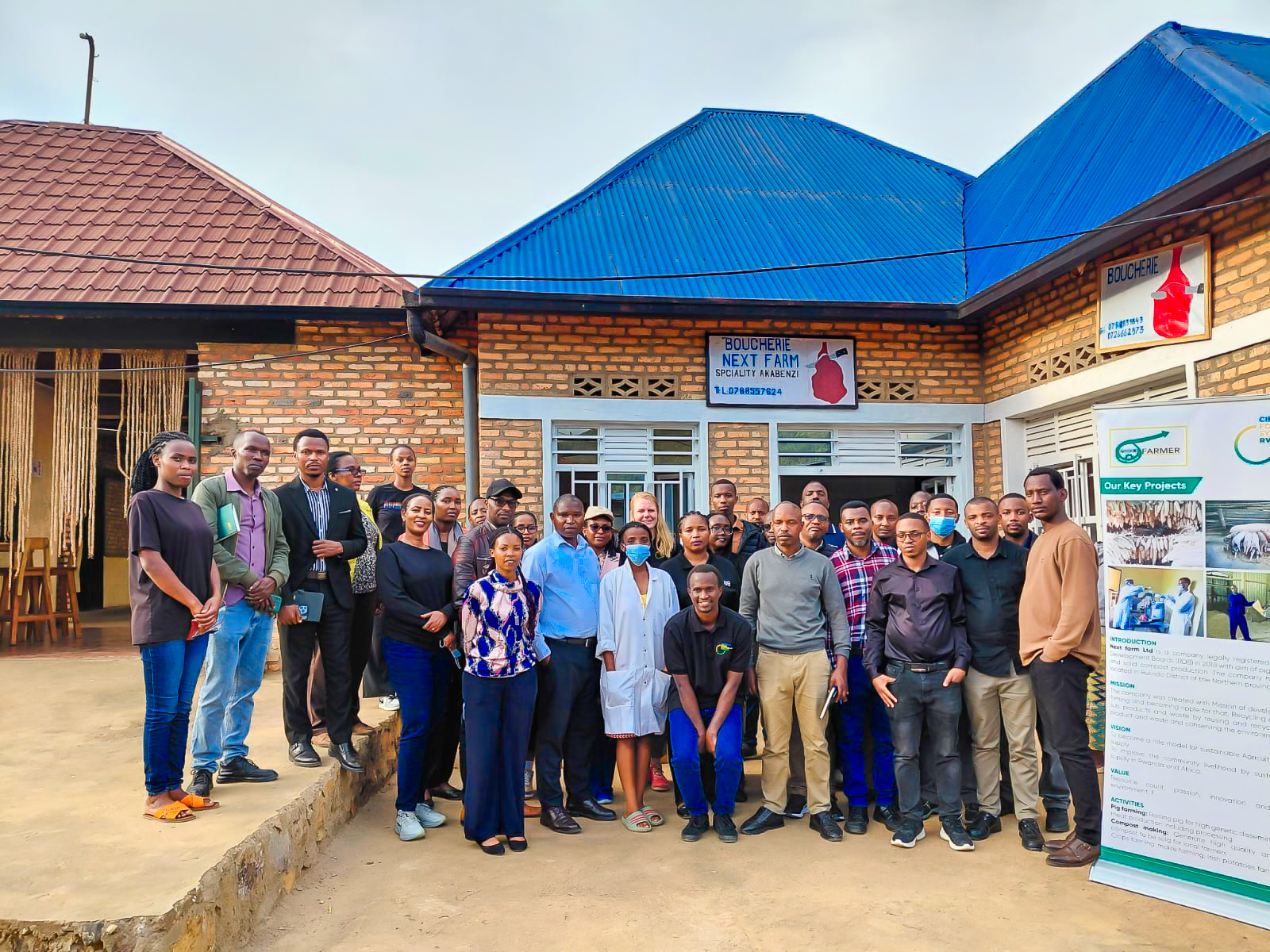
As Rwanda advances its circular economy ambitions, small and medium-sized enterprises (SMEs) are gradually emerging as important actors in transforming the country’s food systems. From reducing waste to improving soil health and promoting regenerative agricultural practices, these enterprises are beginning to demonstrate what circularity can look like in practice.
Yet the journey is still unfolding. Circular food systems remain an evolving concept for many actors, and continued coordination, awareness, financing, and policy engagement will be essential to sustain momentum beyond the current project cycle.
With the Circular Food Systems initiative approaching its conclusion in September, stakeholders are not simply closing a chapter; they are working to ensure that the foundations laid over the past years continue to shape Rwanda’s long-term transformation.
Reaffirming the Purpose of the Multi-Stakeholder Platform
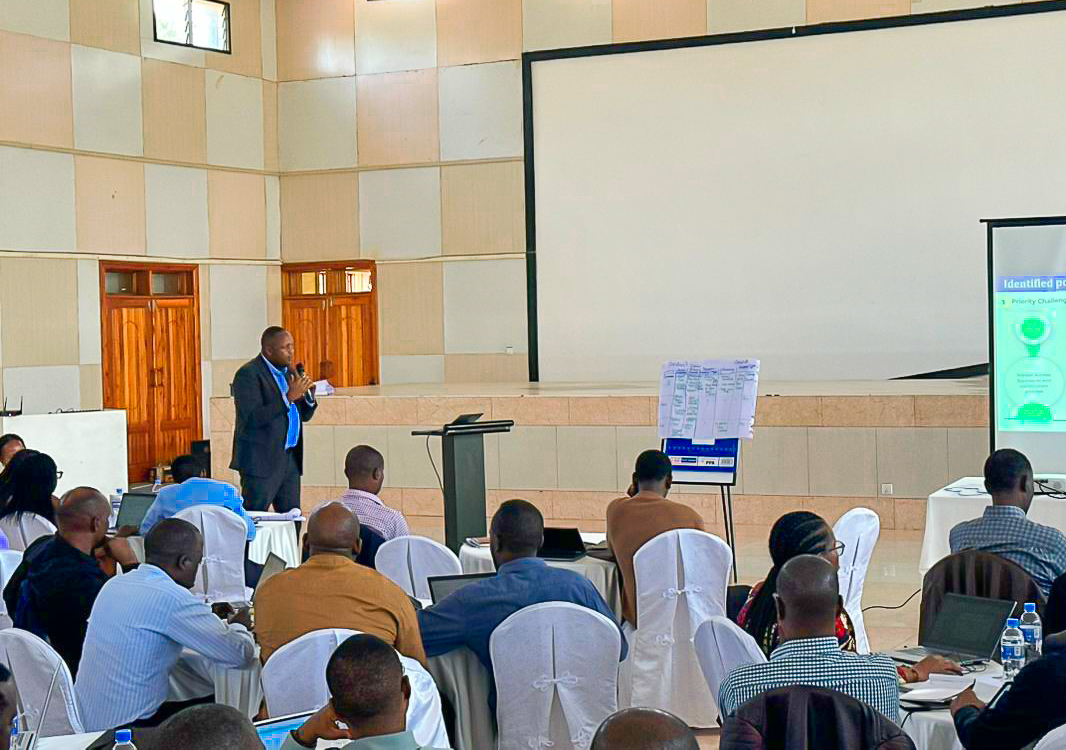
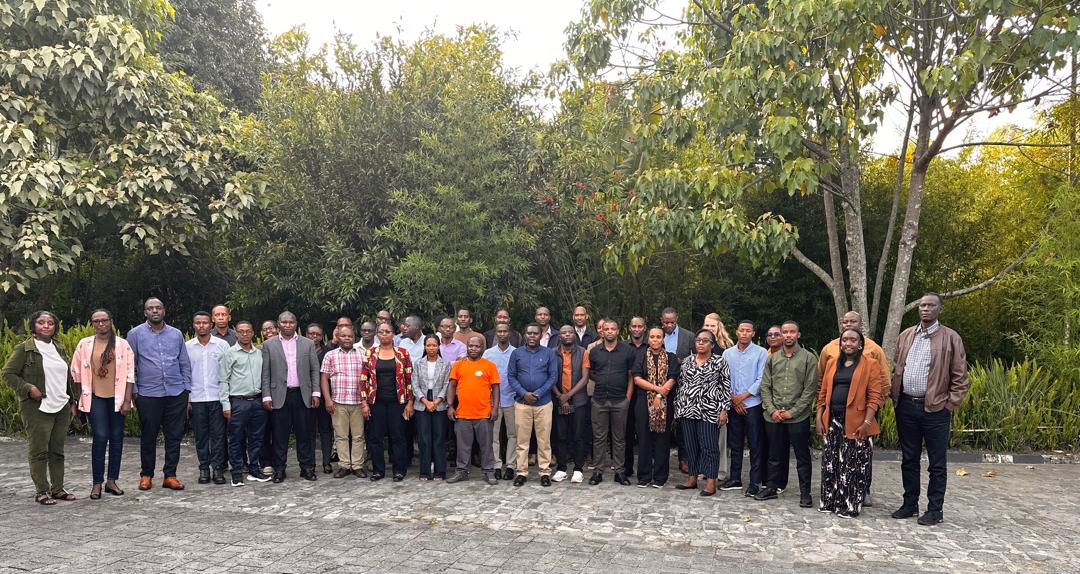
During a recent retreat in Musanze, partners gathered to reflect on progress and align on next steps. The meeting brought together government institutions, development partners, private sector actors, civil society, and SMEs under the Multi-Stakeholder Platform (MSP).
As Daniel Nkubito, Program Coordinator from the Cleaner Production and Climate Innovation Center (CPCIC) explained:
“The objective was to revisit the purpose of the Multi-Stakeholder Platform, especially because some members were new while others had moved to different roles. We needed to realign on the origins of the MSP and identify priority actions before the project concludes.”
The platform was established as a dialogue space focused specifically on circular economy within food systems including agriculture, livestock, and food processing.
Daniel further emphasized the importance of continuity:
“The goal is to ensure that circular food systems remain embedded within national structures even after the project ends.”
This alignment is key as Rwanda seeks to embed circular food systems principles into national frameworks and sustain progress beyond the project lifecycle.
Emmanuel Mutabazi, Head of the Technology Acquisition, Transfer & Commercialization Department at NIRDA, highlighted in his opening remarks the importance of the Circular Innovation and Research Forum (CIRF) project in supporting Rwanda’s transition toward circular, sustainable, and inclusive food systems, as well as the central role of the multi-stakeholder platform in policy dialogue and collaboration among actors.
He stated that the retreat aimed to assess progress, identify priorities for 2026, and strengthen partnerships to institutionalize the platform and accelerate the implementation of initiatives. His key message emphasized that circularity represents both an environmental necessity and an economic opportunity that requires collective action.
What the Project Delivered for SMEs
According to reflections shared by the World Resources Institute (WRI), the project supported SMEs through tailored capacity building, practical tools, and feasibility studies. Businesses received guidance on reducing food loss, improving resource efficiency, and transforming waste into valuable products such as animal feed, compost, and packaging materials.
Eric Ruzigamanzi, Country Representative of WRI in Rwanda, noted:
“The project supported SMEs through tailored capacity building, feasibility studies, and practical tools to reduce food loss, improve resource efficiency, and transform waste into marketable products.”
He added:
“The support was designed around real business needs, helping enterprises identify circular opportunities that could reduce costs and generate new revenue streams.”
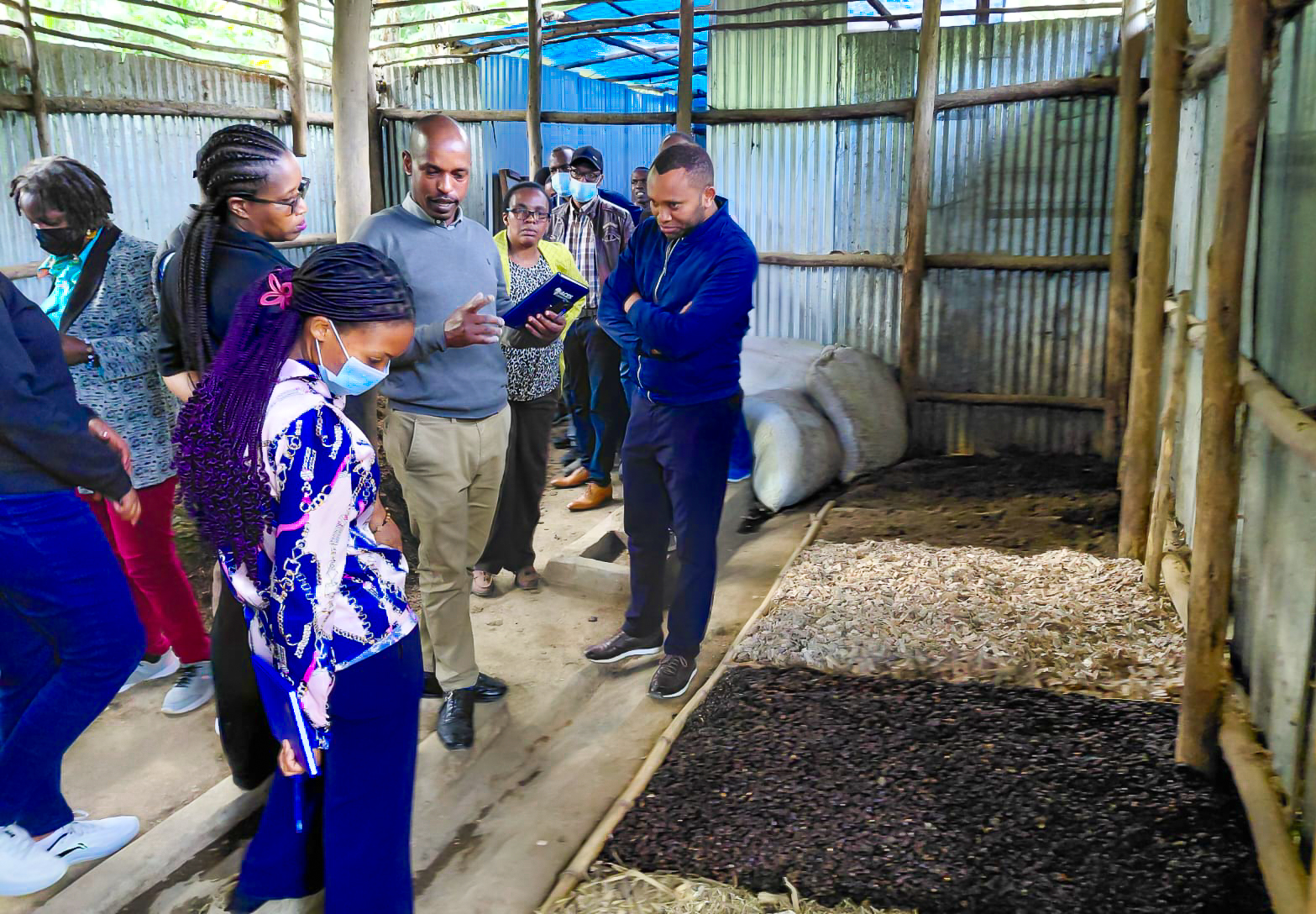
For SMEs like CAPCN (Center for Agroecological Practices and Conservation of Nature), the impact was tangible.
“The support received from World Resources Institute (WRI) under the circular food systems initiative has had a transformative and lasting impact on our organization.”- Stated Isaac Mubashankwaya, the founder of CAPCN.
He explained that the project strengthened their technical capacity in waste reduction, composting, regenerative agriculture, and resource efficiency. It also helped refine their business model to better integrate circular economy principles and expand partnerships with farmers and institutions.
At the same time, Isaac highlighted priorities moving forward:
“Access to financing and investment opportunities to scale circular food system innovations will be critical.”
He also noted the need for continued technical follow-up, policy and market support, and farmer capacity building in regenerative practices.
Research, Policy Influence, and Technical Expertise
The International Institute of Tropical Agriculture (IITA), through its RUNRES project, has supported SMEs by advancing waste valorization including transforming cassava peels into animal feed and biofertilizers.
Justine Mucyo, Agribusiness Specialist from IITA/RUNRES speaking in connection with the Circular Innovation and Research Forum (CIRF), clarified that while CIRF’s engagement did not directly provide financial benefits to SMEs, its influence has been important at the policy level.
She explained that stakeholders in circular economy engage through policy dialogue platforms, and that SMEs benefit indirectly from stronger policy prioritization around circular economy by institutions such as MINICOM and the Ministry of Environment.
RUNRES also participates in dialogue through the MSP, recognizing that collaboration across actors is necessary to create lasting change.
Making Standards Accessible and Practical
Standards are essential for market access, and the Rwanda Standards Board (RSB) played a critical role in ensuring SMEs could meet quality requirements.
Modeste Rubura Uwimana, Acting Director for Food, Agriculture, Chemistry, Environment and Services Standards, RSB outlined the six formal stages of standard development from proposal to publication, emphasizing the structured and consultative nature of the process.
Through the Zamukana Ubuziranenge Programme, RSB provided hands-on training, awareness, and technical assistance. Standards were adapted to circular food systems, including organic fertilizer and food by-product utilization.
By integrating services into routine operations and enabling digital access to standards, RSB helped ensure that compliance became a pathway to certification and market access; not a burden.
Financing as a Forward Priority
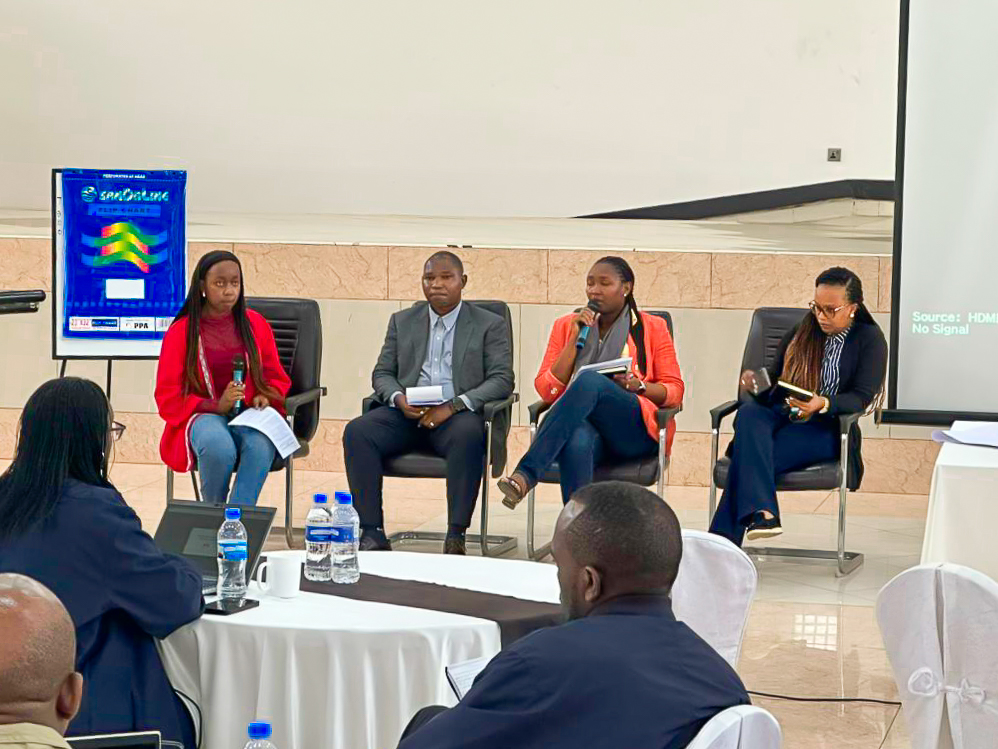
Access to finance remains central to scaling circular innovations.
At Equity Bank, Emmanuel Ngendahayo, Sustainability Manager explained that the bank provided both working capital and investment financing tailored to circular food enterprises. This included customized loan products for climate-smart agriculture, waste treatment, clean cooking energy, and resource-use efficiency.
He noted that flexible repayment schedules and longer loan durations were designed to reflect the realities of circular economy businesses.
In addition to financing, Equity Bank provided financial literacy programs, business coaching, and advisory services to help SMEs manage resources effectively.
Looking ahead, the bank aims to continue leveraging partnerships and integrating circular economy considerations into mainstream SME banking services, while monitoring both financial and environmental outcomes.
Technical and Business Development Support
The African Circular Economy Network (ACEN) supported SMEs at two levels.
Elke Nijman-Ross, ACEN project lead on Circular Food Systems, explained:
“ACEN provided technical assistance to SMEs by linking them with experts who delivered one-on-one support to the SMEs based on their needs. It ranged from providing training on integrating circular practices into companies’ business models, but also to developing new products from agricultural by-products or by processing crops, such as making pellets from coffee husks, or creating new food products by processing mushrooms to reduce food waste and loss.”
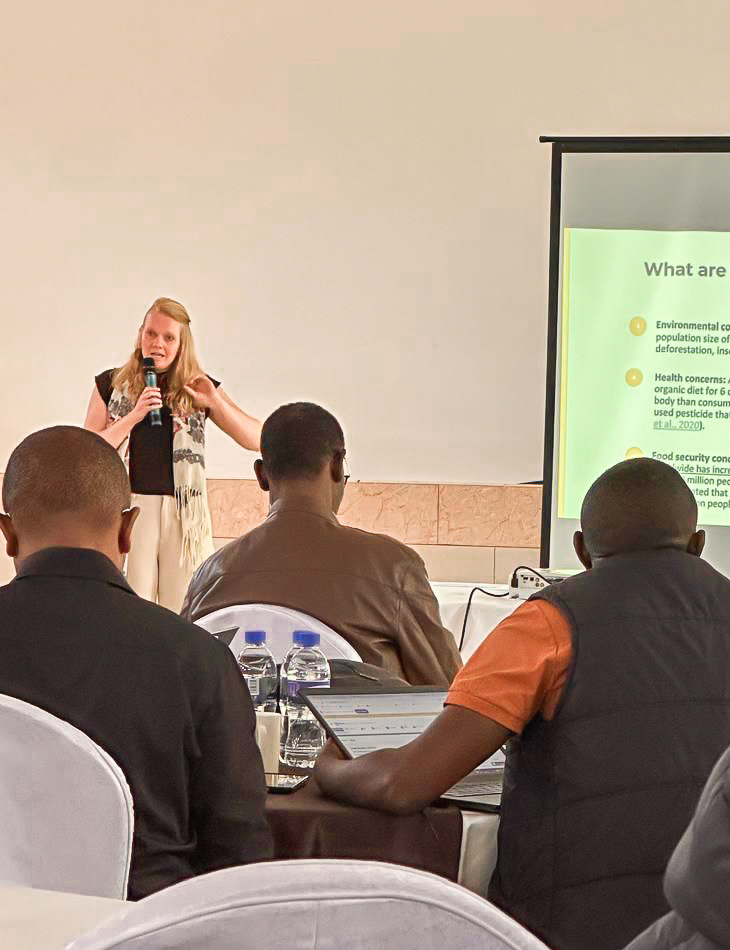
“We also supported companies conducting feasibility studies, up to helping companies in the preparation process to apply for certification for their newly developed products. The support was diverse and driven by the needs of the SMEs regarding circularity.” She elaborated.
“Lastly, we provided business development support, including improving business plans, financial projections, and supporting SMEs with investment applications for their circular innovations.” She concluded.
ACEN continues to maintain an online platform connecting SMEs and technical experts and aims to continue organising events to keep the circular economy community engaged beyond the project period.
The African Circular Economy Network (ACEN) provided technical assistance by connecting SMEs with experts and supporting the development of new products from by-products. The organization also supported the preparation of business plans, financial projections, and investment applications. It will continue to manage an online platform linking SMEs and experts.
The CPCIC connected SMEs with markets and various investors through the market linkage program and will continue to ensure this connection in the future. It will also continue to facilitate a platform bringing together SMEs and investors. Through various training sessions, CPCIC enabled SMEs to understand the importance of product certification and to prepare for certification.
Learning, Linking, and Leveraging
Through its REALMS project, SNV Netherlands Development Organisation provided grants and business development support to SMEs to catalyze green investment.
Claudette Imanishimwe, L&E Advisor at SNV told Earth Rwanda that SNV worked with INKOMOKO to deliver mentorship, financial modelling, branding strategies, leadership training, and investment readiness support. SMEs were also linked to financing opportunities through collaboration with the Rwanda Development Board.
After September, SNV will continue working under the P4FP program through three pathways:
Learn (building evidence),
Link (strengthening partnerships), and
Leverage (advocating for inclusive and affordable circular practices).
Beyond Project Implementation
The Circular Food Systems initiative has contributed to strengthening policy dialogue, technical capacity, financial access, and market readiness for SMEs.
But stakeholders acknowledge that continued effort is needed particularly in awareness raising, farmer capacity building, investment mobilization, and long-term institutional coordination.
September marks the end of a funding cycle not the end of collaboration.
The partnerships built, the platforms strengthened, and the lessons learned will continue shaping Rwanda’s journey toward resilient and inclusive circular food systems.
And that journey is still unfolding.




Related Articles
ChangeNOW 2026 in Paris: Where Belief Turns into Action for a Sustainable Future
As the curtains fell on ChangeNOW 2026, the atmosphere was anything but...
Uwimanimpaye Cyiza Marie ClemenceApril 6, 2026 
ChangeNOW 2026 Opens in Paris with an Inspiring and Eye-Opening First Day
Under the spectacular glass dome of the Grand Palais, the first day...
Uwimanimpaye Cyiza Marie ClemenceMarch 31, 2026 
“Unsafe Meat Can Lead to Zoonotic Diseases,”- Dr. Gaspard Simbarikure
In Burera District, a visit to a modern poultry processing facility reveals...
Uwimanimpaye Cyiza Marie ClemenceMarch 24, 2026 

VIBE Campaign Launches to Boost Food Quality and Job Creation in Rwanda
The Government of Rwanda has officially launched a nationwide awareness campaign under...
Uwimanimpaye Cyiza Marie ClemenceMarch 23, 2026
Leave a comment