



Rwanda Expands Education Partnership with Zimbabwe to Include Model Schools
 Uwimanimpaye Cyiza Marie ClemenceDecember 23, 20252 Mins read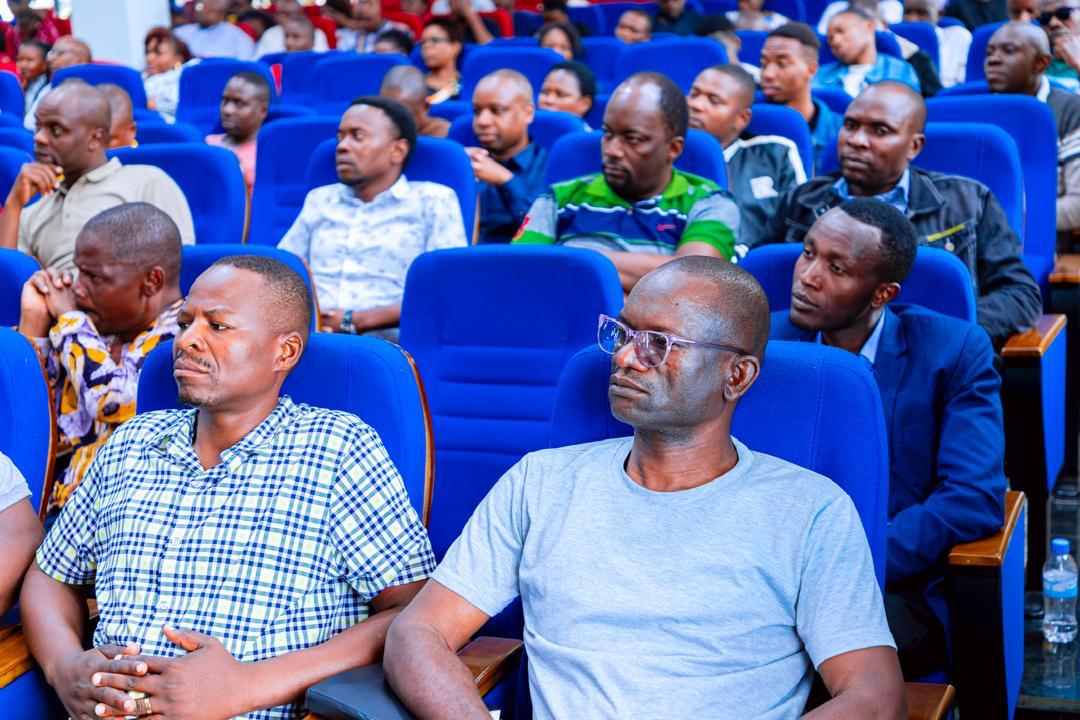
Rwanda has expanded its education cooperation with Zimbabwe to include model schools, marking a new phase in a bilateral program that had previously focused on Teacher Training Colleges (TTCs).
The move allows experienced Zimbabwean teachers to work directly in classrooms where student teachers carry out teaching practice, strengthening mentorship, English-language instruction, and day-to-day classroom delivery.
From TTCs to Model Schools
Since the start of the Rwanda–Zimbabwe teacher exchange program, Zimbabwean educators have mainly supported TTCs, helping to train future teachers. Education stakeholders say extending the program to model schools responds to practical needs observed in the field.
Teacher Thadee Nkezumuremyi from Groupe Scolaire Saint Laurent Cyahinda, which works with TTC Saint Jean Baptiste Cyahinda, said the initiative supports Rwanda’s broader education goals.
“Our priority is to improve the quality of education in line with the country’s vision of a knowledge-based economy,” he said.
“Working with Zimbabwean teachers helps us address existing gaps, particularly in English, while also strengthening professional skills among our teachers and student teachers.”
He added that consistent exposure to experienced educators helps prepare learners to compete on the international labor market.
Strengthening Practical Teacher Training
Model schools serve as training grounds where student teachers apply theory in real classroom settings. Education leaders say hosting Zimbabwean teachers in these schools strengthens mentorship in ways classroom lectures alone cannot.
Sister Angélique Nyirakanyana, Head Teacher of GS Mururu in Rusizi District, said the placement marks a shift from earlier arrangements.
“This is the first time Zimbabwean teachers are working directly with model schools,” she said.
“Student teachers benefit from learning alongside experienced professionals in real teaching situations.”
She noted that English remains a key challenge, particularly for teachers trained before it became the language of instruction.
“Daily interaction makes a difference,” she said. “It helps teachers improve naturally, both in language use and teaching confidence.”
Teachers Share Experience
Some of the Zimbabwean teachers say the transition to model schools allows them to contribute more directly to classroom learning and teacher mentorship.
Musongi Betty Perpetual, an English specialist with more than 15 years of teaching experience in Zimbabwe, said she is ready to support both learners and fellow teachers.
“I am prepared to work with my colleagues, share experience, and contribute to quality education,” she said.
Brighton Marumisa, a Wood Technology specialist, said the model school setting provides an effective environment for skills-based learning.
“Working with student teachers and learners in practical settings helps build strong technical skills,” he said.
Government Support and Long-Term Vision
The expansion aligns with Rwanda’s national education strategy. During the reception of a new group of 143 Zimbabwean teachers in Bugesera District, Minister of State for Education Claudette Irere called on them to demonstrate professionalism and dedication.
She emphasized that Rwanda is investing in teacher training institutions and school-based mentorship to ensure skills transfer is sustainable.
“Our objective is to build lasting capacity within the education system,” she said, adding that Rwanda hopes to one day support other countries through similar cooperation.
A Growing Partnership
Rwanda and Zimbabwe signed a bilateral education cooperation agreement in December 2021. Following this agreement, in February 2022, the first group of Zimbabwean teachers was deployed to support Rwandan teachers and students, particularly in Teacher Training Colleges (TTCs).
In December 2025, Rwanda welcomed another cohort of 143 Zimbabwean teachers, joining others already deployed in primary, secondary, and higher education institutions.
Education stakeholders say extending the program to model schools reflects confidence in its impact and reinforces the view that meaningful education reform begins in everyday classroom practice.



Related Articles

ChangeNOW 2026 Opens in Paris with an Inspiring and Eye-Opening First Day
Under the spectacular glass dome of the Grand Palais, the first day...
Uwimanimpaye Cyiza Marie ClemenceMarch 31, 2026 
“Unsafe Meat Can Lead to Zoonotic Diseases,”- Dr. Gaspard Simbarikure
In Burera District, a visit to a modern poultry processing facility reveals...
Uwimanimpaye Cyiza Marie ClemenceMarch 24, 2026 
VIBE Campaign Launches to Boost Food Quality and Job Creation in Rwanda
The Government of Rwanda has officially launched a nationwide awareness campaign under...
Uwimanimpaye Cyiza Marie ClemenceMarch 23, 2026 

10 Takeaways from Ghana’s Science Media Training
By Afia Agyapomaa Ofosu For many journalists, covering science can feel intimidating....
Uwimanimpaye Cyiza Marie ClemenceMarch 21, 2026
Leave a comment