




Made in Rwanda Goes Circular: From Innovation to Scale
 Uwimanimpaye Cyiza Marie ClemenceMarch 4, 20262 Mins read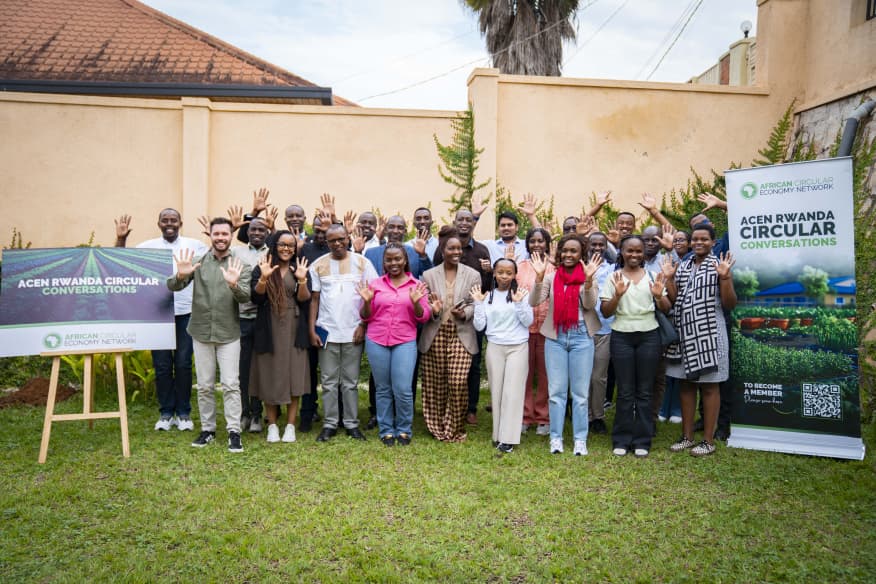
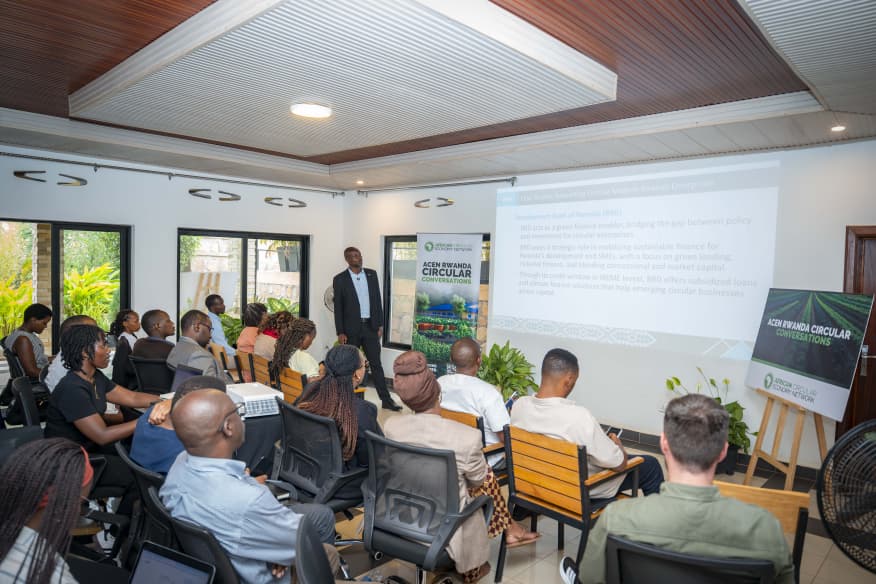
Last Friday, the Rwanda Chapter of the African Circular Economy Network (ACEN) hosted the Second Edition of its Circular Conversations series under the theme “Made in Rwanda Goes Circular.”
The event convened circular business leaders, policymakers, entrepreneurs, and development partners to explore how local enterprises are improving resource efficiency, reducing waste, and strengthening sustainable value chains. The gathering also marked 10 years of ACEN Rwanda Chapter, celebrating a decade of advancing circular economy solutions in Rwanda and across Africa.
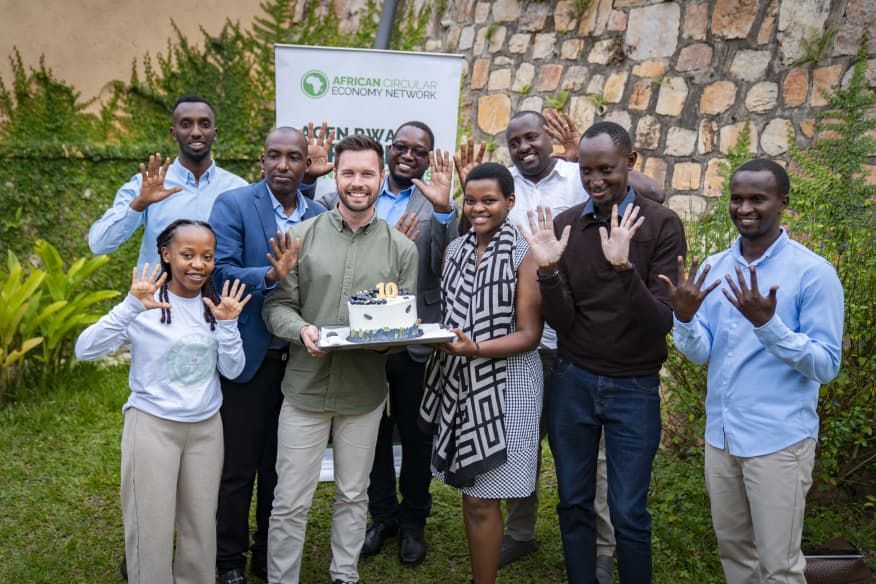
Beyond celebration, the message throughout the afternoon was clear: Rwanda has demonstrated that circular innovation works. The next step is scaling impact.
Circular Solutions Across Key Sectors
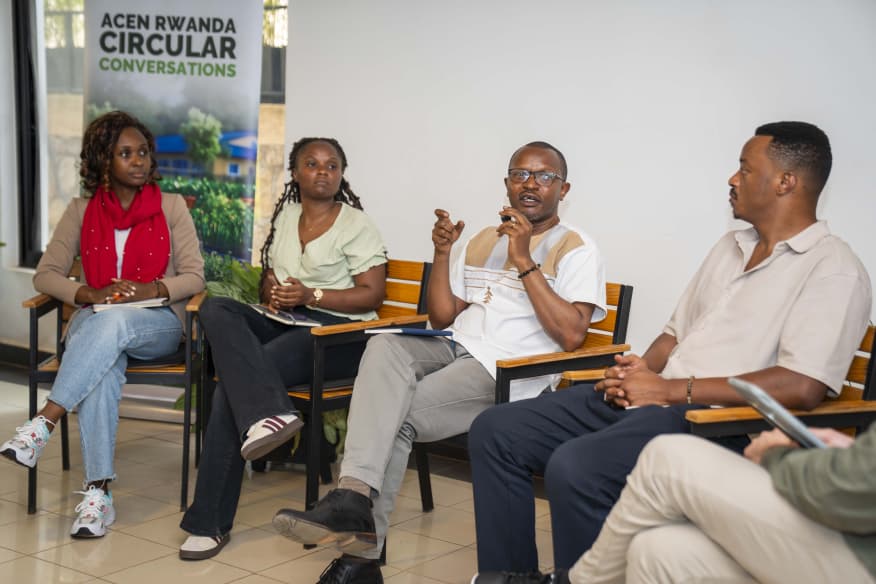
The panel featured representatives from the Rwanda Standards Board, SLS Energy, AFLIMBA, and Kigasali Coffee Company; each demonstrating how circularity is being embedded into Rwanda’s productive sectors.
In the coffee value chain, companies are rethinking how organic waste can become a resource, transforming by-products such as coffee pulp into compost and alternative energy inputs. These initiatives not only reduce environmental impact but also strengthen agricultural productivity and create additional revenue streams within the value chain.
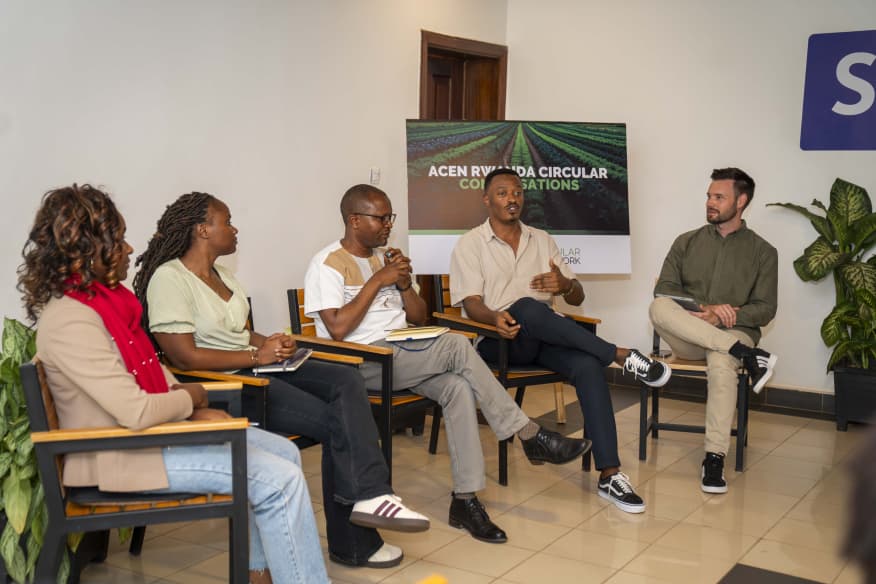
In the clean energy space, SLS Energy is extending the life of used electric vehicle batteries by repurposing them into energy storage systems under a product-as-a-service model. By offering storage through subscription-based access, the company is reducing battery waste while improving affordability and access to clean energy.
As Merci Hirwa, Business Development Manager at SLS Energy, explained:
“Circularity is not theory for us. We are extending battery life by five to seven years and making energy storage more accessible through a service model.”
The textile sector is also contributing to this shift, redesigning discarded materials into durable, high-quality products that compete on both value and design. Across sectors, the emphasis was consistent: circular businesses must compete on quality first.
Standards, Policy and the Road to Scale
A recurring theme during the discussion was the enabling role of standards and policy frameworks in accelerating circular growth.
According to Modeste Rubura Uwimana from the Rwanda Standards Board:
“Standards should not be seen as a barrier. They are an investment in quality and market access. When circular products meet defined standards, they gain credibility and can compete both locally and internationally.”
This perspective reframes certification not as a cost, but as a strategic tool for competitiveness and consumer trust.

At the policy and systems level, the importance of institutional support was equally emphasized. Daniel Nkubito from the Cleaner Production and Climate Innovation Center (CPCIC) noted:
“With the right policy environment and institutional support, circular enterprises can reduce costs, improve productivity, and strengthen Rwanda’s export position.”
These reflections align with Rwanda’s broader ambitions under its National Circular Economy Action Plan, which aims to move the country from pilot initiatives to systemic transformation.
For David Toovey, representing the African Circular Economy Network Rwanda Chapter, the shift requires a broader understanding of what circular economy truly means:
“Circular economy is bigger than waste management. It’s about redesigning systems to create value, strengthen resilience, and reduce environmental impact.”
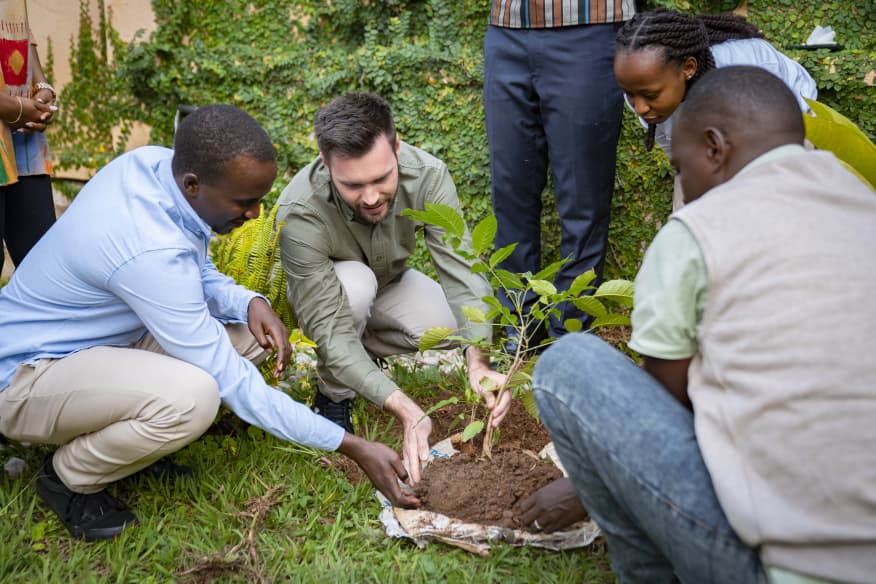
As Rwanda continues advancing circular innovation across agriculture, energy, textiles, and manufacturing, the focus now turns to speed and scale. The Second Edition of Circular Conversations reaffirmed a shared commitment: building a circular economy that is competitive, resilient, and proudly Made in Rwanda.
Other pictures of the event:




Related Articles
“Unsafe Meat Can Lead to Zoonotic Diseases,”- Dr. Gaspard Simbarikure
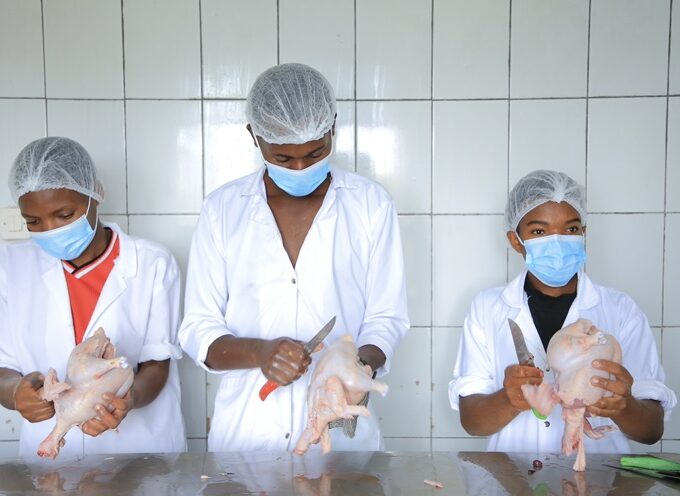
In Burera District, a visit to a modern poultry processing facility reveals...
Uwimanimpaye Cyiza Marie ClemenceMarch 24, 2026 
VIBE Campaign Launches to Boost Food Quality and Job Creation in Rwanda
The Government of Rwanda has officially launched a nationwide awareness campaign under...
Uwimanimpaye Cyiza Marie ClemenceMarch 23, 2026 
10 Takeaways from Ghana’s Science Media Training
By Afia Agyapomaa Ofosu For many journalists, covering science can feel intimidating....
Uwimanimpaye Cyiza Marie ClemenceMarch 21, 2026 

Turning Climate Commitments into Action: Voices from Rwanda on the Environment and Climate Change Mainstreaming Strategy
Rwanda has taken another step in strengthening its climate and environmental governance...
Uwimanimpaye Cyiza Marie ClemenceMarch 10, 2026
Leave a comment