



Green Gicumbi: Restoring Land, Rebuilding Lives
 Uwimanimpaye Cyiza Marie ClemenceJuly 22, 20251 Mins read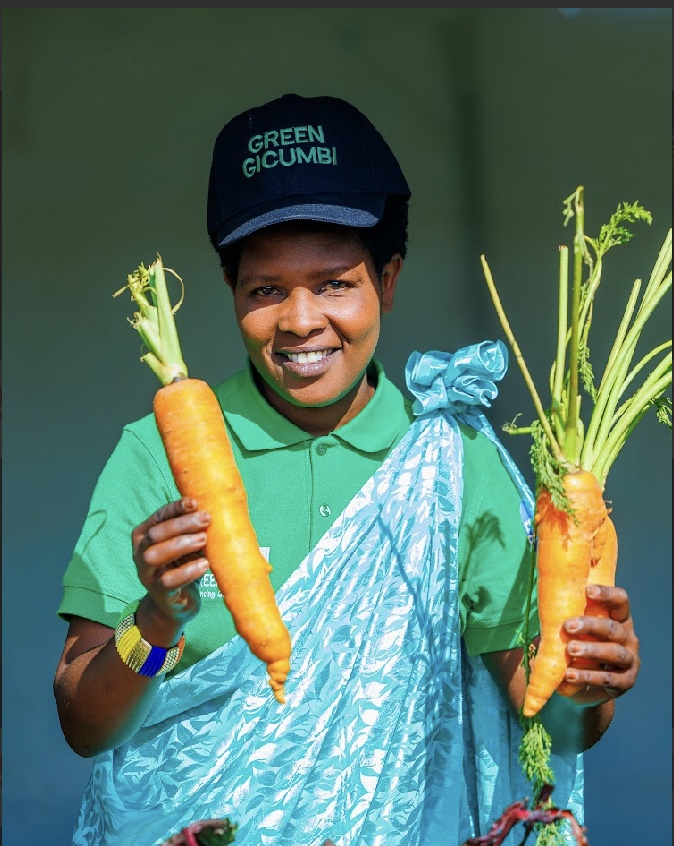
Over the last six years, hills once scarred by erosion in Rwanda’s Gicumbi District have slowly turned green again. This transformation is thanks to the Green Gicumbi Project—an ambitious climate resilience initiative funded by the Green Climate Fund and led by Rwanda’s Ministry of Environment.
But this isn’t just about planting trees or digging terraces. It’s about improving lives.
Fighting Erosion, One Terrace at a Time
For many farmers in Gicumbi, steep hillsides once meant poor harvests and constant worry during heavy rains. Today, with over 1,450 hectares of land terraced, those same hills are producing more food and are far less vulnerable to erosion.
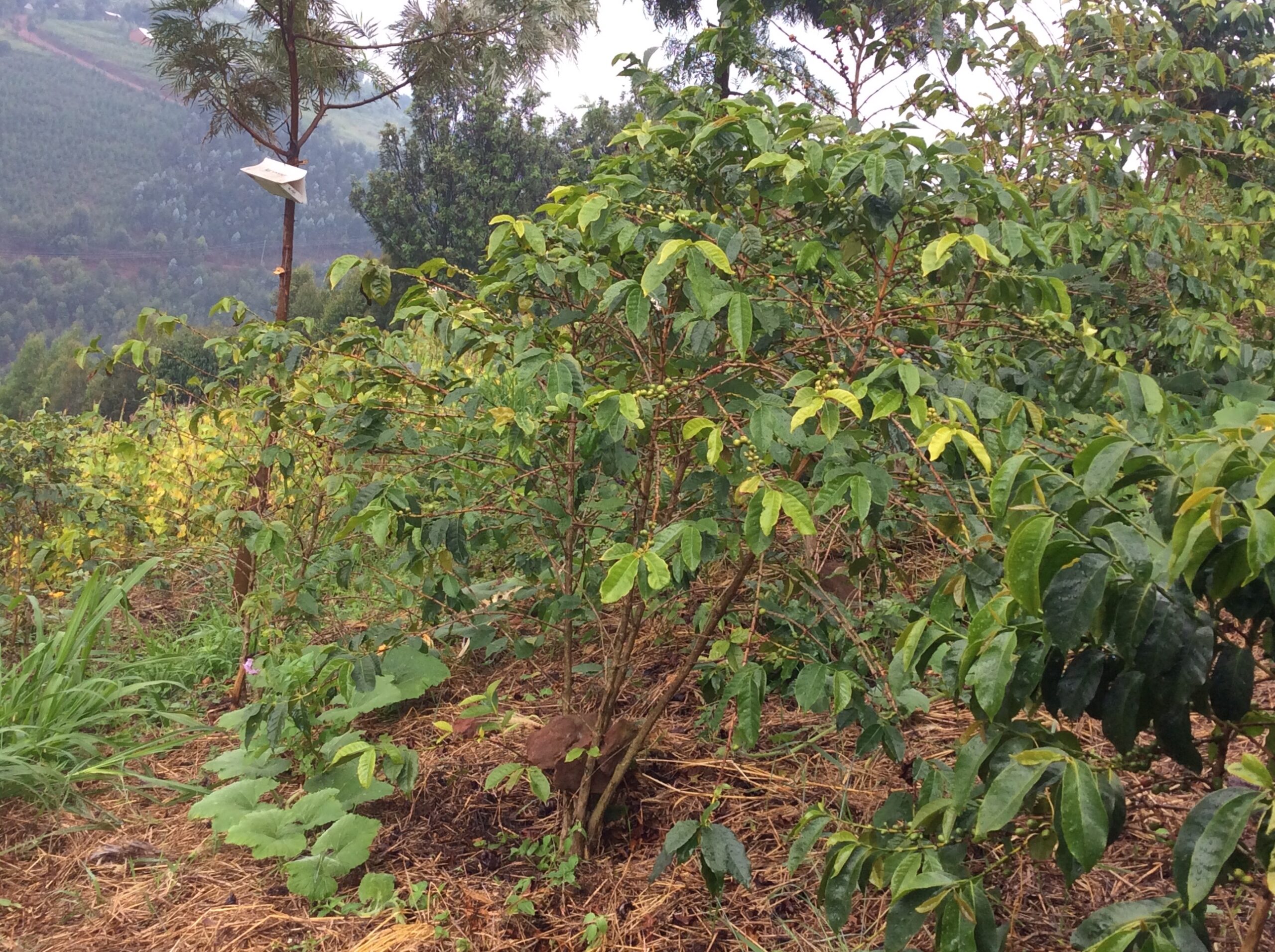
Alongside terracing, the project introduced upland tea and coffee plantations—bringing income to more than 600 farmers. These efforts have helped restore the soil and strengthen people’s livelihoods.
Livelihoods That Last
Support didn’t stop at the fields. Through the Girinka program, 245 families received cows and are now benefiting from milk and organic fertilizer.
Climate-smart agriculture also means using data wisely. The project set up three weather stations to help farmers better predict rainfall and plan their work. Meanwhile, 25 cooperatives were supported to develop profitable, climate-friendly business ideas, and over Rwf 1.3 billion has been invested in these community-driven projects.
Greener Forests, Cleaner Energy
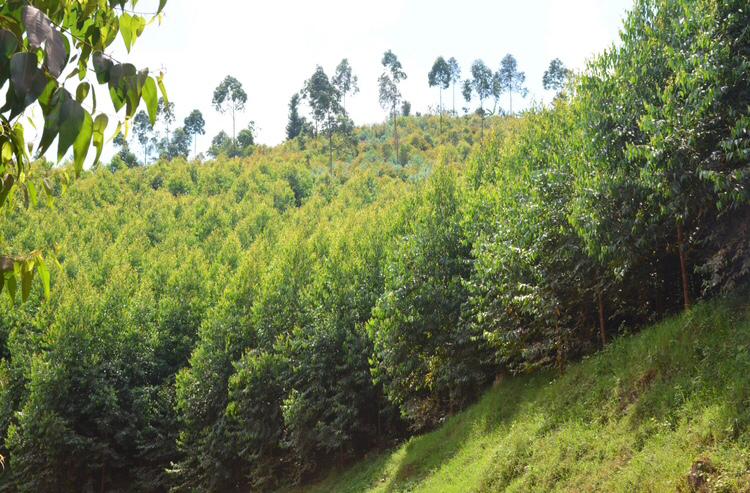
The forests around Gicumbi are coming back to life. The project helped rehabilitate 2,200 hectares of degraded forest and planted over 10,000 hectares with agroforestry and protective trees—strengthening Rwanda’s climate action.
Perhaps one of the most personal changes has come in the kitchen: more than 31,000 households now cook using improved stoves, which use less firewood and produce less smoke. At schools, 70 large clean cookstoves were installed, reducing wood consumption and making life easier for school cooks.
Beekeeping also got a boost: over 500 modern beehives were distributed, opening new opportunities for honey production and income generation.
Combined, these efforts have helped Rwanda avoid an estimated 214,000 tons of carbon emissions—a meaningful contribution to global climate goals, rooted in local action.
A Ripple of Hope
At its heart, the Green Gicumbi Project is about resilience—of the land, and more importantly, of people.
It’s about farmers gaining confidence, women leading cooperatives, and children breathing cleaner air. These community-led efforts are laying the groundwork for a greener, more sustainable future across Gicumbi District.

Related Articles
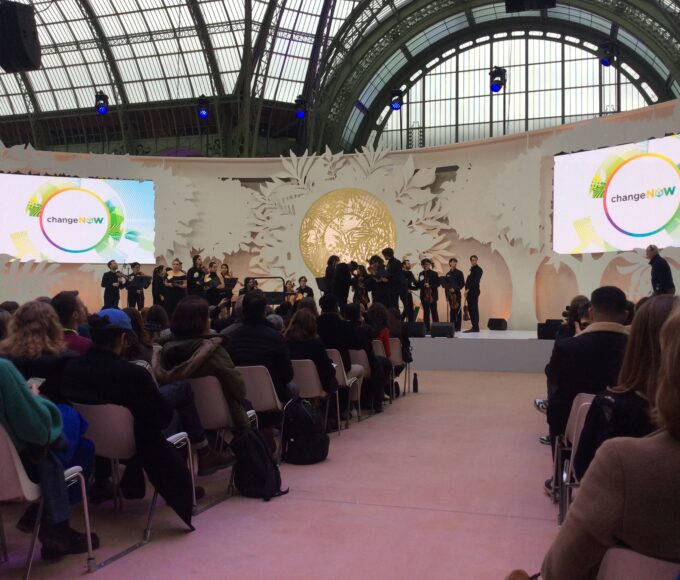
ChangeNOW 2026 in Paris: Where Belief Turns into Action for a Sustainable Future
As the curtains fell on ChangeNOW 2026, the atmosphere was anything but...
Uwimanimpaye Cyiza Marie ClemenceApril 6, 2026 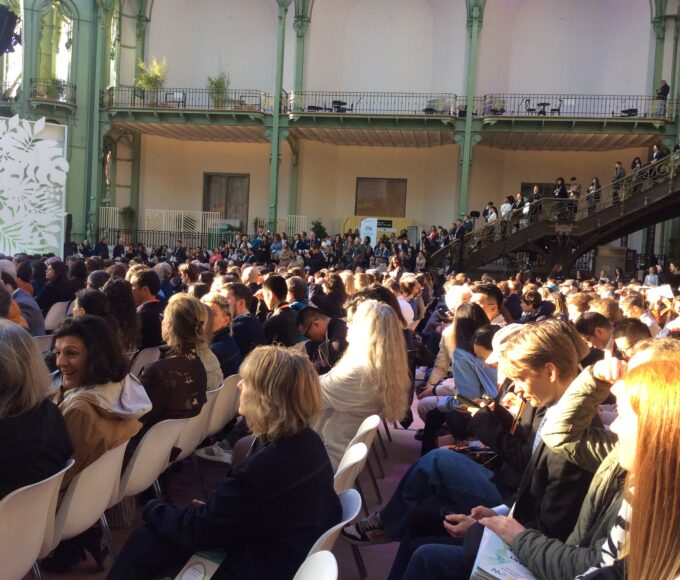
ChangeNOW 2026 Opens in Paris with an Inspiring and Eye-Opening First Day
Under the spectacular glass dome of the Grand Palais, the first day...
Uwimanimpaye Cyiza Marie ClemenceMarch 31, 2026 
“Unsafe Meat Can Lead to Zoonotic Diseases,”- Dr. Gaspard Simbarikure
In Burera District, a visit to a modern poultry processing facility reveals...
Uwimanimpaye Cyiza Marie ClemenceMarch 24, 2026 

VIBE Campaign Launches to Boost Food Quality and Job Creation in Rwanda
The Government of Rwanda has officially launched a nationwide awareness campaign under...
Uwimanimpaye Cyiza Marie ClemenceMarch 23, 2026
Leave a comment