


Breaking Climate Silos: What a Week in Naivasha Taught Me About Forecasting
 Uwimanimpaye Cyiza Marie ClemenceDecember 16, 20254 Mins read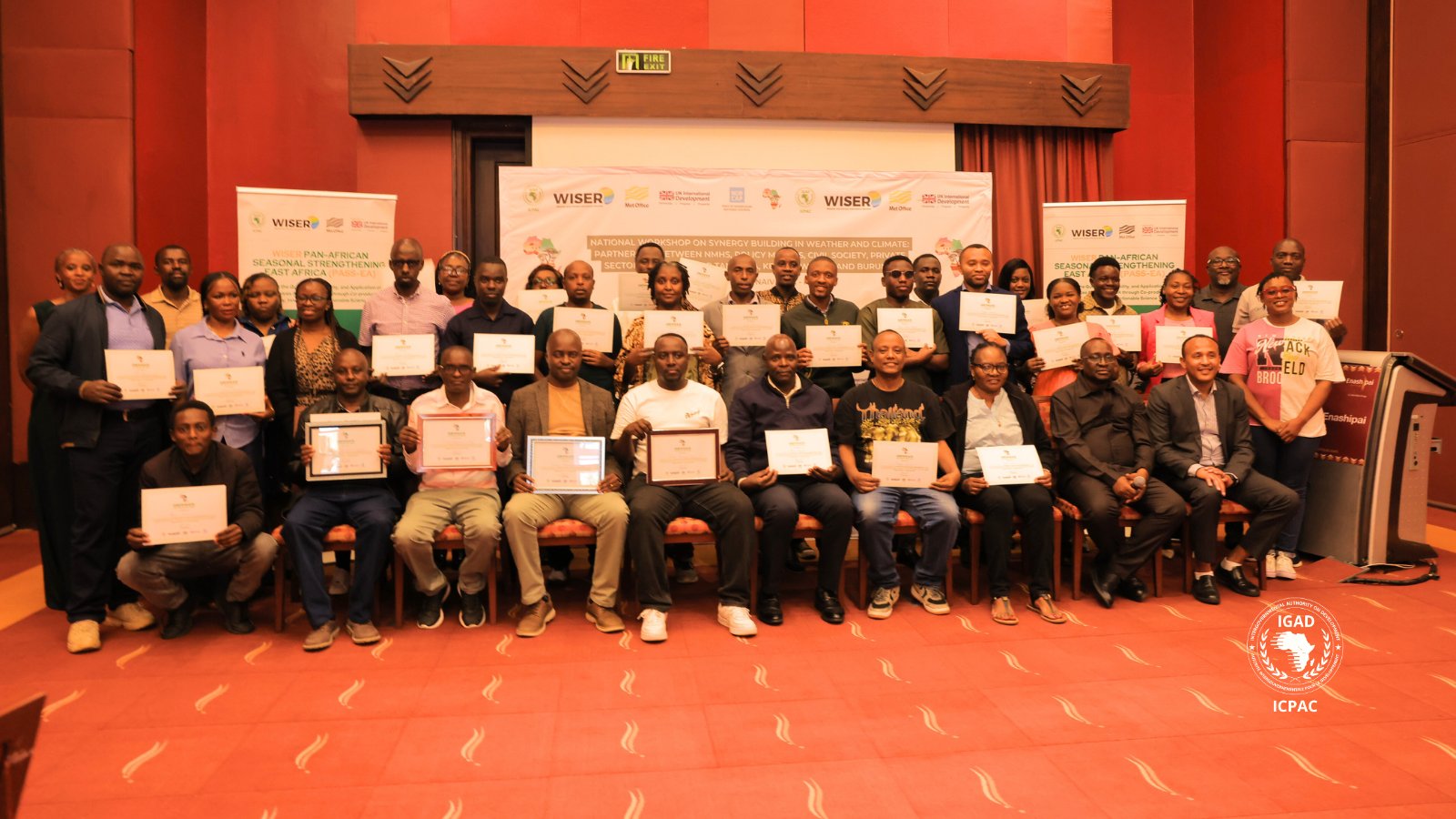
A week in Naivasha opened my eyes to the power of climate information. From forecasts to everyday decisions, from breaking sector silos to involving children and youth, I discovered that climate data is more than numbers: it’s a lifeline for communities across the Greater Horn of Africa.
Before the workshop, as a journalist, I thought I knew about seasonal outlooks and rainfall predictions. I understood the basics, but I didn’t grasp the full scale of what climate information can do. And I wasn’t the only one; many participants, from scientists to policymakers, shared the same revelation, especially on how working in silos could lead to catastrophic decisions and impacts.
What I realized is that everyone needs to know this: climate information doesn’t just tell you where and when the rain will fall. It informs everyday decisions, shapes policies, guides humanitarian action, and underpins almost everything we do in our societies.
If a journalist like me, with access to reports, workshops, and climate data, only knew a little, imagine the many people who don’t get these opportunities: farmers, pastoralists, local leaders, or vulnerable communities.
Many people hear the phrase “climate information forecasting” and think it’s only about rainfall patterns. It’s far more than that. It’s a tool for understanding risks, planning for the future, and even saving lives.
From Forecasts to Action in the Greater Horn of Africa
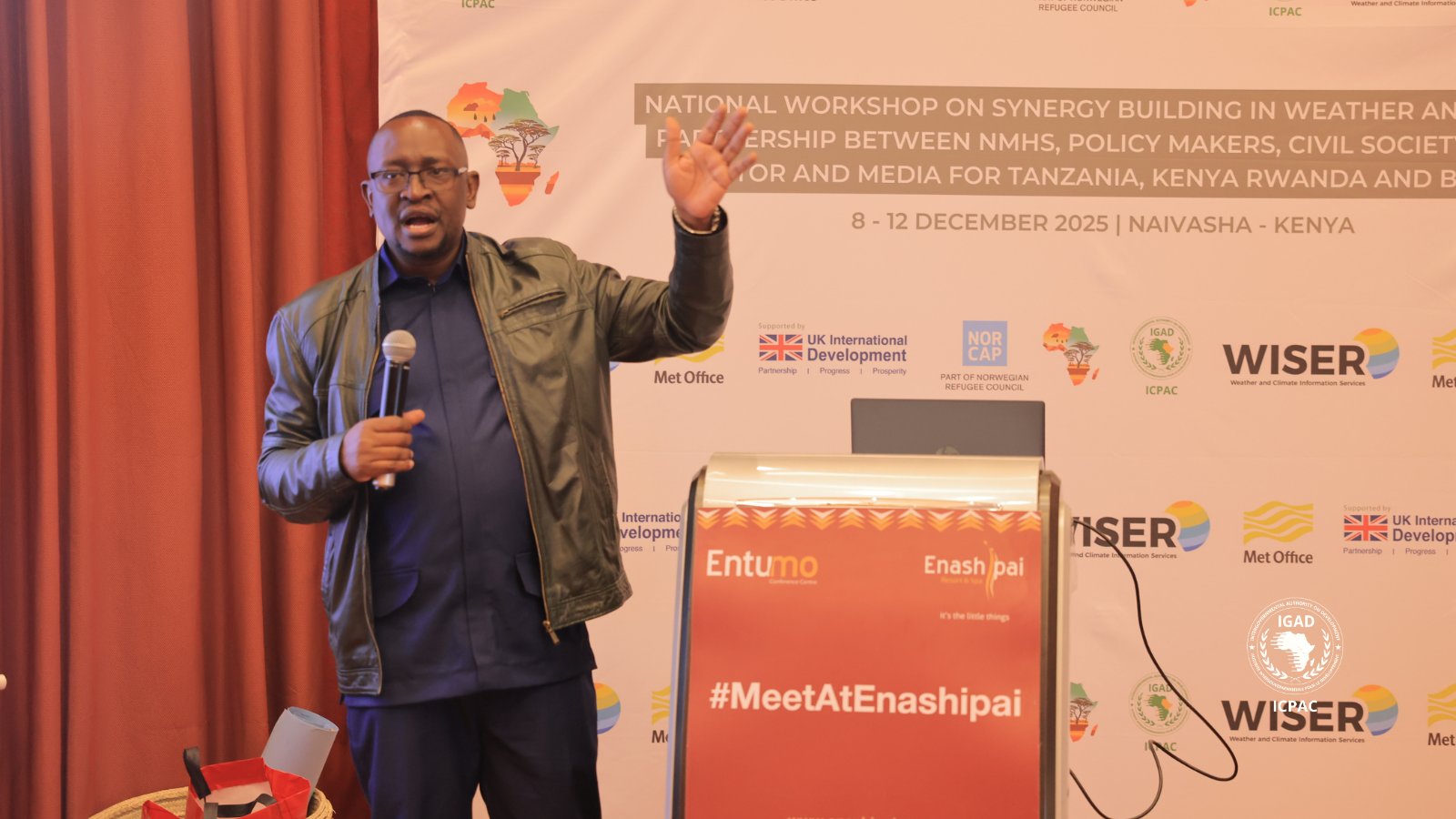
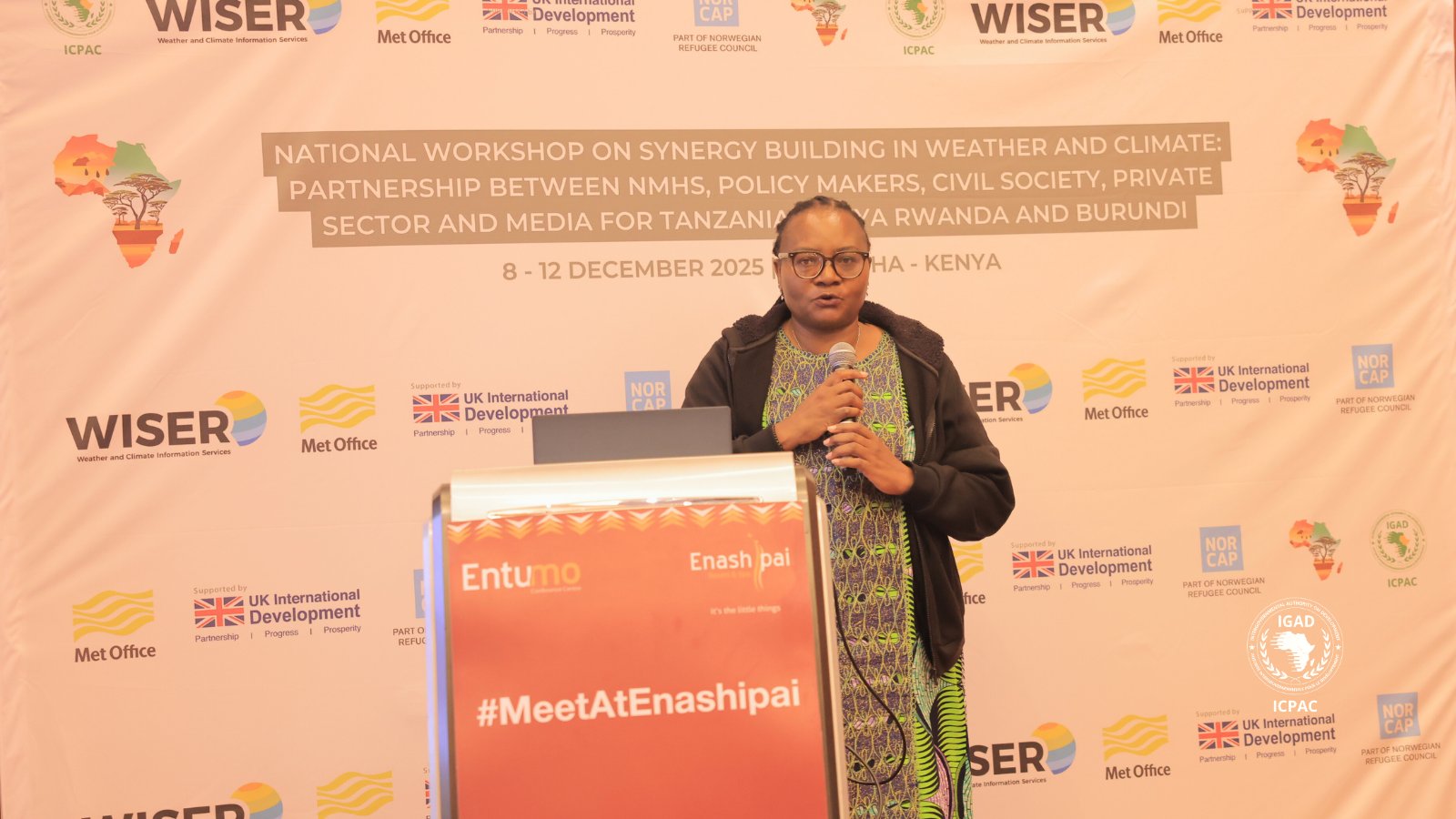
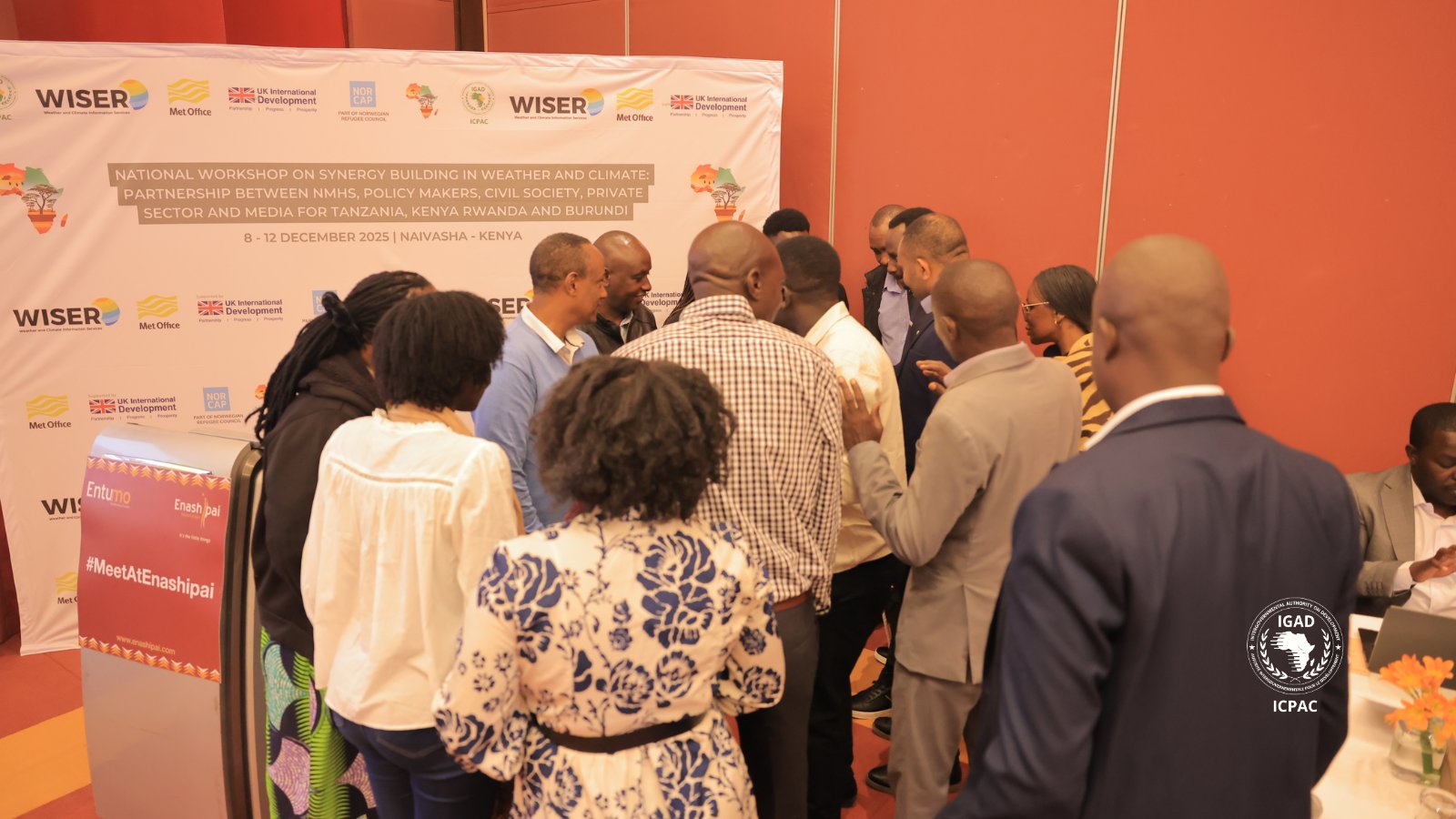
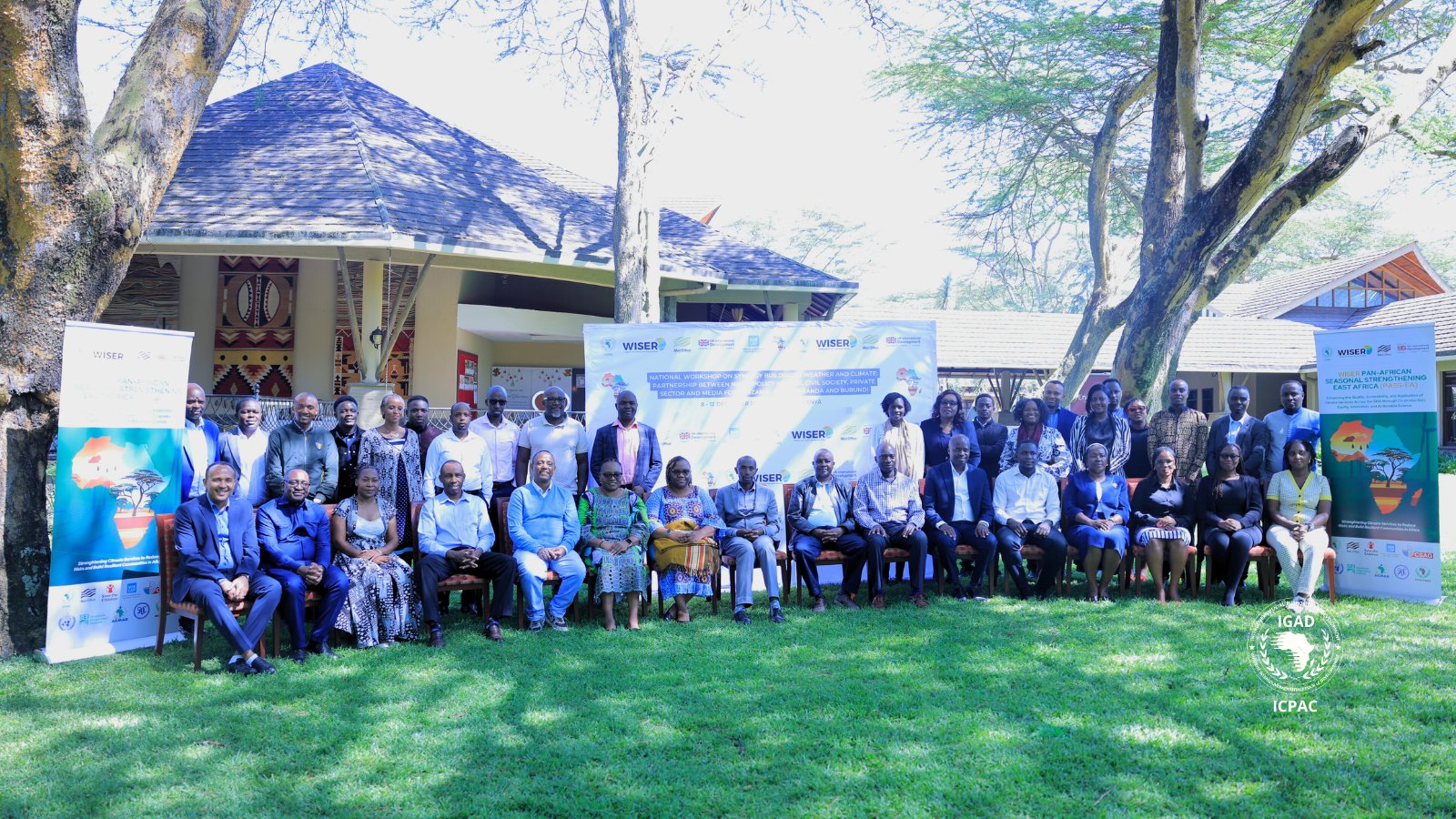
The Naivasha workshop was part of a wider regional effort under the WISER Africa programme, bringing together national meteorological services, policymakers, civil society, journalists, and private sector actors from Kenya, Tanzania, Rwanda, and Burundi. The aim was to strengthen how climate services are produced, communicated, and applied across the Greater Horn of Africa.
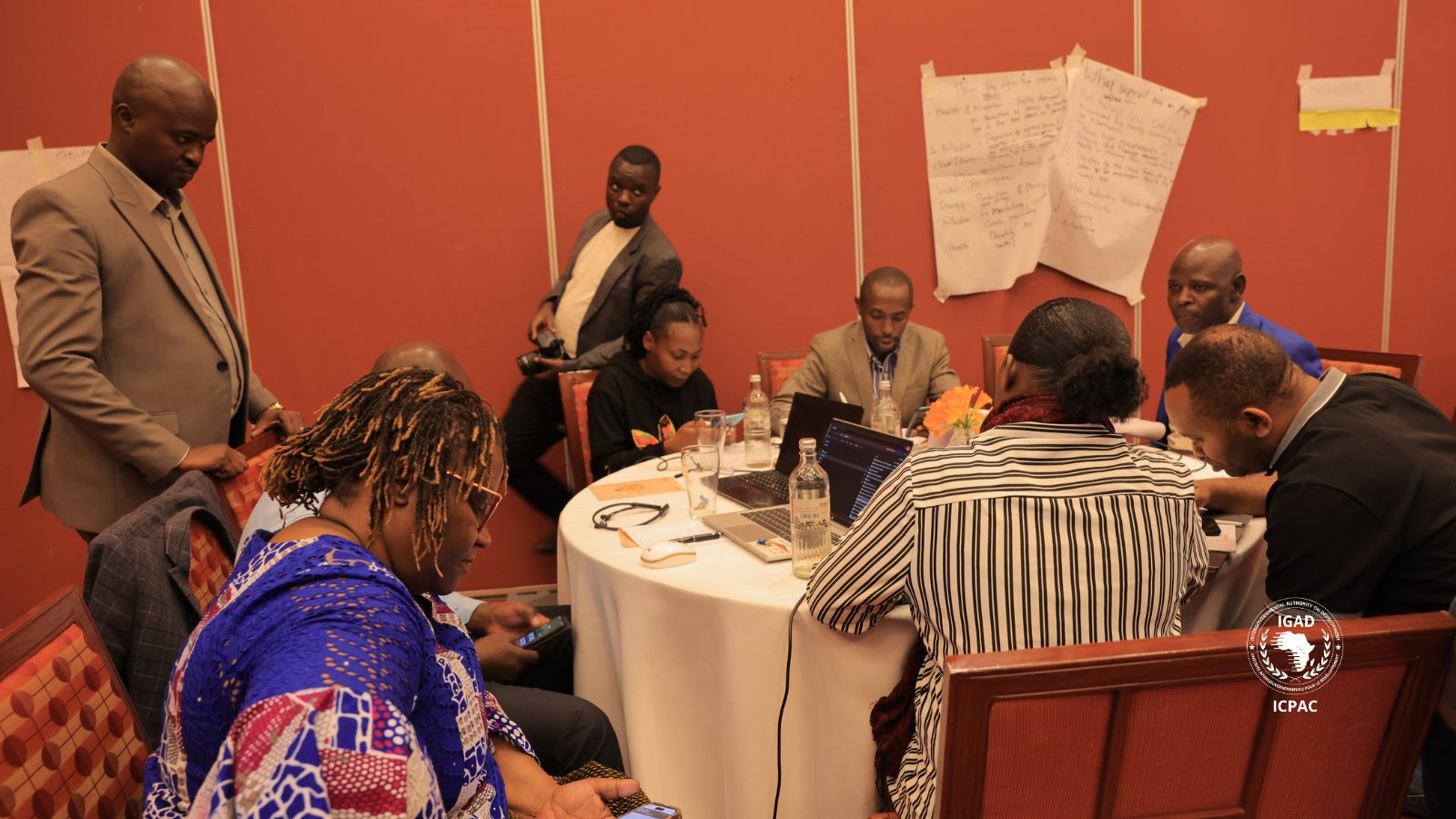
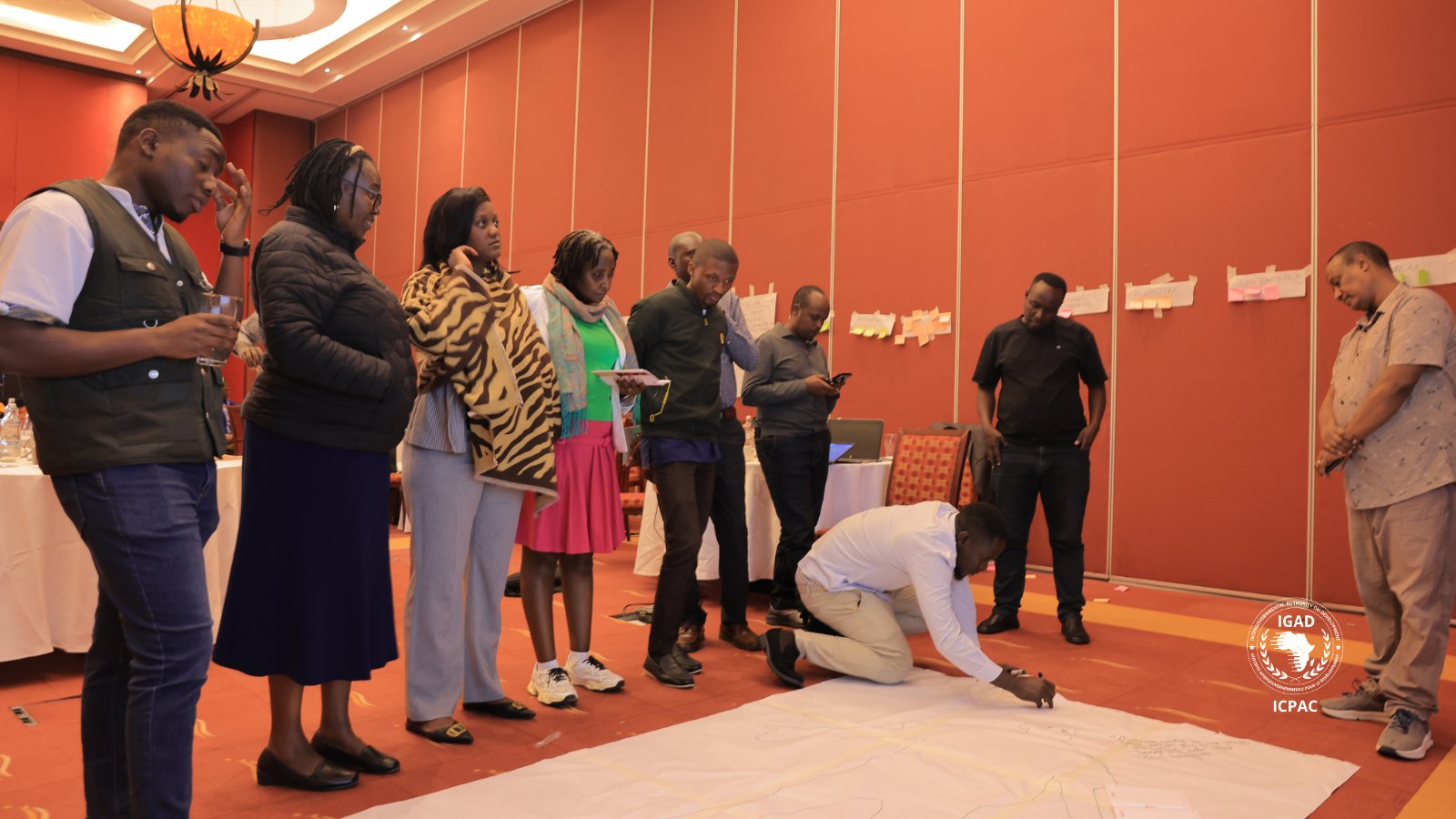
Throughout the week, discussions returned to a shared challenge: climate information exists, but too often remains trapped in institutional or sectoral silos. Beyond releasing forecasts, gaps persist in interpretation, access, and trust; gaps that can delay preparedness and increase vulnerability.
Climate Information as a Regional Lifeline
Dr. Titike Bahaga, a climate scientist at the IGAD Climate Prediction and Applications Centre (ICPAC), highlighted the region’s exposure to climate extremes and the growing urgency of usable climate information:
“We produce climate information from weekly to long-term climate change timescales for the Greater Horn of Africa; a region highly vulnerable to climate variability and extremes. Currently, parts of the region are facing drought, with below-normal rainfall for the October–November–December 2025 season.”
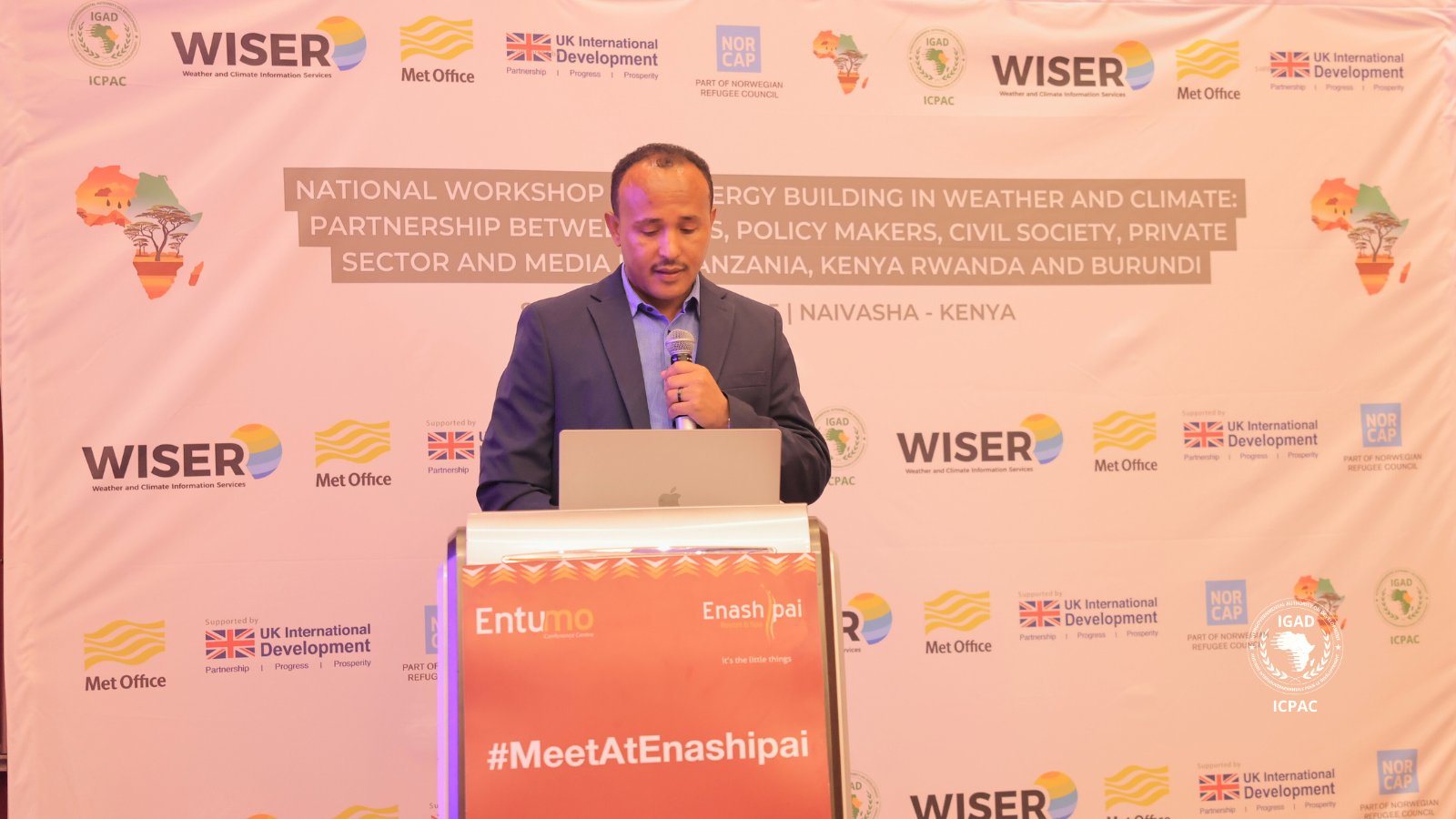
“One of the main challenges is reaching communities and stakeholders so that they can interpret and use this information to make decisions about farming, water, energy, and disaster preparedness.” He added.
Dr. Bahaga also explained the role of media and national workshops:
“Media has power. When journalists understand climate science and seasonal forecasting, they can translate this information into local languages and share it widely through radio, TV, and community platforms. This is how climate information reaches vulnerable communities and builds resilience.”
He added that the workshop, supported by the UK Foreign, Commonwealth & Development Office through the WISER PASS East Africa initiative, is part of a broader effort to ensure forecasts are not only generated but understood and used by all stakeholders.
The Media as a Bridge Between Science and Society
Kenyan Journalism trainer Isaac Sagara emphasized the critical role of the media in breaking climate silos:
“Climate change directly affects livelihoods; food security, displacement, health, and human well-being. That is why journalists must address it and report responsibly. Accurate reporting translates complex forecasts into information people can understand and use.”
He highlighted the impact of their work:
“I have trained over a thousand journalists across East Africa, helping them understand climate information and report on it accurately. When people hear about climate change on radio, TV, or social media, even in remote areas, they become aware, understand the risks, and can take action. That is how climate information reaches the ground and becomes useful.”
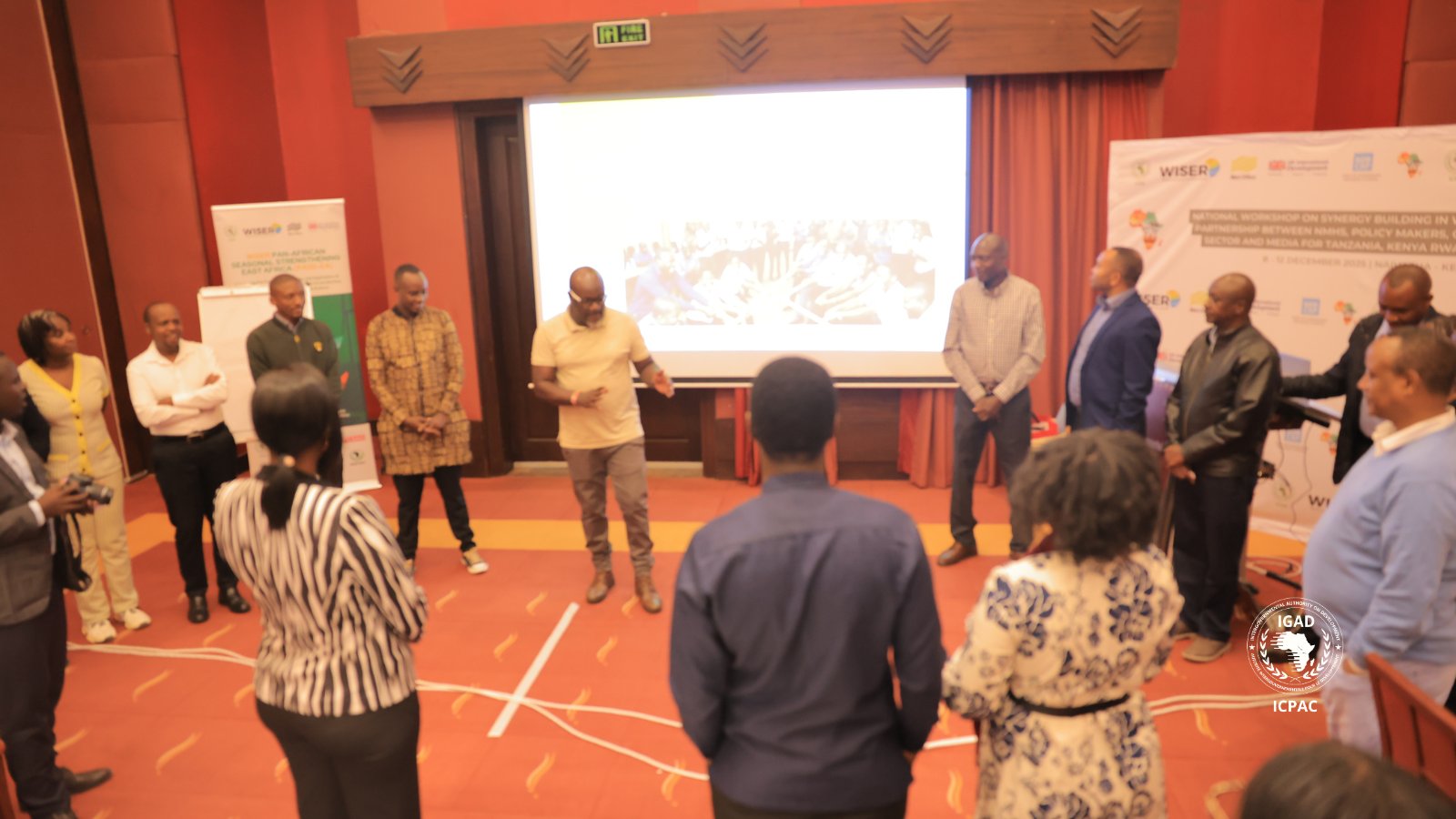
Including Children and Youth in Climate Information Systems
I didn’t realize before the workshop that children could understand climate issues or that it’s necessary to involve them. I used to think that as long as adults and parents were in charge, there was no need to worry children with these matters. But the workshop showed me otherwise. Children are among the most affected by climate hazards, yet their experiences differ widely depending on age, context, and circumstances.
With the assistance of Save the Children, participants emphasized that children should have safe spaces to share their perspectives, ideas, and priorities, without being pressured to represent others or advance adult agendas.
Listening to children, responding to what they share, and involving them in follow-up can make climate information systems more inclusive. When children are treated as rights-holders with valuable insights, forecasts and climate services better reflect lived realities and support long-term resilience.
Breaking Silos, Building Resilience
By the end of the week, one message stood out clearly: climate forecasting becomes truly effective only when silos are broken.
As a journalist, I’ve often noticed how different sectors may give differing information or refer questions elsewhere, and sometimes actions in one sector can unintentionally counter efforts in another. This highlights how working separately can limit the full impact of climate information.
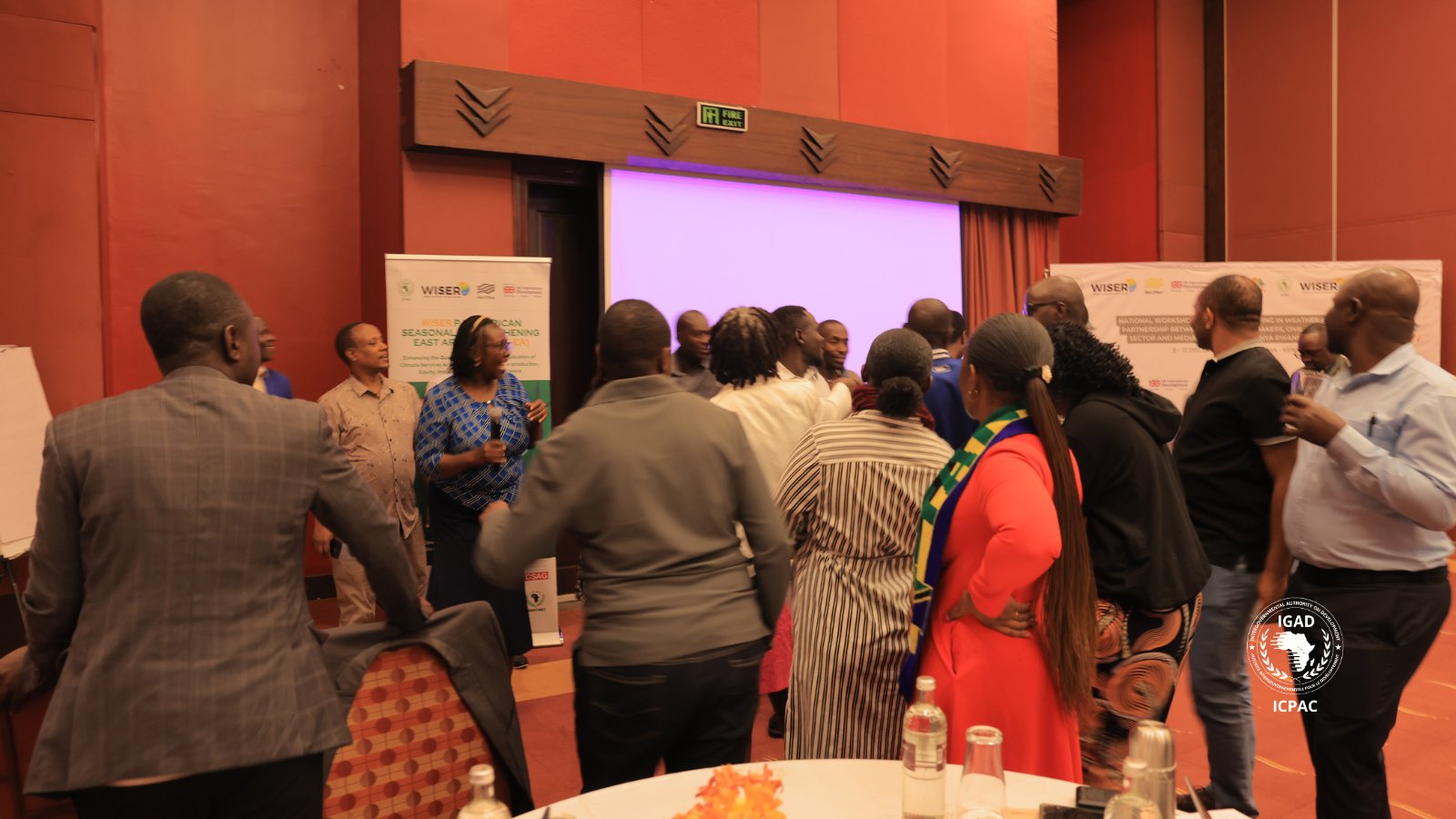
When scientists, journalists, policymakers, and communities communicate and collaborate, forecasts stop being just data; they become tools for awareness, preparedness, and action.
Final Reflection
A week in Naivasha taught me that climate information forecasting is not “everything” because it predicts the future perfectly. It is everything because it gives societies a chance to prepare, adapt, and reduce risk before climate shocks turn into crises.
When climate information is communicated in ways people understand and trust, a forecast becomes more than data. It becomes a lifeline.
Other pictures:

Related Articles
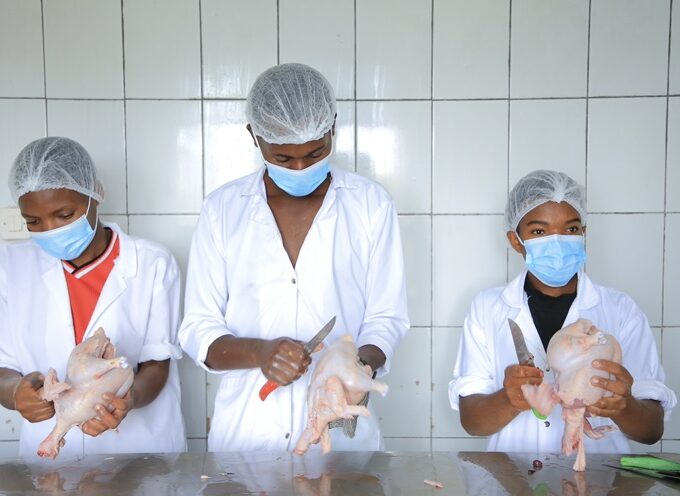
“Unsafe Meat Can Lead to Zoonotic Diseases,”- Dr. Gaspard Simbarikure
In Burera District, a visit to a modern poultry processing facility reveals...
Uwimanimpaye Cyiza Marie ClemenceMarch 24, 2026 
VIBE Campaign Launches to Boost Food Quality and Job Creation in Rwanda
The Government of Rwanda has officially launched a nationwide awareness campaign under...
Uwimanimpaye Cyiza Marie ClemenceMarch 23, 2026 
10 Takeaways from Ghana’s Science Media Training
By Afia Agyapomaa Ofosu For many journalists, covering science can feel intimidating....
Uwimanimpaye Cyiza Marie ClemenceMarch 21, 2026 

Turning Climate Commitments into Action: Voices from Rwanda on the Environment and Climate Change Mainstreaming Strategy
Rwanda has taken another step in strengthening its climate and environmental governance...
Uwimanimpaye Cyiza Marie ClemenceMarch 10, 2026
Leave a comment