




Rwanda Hosted Continental Meeting to Harmonize Textile Standards and Boost Intra-African Trade
 Uwimanimpaye Cyiza Marie ClemenceMarch 8, 20263 Mins read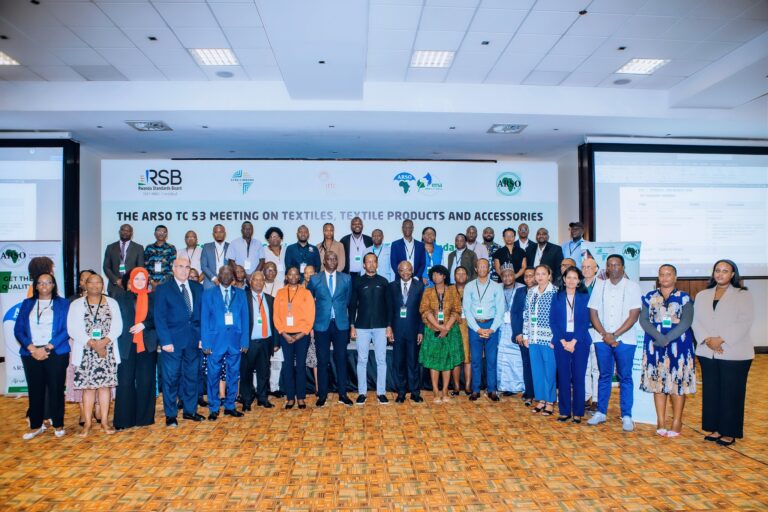
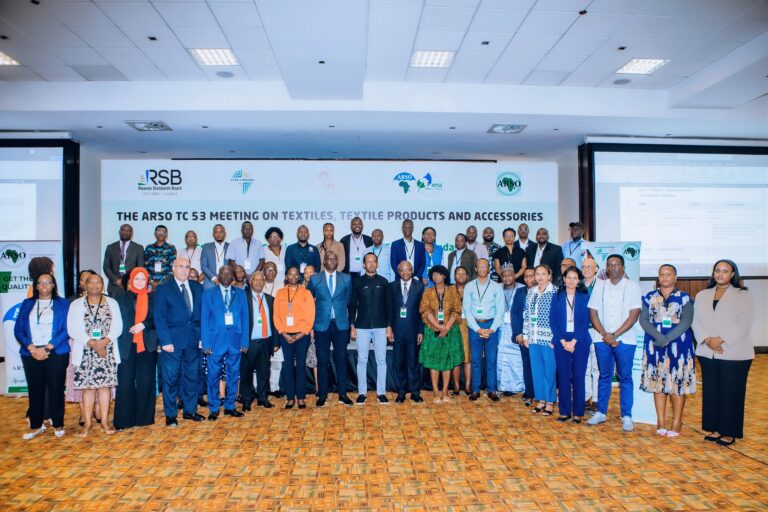
Rwanda hosted a continental meeting of the African Organization for Standardization (ARSO) last week, bringing together experts from 16 African countries to advance the harmonization of quality standards in the textile and clothing sector.
Held in Kigali from 3 to 6 March 2026, the meeting focused on developing and reviewing common African standards for textiles, textile products, accessories and related materials. The initiative aims to remove technical barriers that often hinder trade between African countries while strengthening industrial development across the continent.
Toward Common Textile Standards for Africa
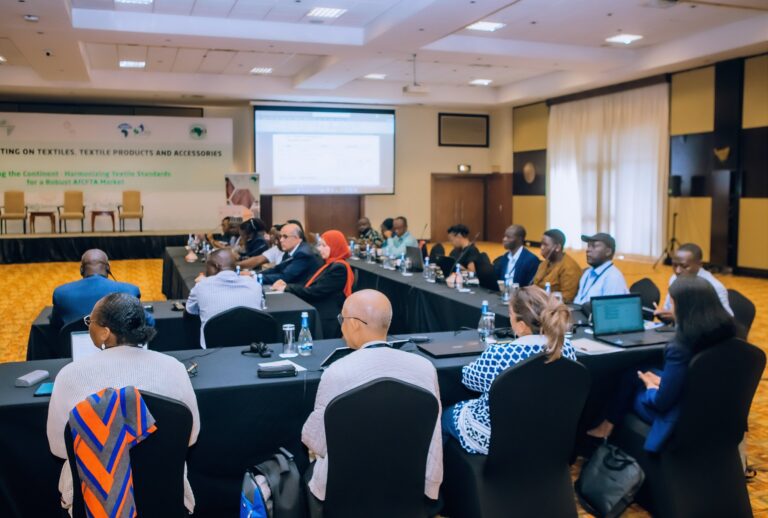
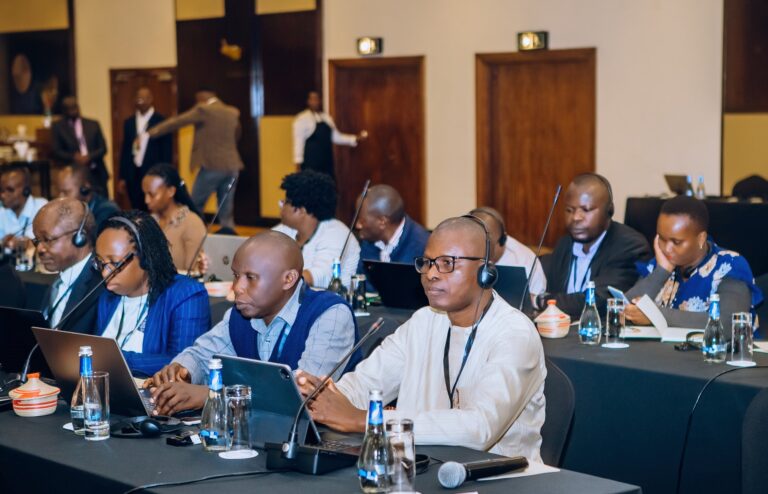
During the four-day meeting, experts examined 25 proposed continental standards covering textiles, clothing materials, related products and footwear. The goal is to establish a unified framework that can be used across African markets, replacing the patchwork of national regulations that currently exists in many countries.

Harmonized standards would allow products certified in one African country to be accepted in others without undergoing repeated testing or additional certification procedures.
According to Emmanuel Gatera, Director of the Standards Development Department at the Rwanda Standards Board (RSB), aligning standards across Africa will significantly benefit manufacturers.
“When standards are harmonized, a product certified in Rwanda can access other African markets without being tested again,” he explained. “This reduces both the cost and time associated with multiple laboratory tests and facilitates smoother trade.”
He added that common standards will also help attract investors and expand markets for locally produced goods, especially under the framework of the African Continental Free Trade Area (AfCFTA).
Expanding Opportunities for Rwandan Industries
Rwanda’s participation in continental standardization initiatives is already yielding tangible results. According to RSB, more than 40 Rwandan industries have already obtained quality certification covering 72 different products, allowing them to export more easily across the continent.
In addition, 32 other Rwandan companies that meet the required standards are set to receive certification enabling them to sell their products in African markets without undergoing additional conformity assessments.
These certifications were delivered under the African Conformity Assessment Program, which supports businesses in implementing harmonized African standards and facilitates the movement of certified goods across the continent.
Officials say the initiative will further strengthen Rwanda’s “Made in Rwanda” policy while enabling local industries to compete more effectively in regional markets.
Reducing Costs Through “One Standard, One Test”
Dr Hermogene Nsengimana, Secretary General of the African Organization for Standardization, emphasized that the organization is working toward a system based on the principle of “One Standard, One Test, One Certificate.”
Currently, companies exporting goods often face repeated laboratory testing and compliance procedures in different countries, which increases costs and delays market entry.
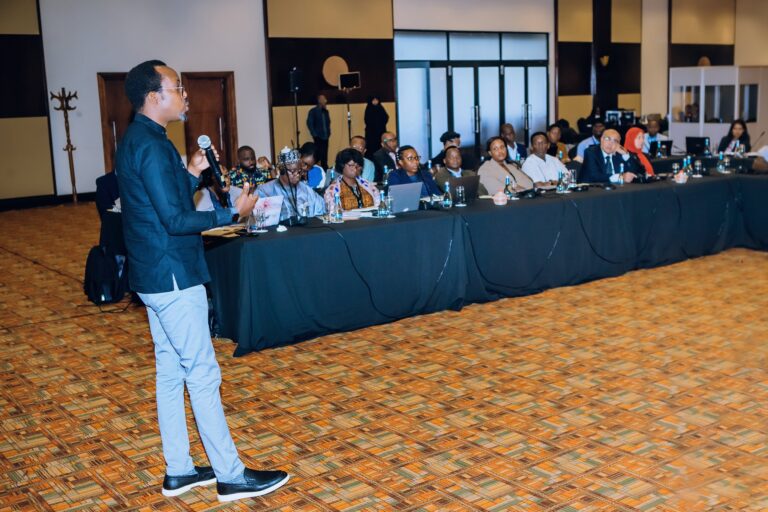
Dr Nsengimana noted that adopting common standards will reduce these challenges and help African industries become more competitive.
He also indicated that approximately 25 percent of the standards required for the African market have already been developed, with further work underway.
“Using a single standard means countries can accept each other’s certified products without repeating tests,” he said. “This will significantly facilitate trade between African nations.”
Strengthening Regional Trade Cooperation
At the conclusion of the meeting, Rwanda signed Mutual Recognition Agreements with the Republic of the Congo and Zimbabwe. These agreements aim to strengthen collaboration in standardization and ensure the mutual recognition of conformity assessment results between the participating countries.
The agreements will allow certified products from Rwanda to enter those markets without undergoing additional testing procedures, helping accelerate cross-border trade.
Boosting Africa’s Textile and Manufacturing Sectors
The textile and clothing sector is widely viewed as one of Africa’s key industries for industrialization and job creation. By harmonizing standards across the continent, ARSO and its partners aim to build a more integrated African market where manufacturers can trade more easily and expand their production.
For Rwanda, hosting the meeting reinforced the country’s role in promoting regional trade cooperation and quality infrastructure development. Officials believe the initiative will not only enhance the competitiveness of local industries but also contribute to broader economic integration across Africa.




Related Articles
Rwanda puts carbon markets at centre of climate finance push ahead of CMAS 2026
Rwanda is preparing to put carbon markets at the centre of its...
Uwimanimpaye Cyiza Marie ClemenceSeptember 21, 2026 
Rwanda seeks to keep mercury out of gold mining as illegal operations pose monitoring challenge
Rwanda has made significant progress in keeping mercury out of artisanal and...
Uwimanimpaye Cyiza Marie ClemenceSeptember 10, 2026 
From food waste to business: Rwanda’s CIRF project looks beyond five years
Rwanda is seeking to build on lessons from a five-year programme that...
Uwimanimpaye Cyiza Marie ClemenceSeptember 6, 2026 

Kwita Izina puts Rwanda’s conservation model under the environmental spotlight
The naming of 22 baby mountain gorillas in Rwanda this week was...
Uwimanimpaye Cyiza Marie ClemenceSeptember 6, 2026
Leave a comment